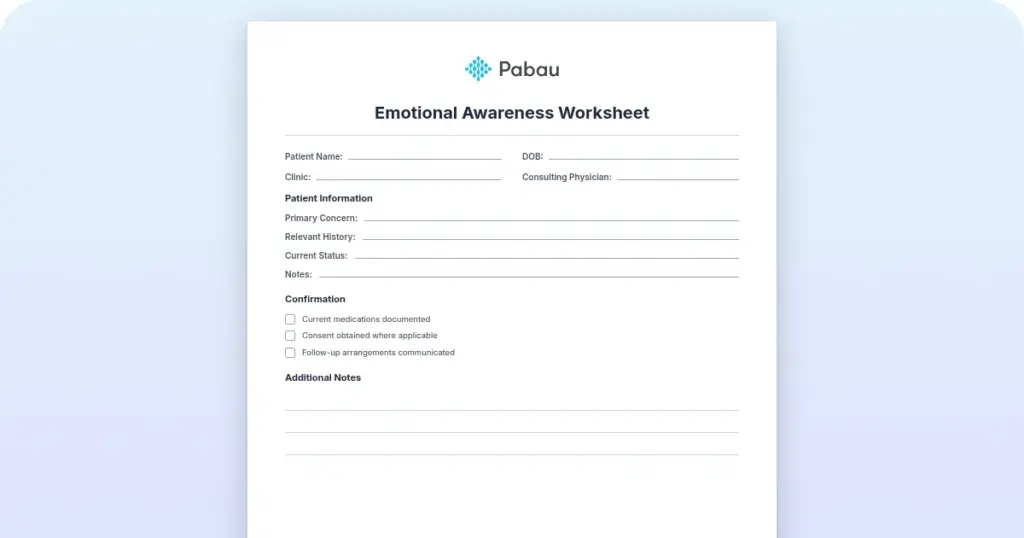
Emotional awareness worksheet
An emotional awareness worksheet is a structured psychoeducational tool that hel...

2
Last Updated: Oct 16, 2026

A sexual boundaries worksheet helps clients identify comfort levels, limits, and preferences in intimate relationships within a therapeutic framework.
Healthy sexual boundaries include ongoing consent, clear communication, and the right to say no. This worksheet structures practice around each element.
Common mistake: avoiding boundary conversations in therapy leaves clients without tools to protect themselves and communicate their needs to partners.
Practice management software like Pabau includes digital forms and a client portal, so therapists can share and track this worksheet securely.
Setting and communicating sexual boundaries is foundational to healthy intimate relationships. Yet many clients struggle to articulate their limits, preferences, and non-negotiables. This is especially true when cultural, family, or trauma histories have made boundary-setting feel unsafe or selfish. A sexual boundaries worksheet gives them a structured, non-judgmental space to explore these conversations with professional guidance. A private practice seeing clients weekly needs the last note available before the next appointment starts.
A structured therapeutic tool for helping clients identify, communicate, and reflect on personal boundaries in intimate relationships. Includes reflection prompts, boundary type categorization, and partner-communication frameworks for use in individual and couples therapy sessions.
Download templateThis guide covers what a sexual boundaries worksheet is.
Sexual boundaries are the personal limits and preferences a person sets around physical intimacy, sexual contact, and sexual expression. They define what feels comfortable, safe, and acceptable in intimate relationships. Boundaries exist on a spectrum, from physical touch (hugging, kissing, sexual activity) to emotional and verbal consent (comfort with certain topics, communication styles, pacing of physical escalation).
Healthy sexual boundaries rest on three pillars: informed consent, mutual respect, and the freedom to change your mind at any time. This framework is central to both individual wellbeing and relationship satisfaction.
Many clients arrive in therapy without ever having articulated these boundaries to themselves or partners.
Sexual boundaries intersect with multiple domains of intimacy. A comprehensive worksheet helps clients map boundaries across each area.
Clients often discover that their boundaries span multiple categories. A worksheet that breaks these down helps therapists explore each domain without overwhelming clients.
The contrast between healthy and unhealthy boundary patterns is critical for clients to recognize. Many grow up without seeing healthy models and default to patterns rooted in shame, trauma, or coercion.
Clients with trauma histories often show rigid boundaries (avoiding intimacy entirely) or diffuse boundaries (saying yes when they mean no). Where that trauma history includes relationship violence, a danger assessment can help flag safety risks before boundary work begins. This worksheet then helps therapists identify patterns and practice assertiveness in a controlled setting.
Weighing tools for your practice? Check how alternatives to Carepatron handle forms and client records.
The sexual boundaries worksheet works best when introduced with clear clinical framing and trauma-informed language. Here’s how therapists integrate it:
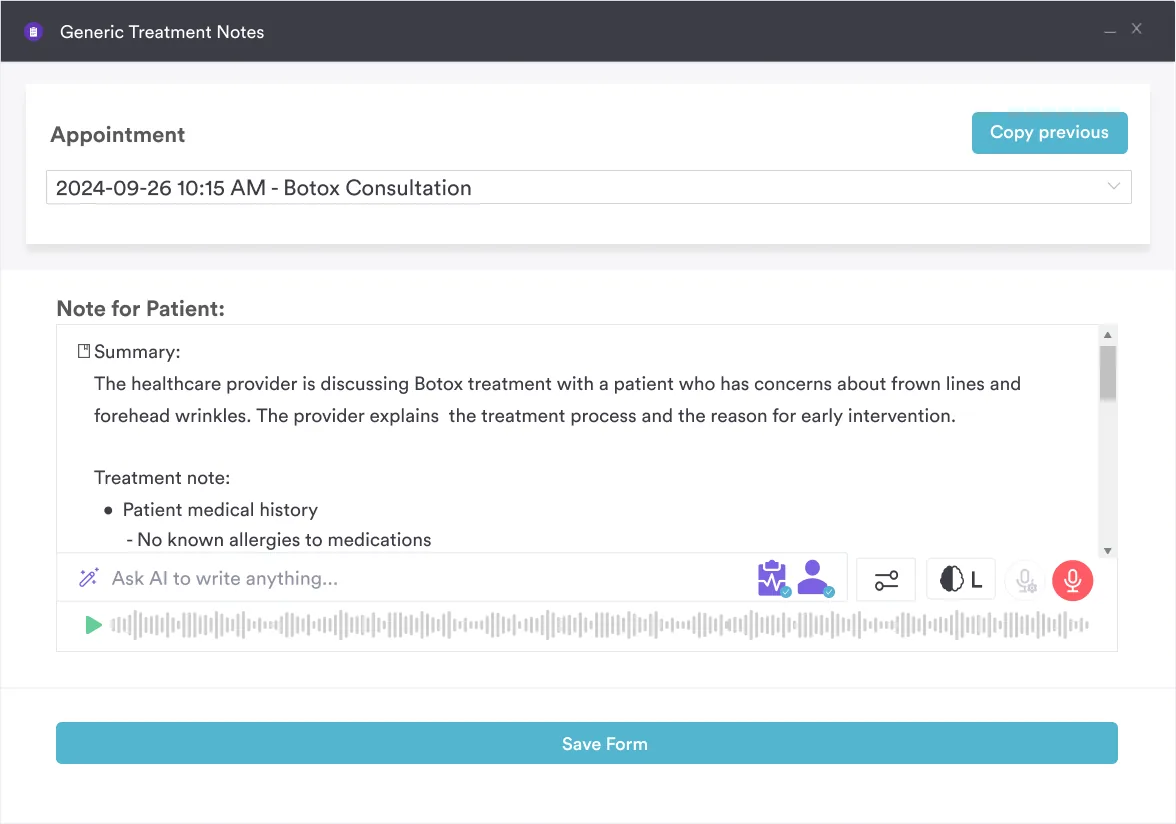
When digital forms are used to deliver the worksheet, clients can complete it at home in their own time, reducing in-session pressure and allowing deeper reflection before the next appointment.
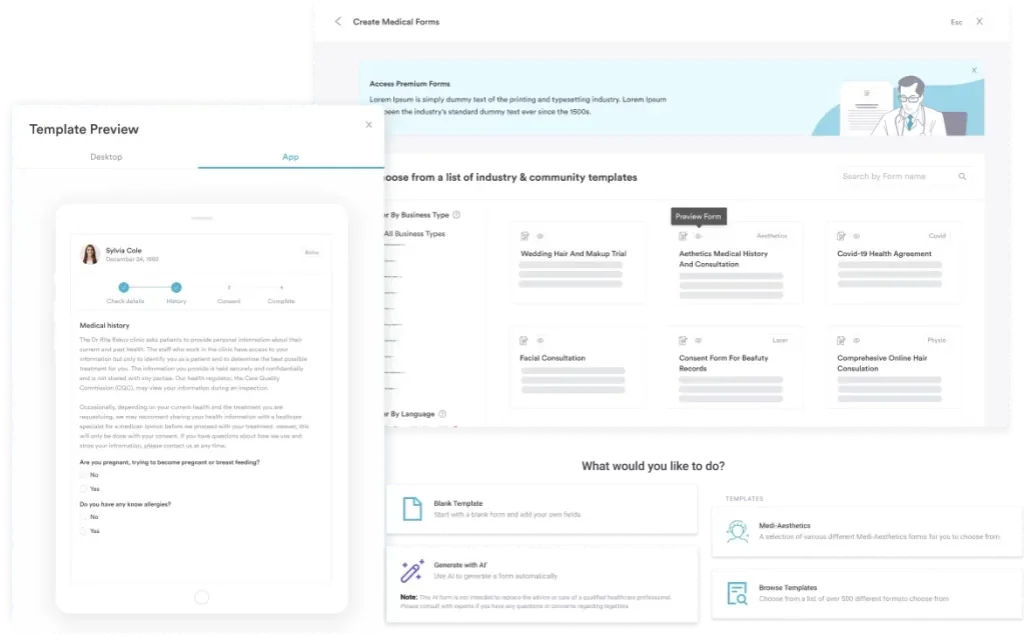
This specific worksheet template contains five core sections designed to guide clients through structured reflection:
The worksheet is designed to be non-threatening and accessible. Language is clear and clinical, avoiding shame-based or sensationalist framing.
In couples therapy, the sexual boundaries worksheet shifts from individual reflection to shared dialogue. This requires careful facilitation.
Couples who use this worksheet report improved communication and reduced sexual conflict. Therapists working with secure client records can store completed worksheets for reference in future sessions.
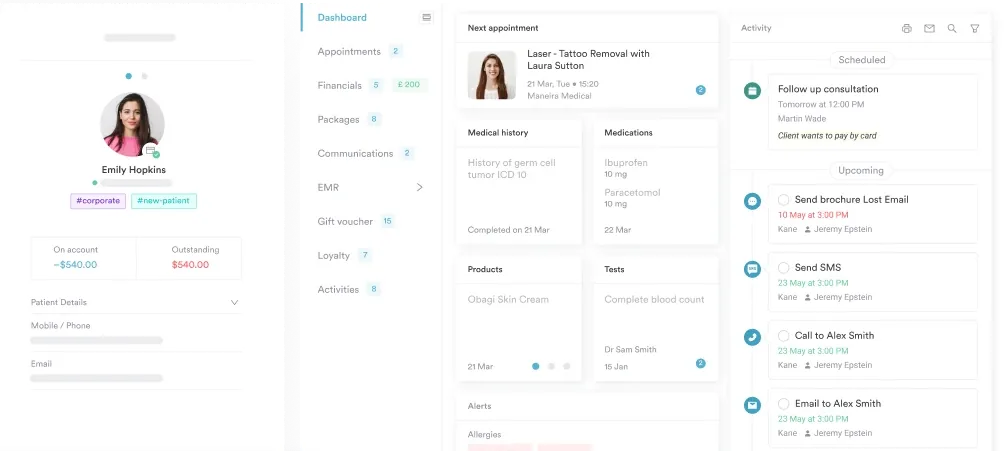

Pabau’s digital forms and secure storage help therapists deliver and track therapeutic worksheets, so you can focus on the conversation, not the paperwork.

Many clients come to therapy with the worksheet completed but anxious about the next step: actually telling their partner. Therapists can offer concrete frameworks to make these conversations less triggering.
Therapists working with pre and post-care workflows can send clients guided resources or scripts between sessions to reinforce boundary-setting skills.
Sexual boundaries are not luxuries. They’re foundations of healthy, consensual, and safe intimate relationships. Many clients never learned to identify or articulate their limits, defaulting to patterns rooted in trauma, shame, or people-pleasing.
A sexual boundaries worksheet gives therapists and counselors a structured tool to guide this work. By walking clients through reflection, naming patterns, and practicing communication, worksheets empower people to show up in relationships with clarity and confidence. Book a demo with Pabau to see how digital tools streamline delivery and secure storage of therapeutic worksheets in your practice.

Need a template for group consent conversations? group therapy informed consent covers what to include, such as confidentiality limits, rules, and boundaries.
Looking for a consent form to pair with this worksheet? Counseling informed consent form covers confidentiality limits, mandatory reporting, and session terms clients should understand before boundary work begins.
Want to support clients between sessions? Coping cards help clients log what worked after a stressful moment, useful alongside trauma-informed boundary work.
Sexual boundaries examples include: “I want 30 minutes of foreplay before intercourse,” “I’m not comfortable with explicit language during intimacy,” “I need consent asked aloud every time we’re intimate,” “I don’t want to discuss my sexual history with family,” or “I prefer we plan intimate time rather than it happening spontaneously.” Boundaries can be physical, emotional, verbal, temporal, or digital.
Start by completing a worksheet or reflection exercise to clarify your own boundaries first. Then choose a calm, neutral time to discuss them with your partner using “I” statements (“I feel safest when…”). Be specific about what you do and don’t want. Expect the conversation to take time and multiple discussions as you both adjust.
Yes. Therapists use sexual boundaries worksheets in individual therapy to help clients clarify their own limits, and in couples therapy to facilitate shared discussions about intimacy. The worksheet provides structure, normalizes boundary conversations, and creates a record both partners can reference.
Healthy boundaries include clear communication, ongoing consent, respect for “no,” and freedom to change your mind. Unhealthy patterns include saying yes when you mean no, feeling obligated to comply, boundaries that trigger guilt or shame, or partner resistance to your limits. A worksheet helps clients recognize which pattern they’re in.
Age-appropriate versions exist for teens (typically 14+) used in school counseling or therapy. The worksheet should use developmentally suitable language and focus on consent, saying no, and recognizing red flags in relationships rather than explicit sexual content. Always follow your school or clinic’s policy on sexual health education.
Boundaries often shift with life changes (new relationship phases, trauma processing, health changes, aging). Therapists recommend revisiting the worksheet annually or after major life events, such as a new diagnosis, infidelity recovery, or significant life stress. Regular check-ins prevent resentment from building around unspoken boundary changes.