Antipsychotic medication list
An antipsychotic medication list is a structured reference that organizes psychi...

2
Last Updated: Oct 13, 2026

The free self-esteem worksheet for teens is one page with five open reflection questions, plus name, age and date fields.
It asks what a teen likes about themselves, what others value in them, what they are good at, a recent accomplishment, and a goal.
The worksheet is a conversation starter for ages 12 to 18. It is not a thought record, a rating scale or a full assessment.
Low self-esteem in adolescence tracks with higher anxiety, depression and school withdrawal, so structured early support carries weight.
Practice management software like Pabau files the completed form in the client record, so you can compare answers session over session.
A one-page reflection worksheet with five open questions on self-perception, strengths, accomplishments and goals, plus writing space for each answer. Built for therapists, school counselors and mental health professionals working with adolescents aged 12 to 18.
Download templateAdolescent self-esteem shapes mental health, school performance and friendships. This self-esteem worksheet for teens gives therapists, school counselors and school psychologists a simple way to open that conversation. It’s a single page with five open questions about how a teen sees themselves, what they are good at, and what they want next.
The worksheet is deliberately short. A teen can finish it inside one session, on paper or on screen, and the written answers become the material you work with. Use it at intake, at the start of self-esteem work, or as homework between appointments.
A self-esteem worksheet for teens is a guided form that prompts an adolescent to put their self-perception into words. This version asks five open questions and leaves blank space to answer each one in writing. There’s no scoring, no rating scale and no diagnostic cut-off.
The instruction line sets the tone. It tells the teen to take a few minutes, answer honestly, and remember that no answer is right or wrong. That framing matters with adolescents who arrive expecting a test.
Because it’s short, the form works in psychology practices, group counseling, school offices and as between-session homework. The completed page then joins the teen’s mental health record as a dated snapshot of how they described themselves that week.
Everything fits on one page. Five prompts sit under the instruction line, each followed by writing space. Here is what each one asks and what it tends to surface.
Name, age and date fields sit at the top of the page. The date field is laid out day, month, then year, so US practices should agree the format with the teen before the page is filed.
Self-esteem in adolescence works as a protective factor. Work summarized by the National Institute of Mental Health (NIMH) links low self-esteem in this age group to worse outcomes. Rates of anxiety, depression, academic underperformance and social withdrawal all run higher. Ages 12 to 18 matter because self-concept is still forming, so support now carries more weight.
Persistent low self-esteem also feeds itself. Negative beliefs push a teen to avoid social situations, hard classes or asking for help. The avoidance then confirms the belief. A worksheet interrupts that loop by moving self-doubt out of the teen’s head and onto a page you can both look at.
These signs tell you when the worksheet is worth handing over. Early identification by school counselors, therapists or attentive parents allows support before low self-esteem hardens into anxiety, depression or risky coping. The Centers for Disease Control and Prevention (CDC) reports high levels of adolescent mental health need. Short reflection tools are a practical part of routine care.
The form is simple, so the skill lies in how you introduce it. Therapists and school counselors get more out of it when they follow a few habits.
Documentation matters as much as the exercise. A short note on which prompts came easily, and which the teen skipped, turns one page into a clinical thread you can follow across months.
The written answers are the starting point for the session work that follows. Each prompt opens a different door.
Three things I like about myself. Expect short or blank answers here. Ask for behavior rather than traits, such as how they treated a friend last week. One concrete example usually unlocks the second and third.
What friends and family would say. Teens who can’t praise themselves often answer this one quickly. Read the answer back and ask whether they believe it. The distance between the two answers is useful material.
Something I am good at. Keep the definition wide. Cooking, gaming, calming a younger sibling and knowing every bus route all count. Competence outside school is often invisible to a teen who is struggling in class.
A recent accomplishment. Ask for a date and one detail, so the answer stays specific. Written evidence is harder to wave away than a compliment, which many teens deflect on reflex.
Goals I want to achieve. Turn one goal into a first step before the session ends. Reach for an intention setting worksheet when the goal is still too vague to act on. That links self-worth to action and gives you something concrete to review next time.
None of these prompts is a thought record, an affirmations exercise or a body image module. Where a teen needs that work, bring in another tool alongside this page, such as a friendship questionnaire for peer relationships. Cognitive behavioral therapy still has the strongest evidence base for adolescent anxiety and depression, as the American Psychological Association sets out.
Therapists are often asked how parents can reinforce this work between sessions. These practices travel well.
Parents who understand what the worksheet is for become partners in the work rather than an audience for it. Where the friction sits between the teen and a parent, a boundaries worksheet gives that conversation its own structure.
Hand the worksheet over on paper and the completed page goes into a folder. Nobody reads it again until someone goes looking. Practice management software like Pabau keeps that page attached to the client it belongs to.
You can send the worksheet as a digital form before the appointment, so the teen answers it at home in the client portal. The answers land in the client record beside your notes. Nothing needs scanning, and nothing gets filed twice.
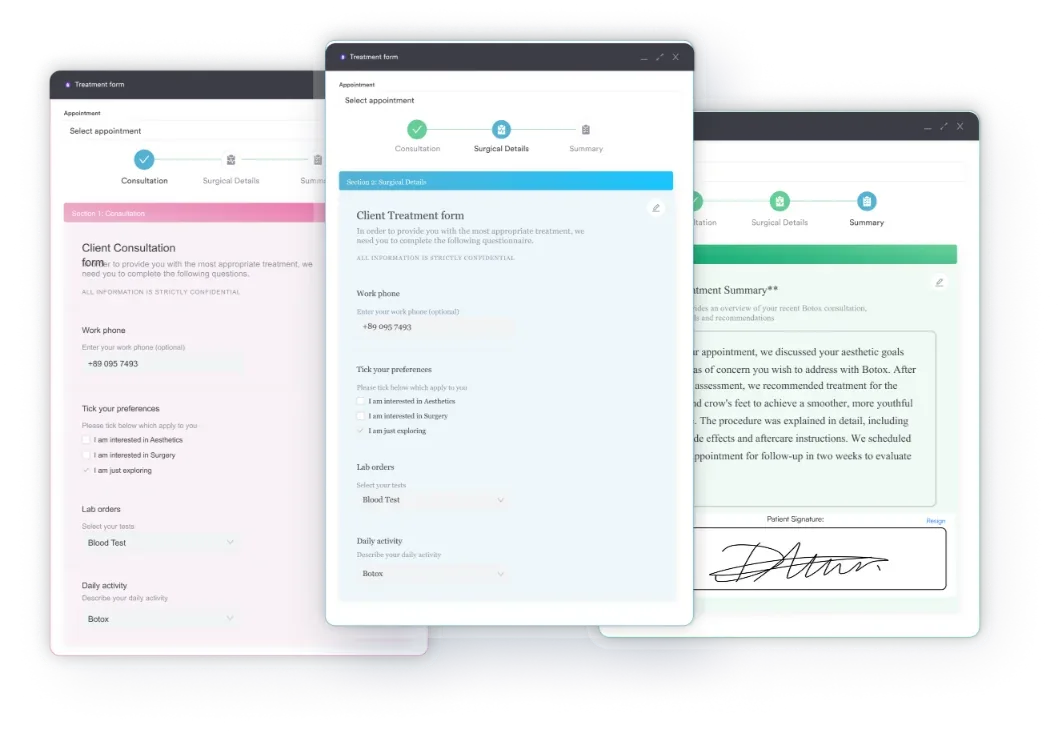
Automated workflows then chase the forms that come back blank, and Pabau Scribe, our AI scribe, drafts the session note for you. Reading three completed worksheets side by side is how you show a parent, a supervisor or a payer that something is shifting.
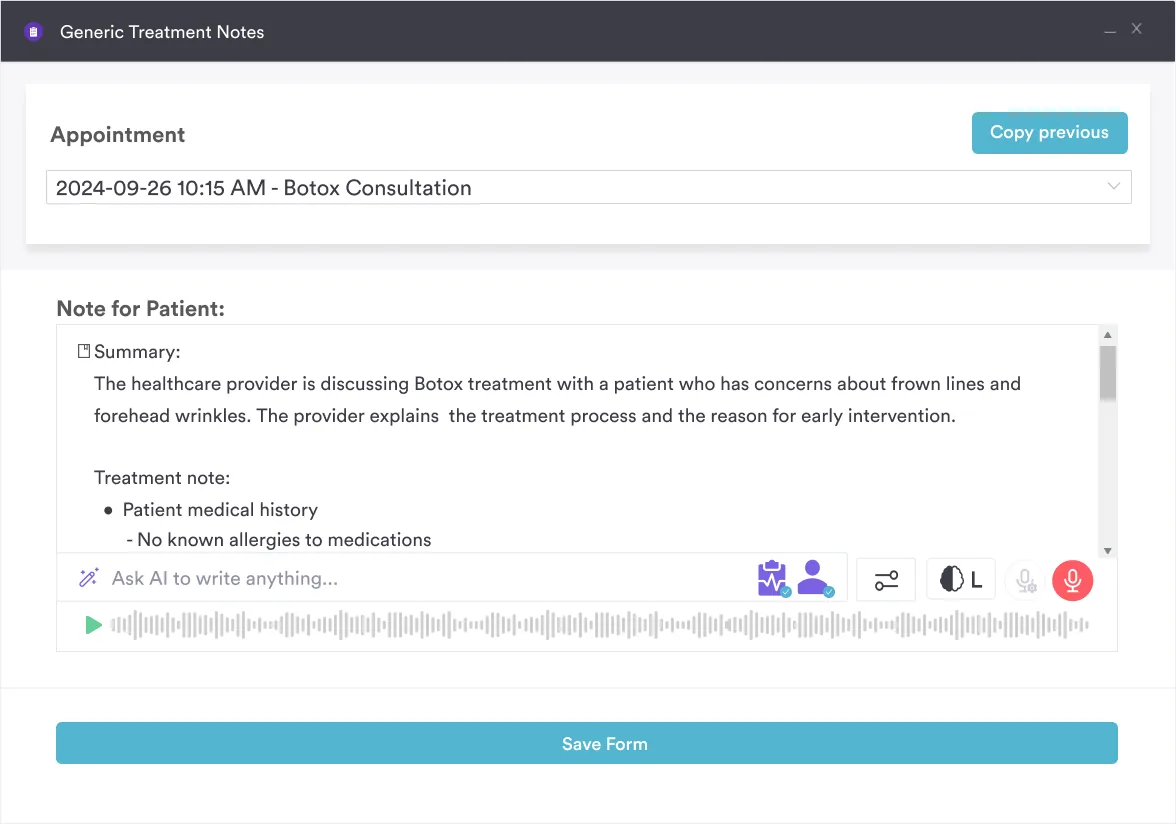
With parental consent, you can also share progress through secure messaging, so the family reinforces the same work at home. Less administration around the form means more of the session goes on the therapy itself.

Pabau sends the self-esteem worksheet as a digital form, files the answers in the teen’s record, and reminds the ones who forget. You spend the session on therapy instead of chasing paperwork.

A five-question page won’t rebuild a teen’s self-image. It will get them describing themselves in specific terms, which is where the work starts.
Use it early, keep every completed copy, and read them in order. Three dated worksheets show a change that a teen would otherwise insist never happened. Bring in a thought record or a self-compassion exercise once plain reflection stops being enough.
A short form gives you less structure than a full workbook, and that is also why teens finish it. Book a demo to see how Pabau stores completed worksheets and tracks a teen’s progress between sessions.

Working with adults on the same issue? Self-esteem worksheet for adults covers the longer, CBT-based version of this exercise for grown-up clients.
Need a plan for a teen in crisis? Safety plan for teenagers template gives you the structure to use when reflection work is not enough on its own.
Starting with a new adolescent client? Adolescent intake questionnaire collects the history and presenting concerns before you reach self-esteem work.
Need a way in with a teen who cannot name emotions? Feelings face chart gives younger and less verbal clients a visual starting point.
Ready to turn a stated goal into action? Change plan worksheet maps the steps, supports and obstacles behind the goal a teen writes down.
The worksheet is written for adolescents aged 12 to 18. Younger teens of 10 to 12 can use it when they are developmentally ready, with the wording explained out loud. Older teens usually need follow-up questions about identity, values and social comparison, since the five prompts stay deliberately broad.
The worksheet carries five prompts. The first two ask what the teen likes about themselves and what friends or family would say they like most. The third asks what the teen is good at. The last two cover a recent accomplishment and the goals they want to achieve. Name, age and date fields sit at the top of the page.
No. This page uses open reflection on strengths, accomplishments and goals, with no thought record on it. Cognitive behavioral therapy tools ask a teen to test one specific negative thought against the evidence for and against it. Use both where the teen needs both, and treat this worksheet as the baseline.
Yes, and groups add something individual work cannot. Teens hear peers name similar struggles and similar strengths, which normalizes both. Groups work best when the confidentiality rules are explicit, the facilitator protects psychological safety, and sharing an answer stays voluntary.
Both work. Paper lets a teen write freely and keep a physical copy, which some find easier in session. Digital completion through a client portal stores the answers in the clinical record and makes progress simple to compare. Pick the option that fits your workflow, because the value sits in the answers.