Mental health self-care checklist
A mental health self-care checklist is a structured daily tool for tracking the ...

6
Last Updated: Oct 20, 2026

The self-care wheel splits well-being into separate areas and asks about each one on its own, so the neglected areas stop hiding.
Self-care expert Olga Phoenix built the original wheel around six dimensions: physical, psychological, emotional, spiritual, personal, and professional.
The free template on this page is a two-page worksheet with eight sections, running from physical health through leisure and relaxation.
Every section asks two open questions and leaves a blank box. There is no rating scale, so clients answer in their own words.
Practice management software like Pabau stores the completed sheet with the client record, so the answers are in front of you at the next session.
A two-page reflection worksheet with eight sections, from physical health through leisure and relaxation. Each section asks two open questions and leaves a blank box for the client’s answer.
Download templateThe self-care wheel is a reflection tool that breaks well-being into separate areas, then asks about each one on its own. Ask a client what they do for themselves and you often get a shrug. Break the same question into rest, connection, and physical health, and the thin answers show up fast.
The version on this page is a two-page worksheet with eight sections and no rating scale. Clients answer in their own words, so an empty box does the job a low score would.
What follows is what each section asks, how to run the sheet inside a session, and what to do with it afterward.
The wheel is a visual planning tool that divides well-being into segments, one for each area of a person’s life.
Self-care expert Olga Phoenix created it, and her version groups self-care into six dimensions: physical, psychological, emotional, spiritual, personal, and professional.
Later versions divide the same ground differently. Some split social life or creative work into segments of their own, while others merge personal and professional growth.
The number of segments matters less than the habit the wheel builds. Clients answer for each area separately instead of judging their life as one lump.
That is what separates the wheel from a generic wellness checklist. A client who exercises daily can tick a checklist and move on. The wheel still asks what they do for connection, for meaning, and for rest. Those three usually come back much thinner.
It works in individual therapy, group workshops, and coaching alike. A first pass takes about 15 minutes, and the same sheet can anchor a full treatment plan.
The sheet opens with a name and date line and a short set of instructions. It asks the client to keep the page beside a self-care wheel diagram and write their thoughts, activities, or goals into the matching section. The file carries the prompts rather than the circle, so here is the circle it assumes.
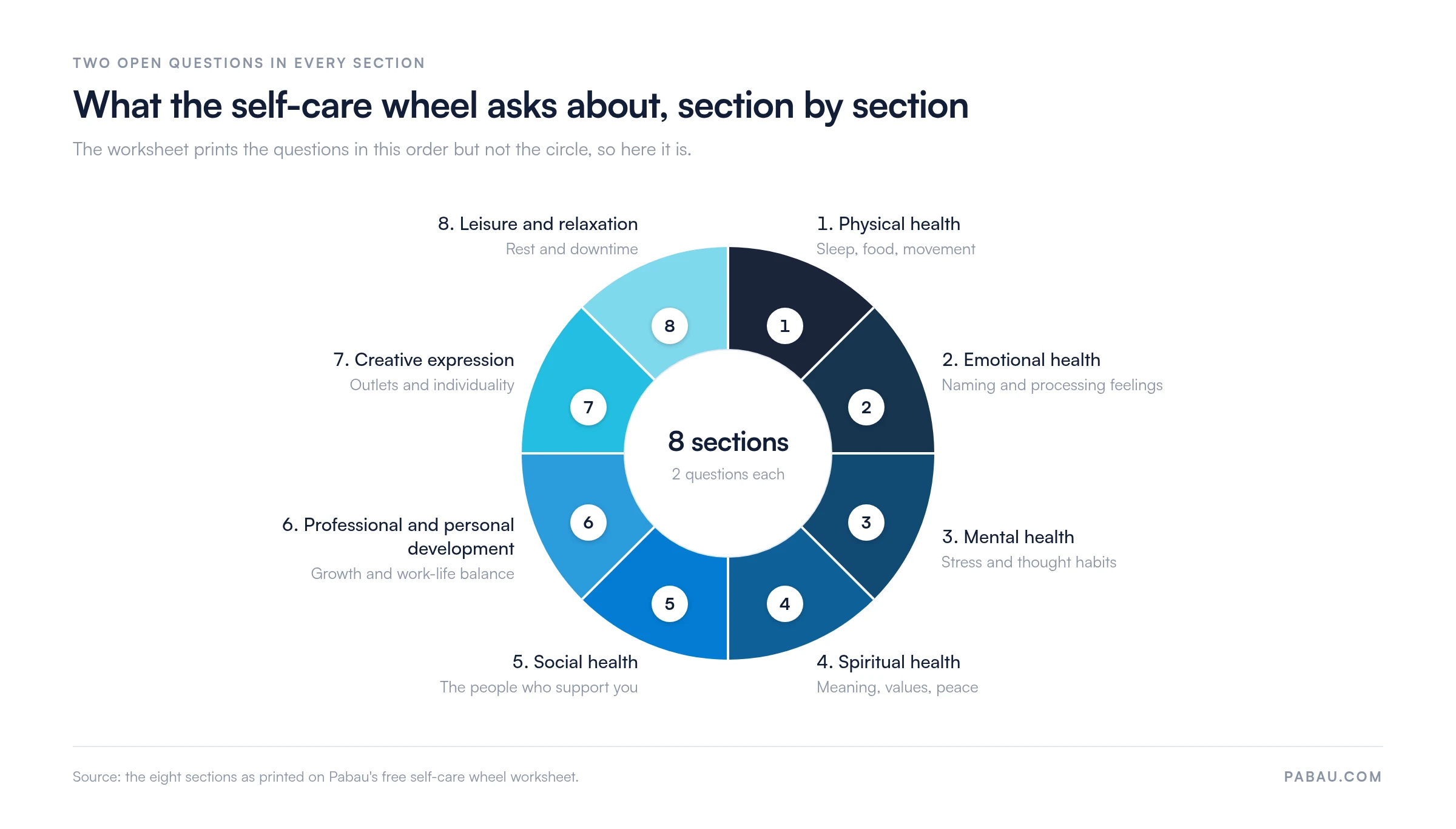
After that come eight sections in a fixed order. Each one names an area of life, asks two questions, and leaves a box big enough for a few sentences. Nothing on the sheet is scored, ranked, or scaled.
The second column is printed on the sheet word for word. The third is not, so treat those examples as prompts to read aloud when a client stalls rather than answers to steer them toward.
The worksheet works best as a conversation, not a form the client completes alone in the waiting room. These six steps keep it that way.
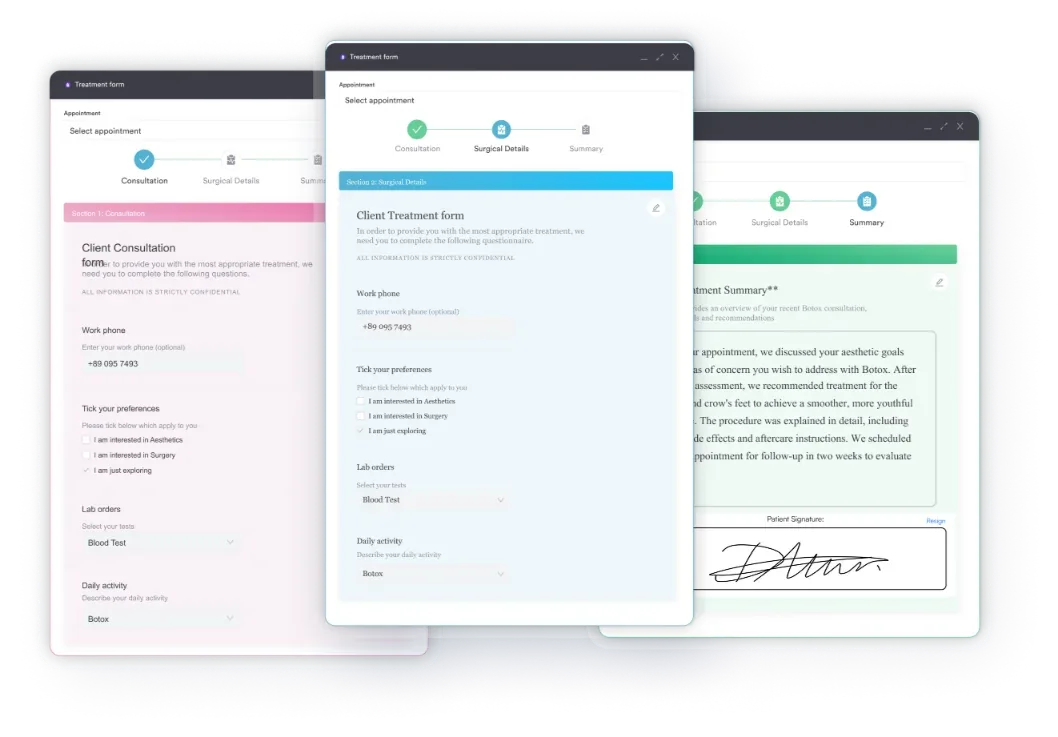
Store the completed sheet with the rest of your digital intake forms, so the answers stay visible from one session to the next. Practice management software like Pabau keeps that copy attached to the client record.
Four habits flatten the sheet, and each one has an easy fix.
A finished worksheet is worth more than the 20 minutes it took to fill in. Therapists use it for five jobs after the session ends.
Your own thin boxes deserve the same reading you give a client’s. Professional development and leisure usually run empty long before therapist burnout has a name.
The eight sections hold up across adult therapy, coaching, and wellness work. The wording sometimes needs adjusting, and the format occasionally needs to wait.
With teenagers, read the professional development section as school, training, or a part-time job, and expect shorter answers. If the blank boxes feel like homework, ask the two questions out loud and write the answers down together.
A client in acute crisis needs stabilization first. A sheet this wide-ranging asks for more perspective than someone in crisis can offer. Our guide to crisis intervention strategies covers that stage. Introduce the wheel once the immediate risk has settled.
Clients who freeze in front of a blank box usually need an example rather than more time. Read two or three from the table above and let them borrow one, adapt it, or reject it outright.
Teaching self-care and then losing the paperwork undoes the point of the exercise. Documentation load erodes professional self-care, which is the section therapists most often leave blank on their own sheet.
Pabau is therapy practice management software, so client records, appointment reminders, and progress notes live in one place. The completed wheel sits with the rest of the file, and last month’s answers are on screen when the next session opens.
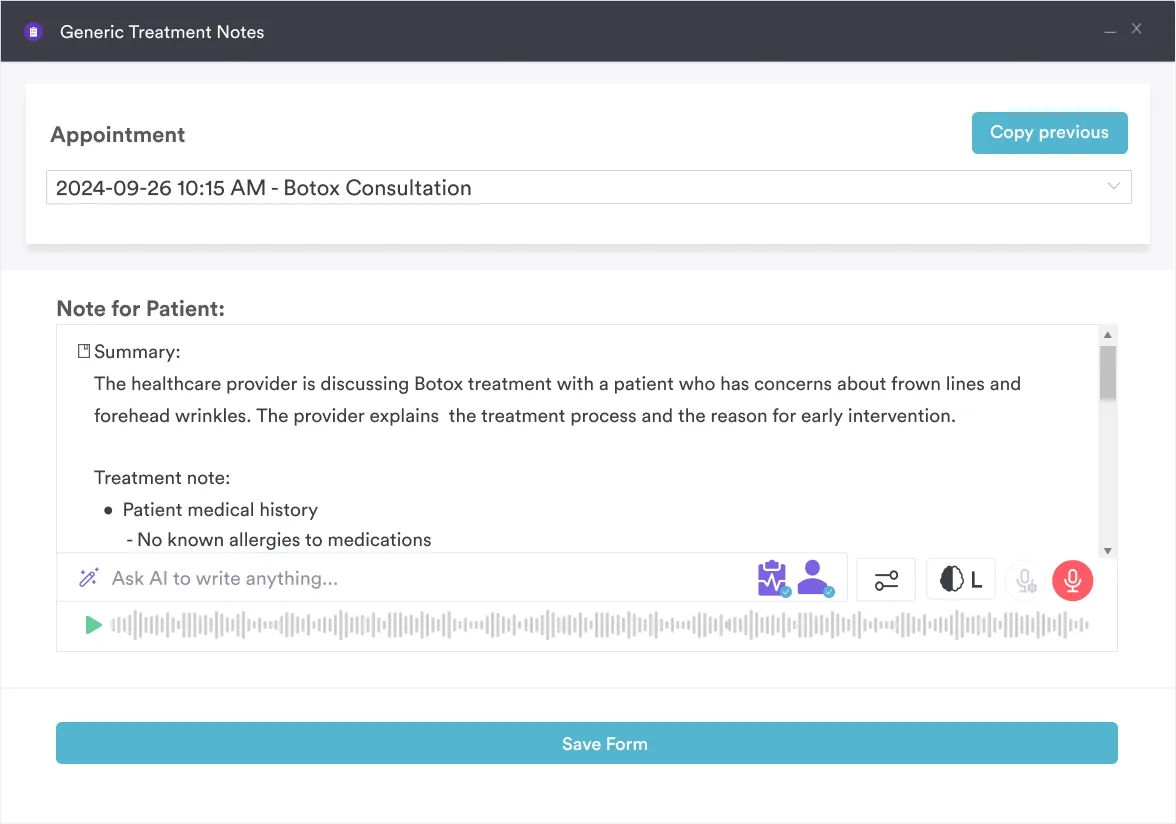
Pabau Scribe, our AI medical scribe, drafts the session note for you. The self-care goals a client agreed to get written down while they are still fresh, not at 9pm.
Less admin also protects the hours you need for supervision, peer consultation, and rest. Those are the parts of your own wheel that the professional development section asks about.
Ready to keep every self-care plan with the client record it belongs to?

Pabau holds client records, session notes, and follow-up in one place. That gives you back the hours the paperwork usually takes.

The wheel earns its place because it refuses to accept one answer for a whole life. Eight sections, asked one at a time, expose the area a client has quietly dropped.
The trade-off is that a sheet with no scale leaves you no number to chart. You get the client’s own words instead, which is worth more in the room and harder to skim later. Date every copy so the comparison still works.
Download the template above and fill one in for yourself before the next client sees it. If the follow-up is the part that usually slips, book a demo and see how Pabau files each completed wheel with the client record.

Want a scored version instead? Self-care inventory rates each habit on a scale, which suits clients who prefer a number to a blank box.
Need a wider wellness frame? 8 dimensions of wellness worksheet covers environmental and financial health alongside the areas here.
Looking for concrete next steps? Coping skills checklist turns a thin mental health box into a short list a client can try this week.
Running a first mental health assessment? Psychiatric evaluation template gives you a structured intake before the self-care work begins.
Watching your own wheel run empty? Therapist burnout guide covers the early signs and the practice changes that hold them off.
Self-care expert Olga Phoenix created it. Her original version groups self-care into six dimensions: physical, psychological, emotional, spiritual, personal, and professional.
A wellness wheel usually asks you to rate each area from 1 to 10 and shade the segment. A self-care wheel asks what you do in each area, so the answer is an activity rather than a score.
No. There are no numbers on the sheet. Each of the eight sections asks two open questions and leaves a blank box, so clients answer in their own words.
Give a fresh copy at the start of treatment, then roughly every two months. Date each sheet and read the new answers against the old ones instead of editing a single copy.
Yes, and it is worth doing before you hand it to a client. Clinicians usually leave the professional development and leisure sections thinnest, which is an early sign of burnout.