Emotional awareness worksheet
An emotional awareness worksheet is a structured psychoeducational tool that hel...

4
Last Updated: Oct 16, 2026

The Readiness to Change Questionnaire (RCQ), developed by Rollnick, Heather, Gold, and Hall in 1992, measures a client’s readiness to change their drinking specifically
Its 12 items score three subscales – precontemplation, contemplation, and action – and the highest-scoring subscale sets the client’s stage, not a single summed total
Each subscale ranges from -10 to +10, and this version of the RCQ has no separate maintenance subscale
Practice management software like Pabau can store completed questionnaires in the client record and track how each subscale shifts across sessions
A ready-to-use alcohol-use assessment based on the 1992 Readiness to Change Questionnaire. Includes all 12 items and the three-subscale scoring method used in addiction and alcohol-use treatment settings.
Download templateA client in addiction treatment might insist their drinking isn’t a problem, or they might already be quietly cutting back on their own. The Readiness to Change Questionnaire, developed by Rollnick, Heather, Gold, and Hall, measures which position a client actually holds toward their drinking.
This guide covers how the RCQ’s three subscales work, how to score them, and how to fit the questionnaire into an alcohol-use treatment workflow.
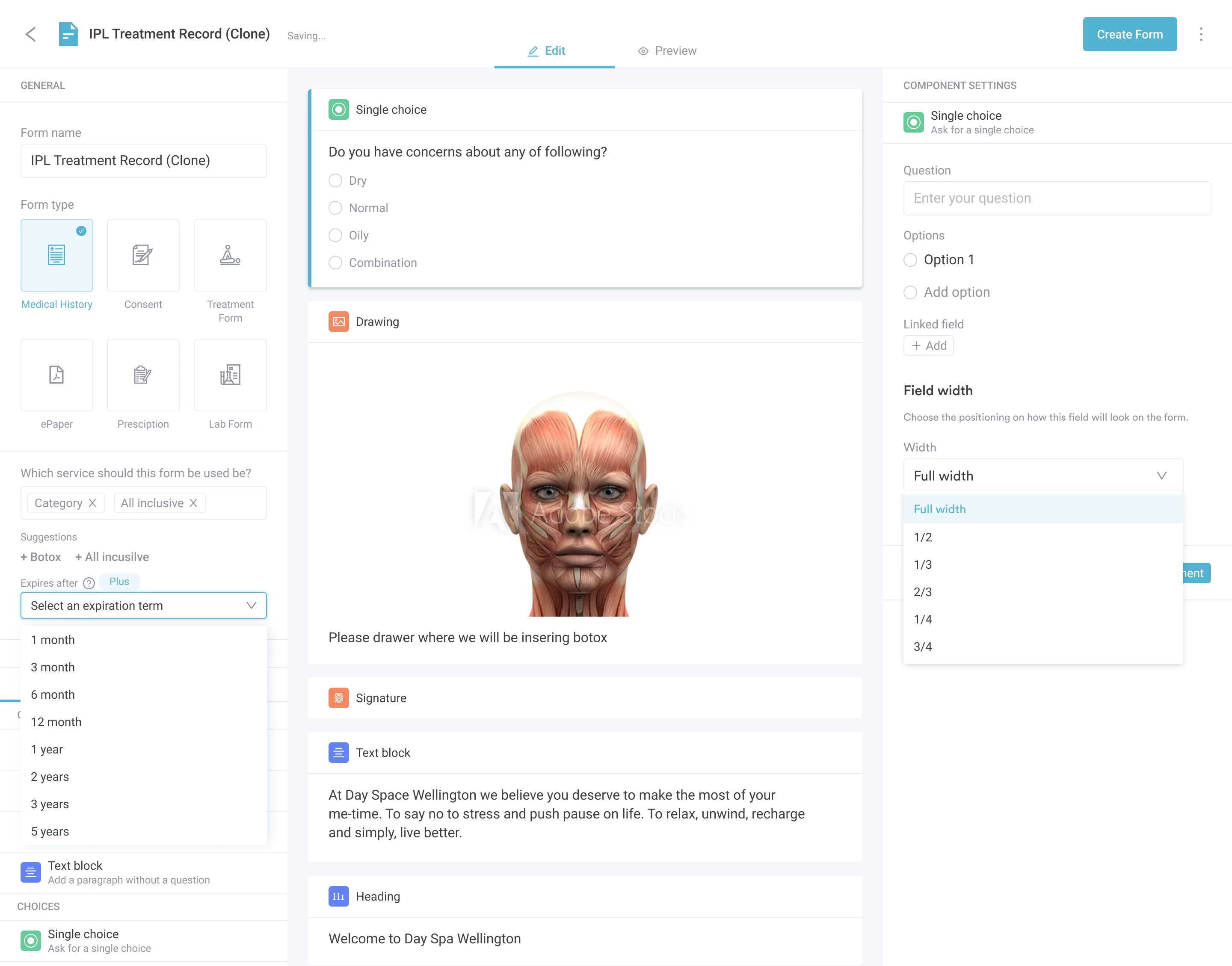
A readiness for change questionnaire is a clinical assessment instrument that measures how ready someone is to change a specific behavior. The most widely used version, the Readiness to Change Questionnaire (RCQ), was developed by Rollnick, Heather, Gold, and Hall in 1992 specifically for drinking behavior.
It’s grounded in the transtheoretical model of change, developed by Prochaska and DiClemente, which describes behavior change as a process across stages rather than a single event.
The RCQ was validated on people who drank excessively but weren’t seeking treatment, and it’s since been used across addiction treatment, alcohol counseling, and substance-use programs. The 12 items ask specifically about a client’s drinking, so it isn’t a substitute for a broader intake or a general behavior-change assessment.
A mental state examination or comparable clinical assessment covers the wider picture; the RCQ narrows in on one thing, a client’s readiness to change how much they drink.
The RCQ places a client’s drinking-related readiness into one of three stages: precontemplation, contemplation, or action. Understanding each stage helps you choose the right response once you have their scores.
Score all 12 items on a 5-point scale: -2 for strongly disagree, -1 for disagree, 0 for unsure, +1 for agree, and +2 for strongly agree. Four items belong to each of the three subscales – precontemplation (PC), contemplation (C), and action (A) – so add the four item scores within each subscale separately.
Each subscale can range from -10 to +10, and whichever subscale scores highest sets the client’s stage. There’s no single overall score, and no separate maintenance subscale in this version of the RCQ.
Because a client can score positively on more than one subscale, compare all three totals before deciding on their stage – a high precontemplation score alongside a modest contemplation score still points to precontemplation. Store completed questionnaires in your client record system to track how each subscale shifts across sessions. Psychological assessment is only as useful as the record that keeps it comparable over time.
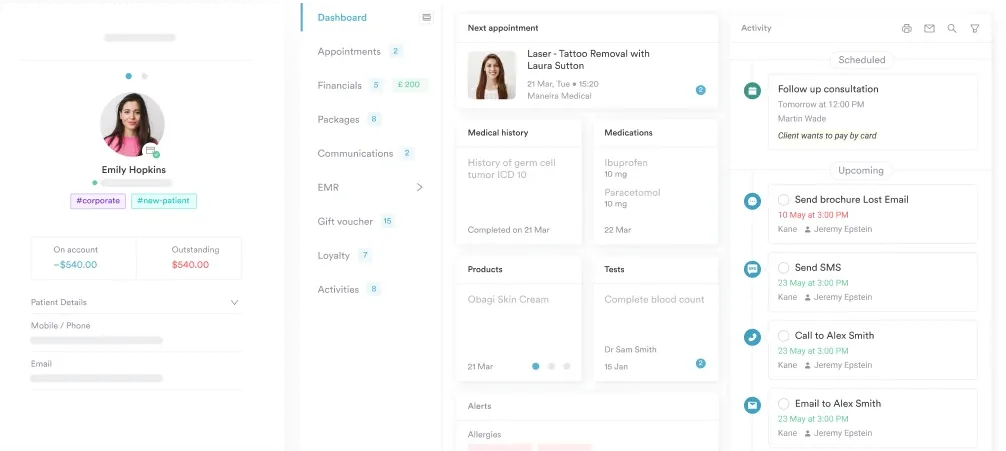
Clinical form capture tools let staff complete assessments like this on a tablet during the session itself.
Administration is straightforward. Give the questionnaire after rapport is established but before you set treatment goals. Explain the purpose: “I’d like to understand where you’re at with your drinking right now. This helps me tailor our approach.”
Pair the RCQ with automated workflows that send stage-appropriate follow-ups: clients in action benefit from weekly check-ins, while those still in contemplation tend to respond better to a lighter, bi-weekly message.
Pabau’s AI scribe, our AI note-taking feature, can automatically document the readiness conversation itself, so the discussion is captured in the client record without manual note-taking. Log the RCQ scores themselves separately.
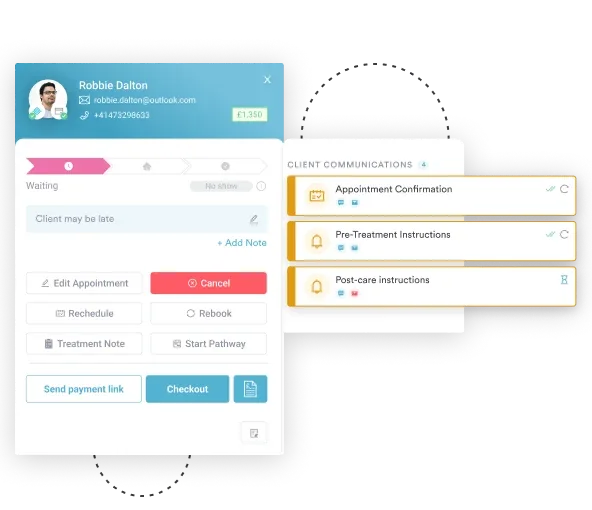

Administer the RCQ digitally, score all three subscales automatically, and track how a client’s stage of change shifts across sessions – all in one integrated practice management platform.

The RCQ is validated specifically for drinking behavior, so it fits addiction treatment, alcohol counseling, and substance-use programs rather than general intake. Programs use it at intake to gauge a client’s readiness to cut down or quit, then use the subscale scores each session to decide whether to build awareness or reinforce an existing plan.
It also pairs naturally with step-based recovery work – many programs use it alongside a client’s own AA Step 12 worksheet once they reach the action stage.
The RCQ answers a specific question: is this client ready to change their drinking right now, and in which direction? Whichever subscale scores highest shapes your next conversation, whether that’s building awareness, tipping the balance, or reinforcing a plan already in motion.
Book a demo to see how Pabau’s digital questionnaires and client records keep that stage-of-change picture up to date across every session.

Want to track mood alongside readiness scores? Major Depression Inventory gives you a validated screen to run alongside the RCQ when depression symptoms are also present.
Need a tool for day-to-day affect, not just stage of change? Emotional scales track a client’s emotional intensity between sessions.
Want to adjust how you talk to clients at each stage? Communication styles worksheets help you match your approach to how a client processes information.
Working through the steps of recovery? AA Step 6 worksheet covers character defect identification, willingness assessment, and readiness reflection with space for notes.
A readiness for change questionnaire is a clinical assessment tool that measures how ready someone is to change a specific behavior. The most widely used version, the Readiness to Change Questionnaire (RCQ), was developed by Rollnick, Heather, Gold, and Hall in 1992 to measure a client’s readiness to change their drinking specifically, not behavior change in general.
Score each of the 12 items from -2 (strongly disagree) to +2 (strongly agree). Four items make up each of three subscales – precontemplation, contemplation, and action – so add the four item scores within each subscale. Each subscale ranges from -10 to +10, and whichever subscale scores highest sets the client’s stage of change.
The RCQ measures three stages: precontemplation (not seeing the drinking as a problem), contemplation (weighing up whether to cut down or quit), and action (already cutting down or quitting). Unlike the broader transtheoretical model, this version of the RCQ has no separate maintenance subscale.
The transtheoretical model, developed by Prochaska and DiClemente, describes behavior change as a process across stages rather than a single event. The RCQ applies that model specifically to drinking, measuring where a client sits within it.
Administer it early in treatment, after rapport is built and before treatment goals are set. Score all three subscales and discuss the highest-scoring one with the client. Use it to tailor your approach – building awareness for precontemplation, motivational interviewing for contemplation, concrete plans for action – then re-administer every 4-8 weeks to track movement.
Yes. Download the free template at the top of this page. It includes all 12 items, the three-subscale scoring method, and stage interpretation for alcohol-use and addiction treatment settings.