GLP-1 usage by state: Who’s taking, searching and paying in 2026
GLP-1 usage by state peaks in West Virginia, America’s GLP-1 capital, with...

Last Updated: Oct 16, 2026
A radical forgiveness worksheet is a structured exercise that helps a patient let go of resentment by reframing a painful experience. It comes from Colin Tipping’s Radical Forgiveness model, a widely used, practitioner-developed framework with a spiritual slant. Therapists, counselors, and coaches use it with patients stuck in grief, betrayal, or old hurt, as a guided route from anger to acceptance.
Our free PDF breaks the process into seven written steps, from naming the person and situation to a closing reflection. This guide shows how those steps map to Tipping’s five stages, when to introduce the worksheet, and who should wait.
A three-page printable PDF that takes the patient through seven guided steps, from naming the situation to reflecting on the outcome. It includes a 1–10 feelings intensity scale, space for two forgiveness statements, and a practitioner details section.
Download template
A radical forgiveness worksheet helps a patient release resentment by retelling a painful event, naming the feelings, and reframing what it meant.
Our free PDF spreads Colin Tipping’s five stages across seven written steps, ending with two forgiveness statements and a reflection.
It works best after a few sessions, once the acute pain has eased but the patient still keeps returning to the same resentment.
Hold off with patients in acute crisis, at risk of suicide, or in active addiction outside structured treatment.
Radical Forgiveness has no clinical-trial evidence behind it, so use it alongside evidence-based therapy as an adjunct.
Radical forgiveness is Colin Tipping’s method for letting go of a grievance by reframing the event itself. It doesn’t excuse the harm or minimize the hurt. Instead, it asks the patient to see the experience as part of a larger pattern, or as a chance to grow. Many versions lean on a spiritual framing to do this.
Traditional forgiveness centers on the other person, usually by excusing them or dropping the anger held toward them. Radical forgiveness centers on the patient’s own relationship to the event and what they take from it.
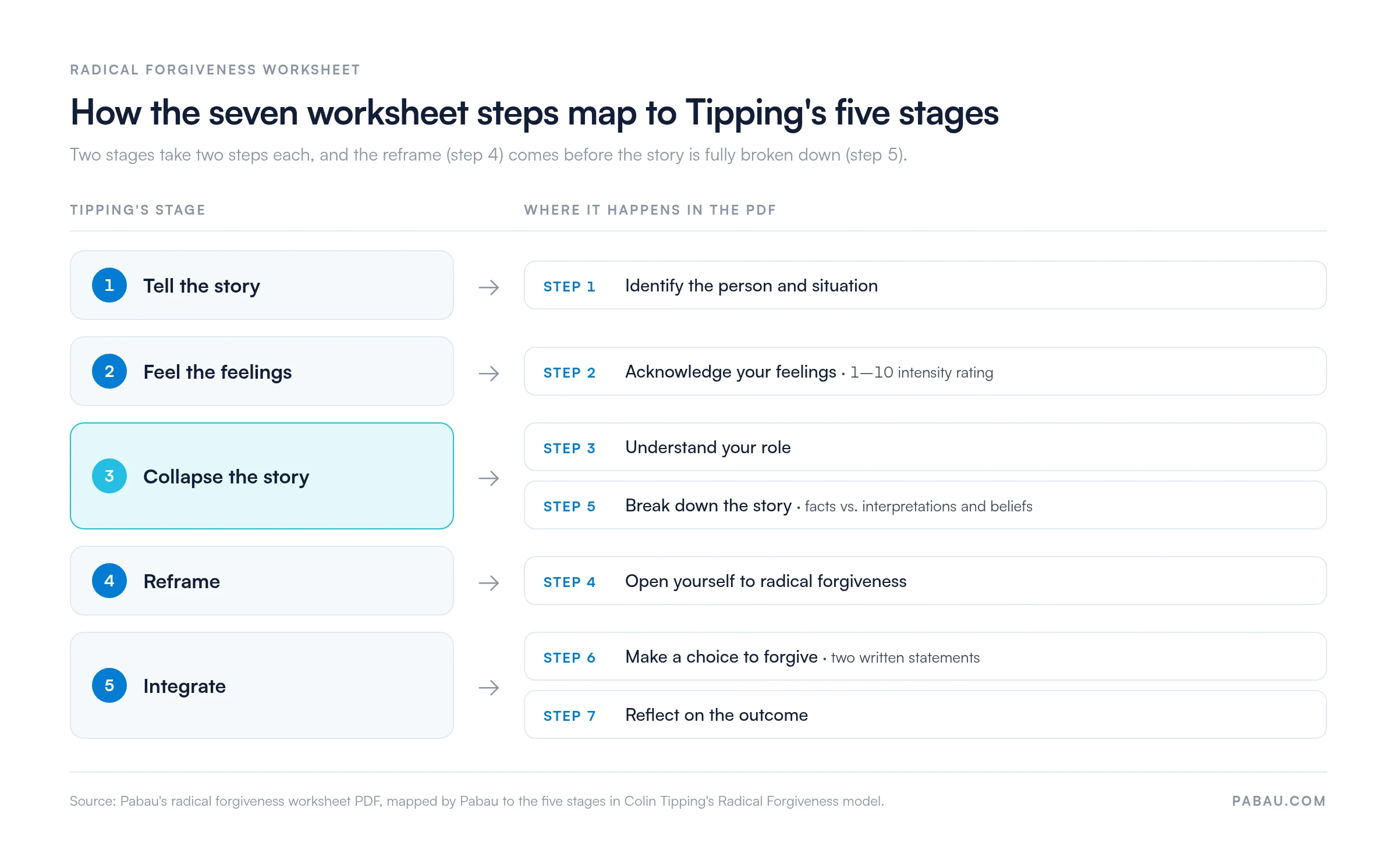
Tipping set out five stages: tell the story, feel the feelings, collapse the story, reframe, and integrate. The model comes from self-help and hasn’t been tested in peer-reviewed clinical trials. Treat the worksheet as an adjunct inside a broader therapeutic relationship, and keep your core treatment plan evidence-based.
The PDF splits two of Tipping’s stages across two steps each, and it asks for the reframe before the story is fully broken down. The map below shows which step does which job.
Some patients struggle to separate what happened from the interpretations they built on top of it. A checking the facts worksheet gives that separation a step-by-step structure when the story proves hard to collapse.
Introduce it once rapport is in place and the patient has worked through the most acute pain, but still circles back to resentment. For many practitioners, that’s after two or three sessions.
Frame it as an invitation rather than an assignment: “This worksheet walks you through letting go of resentment one step at a time. Would you like to try it?”
It works in session or as homework between sessions. Sent as one of your digital intake forms, the answers arrive before the next appointment, so the debrief starts from what the patient wrote.
In the debrief, ask what came up, where they got stuck, and what surprised them. Those answers often surface deeper beliefs that need clinical attention, so note them in the patient record for continuity.
The worksheet suits adults working through relational wounds with a therapist, counselor, or coach. Common fits include patients dealing with:
Hold off, or adapt the approach, when the patient:
The worksheet isn’t a standalone trauma treatment, and it can surface distressing material. Whichever mental health EMR you use, agree a clear route for escalating any self-harm or suicidality response to prompt clinical review.
Practitioners who use the worksheet tend to describe the same handful of benefits. These are reported outcomes, not trial findings, so set expectations with patients accordingly. a
Patients who find the reframe productive sometimes want to carry that narrative work further. A structured life narrative template extends the same meaning-making across their formative experiences.
When the target is the patient’s own guilt, shame, or self-blame, these exercises reinforce the self-forgiveness statement in step 6. For a dedicated tool, our shame and guilt worksheet works through the same ground in more depth.
Assign one exercise at a time, in session or as homework. At the next session, ask which ones helped and build on those.
Paper worksheets tend to go missing between sessions, and follow-ups depend on someone remembering to send them. Practice management software like Pabau, built for easier therapy practice management, keeps the worksheet, the answers, and the follow-up in one place.
Send the worksheet as a digital form before or after a session. The patient fills it in on their phone, and the answers land in their record ahead of the debrief.
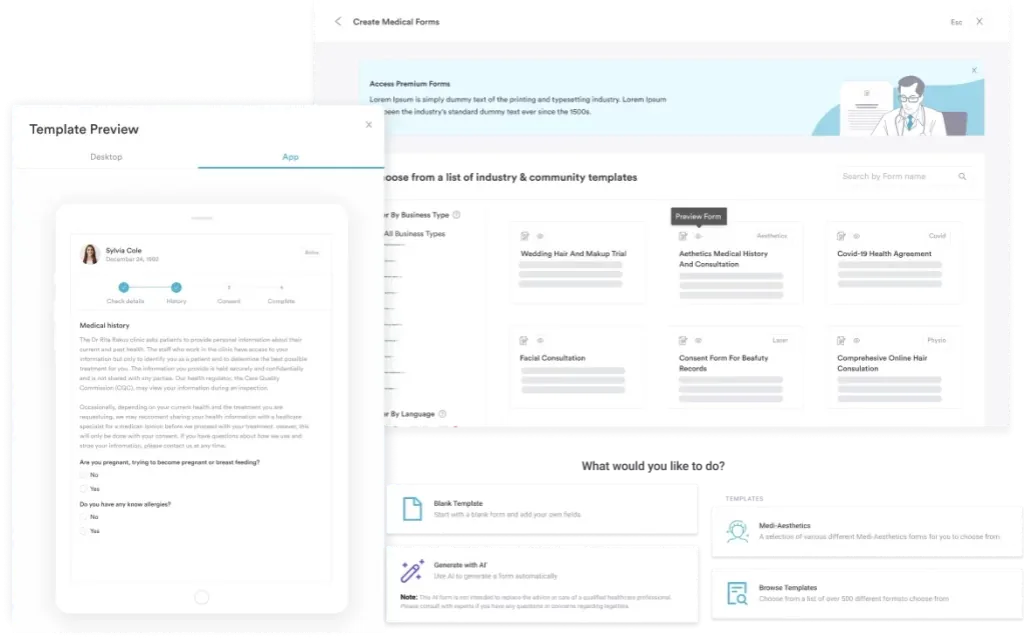
Completed worksheets are stored in Client records, next to your session notes. Comparing a patient’s step 2 intensity score with their step 7 reflection a few weeks later shows whether the work is holding.
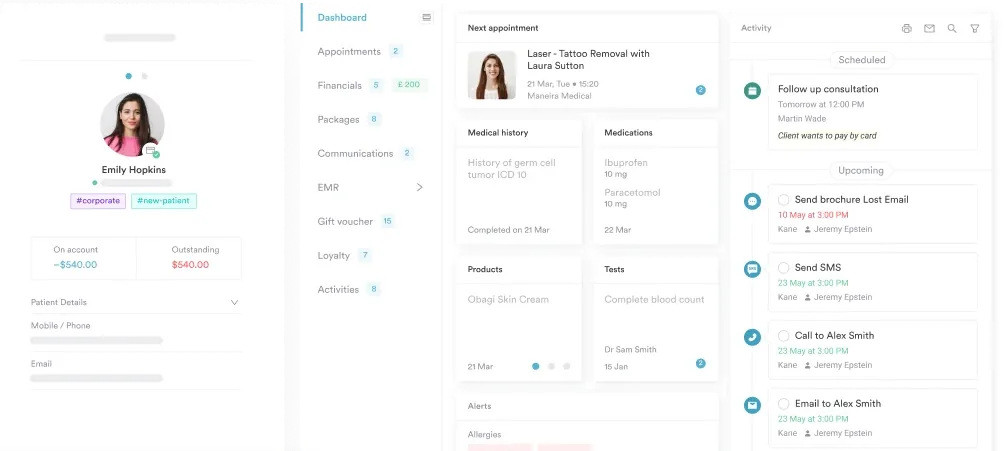
Automated reminders nudge a patient who hasn’t finished their homework, or send the next self-forgiveness exercise a few days after the session. Your team stops chasing paperwork by hand, and the patient arrives ready to talk.
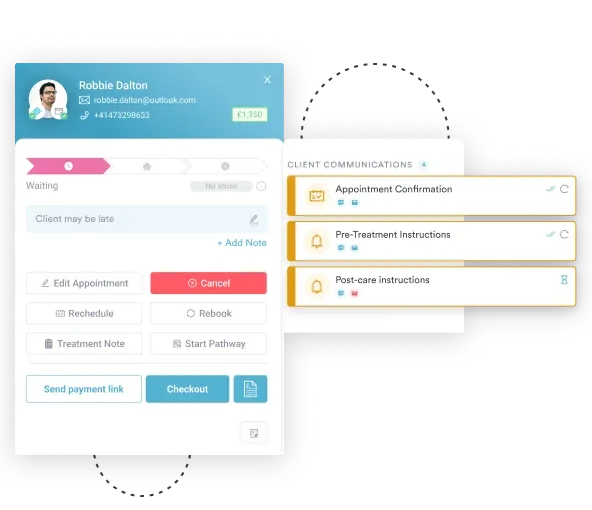
Every Pabau subscription includes digital forms, records, and automated communications. Structured onboarding gets your worksheet templates and reminder schedules set up properly from day one.

Pabau delivers therapy worksheets as digital forms, stores completed answers in the patient record, and sends reminders so homework gets done between sessions.

Radical forgiveness earns its place with patients who’ve done the early work on a hurt but keep returning to the same resentment. At that point, the seven steps give them a structured way to finally put it down.
The trade-off is the spiritual framing. It lands well with some patients and poorly with others, and there’s no trial evidence behind it. Check fit before you assign it, and keep it inside your wider treatment plan.
Start with one patient who matches that profile, and debrief step 7 together. Book a demo to see how Pabau sends worksheets, stores the answers, and handles follow-ups for your therapy practice.

Want a second exercise for releasing resentment? Letting go of resentment worksheet walks patients through a three-part release process.
Need to see every grudge a patient is carrying? Resentment inventory helps patients list their resentments before you choose one to work on.
Looking for a script for the loving-kindness exercise? Loving-kindness meditation scripts give you ready-to-read wording for in-session practice.
Working with a patient’s self-blame? Self-compassion meditation script offers three versions you can adapt to the patient in front of you.
Is the patient fighting something they can’t change? Radical acceptance worksheet helps them stop resisting a situation before forgiveness work begins.
Radical forgiveness is Colin Tipping’s method for releasing a grievance by reframing the event as part of a larger pattern or a chance to grow. It focuses on the person’s own relationship to what happened, not on excusing the other person.
The patient works through seven written steps. They name the person and situation, acknowledge and rate their feelings, and consider their own role. Then they open up to a reframe, break down the story, write two forgiveness statements, and reflect on the outcome.
Colin Tipping developed Radical Forgiveness in the 1990s and set out its five stages in his book of the same name. The approach comes from self-help and spiritual practice, not clinical research.
Yes. Therapists, counselors, and coaches use it as an adjunct to grief, trauma, and relationship work. It isn’t a standalone treatment, and it works best inside an established therapeutic relationship.
Yes. You can download our free radical forgiveness worksheet PDF above. Print it, hand it to patients in session, or send it digitally through your practice management software.
Traditional forgiveness focuses on the other person, usually by excusing them or letting go of anger toward them. Radical forgiveness reframes the whole event and asks, “What if this happened for me?” It’s more about the patient’s own growth than about the other person.