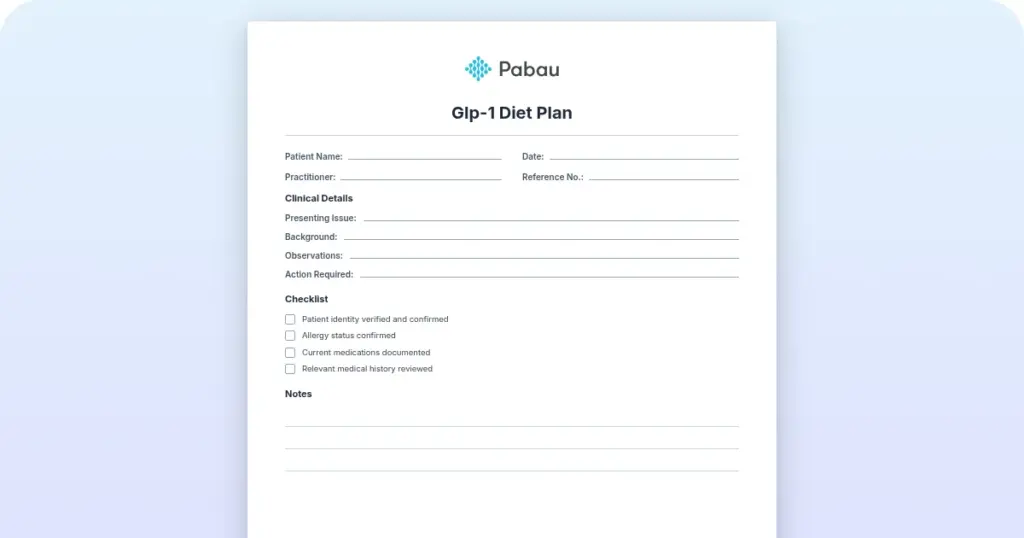
GLP-1 diet plan
A GLP-1 diet plan is a structured eating framework for patients taking semagluti...

2
Last Updated: Oct 13, 2026

A medication review is a structured check of every medicine a patient takes, covering safety, dose, and adherence.
The framework NICE points to sets out three types of review: prescription review, concordance review, and clinical medication review.
An NHS structured medication review is a Level 3 clinical review, delivered by a clinical pharmacist in primary care.
Patients on five or more medicines, older adults, and recently discharged patients gain the most from a yearly review.
Practice management software like Pabau keeps the form, the findings, and the recall date in one patient record.
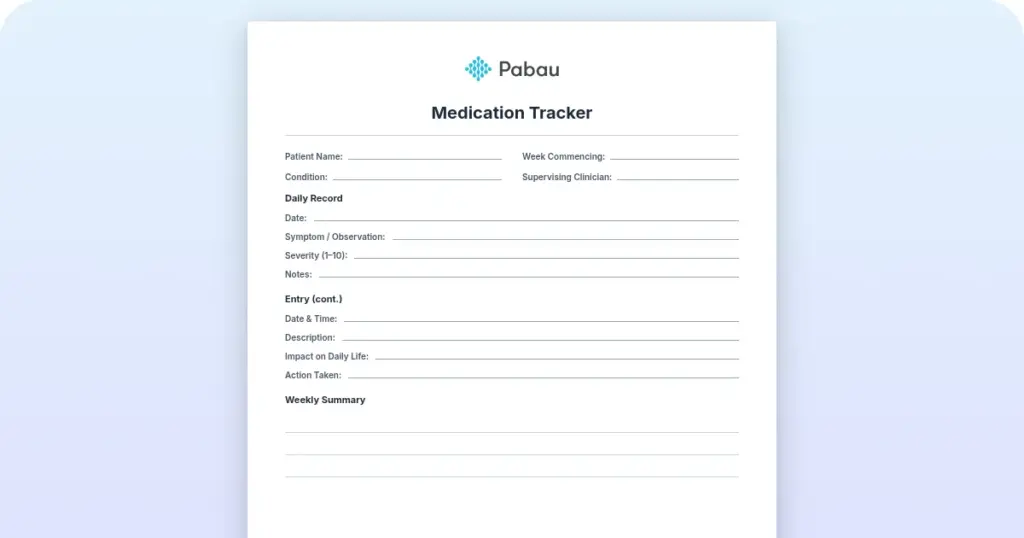
A printable clinical form with space for the current medicine list, indications and side effects, concerns raised, and your assessment of the regimen. It also covers agreed adjustments, further testing, patient education, and the follow-up plan.
Download templateAsk a patient to bring in every medicine they take and you rarely get a tidy list. You get a carrier bag. Expired boxes sit next to two versions of the same drug.
That bag shows the distance between the repeat prescription screen and what someone swallows each morning. Closing it is the whole point of a medication review, a structured check of every medicine for safety, dose, and adherence.
Get it right and you catch the duplicate therapy. You also catch the dose that no longer suits failing kidneys, and the tablet the patient quietly stopped in March.
A medication review is a protected consultation where a clinician works through every medicine a patient takes, one at a time. The aim is medicines optimization, which simply means every drug still has to earn its place on the list.
Clicking through a repeat prescription cannot do that work. A booked review gives you time to:
That effort shows up in admissions data. Medication-related harm sits behind an estimated 5% to 10% of UK emergency presentations, and much of it is avoidable. Reviews also keep prescribing in line with current guidance, which matters when someone audits the record later.
The National Prescribing Centre framework, referenced in NICE’s medicines optimization guidance, sorts reviews into three types. What separates them is how deep you go, and whether the patient is in the room.
NHS England’s structured medication review, or SMR, sits at Level 3. Clinical pharmacists deliver it inside primary care networks, face to face, for patients on several long-term medicines.
That depth is what lets an SMR pick up complex interactions and adherence problems a Level 1 check would never surface.
Not everyone needs a formal review every year. These groups do:
Beyond those groups, prioritize anyone on a high-risk medicine such as an anticoagulant, an NSAID, or an ACE inhibitor. NHS England’s SMR guidance sets out the full eligibility criteria.
The workflow below maps onto the template section by section, so the form fills itself as you move through it.
Step two is where most reviews fall over. If the patient arrives without their boxes, you are reviewing the repeat screen rather than their medicines. A phone call the day before fixes that far more reliably than a letter.
A complete record holds the clinical detail and the audit trail in one place. Capture all of the following:
The free form above covers the clinical sections. Demographics, the interaction check, and the audit trail come from your own record system, so the two work together rather than duplicating each other.
Run these nine checks before you close the record. They take a couple of minutes and catch most of what a later audit would flag.
Once a year for most patients on long-term medicines, and sooner after any change. Annual reviews suit patients over 65, anyone on five or more medicines, and anyone taking a high-risk drug.
After a dose change or a new prescription, bring the next contact forward to somewhere between 4 and 12 weeks. The point is to see whether the change did what you hoped before it becomes permanent.
Honestly, the recall is harder than the review. GP practice software that flags the due cohort and sends the invite keeps the list moving. Otherwise someone ends up auditing it by hand each quarter.
The same discipline applies well outside primary care. HRT clinics review at three months and then yearly, while weight management services check dose and tolerance far more often than that.
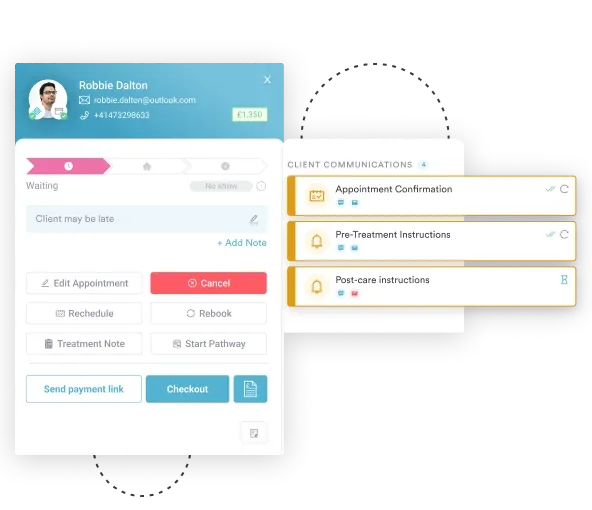
Five or more regular medicines is the point at which risk starts to compound. Every extra drug adds interaction risk, side effect burden, and one more thing for the patient to remember at breakfast.
NICE prioritizes these patients for review, especially where the list carries a high-risk medicine. Those medicines bring their own monitoring:
Write it so another clinician can open the record in six months and see what you decided, and why. That single test covers most of what governance and audit ask for.
For NHS SMR reporting, structured data goes to the local primary care network portal. A consistent medical notes template keeps the review beside the rest of the record, which is what makes that export straightforward.
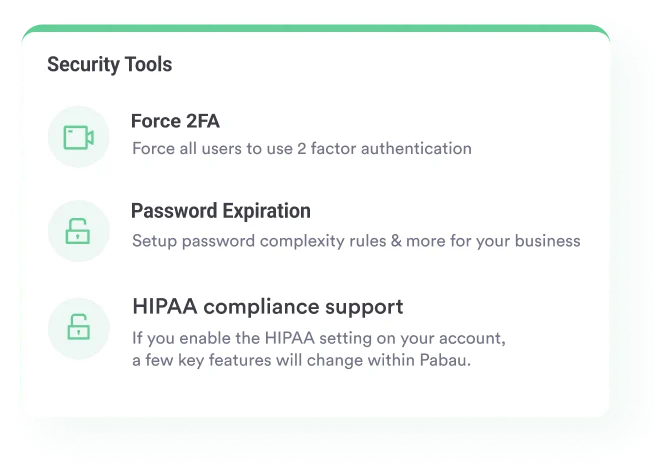
In a lot of practices this process runs across three systems. The recall list sits in a spreadsheet, the form is a Word document, and the findings get typed into the record afterwards from handwritten notes.
Practice management software like Pabau holds all three in one place. Digital forms capture the medicine list, side effects, and adherence answers straight into the patient record, so nothing gets retyped. Automated workflows handle the recall and the invite.
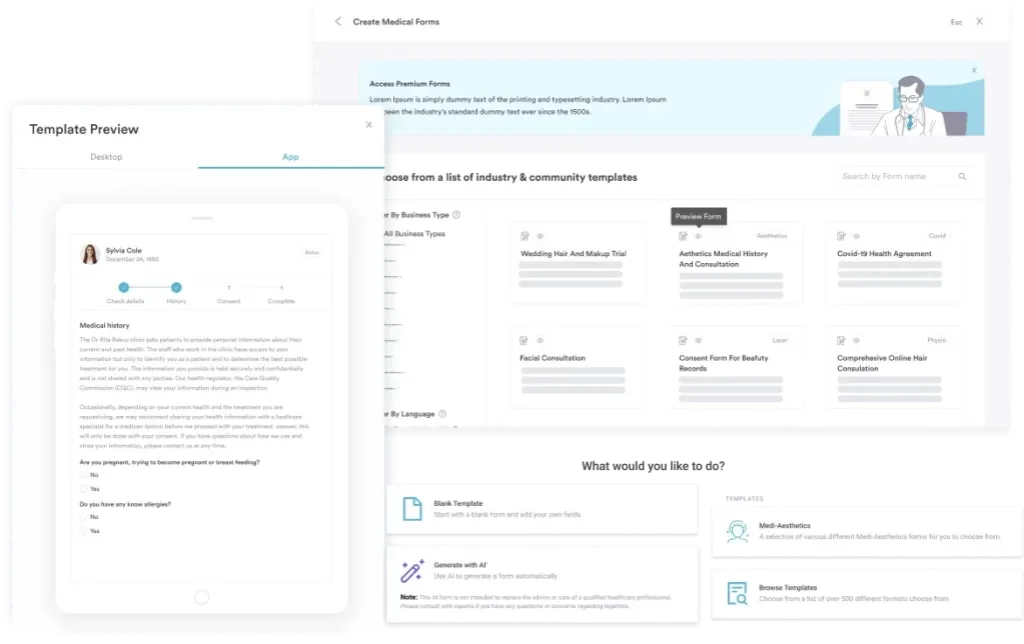
Pabau Scribe, our AI scribe, turns the consultation into a structured note while you talk. The write-up is finished before the patient reaches the door.
What you get from that is a higher completion rate and a record that survives an audit. Every entry is timestamped, attributed, and locked, and the reporting tools show you who is still waiting on a review.

Pabau keeps the recall list, the review form, and the follow-up date in one patient record. Your team spends the appointment on the medicines, not on retyping notes afterwards.

The form is the easy part. What decides whether reviews work is whether the recall list keeps moving, and whether the next clinician can read what you decided.
So start with the recall rather than the paperwork. Pick one cohort, patients on five or more medicines, and get them booked in. The checklist holds up perfectly well once the appointments exist.
Keeping that whole loop in one system is what makes it sustainable past the first month. Book a demo to see how Pabau handles the recall, the form, and the audit trail for medication reviews.

Considering starting a private GP practice? Starting a private GP practice walks through the shift from NHS employment to running your own practice.
Assessing a patient’s pressure ulcer risk? Norton Scale is the gold-standard clinical tool for identifying patients at risk of pressure ulcers before they occur.
Preparing for a CQC inspection? CQC inspection checklist covers 15 steps from quality statements to your two-week countdown to inspection day.
Need a standard way to log vitals? Vital sign sheets let practitioners track key physiological measurements over time to support patient safety.
Need to track troponin levels? Heart attack troponin levels chart gives normal ranges for Troponin I, T, and high-sensitivity assays to track results.
Reconciliation compares two lists. You check what was prescribed at a transfer of care against what the patient is taking, then resolve the differences. A review goes further and asks whether each medicine should still be there at all. Reconciliation usually happens at admission or discharge, while reviews are booked in primary care.
UK primary care records run on SNOMED CT, not ICD-10. You code the encounter with the relevant SNOMED concept for a medication review, then record the findings and agreed changes as structured entries. ICD-10-CM codes belong to US billing and do not apply here. Check your own system’s coding list, since concept selection varies by supplier.
Book it 2 to 4 weeks after discharge and start with the discharge summary. Compare it line by line against the repeat list, because hospital changes often fail to reach the practice record. Look for drugs stopped in hospital that are still on repeat, and new drugs the patient has not collected.
Stop a medicine when the reason for starting it has passed, or when the harm now outweighs the benefit. Patient preference counts too. Reduce one drug at a time so you can attribute any change. Write the reason in the record and set a date to check how the patient did without it.
Record the conversation and leave the medicine in place. A review is a shared decision, so a refusal is a valid outcome as long as you documented the risk you explained. Note what would make the patient reconsider, then revisit it at the next appointment rather than reopening it that day.