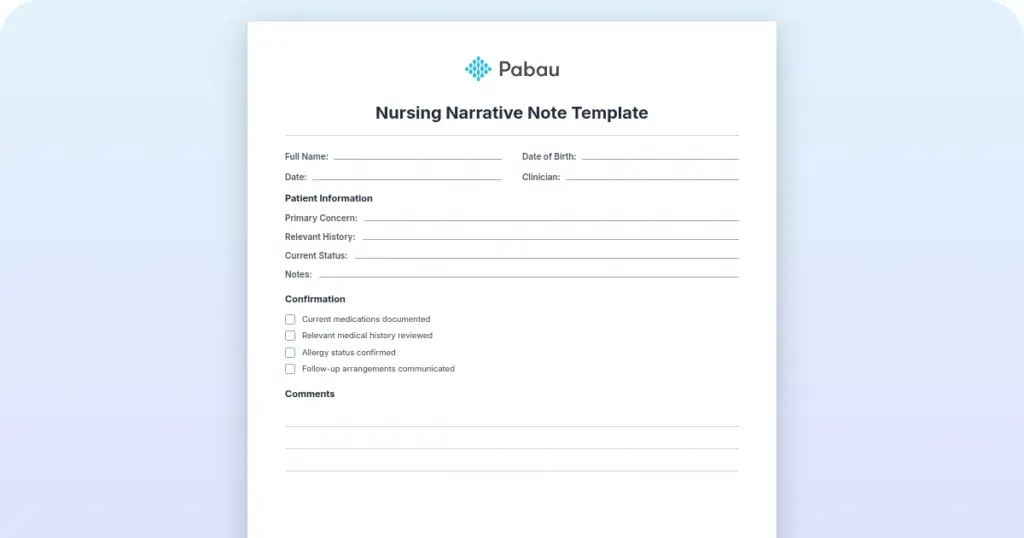
Nursing narrative note template
A nursing narrative note template is a structured PDF that guides you through re...

3
Last Updated: Oct 21, 2026

A dental clearance form is a medical document that confirms a patient is safe for dental treatment. It bridges communication between physicians and dentists before procedures.
Clearance is typically required before cardiac surgery, for patients on anticoagulation therapy, or for those taking bisphosphonates or denosumab (Prolia). It’s also required for those with uncontrolled diabetes or valvular disease.
The form must include patient demographics, medical conditions, current medications, procedure type, clearance decision (yes/no), antibiotic prophylaxis recommendation, and physician signature and date.
Practice management software like Pabau can store and reference a patient’s clearance status directly in their digital record, without manual data entry.
A ready-to-use clearance form covering patient information, medical history, medications, dental procedure type, active infection assessment, antibiotic prophylaxis recommendation, special precautions, and physician signature block.
Download templateA dental clearance form is one of the most important documents in healthcare workflows that bridge dental and medical decision-making.
Whether you run a dental practice, oral surgery practice. Their physician must confirm they’re medically safe for dental treatment before you proceed.
This guide covers what a dental clearance form is, when you need one, and what fields it must include. It also covers how to use the form effectively in your practice.
The free, printable template below names the procedure-specific criteria a physician needs. It goes beyond the blank fields in a generic medical clearance form for dental treatment.
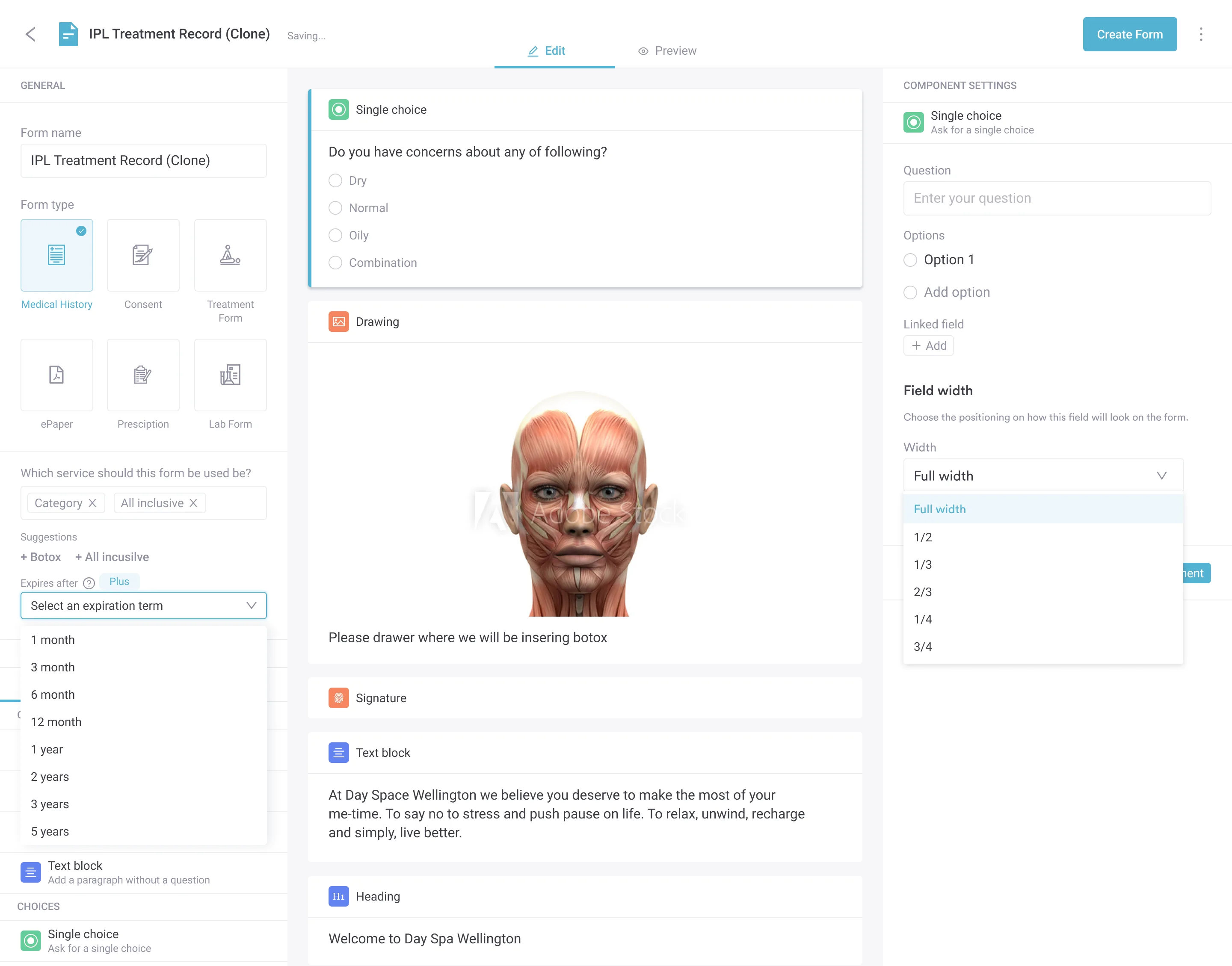
A dental clearance form is a medical document completed by a patient’s physician to communicate that the patient is cleared for dental treatment or procedures. The physician evaluates the patient’s current medical conditions, medications, and overall health status, then confirms in writing whether dental treatment can safely proceed.
The form serves as a liability protection tool for both dentists and physicians. It documents that the prescribing physician has reviewed the planned dental procedure and confirmed it’s medically appropriate given the patient’s health profile. Without this documented clearance, dentists working with medically complex patients carry clinical and legal risk.
The form also ensures coordination between healthcare providers. If the physician identifies a medication interaction, an active infection, or a contraindication, that information flows back to the dental team before work begins.
For practices managing patient records, the dental clearance form is a critical component of the patient file. It’s referenced during treatment planning, included in compliance audits, and part of your documentation trail if questions arise about safety or appropriate care.
Dentists and practice managers who use digital patient records can store the clearance form directly in the patient’s file. It’s instantly visible at every appointment, with no hunting through paper stacks or separate filing systems.
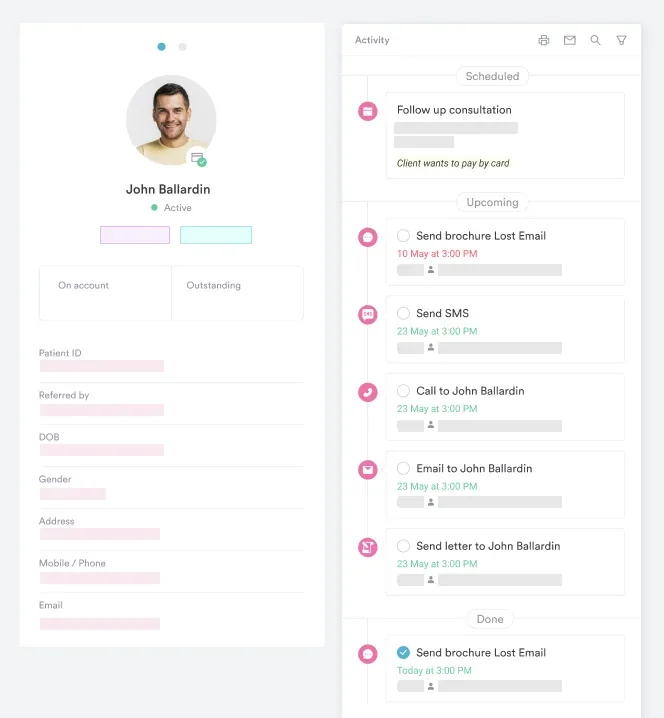
Dental clearance isn’t required for every patient. It’s only needed for those with specific medical conditions or risk factors that make dental procedures higher risk. Understanding when clearance is needed helps you flag the right patients during intake.
In practice, the safest approach is to request clearance proactively from any patient with chronic medical conditions or complex medication regimens.
This applies whether it’s dental clearance for heart surgery, an organ transplant, or a course of chemotherapy. Sending the physician a free, printable dental clearance form keeps the request specific and easy to act on.
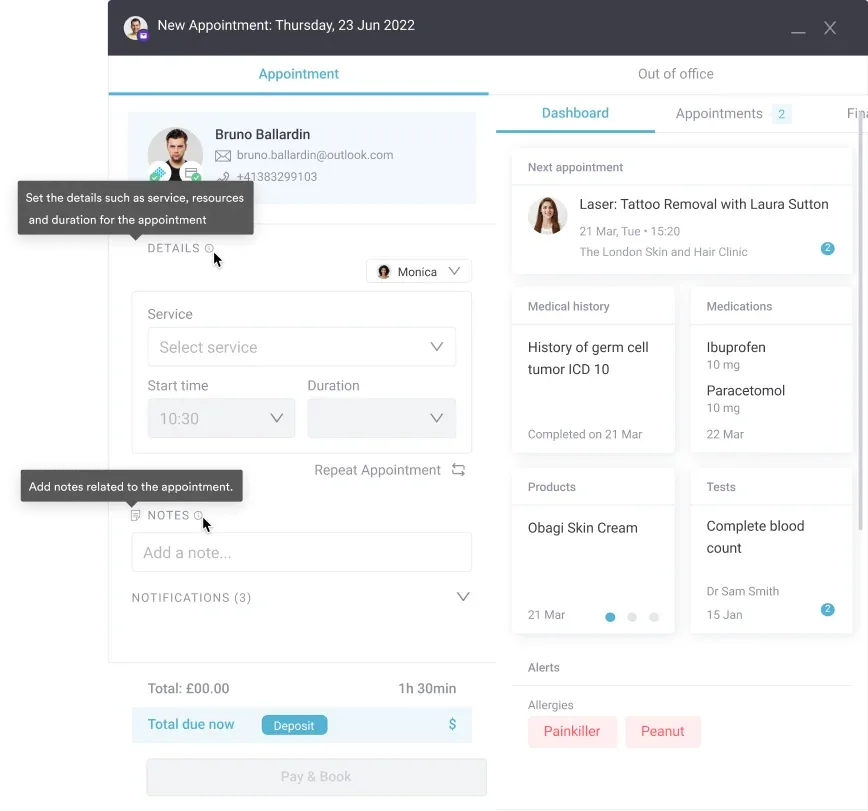
A complete dental clearance form includes specific sections that capture all the information physicians need to make a clearance decision. This template structure reflects widely recognized clinical documentation standards for medical-dental coordination.
This structure ensures you have the information needed to proceed safely. A form missing any of these fields leaves the physician without enough context to make a sound clearance decision. It also weakens your ability to manage compliance risk.
A generic dental clearance form that’s just blank text fields leaves the physician guessing what’s relevant to this specific procedure. The table above spells out what each section is for, so completing it takes minutes, not a phone call to clarify.
Patients taking bisphosphonates (including newer agents like Prolia/denosumab) require special clearance consideration because these medications carry documented risk of medication-related osteonecrosis of the jaw (MRONJ). This is a complication where the jawbone fails to heal after dental procedures, potentially requiring long-term treatment or surgical intervention.
Prolia (denosumab) is often overlooked because it isn’t technically a bisphosphonate. It’s a different drug class, but it carries the same jaw-healing risk, so a dental clearance form for Prolia follows the same MRONJ precautions.
The FDA lists MRONJ as a known risk for bisphosphonate therapy. Risk is higher with intravenous bisphosphonates used in oncology settings, but oral bisphosphonates and newer agents like denosumab also carry documented risk.
When a patient on bisphosphonates needs dental work, the physician may recommend a “drug holiday.” This means temporarily stopping the medication for weeks before and after the procedure. That gives the jawbone time to heal without the medication’s anti-bone-resorption effect suppressing healing.
Your dental clearance form must explicitly ask about bisphosphonate use and document whether the physician has advised a medication holiday. This protects both the patient and your practice by ensuring the decision is documented and coordinated.
Requesting clearance early is critical. Build clearance requests into your intake workflow at the booking or first appointment stage, not during treatment planning.
Practice management software like Pabau can flag clearance-required patients automatically and send requests to referring physicians, cutting out the manual follow-up work.
Many physician offices are unfamiliar with dental clearance forms. Include a brief cover letter with your form explaining why you need it. Try this wording: ‘We need medical clearance before we proceed with [specific procedure] due to [patient’s condition]. Please complete the enclosed form and return it by [date]. Thank you.’ This dramatically improves response rates and turnaround time.
Pabau streamlines dental clearance documentation by flagging clearance-required patients at intake, automating the request and follow-up, and storing the signed form in the patient record. That replaces the usual chase: noting a complex patient, drafting a fax or email, then checking back until the form arrives.
When a patient discloses a cardiac condition, anticoagulant use, or another risk factor at intake, staff can flag them directly in the patient’s digital record. That makes the need for clearance visible from the first appointment, rather than caught the week before a procedure.
Automated reminders can then prompt the front desk to send the clearance request and follow up if the physician’s office hasn’t responded.
Once the physician returns the signed form, it’s stored directly in the patient’s digital record instead of a separate paper file or shared drive. The clearance status, any precautions, and the physician’s contact details are visible to every clinician who opens the chart. That keeps clearance documentation part of the practice’s broader patient care management workflows.

Pabau’s digital forms and patient records flag clearance-required patients at intake, then send and track clearance requests automatically. The signed form is stored directly in the patient file. That keeps documentation visible and reduces the risk of treating a patient before clearance is confirmed.

A dental clearance form only works if it’s requested early enough for the physician to complete it before treatment. Practices that wait until the day of the appointment end up rescheduling procedures, or treating patients without the documentation that protects everyone involved.
The fix is straightforward. Build clearance requests into intake rather than treatment planning, and store the signed form where every clinician can see it at a glance. That small shift in timing is what separates a smooth referral loop between physician and dentist from a scramble on the morning of the appointment.
Book a demo to see how Pabau’s digital forms and patient records keep clearance requests, physician responses, and documentation status organized in one place.

Need the intake form before the clearance conversation even starts? Dental medical history form captures the conditions and medications that determine whether a patient needs clearance in the first place.
Want a structured way to capture the symptom history a physician will review? Nursing review of systems gives a body-system checklist that feeds directly into the clearance conversation.
Want a fuller picture of a patient’s risk factors at intake? Family medical history form flags hereditary conditions that can affect treatment planning.
Need documentation for a patient’s employer instead of another provider? Doctor’s note for work covers the fields a workplace requires.
Making it easier for patients to reach your practice? Contact form template captures patient details, contact preferences, and appointment request information.
The patient’s physician (the doctor who knows the patient’s medical history) completes and signs the form. The dentist or dental office initiates the request and sends the form to the physician’s office. The patient may deliver it or you may fax or email it directly.
Clearance validity depends on the patient’s condition and the physician’s determination. If the form doesn’t specify an expiration date, assume 12 months. For patients with active cancer, recent cardiac events, or rapidly changing medications, re-request clearance more frequently. Always ask the physician: “How long is this clearance valid?”
No. A clearance form is a structured document with checkboxes and blank fields that the physician completes quickly. A clearance letter is narrative prose written by the physician explaining the patient’s condition and clearance rationale. Both serve the same purpose. Use whichever your physician prefers.
No. According to the American Heart Association, antibiotic prophylaxis is required ONLY for specific high-risk cardiac conditions (prosthetic valves, history of endocarditis, complex cyanotic heart disease). Most patients with cardiac conditions do not require prophylaxis. The clearance form explicitly documents whether it’s needed for each patient.
Coordinate with the prescribing physician about a medication holiday. This means temporarily stopping bisphosphonates before and after the extraction to reduce MRONJ risk. Timing varies based on the specific medication and patient factors. The clearance form documents whether this approach is appropriate for that patient.
No. If clearance is indicated and not obtained, you assume clinical and legal liability. Postpone elective procedures. For emergencies (pain, infection), document the clinical urgency in the patient record and contact the physician for verbal clearance, followed by a written form later. Never skip clearance documentation.
No. The American Dental Association doesn’t publish one mandatory clearance form. Practices generally use a hospital, specialist, or generic dental clearance form instead. What matters is that the form covers patient information, medical history, medications, and a clear clearance decision, not which organization issued it.
Yes. A pediatric dental clearance form adds fields a standard form doesn’t need, such as growth and development history, vaccination status, and guardian consent alongside the physician’s signature. The underlying clearance decision works the same way, but the physician needs the child’s fuller developmental picture to make it.
Yes. A military dental clearance form ties into service-specific readiness and deployment requirements, not just a single procedure. Military dental offices typically use their own standardized version rather than a generic dental clearance form. Check with the specific branch or facility before substituting a civilian template.