Nitrates medication list
A nitrates medication list is a point-of-care reference that sets out the main c...

1
Last Updated: Oct 6, 2026
A nerve medication list is a structured clinical reference that sorts medications for neuropathic pain into first-line, second-line, and third-line options. First-line means the gabapentinoids, the SNRIs, and the tricyclic antidepressants.
Topical patches and tramadol come next, and strong opioids sit last. Each entry carries a dosing range, the contraindications that rule it out, and what to monitor.
Prescribers move down a tier when relief is inadequate after 4 to 6 weeks, or when side effects become intolerable. Pain type, patient age, comorbidities, and prior response all steer the choice within a tier. This guide works through all three tiers, and the template below gives you the same list as a printable reference.
Every agent in this guide on one sheet, grouped by treatment tier. Each entry carries the typical adult dosing range, the side effect profile, and the monitoring checkpoints it needs. There is space to record the agents a patient has already trialed and the response to each.
Download template
A nerve medication list groups first-line agents (gabapentinoids, SNRIs, tricyclics), second-line options (topical patches, tramadol), and third-line opioids by evidence and safety.
Gabapentin and pregabalin are the first-line anticonvulsants, and duloxetine and amitriptyline are the first-line antidepressants. Of those four, only pregabalin and duloxetine hold FDA approval for a neuropathic pain indication.
Topical lidocaine and the capsaicin 8% patch work as second-line options with little systemic exposure, which suits pain confined to one area.
Opioids are held back to third-line because of addiction and overdose risk. CDC and NICE guidance both put non-opioid options first.
Neuropathic pain comes from damaged or dysfunctional nerves, and it responds differently to standard analgesics than inflammatory or acute pain does.
A nerve medication list gives prescribers an evidence-based reference for matching a drug class to the patient’s condition, dosing range, and safety profile. Tiering the list is what makes it useful in a busy practice. It settles the order of attempts in advance, so treatment is consistent between prescribers and opioid exposure stays low.
According to peer-reviewed treatment evidence published by the NIH, first-line pharmacological treatment for neuropathic pain covers gabapentinoids, SNRIs, and tricyclic antidepressants.
The three tiers below set out every agent in this guide and the dose range each one runs across. They also mark the point at which a patient moves down a tier.
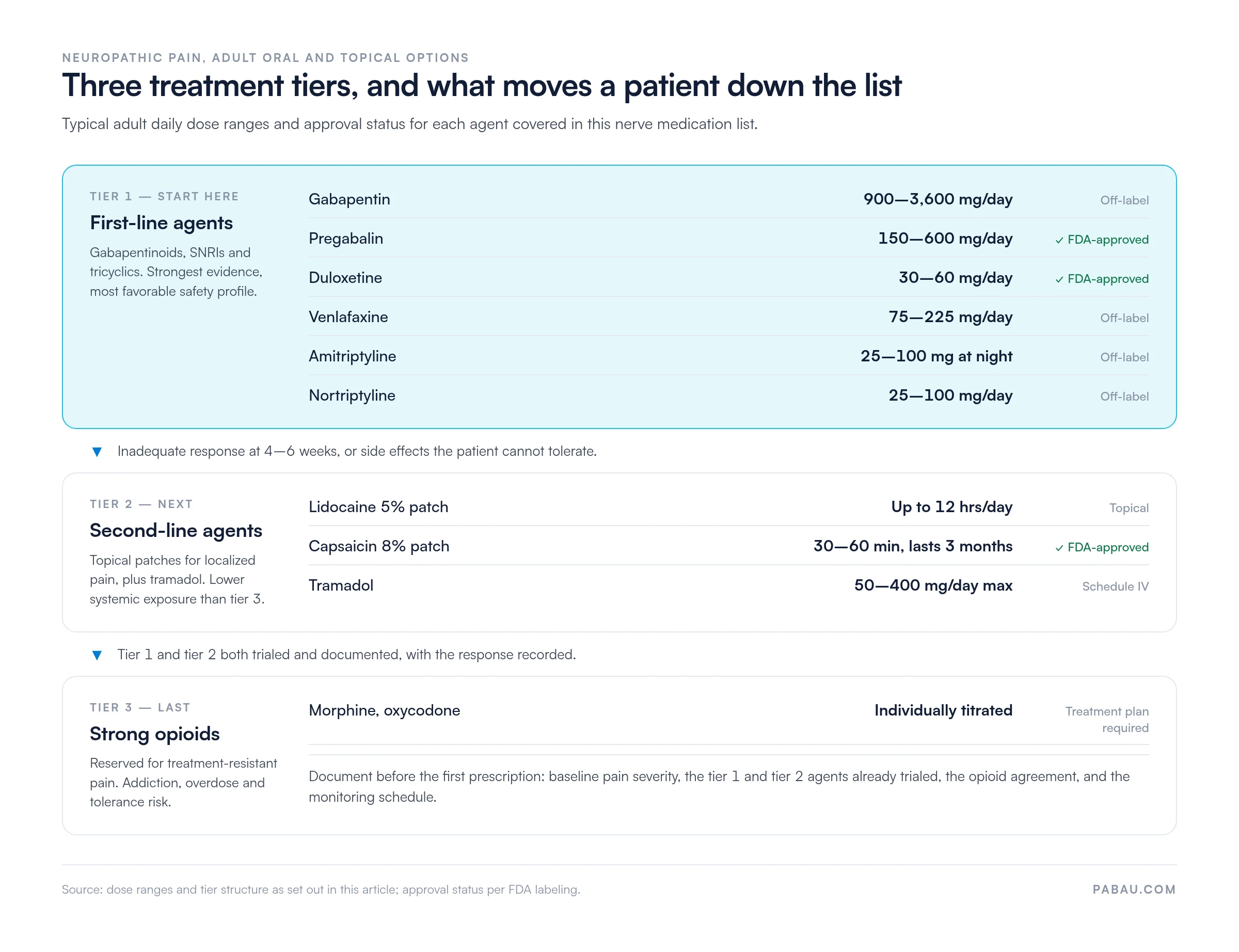
First-line agents are recommended as initial pharmacotherapy for most types of neuropathic pain, on the strength of the evidence and their safety profiles. They fall into three drug classes: anticonvulsants (the gabapentinoids), serotonin-norepinephrine reuptake inhibitors (SNRIs), and tricyclic antidepressants (TCAs).
Gabapentin (brand: Neurontin) and pregabalin (brand: Lyrica) are anticonvulsants that reduce abnormal nerve firing. Pregabalin carries FDA approval for diabetic peripheral neuropathy, postherpetic neuralgia, and fibromyalgia pain. Gabapentin is prescribed off-label for neuropathic pain across a range of conditions.
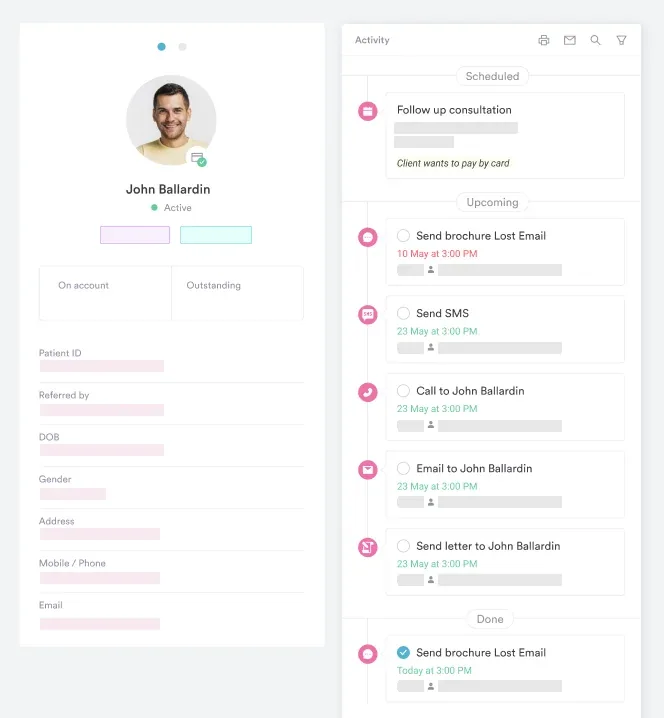
Both agents need a dose adjustment when creatinine clearance drops, so record baseline renal function alongside the prescription. Storing that value in the patient records system keeps it in front of whoever reviews the dose next, which matters most in older patients.
Amitriptyline and nortriptyline enhance serotonin and norepinephrine signaling, which dampens pain signal transmission. Both carry strong evidence for neuropathic pain, and both are prescribed off-label for it.
Safety note: amitriptyline brings anticholinergic side effects such as urinary retention, constipation, and confusion, plus a raised fall risk in older adults. Nortriptyline is often the safer tricyclic for patients aged 65 and over.
Duloxetine (brand: Cymbalta) is FDA-approved for diabetic peripheral neuropathic pain. Venlafaxine (brand: Effexor) is used off-label. Both raise norepinephrine and serotonin availability.
Second-line treatment covers topical patches, tramadol, and combination therapy. Reach for it when first-line monotherapy gives inadequate relief, or when the side effects are more than the patient will accept.
Tramadol is a Schedule IV opioid-like agent with serotonin-norepinephrine reuptake activity. The typical dose is 50-100 mg up to four times daily, capped at 400 mg/day. Side effects include dizziness, nausea, and a seizure risk at high doses or alongside an SSRI.
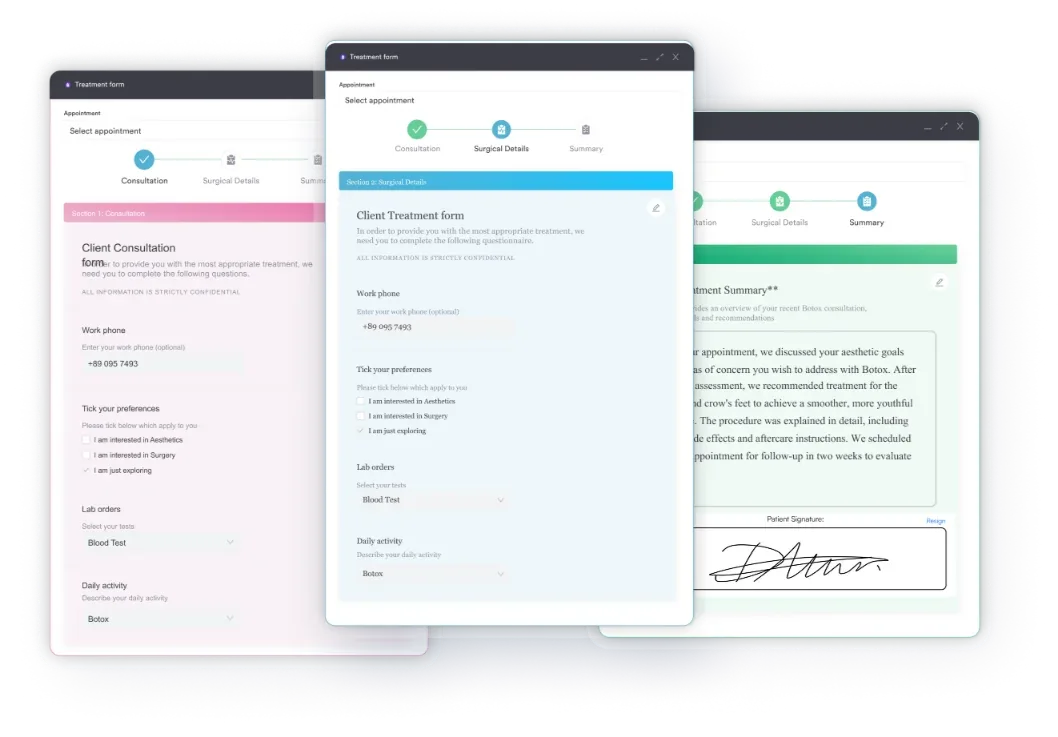
Topical agents deliver the drug straight to the affected skin, which keeps systemic exposure low. Whether a patch will help depends on how tightly the pain is confined. Capture location and distribution on the intake forms for prescribers before the consultation starts.
Strong opioids such as morphine and oxycodone are held back for patients whose first- and second-line trials have failed or caused unacceptable side effects. CDC prescribing guidance puts non-opioid therapies first, citing addiction, overdose, and tolerance risk.
Before writing the first opioid prescription, document a clear treatment plan. It should record baseline pain severity and the first- and second-line agents already trialed. Add the opioid agreement signed with the patient, plus the monitoring schedule you have set.
Older adults metabolize these drugs differently, clear them more slowly through the kidneys and liver, and face higher rates of interactions and falls. Dose reduction and closer monitoring are the two adjustments that matter most.
Every agent on the list needs a baseline assessment and a monitoring plan. The side effects cluster into CNS effects such as dizziness and drowsiness, gastrointestinal symptoms, and metabolic changes. Record each reaction as it comes up. An adverse reaction form filed against the patient record is what justifies the switch to the next agent.
Medication on its own rarely settles neuropathic pain. Physical therapy, graded exercise, cognitive behavioral therapy, acupuncture, and transcutaneous electrical nerve stimulation (TENS) all have evidence behind them as adjuncts. Pairing pharmacotherapy with these interventions gives better pain control and better function than either route alone.
A structured list earns its keep once it is wired into the way the practice already works. Automated workflow reminders can prompt a prescriber to review efficacy at a set interval, so follow-up happens on schedule rather than when someone remembers. Keep the list itself in the patient record, where each prescribing decision stays documented and auditable.
Set the protocol once and hold every prescriber to it. A new diagnosis starts on first-line monotherapy. Escalation follows at 4 to 6 weeks where the response is inadequate. Third line stays reserved for treatment-resistant pain.
A medication log template alongside it records what the patient took and what happened. That record turns a switch into an informed decision rather than a fresh guess.
Regulatory compliance: NICE clinical guideline CG173 sets the UK standard for neuropathic pain management. US prescribers work from FDA-approved prescribing information on DailyMed for drug-specific indications and dosing. Check the current guidance for your region before you prescribe.
In most practices the medication list lives somewhere other than the record it describes. It sits in a shared drive, a printed folder, or a prescriber’s own notes. The version a colleague opens is rarely the one that was last corrected.
Practice management software like Pabau closes that distance. The list, the intake answers behind the prescription, and the treatment notes all sit on the same patient record. A prescriber covering a colleague’s patient sees what was tried and what it did.
Digital forms capture current medications and allergies before the consultation, and automated reminders bring the patient back for review at the interval your protocol sets.
The payoff is a practice where escalation follows the protocol every time. Each trial is dated, and each side effect is recorded against the agent that caused it. The next prescriber starts from evidence rather than from memory.

Pabau holds the medication list, the intake answers, and the treatment notes on one patient record. It prompts the review at the interval your protocol sets. Prescribers see what was already trialed before they change an agent.

The value of a tiered list is that it settles the argument before the appointment. Nobody has to decide mid-consultation whether this patient is ready for an opioid. The criteria were agreed in advance, and the trials behind them are on the record.
The trade-off is worth naming. A protocol that fixes the order of attempts will occasionally slow a patient down. Some would have done well on a second-line agent from the start. Weighed against inconsistent prescribing and avoidable opioid exposure, most practices take that deal.
Download the template, agree the escalation criteria with your prescribers, and set the review interval before the first patient is started on it. Book a demo to see how Pabau keeps that list, the trials behind it, and the review dates on one patient record.

Handing the patient a dosing schedule? The medication schedule template runs one sheet per medicine, with the checks to make before you hand it over.
Need to know what the patient actually took? The medication log template covers daily, weekly and PRN formats, plus the fields a practice log needs.
Documenting the exam behind the diagnosis? The neuro exam cheat sheet sets out the order to work through a bedside neurological assessment.
A topical lidocaine patch gives the fastest relief, numbing a localized area within about 30 minutes. Oral options such as pregabalin or gabapentin need 1-2 weeks to reach therapeutic levels. For sustained control, a first-line agent is more reliable than reaching for an opioid to get quick relief.
Nortriptyline and low-dose topical agents such as lidocaine and capsaicin are preferred in older adults. Pregabalin is safe with a dose adjustment for renal function. Avoid amitriptyline in patients aged 65 and over, because of its anticholinergic side effects and fall risk. Start low, titrate slowly, and monitor for interactions.
Yes. First-line gabapentinoids, SNRIs, and TCAs control most neuropathic pain. Topical agents, physical therapy, and TENS add further relief alongside them. Opioids only come into consideration at third-line, once first- and second-line options have failed or caused intolerable side effects.
Gabapentin and pregabalin reach a therapeutic effect in 1-2 weeks, with the full benefit over 4-6 weeks. Tricyclic antidepressants and SNRIs need 2-4 weeks at minimum. Topical agents act within 30 minutes to a few hours, depending on the formulation. Hold the titration steady, because escalating early tells you nothing about the dose you skipped.
Both are anticonvulsants used for neuropathic pain. Pregabalin is FDA-approved for specific indications, including diabetic neuropathy and postherpetic neuralgia, while gabapentin is used off-label. Pregabalin has more predictable pharmacokinetics and titrates faster. Gabapentin costs less. The choice turns on indication, cost, and how well the patient tolerates each one.