Laser tattoo removal aftercare instructions template
Download your free laser tattoo removal aftercare instructions template A ready-...

24
Last Updated: Sep 4, 2026

Laser hair removal aftercare instructions cover the first two hours, the 24 to 48 hour restriction window, and skincare through the first month.
The free download is a one-page, print-ready PDF with six aftercare sections and a patient confirmation signature line.
Heat, sun exposure, exfoliants, waxing, and plucking are the restrictions patients break most often in the first 48 hours.
Hair sheds one to three weeks after a session, so saying so on the handout prevents most worried phone calls.
Practice management software like Pabau can send the instructions by email or SMS and file the patient’s confirmation automatically.
A one-page, print-ready patient handout for GentleLase laser hair removal. It runs from immediately after treatment through the first month, then covers when to contact the practice and long-term care. A patient confirmation signature line closes the page.
Download templateAftercare shapes both the result a laser hair removal patient gets and the side effects they live with for the following week. Practices that hand over clear, consistent instructions field fewer worried calls. Advice given verbally in a rush at checkout rarely survives the drive home. Owners choosing the system behind that checkout can compare eight platforms in our ranking of the best medical spa software.
The template below is the handout to give a patient after a GentleLase session. It’s a single page you can print and hand over, or attach to a follow-up email. This article covers what’s inside it, how to use it, and the guidance worth building around it.
The download is a one-page PDF laid out for printing rather than typing into. Its header is fixed, so your practice details belong on the covering email or a printed cover sheet. Six aftercare sections and a signature line make up the page.
The file has no fillable fields, no side effects comparison table, and no patient FAQ. Those sit in this article instead. Print them alongside the handout if your patients want more detail than one page allows.
Staff hand the sheet over immediately after the session, ideally with an emailed or texted copy to follow. The printed page gives the patient something to check during the first 48 hours, when redness and worry both peak.
Any practice running laser hair removal on a GentleLase or comparable device can use the handout as it stands.
The clinical guidance is general to laser hair removal rather than device-specific. Check it against your manufacturer’s instructions for use, and against your medical director’s protocol, before you adopt it.
Digitizing treatment records starts with the right platform; this list of medical spa software options narrows the field.
Laser hair removal aftercare is what a patient does with the treated skin in the days after a session. It protects the area while it settles and keeps the course of treatment on track. Most of it is avoidance rather than action.
The laser heats the follicle, and the skin around it absorbs some of that energy. For a few days the area behaves like mildly sunburned skin. Heat, UV light, and active skincare products all push it further than it can take.
Two habits affect the result rather than the healing. Waxing, plucking, and threading remove the root that the next session needs to target. Skipping sunscreen raises the risk of pigment changes on skin that is still photosensitive.
For the practice, consistent aftercare is what keeps the week after a laser list quiet. Patients who know what to expect have far less to call about.
The handout covers the essentials in the patient’s own language. The detail below is the fuller version to teach your staff, and what to reach for when a patient asks a follow-up question.
The first two hours are when redness and swelling peak. Patients need concrete actions to manage the discomfort and avoid making it worse.
The 48-hour window is where aftercare focuses hardest on avoidance. Heat, UV exposure, and harsh products drive up side effects and can undercut the treatment. This is the part to emphasize at checkout.
After the acute 48-hour window, patients move to a gentler maintenance phase. The thing to flag before they leave is shedding, because nothing visible happens for a while and the wait worries people.
Shedding finishes during the first month, and the area needs the same gentle handling until the next appointment. This is also the stretch where patients decide whether the treatment is working, so set the expectation before they leave.
The interval and the session count both depend on the body area and the device protocol. Follow your manufacturer’s instructions for use and your medical director’s protocol wherever they differ from the general figures.
Telling an expected reaction apart from an adverse event is what turns a phone call into a decision. This comparison is not on the printed handout, so keep it at the front desk or in your triage script.
Aftercare needs small adjustments by area, because different body zones differ in sweat, friction, and sun exposure.
The handout tells patients to contact their provider immediately, but it carries no phone number. Its header is fixed, so the route back to you has to come from somewhere else. Decide what that is before you start handing the page out.
When a call does come in, work down the warning signs listed above and write down what the patient describes. A short note on the record turns a phone call into something the treating practitioner can act on.
The confirmation line at the foot of the template is the part that matters for your records. It shows the patient received the instructions and had the chance to ask questions before they left.
Scan or photograph the signed page into the patient record on the day of treatment. Record the date, the treating practitioner, and the device settings in the same entry. It then sits alongside the signed informed consent form from before the session. A laser treatment tracker carries the same details forward, one row per visit.
If a complication surfaces weeks later, that record shows what the patient was told and when. Verbal instructions leave nothing behind to point at.
Handing out paper at checkout depends on a busy front desk remembering every single time. Practice management software like Pabau moves that step into the appointment workflow, so it happens whether or not anyone remembers.
An automated workflow triggered by appointment type sends the aftercare instructions by email or text within minutes of the session ending. The patient reads it at home, where the redness is most visible and the questions start.
The same instructions can go out as a digital form, so the patient signs the confirmation on their phone. The signed copy lands straight in their record, ready to pull up during a callback or at the next session.
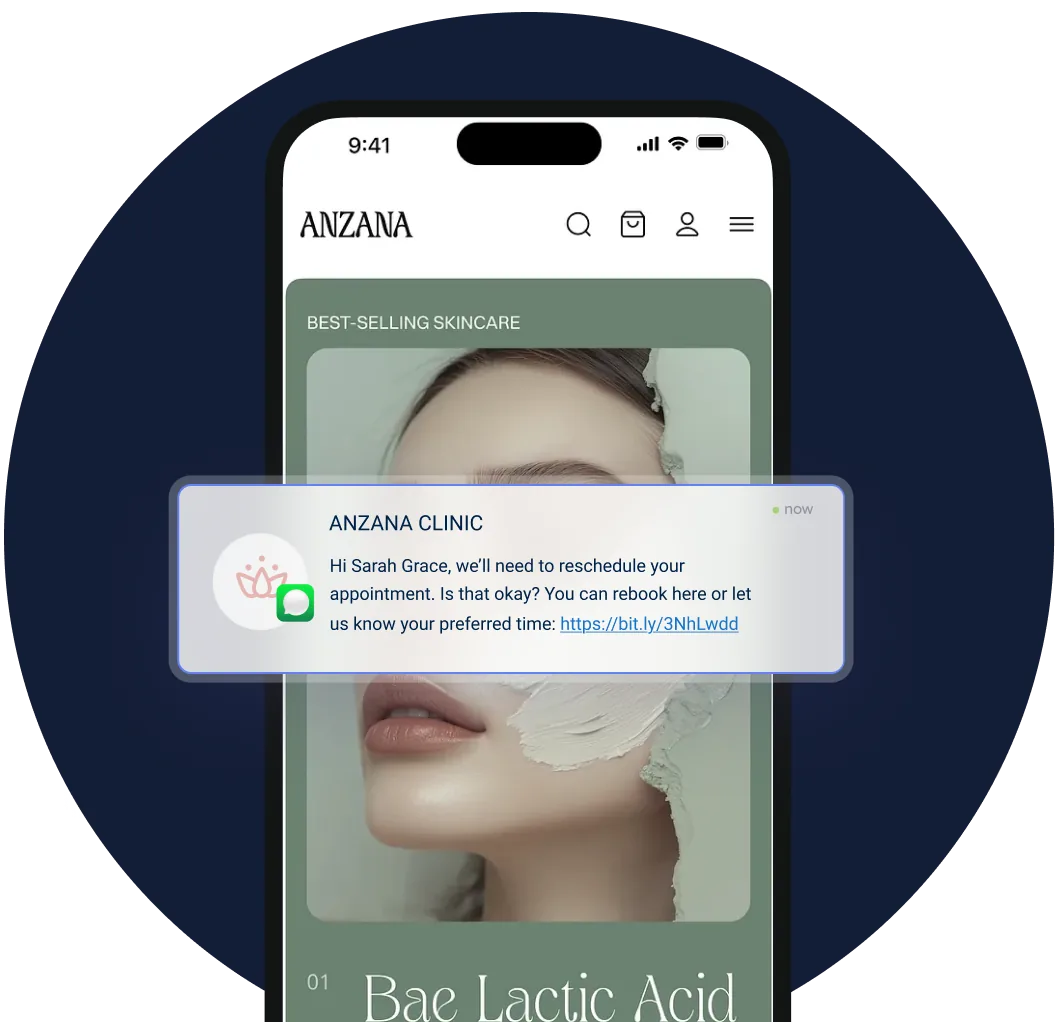

Pabau sends the aftercare handout by email or SMS as soon as a laser appointment is complete. Their signed confirmation lands back in the patient record automatically.

Aftercare is the part of laser hair removal you can still influence once the patient has left the room. One page, handed over every time, is what makes that guidance consistent across every practitioner on your team.
Print the handout, give it out at checkout, and back it up with a message that reaches the patient at home. Then agree who takes the call when something looks wrong on a Saturday evening.
The practices fielding the fewest complication calls are usually the ones whose patients know what to do for 48 hours. A handout and a habit get you there. Book a demo to see how Pabau sends and files aftercare instructions for every laser appointment.

Running other laser treatments? CO2 laser aftercare template gives resurfacing patients a matching handout, with its own recovery timeline.
Documenting injectable treatments too? Silicone injections template covers the clinical record and the patient guidance for a very different risk profile.
Using the GentleLase system? GentleLase treatment protocol and aftercare template covers patient assessment, contraindication screening, consent wording, and a laser settings table by skin type.
Checking your paperwork against the rules? Medical spa requirements checklist covers aftercare documentation, consent archiving, and the protocols regulators ask about.
Tired of relying on the front desk? Clinic workflow automations walks through five triggers that send patient messages by appointment type.
Laser hair removal aftercare is the set of instructions a patient follows after a session to limit side effects and protect the result. It covers the first two hours, the 24 to 48 hour restriction window, and skincare through the first month.
Best practice combines a printed handout at checkout, an emailed or texted copy within two hours, and a digital copy filed in the patient record. Automated reminders across the first 48 hours improve compliance and cut the number of worried phone calls.
Heat exposure within 48 hours is the most common, followed by harsh skincare products and skipped sunscreen. Patients also wax or pluck between sessions. Many panic when hair does not fall out immediately, which is normal, because shedding takes one to three weeks.
No. The PDF is a flat, one-page document with a fixed Pabau header, and it has no fillable fields. Put your practice name, phone number, and after-hours line in the covering email, on a printed cover sheet, or on a stamp.
Hair usually sheds one to three weeks after the session, not straight away. Patients often expect to see hair disappear on the day and call the practice when it does not. Stating the timeline on the handout prevents most of those calls.
Yes, using lukewarm water and a mild, fragrance-free cleanser. Hot showers should wait 48 hours, because heat raises inflammation and irritation risk in freshly treated skin.
Yes. Shaving removes only the hair shaft, so it does not change how the laser works. Waxing, plucking, and threading pull the root out and have to wait until the treatment course is finished.
Redness usually fades within a few hours to a day, and mild swelling settles within 24 to 48 hours. Temporary pigment changes or itching can last one to two weeks. Anything still there after two weeks needs a review.