ADHD Cleaning Checklist
An ADHD cleaning checklist is a cleaning list built for adults with ADHD. In oth...

3
Last Updated: Oct 12, 2026

The Coping Self-Efficacy Scale (CSES) is a 26-item self-report measure of confidence in coping with life challenges.
Its three validated factors are use problem-focused coping, stop unpleasant emotions and thoughts, and get support from friends and family.
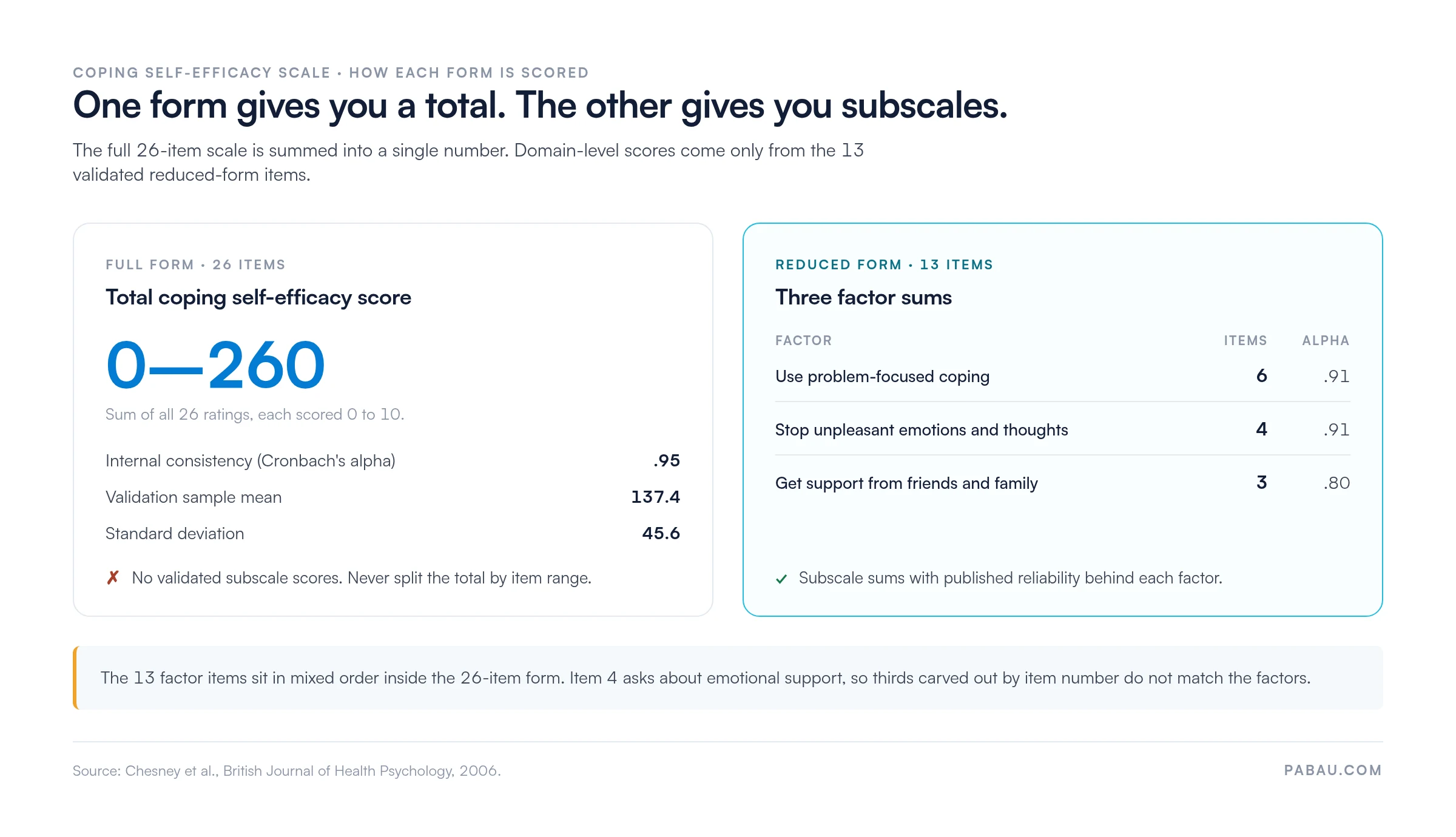
Score the full form by summing all 26 ratings. The total runs from 0 to 260, and higher means more coping confidence.
Do not carve subscales out of item ranges. The factor items sit in mixed order, and only the 13 designated items carry validated subscale scores.
The validation sample averaged 137.4, with a standard deviation of 45.6. That anchors how you read a patient total.
Practice management software like Pabau can score the form on submission and hold each total in the client record.
The full 26-item form with its 0 to 10 rating anchors, laid out for a patient to complete and for you to score. It is free for clinical and research use.
Download templateHow confident a patient feels about managing stress sits at the center of mental health and wellness practice. Clinicians want a standardized, validated measure of coping capacity that does not eat a session. The coping self-efficacy scale does that in 26 items, and it is free to use.
This guide covers how to administer, score, and interpret the scale in your practice. It also covers the scoring mistake that produces subscale numbers with no validation behind them, and where the form fits your intake workflow.
The coping self-efficacy scale is a 26-item self-report questionnaire. It measures how able a person believes they are to manage stress and cope with difficult circumstances. Chesney, Neilands, Chambers, Taylor, and Folkman developed it and published it in the British Journal of Health Psychology in 2006.
The scale rests on Albert Bandura’s self-efficacy theory. Bandura argued that confidence in your own capability to carry out a behavior predicts success at managing difficulty.
General coping questionnaires ask which strategies someone uses. The CSES asks a narrower question. How sure is the patient that they could carry those strategies out? Each item is rated on an 11-point scale, from 0 (cannot do at all) to 10 (certain can do).
The scale is free for clinical and research use, which puts it within reach of private practices, therapy practices, counseling centers, and wellness providers. A digital intake form lets you send it ahead of the appointment and generate the total on submission.
The scale measures three coping domains, and factor analysis in the original validation study confirmed all three. The 26-item worksheet you download covers every domain. The researchers also published a 13-item reduced form, which keeps only the items that loaded most cleanly on each factor. Those 13 items are where the validated subscale scores come from.
Here is the part that catches people out when they score the scale by hand. The items belonging to each factor are not laid out in blocks on the 26-item form. You cannot carve the form into thirds by item number. Item 4 asks about emotional support from friends and family, and it sits well inside the stretch people assume is problem solving.
That is why the full 26-item scale is scored as a single total rather than as three subscale means. For a domain-level read on a patient, sum the 13 designated reduced-form items within each factor instead. The two routes give you different things, as the comparison below sets out.
Scoring the full form is a sum, not an average. Add every item rating together for a total between 0 and 260, where a higher total means greater coping confidence. Here are the five steps clinicians use in practice.
A digital form with branching logic can do the arithmetic for you. The total populates on its own, which saves time and takes the error out of a 26-number addition.
Chesney et al. (2006) published no universal cut-offs, because clinical thresholds vary by population. The practical reference point is the validation sample itself, which averaged 137.4 with a standard deviation of 45.6. The bands below sit roughly one standard deviation either side of that mean.
Treat these bands as reference points against a research sample, not as diagnostic thresholds. A patient’s own baseline is the more useful comparison, which is what repeat administration gives you.
A low total points at skill-building rather than insight work. A coping skills worksheet gives the patient something concrete to practice between sessions, and it targets the items they rated lowest.
Repeat the scale every 4 to 8 weeks to track progress. Rising totals signal therapeutic impact. Stable low totals warrant a change of approach.
The scale has strong empirical support. The original validation study by Chesney et al. appeared in the British Journal of Health Psychology in 2006. It drew on 348 HIV-positive men enrolled across two randomized clinical trials, and it reported the following.
Later peer-reviewed studies have applied the scale to other populations, including trauma survivors, cancer patients, mental health patients, and general community samples. Those studies have reproduced the three-factor structure and the reliability figures.
The scale is appropriate for adults aged 18 and over, across a wide range of settings. Target users include the following.
The scale is validated in clinical and community samples, and it performs reliably in routine practice as well as in research.
Format: the scale is self-administered. Patients can complete it on paper, or on a digital intake form that calculates the total for you.
Time required: completion typically takes 5 to 10 minutes. That makes it practical for a busy schedule, or as part of a multi-measure assessment battery.
Clinician-guided or self-report: the scale is designed for self-report. Clinicians can still read the items aloud and clarify terms for a patient with literacy challenges or a language barrier.
Accessibility and cost: the scale is free for clinical and research use, with no licensing fees. The original researchers and the UCSF Prevention Research Center host the scoring resources publicly.
The scale earns its place inside a broader assessment strategy. Mental health clinicians typically pair it with a few complementary measures.
Where the whole battery is delivered electronically, every measure scores in parallel. Patterns worth a clinician’s attention surface before the session starts, such as high anxiety alongside low problem-focused coping.
Take a baseline CSES total at intake, then re-administer every 4 to 8 weeks. Compare each total against the patient’s own baseline rather than a population band, and note which individual items they still rate low. Those items tell you where to point treatment next, and they move before the total does.
Several habits get more clinical value out of the scale.
When the total reaches the note automatically, the summary sentence is already half-written. Something like: “Patient reports moderate coping confidence, with a CSES total of 142 out of 260. Confidence in problem solving sits well above confidence in stopping unpleasant thoughts.”
On paper, the form goes out at intake, someone adds 26 ratings by hand, and the total gets typed into a note. Comparing that total to the last one means finding the last note and reading it off. Serial administration quietly stops happening.
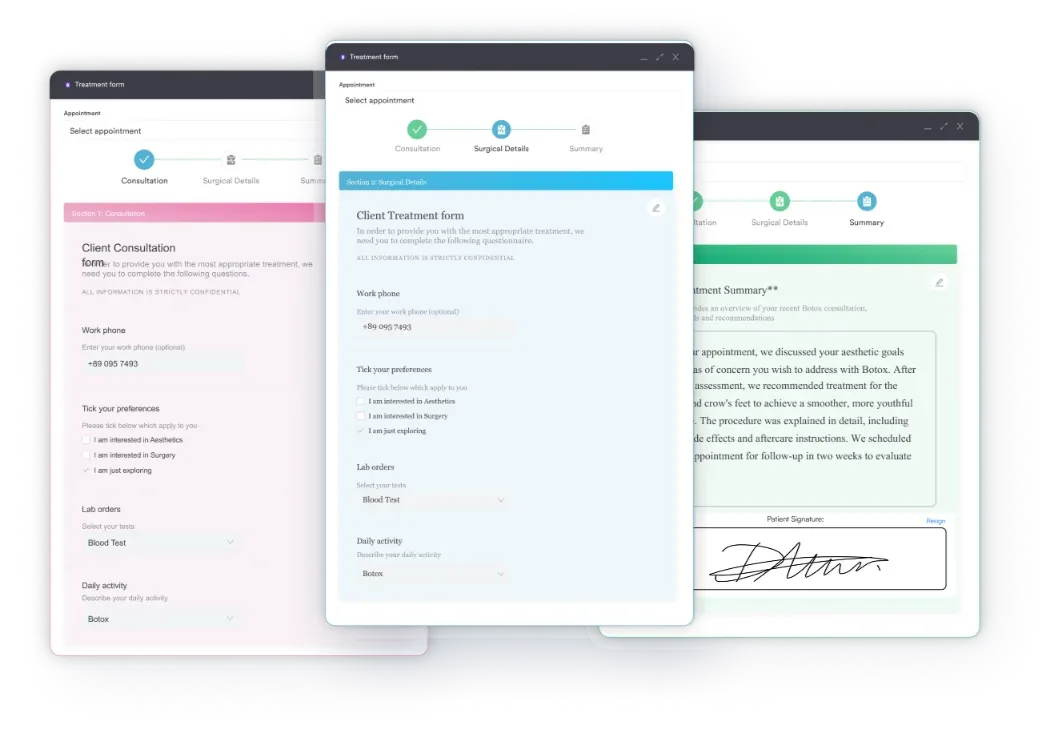
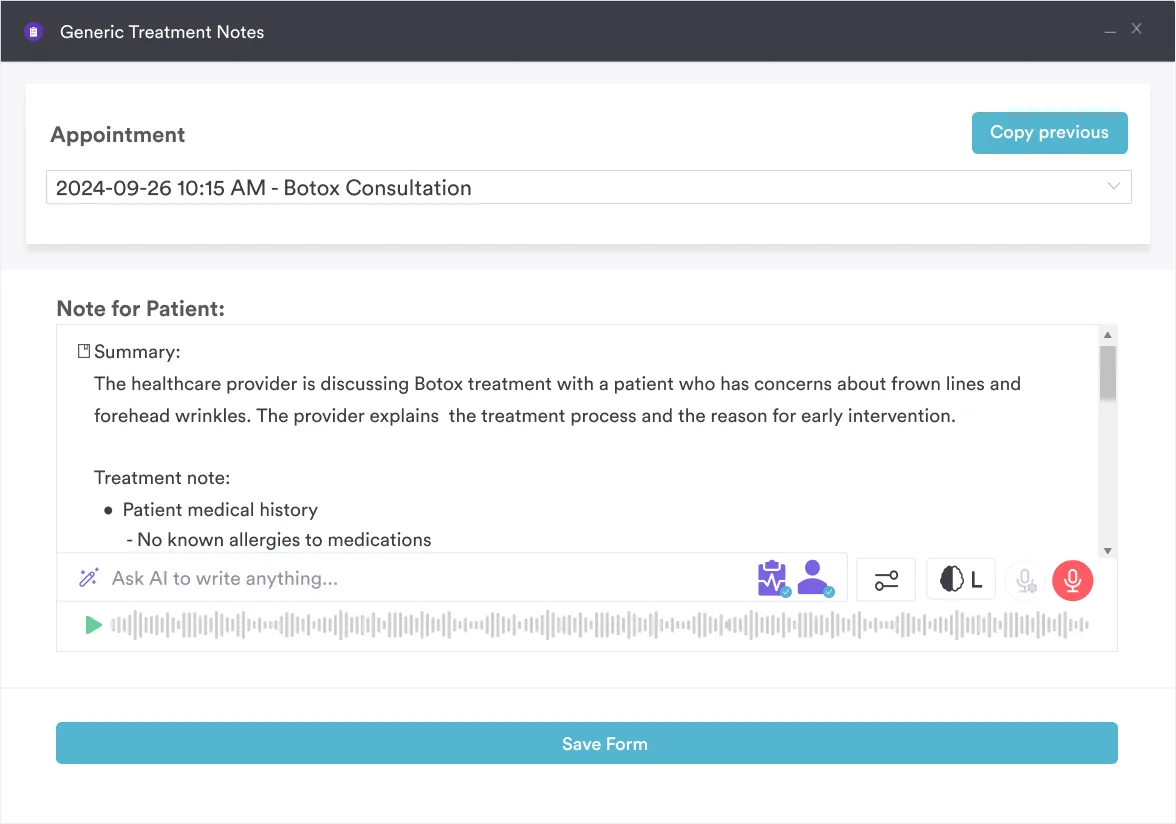
Practice management software like Pabau builds the scale as a digital intake form instead. The patient completes it on their own device before the appointment, and the total calculates on submission. It lands in a structured field on the client record rather than in free text.
That structured field is what makes repeat administration workable. You can pull a patient’s totals in order, see whether the number is moving, and put that in front of them at review. Software for therapy practices that stores outcome measures as structured data turns the CSES into something you can audit and report on.

Pabau’s digital forms calculate the CSES total on submission and file it in the client record. Automated workflows route the result to the clinician before the session, so you spend less time on arithmetic and more on care.

Coping confidence is a modifiable target, which is what makes the 10 minutes worth spending. Move a patient’s total and you have moved a predictor of adherence and outcome, not only a symptom count.
The trade-off worth remembering is precision against detail. The full form gives you one highly reliable number and no domain breakdown. The 13 designated items give you a domain breakdown from fewer data points. Pick whichever matches the decision in front of you.
Take a baseline at intake, repeat it every 4 to 8 weeks, and read each total against the patient’s own first score. Book a demo to see how Pabau scores the form and keeps every total in the client record.

Need a stress measure to sit alongside it? The Perceived Stress Scale captures how unpredictable and overloaded a patient’s month has felt.
Want to isolate the emotion regulation domain? The Emotion Regulation Questionnaire separates reappraisal from suppression in more detail than the CSES factor does.
Looking for skills to raise a low score? Our resilience worksheet gives patients structured practice in the coping behaviors the scale asks them to rate.
Working with distress tolerance? DBT distress tolerance skills map closely onto the stop unpleasant emotions and thoughts factor.
Tracking outcomes session by session? The Outcome Rating Scale is short enough to run every visit, between CSES administrations.
The scale measures a patient’s confidence in their ability to manage stress and cope with life challenges. Clinicians use it to assess treatment readiness and monitor progress during therapy. It also shows which coping domain needs targeted intervention: problem solving, emotion regulation, or support seeking.
Add up all 26 item ratings for the total score. Each item is rated 0 to 10, so the total runs from 0 to 260. A higher total means greater coping confidence. Do not score subscales by item range, because the three factors sit in mixed order on the form. For domain-level scores, sum the 13 designated reduced-form items within each factor.
The three factors are use problem-focused coping, stop unpleasant emotions and thoughts, and get support from friends and family. They cover confidence in solving problems, confidence in managing an emotional reaction, and confidence in asking for help. Chesney et al. confirmed these factors across six, four and three items respectively.
Yes. The coping self-efficacy scale is free for clinical and research use. No licensing fees or permissions are required. The UCSF Prevention Research Center hosts the scoring resources publicly.
Chesney, Neilands, Chambers, Taylor, and Folkman developed the scale, publishing it in the British Journal of Health Psychology in 2006. It is grounded in Albert Bandura’s self-efficacy theory, which holds that confidence in managing a task predicts success at it.
A low total, roughly below 92 against a validation sample mean of 137.4, indicates the patient struggles to believe they can manage stressors. This is a modifiable risk factor for depression, anxiety, and poor treatment adherence. It signals a need for intensive support, psychoeducation, and behavioral experiments that build mastery.