Reflection questions: 14 examples and a free template
Reflection questions are open-ended prompts that guide a person through structur...

8
Last Updated: Oct 16, 2026

A coaching log records the session date, the client, the goals discussed, progress notes, and the actions agreed for next time.
ICF credentials set minimum logged hours of 100 for ACC, 500 for PCC, and 2,500 for MCC.
NBHWC health coaches log every session to show board-level evidence of health behavior change coaching.
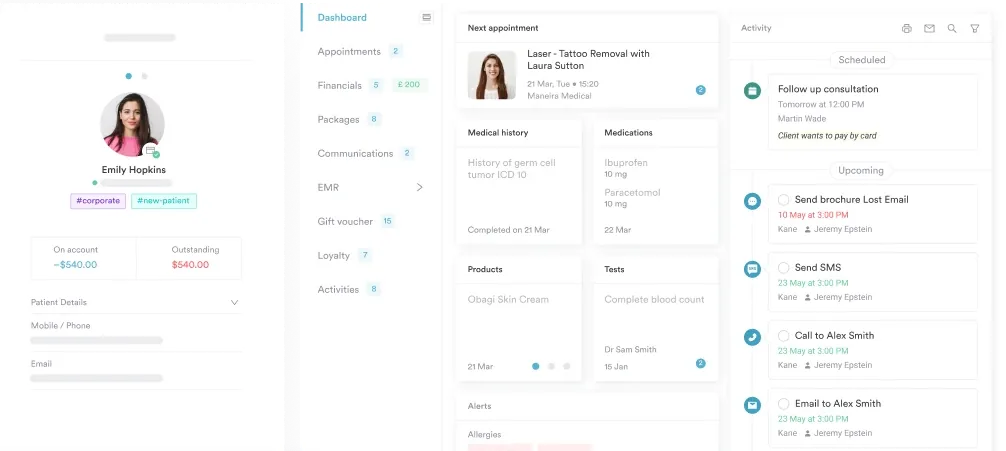
Practice management software like Pabau files each session note in the client record, so hour totals and audit trails stay current.
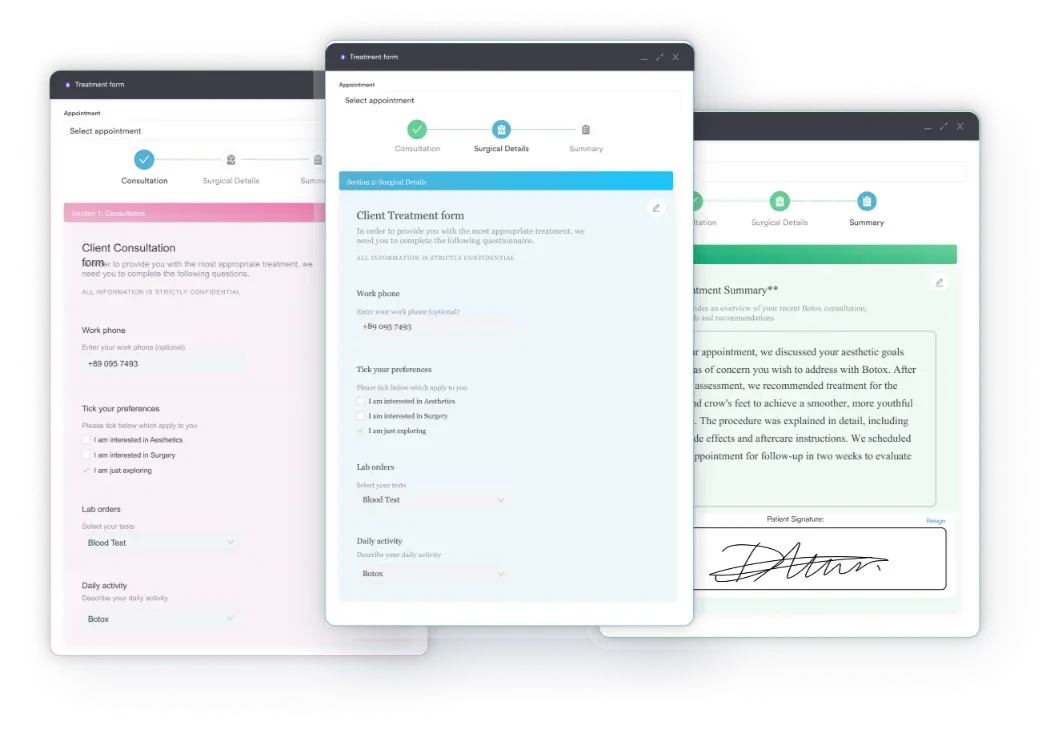
The form opens with client information and coaching goals, then session date, time, and duration. Inside you also get space for the session agenda, session notes, action items, progress assessment, client commitments, and next session plans.
Download templateA coaching log records what happened in each client session. It captures the date, the goals discussed, the progress made, and what the client agreed to do before you meet again.
Whether you work alone or run a team of coaches on a shared coaching client management system, consistent documentation protects your clients and builds accountability. It also keeps you ready when a credentialing body asks for your hours.
This guide covers what belongs in each entry and how the requirements shift by coaching specialty. It also shows how to turn your notes into evidence of client progress.
A coaching log is a standardized form for recording the details of each coaching session. It captures where the client started, the work you did together, progress toward their goals, and the commitments made for the coming weeks.
The log does three jobs. It creates a professional record of the coaching relationship and tracks client progress over time. It also supplies the documentation that bodies like the International Coaching Federation (ICF) ask for at credential time.
Unlike a clinical note or a therapy record, a coaching log leans on client agency and forward momentum. It documents what the client committed to and what the next conversation will focus on.
The best logs hold enough detail to reconstruct a session’s intent and outcomes, and still take five minutes to complete. Every entry should carry these core fields:
Many coaches also record the client’s energy level at the start and end, plus any resources they shared. Some note whether the session ran in person, by phone, or on video. Digital intake forms can pre-fill the client details so you only type what changed.
If your client works from a goal planner between sessions, copy their wording into the log. Matching language across both documents makes progress easy to trace months later.
Clients weighing a stay-or-leave decision often arrive with a relationship pros and cons worksheet already filled in. Log the totals they reached, so a rescore later in the work shows which weights shifted.
The International Coaching Federation asks coaches to log their coaching hours before they earn or renew a credential. The minimum depends on the credential level:
CCE stands for continuing coach education, the training ICF counts toward a renewal. Every ICF entry needs the session date, the duration, the client name or identifier, the topic, and your signature or digital confirmation.
ICF also separates paid coaching hours from pro bono hours, so mark each session as one or the other from day one. A structured client record that timestamps sessions keeps the running total accurate without a second spreadsheet.
The National Board for Health and Wellness Coaching asks coaches to document completed sessions on the way to board certification. Those records need to show client-centered coaching aimed at health behavior change and wellness outcomes. A structured health coaching program gives those logged sessions clear start and end dates, usually across 12 weeks.
Include the client’s health goal, the behavior change in focus, the interventions you used, their readiness stage, and any resources you shared. Readiness runs from precontemplation through to maintenance, so name the stage rather than describing it.
Because NBHWC certification expects evidence-based practice, note the techniques behind each intervention. A motivational interviewing prompt you used to build the client’s confidence belongs in the entry.
Health coaches who also handle behavioral health notes often keep their logs inside a mental health EMR. Session records, consent, and correspondence then live in one file.
Organizations that use coaching for performance or leadership development need a different form. A manager’s version tracks coaching conversations about skill development, goal alignment, and performance improvement.
Record the employee’s name, the goal or competency being developed, your observations on their progress, the feedback you gave, and the actions you both agreed. That record shows a pattern of support if a performance concern escalates later.
Teachers and school coaches log observations and coaching conversations with colleagues. The entry names the instructional practice being developed, any classroom observation data, the feedback shared, and the next step in the coaching cycle.
Most school logs also capture the lesson observed, the standards addressed, and the date of the follow-up visit. That gives the coach and the teacher the same clear record of what changed.
A log only earns its keep if you fill it in the same way every time. These five habits do most of the work:
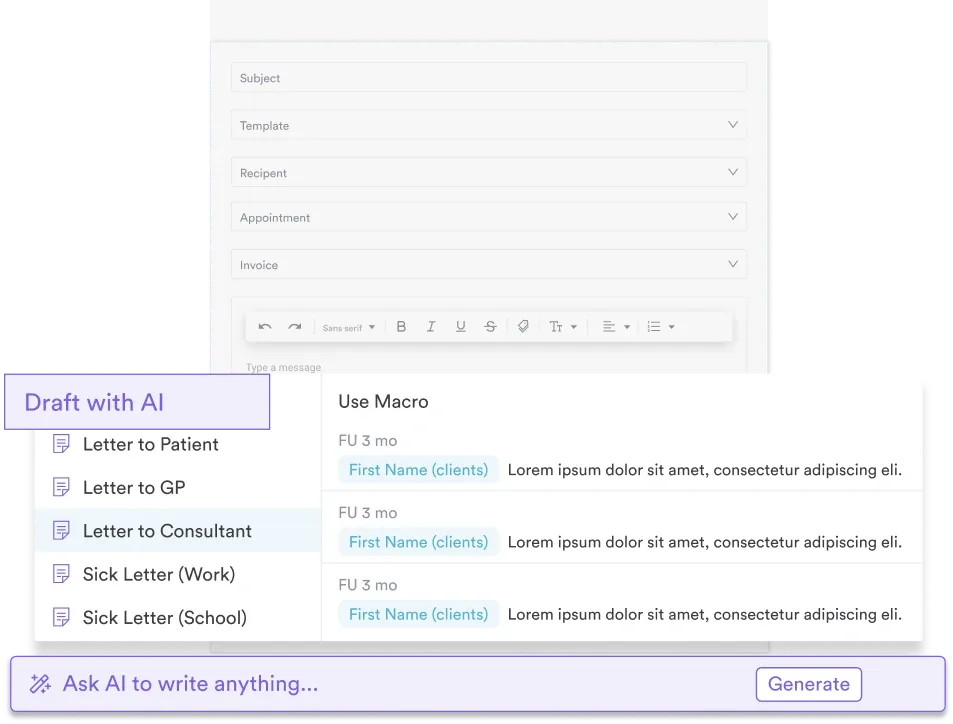
Coaches who dictate their summaries into AI session notes get a draft in the log within seconds, then edit it for accuracy. That stops the paperwork stacking up until Friday.
A log is objective and a journal is reflective. The log records what happened, what the client committed to, and the progress you can measure. The journal holds your own insights, reactions, and learning from the work.
Plenty of coaches keep both. Where the log doubles as a clinical record, a structured format such as SOAP progress notes keeps it defensible, while the journal stays private.
If you document client health information as a health or wellness coach, your logs may fall under HIPAA privacy rules. That includes dietary habits, medical history, medication use, and mental health concerns.
HIPAA applies when you are a covered entity, such as a healthcare provider or health plan. It also applies when you are a business associate working with one. Four habits keep you on the right side of it:
When your obligations are unclear, ask a healthcare compliance specialist before you set your system up. Retrofitting confidentiality onto two years of loose documents costs far more than getting it right now.
A blank page invites inconsistency, and inconsistency is what makes a log useless six months later. A template answers the question of what to write, which cuts the time each entry takes.
Teams that share one template can also compare session patterns across clients and coaches. Holding the completed forms in practice management software keeps the whole set searchable instead of scattered across folders.
Most coaching practices write session notes in a document, then copy the same details into a spreadsheet for hour totals and invoicing. The notes end up in one place and the numbers in another, and neither is easy to search at credential time.
Practice management software like Pabau keeps the form and the record together. You build the coaching log once as a digital form, and each completed entry files itself against the client’s record with a timestamp.
Session reminders, forms, and follow-up tasks go out on their own, so your hour totals stay current and nothing waits for a Friday catch-up.
Every subscription includes the digital forms, client records, and reporting, so none of this sits behind a higher tier. New practices get structured onboarding to set the log up around how they already work.

Pabau’s digital forms and automated workflows capture each session as you finish it, then file the entry against the client record. Your hour totals and audit trail stay current without a second spreadsheet.

Pick one format and use it for every client. The value of a log shows up in month six, when you can trace a client’s progress and produce hour totals without hunting through notebooks.
The trade-off worth remembering is depth against speed. An entry you can finish in five minutes gets filled in, and a perfect one does not. Start with the fields in the template above, then add only what you will actually read back.
Book a demo to see how Pabau turns each coaching session into a searchable client record your whole team can work from.

Need more prompts for a mental health assessment? 50 mental health assessment questions offers a free collection of questions covering wellbeing, anxiety, trauma history and coping.
Reading the room as well as the words? Our nonverbal communication worksheet helps clients see the signals they send in difficult conversations.
Client stuck on the same goal for weeks? The unmet emotional needs worksheet surfaces what is blocking progress between sessions.
Sessions running into strong emotion? Keep the grounding techniques worksheet nearby so clients can steady themselves before you carry on.
Track the session date and duration, a client identifier, the session focus, and the client’s goal for the meeting. Add progress notes, engagement observations, the action items the client agreed to, and the focus for next time. Optional fields include energy level, resources shared, and whether the session ran in person, by phone, or on video.
Each entry needs the session date, the duration in minutes, the client’s name or secure ID, the session topic, and your confirmation. ICF also separates paid hours from pro bono hours, so mark each session. Use a format that totals cumulative hours, because reviewers verify the hours before they award a credential.
A log is an objective record of what happened, what the client committed to, and the progress you can measure. Credentialing bodies and clients rely on it. A journal is your private space for reflection and professional learning, and it stays optional.
Yes. Excel gives you flexibility, plus formulas for hour tracking and progress summaries. Coaching software goes further by timestamping sessions, encrypting the data, and generating compliance reports, which cuts manual entry and typing errors.
They log every session to show evidence of health behavior change coaching against board standards. The entry names the client’s health goal, the behavior in focus, the interventions used, their readiness stage, and any resources shared. Together those fields demonstrate evidence-based health coaching.
It records the employee’s name, the goal or competency being developed, the manager’s observations on progress, the feedback given, and the actions agreed. That record shows a pattern of support if a performance concern escalates later.