Free model waiver form + what it is and when your practice needs one
A model waiver form is a signed document that lets a healthcare practice use a p...

5
Last Updated: Sep 29, 2026
Annual physical exam checklist by age
A structured assessment template covering medical history review, vital signs measurement, lab test ordering, preventive screening recommendations by age and gender, lifestyle assessment, and follow-up planning.
An annual physical exam checklist by age gives your practice one repeatable structure for every preventive visit, so a 25-year-old and a 65-year-old each leave with the screenings that fit their age and risk, not a generic once-over.
First, this guide breaks down what to include at each life stage for men and women. It also shows how to run the annual health check-up as a practice workflow, instead of a form filled in from memory.
For example, practice management software like Pabau turns the checklist into pre-filled intake, automatic recalls, and a single patient record. That is where the time savings come from.
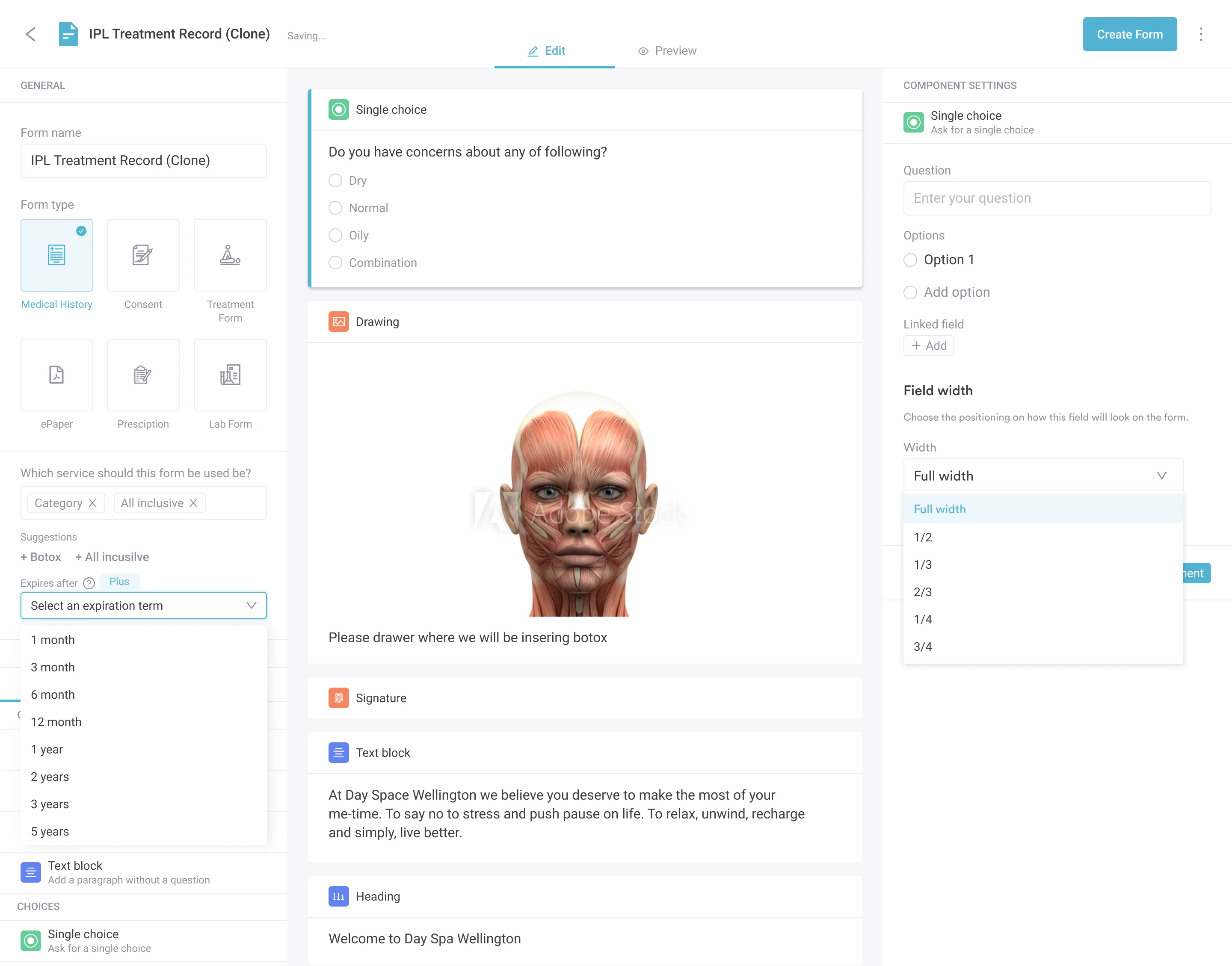
Build the checklist as a reusable digital form, instead of a page filled in from memory. Consequently, this keeps every field in the same order for each patient. As a result, that consistency turns the definition below into a repeatable preventive workflow.
Turning this scale into a digital form with form capture software removes double entry and keeps every score legible.
An annual physical exam is a scheduled preventive encounter between a clinician and patient. Thus, it is designed to assess overall health status, identify emerging health risks, and update the prevention plan. Unlike visits triggered by acute symptoms, however, this encounter is proactive. Specifically, it uses systematic screening tools, laboratory testing, and clinical examination to detect conditions early. This often happens before the patient has symptoms.
So what does an annual physical exam include? In practice, the encounter has four core elements, and this structured approach keeps every clinically important screening on the radar:
The regulatory framework for annual exams varies by payer and jurisdiction. In the U.S., for example, Medicare covers an Annual Wellness Visit once per year at no patient cost. Specifically, this visit is built around personalized prevention planning. In addition, private insurers and employers similarly incentivize annual preventive visits.
The U.S. Preventive Services Task Force (USPSTF) publishes evidence-based screening recommendations by age and gender. As a result, these recommendations form the clinical foundation for template design.
For practices, structured annual exams serve three strategic purposes:
From a compliance perspective, documented annual exams demonstrate adherence to clinical guidelines and payer expectations, so they reduce audit exposure. Clinically, they also establish baseline measurements (blood pressure, BMI, lab values). These baselines let clinicians track health trajectories over time, adjust medications when needed, and counsel patients on preventive lifestyle changes.
A comprehensive annual physical exam checklist must capture standardized components. Use this framework:
Clinical guidelines recommend age- and gender-specific screening frequencies. This table summarizes USPSTF recommendations for common adult screenings. Therefore, you can match each patient to the right schedule at a glance:
Screening recommendations vary by CDC guidelines and professional society guidance. Always confirm current recommendations before implementation, since they are updated as evidence evolves.
Female patients need a few screenings layered onto the core panel. Specifically, add a cervical cancer screening (Pap or HPV test) for ages 21 to 65. Also add a mammogram from age 40. In addition, add a bone density (DEXA) scan from age 65, or earlier with risk factors.
Use the visit to review contraception, pregnancy plans, or menopause symptoms. In addition, order iron studies for anyone reporting heavy periods or persistent fatigue. As a result, sequencing these by age keeps the women’s health check-up list complete, without over-testing younger patients.
For male patients, add a one-time abdominal aortic aneurysm ultrasound for men aged 65 to 75 who have ever smoked. In addition, include a shared-decision PSA discussion for prostate cancer between ages 55 and 69.
The USPSTF recommends against routine PSA screening from age 70, so document that conversation instead of defaulting to an order. In addition, a testicular exam remains useful for younger men.
Cardiovascular risk deserves extra attention here. So, confirm that blood pressure, a lipid panel, and blood glucose are all current before the patient leaves.
Most annual exams include a standard routine blood work panel. In practice, this answers the common patient question of what labs are included in a wellness exam. It typically comprises:
Clinicians add additional tests based on age, gender, and personal risk factors. For example, these may include TSH for thyroid, PSA for prostate, and HbA1c for diabetes risk.

Documenting which tests you ordered, the results, and any abnormal findings is critical for continuity of care and compliance auditing. Automated workflow systems can flag abnormal results for clinician review and trigger patient follow-up communications automatically.
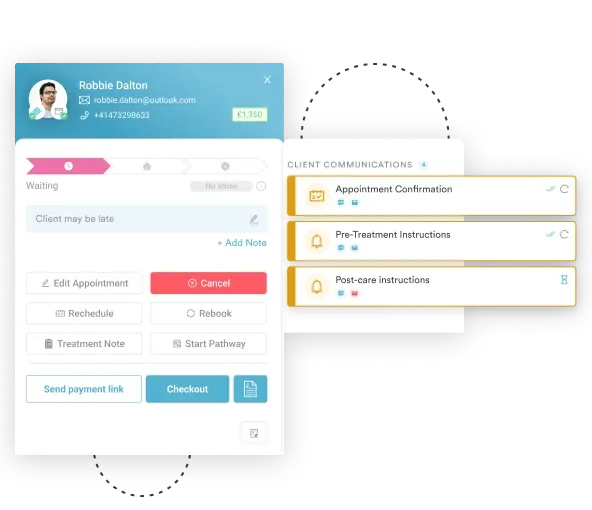
Automated follow-up messages close the loop once lab results land, so abnormal findings do not sit unaddressed between visits. In practice, the steps below show how to fold that recall into the annual exam, from scheduling through the post-visit review.
Follow these five steps to build the checklist into your clinical workflow:
Using AI documentation tools can accelerate note completion, capturing every check-up component without compromising accuracy.
This template serves clinicians across multiple settings. Primary care practices use it as the foundation for adult wellness visits. Meanwhile, wellness practices apply it for the broader health screening they run, before building a personalized protocol.
Specialists such as cardiologists and endocrinologists often use portions of it during follow-up visits to keep preventive screening on track. Pediatric practices, however, follow a related but distinct structure, covered in our pediatric physical examination guide. That’s because screening schedules and growth tracking differ from the adult panel here.
Compliance and legal protection: A structured template demonstrates adherence to evidence-based guidelines (USPSTF, CMS, professional society standards). As a result, it reduces compliance risk during audits or malpractice defense. Documented screening decisions, therefore, protect clinicians if a preventable condition later emerges.
Practices using digital templates report faster note completion and fewer missing data points. In addition, they see improved patient satisfaction from more thorough, organized visits.
For practices serving Medicare patients, a Medicare annual wellness visit checklist keeps every required element in one place. CMS covers the AWV once per calendar year for every Medicare beneficiary. This visit is built around a personalized prevention plan and a health risk assessment. It is not a physical exam, so the required elements are documentation-based rather than hands-on.
Practices bill the visit using HCPCS Level II G-codes rather than CPT. Specifically, G0438 applies to a patient’s first visit, and G0439 applies to every visit after that. The required elements differ between the two.
For the initial visit (G0438), document:
Subsequent visits (G0439) update that picture rather than rebuilding it. Document:
The encounter typically lasts 15-30 minutes. Using a template keeps every required element captured, which reduces billing denials and supports audit compliance.
A structured annual physical exam checklist by age is a clinician’s blueprint for delivering comprehensive, compliant preventive care. It systematically captures medical history, vital signs, lab tests, age-appropriate screenings, and lifestyle assessment. As a result, practices catch health risks early and strengthen patient engagement.
Book a demo with Pabau to see how digital clinical templates and automated recall workflows work in practice. That way, you can turn annual wellness programs from an administrative burden into a competitive advantage.
An annual physical exam includes medical history review, vital signs measurement (blood pressure, heart rate, BMI), physical examination, lab tests (CBC, metabolic panel, lipid panel, urinalysis), age-appropriate cancer screenings, immunization updates, mental health screening, and lifestyle counseling followed by a documented follow-up plan.
Most adults should have a comprehensive annual wellness visit once per year. Some lower-risk patients may space visits to every 2 years, while those with chronic conditions may need more frequent visits to monitor disease progression and medication effectiveness.
Yes, Medicare covers one Annual Wellness Visit (AWV) per calendar year at no cost to the beneficiary. The visit must include personalized prevention planning and a documented health risk assessment to qualify for coverage.
Bring a current medication list, insurance card, photo ID, a list of any health concerns or symptoms, and notes on recent lifestyle changes (diet, exercise, smoking, alcohol). Recent lab results from elsewhere are also helpful for comparison.
Recommended annual preventive screenings depend on age, gender, and personal risk factors. All adults should have blood pressure checked annually and cholesterol screening every 4-6 years. Age-specific screenings include mammograms (women 40+), cervical cancer screening (women 21-65), colorectal screening (starting age 45), and a shared-decision PSA discussion (men 55-69, with USPSTF advising against routine screening at 70+).
For most insured patients, a preventive annual physical exam is covered at no out-of-pocket cost under the Affordable Care Act, and Medicare covers one Annual Wellness Visit per year. Self-pay fees vary by region and by whether lab work is bundled into the visit.
A standard yearly check-up includes vital signs, a complete blood count, a comprehensive metabolic panel, a lipid panel, and urinalysis, with blood glucose or HbA1c and age-based cancer screenings added according to risk.