

HCPCS code E0198: Water pressure pad billing guide
HCPCS code E0198 is a water pad for a standard mattress HCPCS code E0198 is the ...

Last Updated: Oct 13, 2026
J3420 is the HCPCS Level II code for injection, vitamin b-12 cyanocobalamin, up to 1000 mcg.
Let Pabau's smart automation suggest the right codes, reduce claim denials, and keep your practice compliant—effortlessly.
Automate repetitive tasks and focus on what matters most—your patients.
Reduce coding errors and ensure compliance with the latest regulations.
Clean claims, fewer denials, and faster reimbursements.
Powerful insights and reporting to help your practice thrive.
HIPAA compliant SOC 2 certified GDPR-compliant Trusted by 4,000+ clinics worldwide

HCPCS code J3420 covers injection of vitamin B-12 cyanocobalamin, up to 1000 mcg, administered by any non-oral route
Medicare Part B covers J3420 only for documented medical indications including pernicious anemia (D51.0) and confirmed B12 deficiency (E53.8)
J3420 covers the drug only: bill CPT 96372 separately for the intramuscular or subcutaneous injection administration
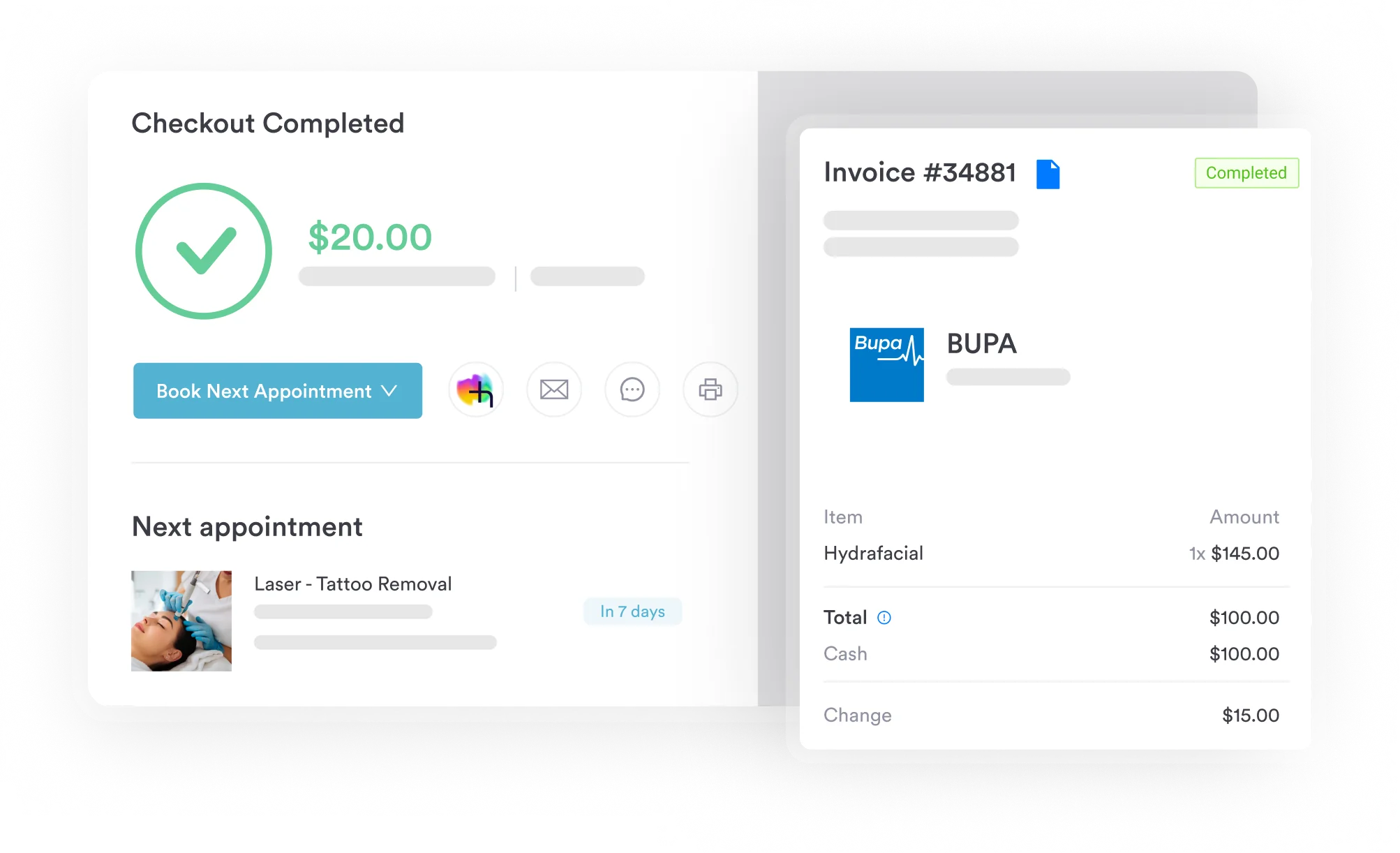
Pabau’s claims management software shows the live status of every claim and flags missing details, like membership numbers, before you send it
HCPCS code J3420 is a Level II Healthcare Common Procedure Coding System code that reports the injection of vitamin B-12 cyanocobalamin, up to 1000 mcg, administered by any non-oral route. It falls within the J-code category, which CMS maintains for drugs administered other than orally, typically by injection or infusion.
Cyanocobalamin is the synthetic, most widely used form of vitamin B12. It is distinct from hydroxocobalamin (covered by J3425) and from methylcobalamin, which has no standalone J-code and would require J3490 (unclassified drug) with an invoice. Knowing which B12 formulation your practice uses is the first step in selecting the right code.
Medicare Part B covers J3420 only when the injection is medically necessary for a covered indication. Wellness injections, general health optimization, or patient-requested B12 shots without a documented clinical need are not covered.
According to CMS billing guidance (Medicare Article A57755), the primary covered indications are pernicious anemia, documented cobalamin deficiency with laboratory evidence, and malabsorption syndromes that prevent adequate oral B12 absorption.
Medicare Administrative Contractors (MACs) may publish regional Local Coverage Determinations (LCDs) that add or restrict covered diagnoses beyond the national article. Always verify your MAC’s current LCD before billing, as covered indication lists vary by region and are updated periodically.
For practices running IV therapy billing workflows, the distinction between a medically necessary injection and a wellness injection is critical. The former can be billed to Medicare Part B. The latter cannot.
Every J3420 claim submitted to Medicare requires a supporting ICD-10-CM diagnosis code that establishes medical necessity. The diagnosis must match the documented clinical condition, not just a suspected deficiency. Below are the most commonly accepted ICD-10 codes alongside J3420 claims. Verify with your specific MAC’s LCD for the complete, current list.
The ICD-10-CM code list above is not exhaustive. MACs review and update their covered diagnosis lists annually, so confirm the current list with your contractor before submitting high-volume claims.
Practices administering injectables should read up on inventory software for medical spas before wastage eats the margin.
Medicare Part B reimburses J3420 under the Average Sales Price (ASP) methodology at ASP plus 6%. Because cyanocobalamin is a low-cost generic injectable, the reimbursement rate per unit is modest.
The rate changes quarterly when CMS updates the ASP pricing file, so never rely on a static figure. Use the CMS Physician Fee Schedule lookup or the quarterly ASP drug pricing file to verify the current payment amount before financial planning.
One unit of J3420 equals up to 1000 mcg. If a patient receives exactly 1000 mcg, bill one unit. If a patient receives less than 1000 mcg, you still bill one unit. You cannot bill a fraction of the unit.
If a patient requires more than 1000 mcg in a single session, which is uncommon in standard practice, discuss with your MAC before billing multiple units.
Bookmark the CMS quarterly ASP drug pricing file release schedule. Set a calendar reminder for each quarter update so your billing team checks J3420 and other J-code rates before the new quarter begins. A single quarterly download prevents reimbursement miscalculations across every injectable drug claim you submit.
This is where many practices get the billing wrong. J3420 covers only the drug itself: the cyanocobalamin vial. It does not cover the work of administering the injection. That service is captured separately using CPT 96372, which describes a therapeutic, prophylactic, or diagnostic injection given subcutaneously or intramuscularly.
Both codes belong on the same claim. Submitting J3420 without CPT 96372 means the administration is unbilled. Submitting CPT 96372 without J3420 means the drug cost is unbilled.
Practice management software like Pabau helps here too. Its claims management software runs a background check before a claim goes out, flagging missing details such as membership numbers or authorization codes so an incomplete claim never reaches the payer.
Some payers bundle the administration code differently, particularly for office visits where the injection is incidental to the primary E/M service. Check payer-specific billing rules before assuming CPT 96372 is always separately billable. Medicare generally allows separate billing of the administration code when the injection is the primary reason for the visit.
A complete J3420 claim follows a predictable sequence. Missing any step is the most common reason claims are denied or returned for additional information.
Practices that also handle vaccine administration alongside B12 and other injectable drugs benefit from the same charge-capture checklist, since it pulls both billing codes automatically and prevents the most common omission errors.

Pabau’s claims management software gives you a live view of every claim, from pending to paid, and flags missing details like membership numbers or authorization codes before you hit send.

Medicare audits for J-code injectable drug claims, and vitamin B12 injections are a recurring area of scrutiny because of the high volume of wellness injections administered without documented medical necessity. Every J3420 claim must be defensible at audit. The documentation requirements are not onerous, but every element must be present.
Practices that use digital intake forms can pre-populate treatment records with required fields, reducing missing documentation and making the administration record audit-ready from the point of service. The IV therapy intake form structure illustrates how pre-visit documentation captures eligibility, consent, and clinical context before the injection is given.

Billing the wrong B12 code is a common coder error, because two separate forms of injectable B12 have their own HCPCS codes and the distinction matters for claim accuracy. Understanding the full code family prevents miscoding and supports practices setting up IV therapy clinic billing from the start.
Using J3490 for cyanocobalamin is an error. Cyanocobalamin has its own specific code (J3420), and submitting J3490 instead will typically result in a claim denial or delay while the payer requests additional information. The AAPC Codify HCPCS lookup and PGM Billing HCPCS tool both let you verify current code descriptions and confirm the correct code for each B12 formulation.
Most J3420 denials are preventable. The errors below appear repeatedly across billing audits and MAC medical review activity, yet only a fraction of SERP-ranking reference pages address them. Correcting these before claim submission is faster and cheaper than working a denial queue.
Practices that use IV therapy EMR software with built-in billing rules can flag these errors at the point of charge entry, before the claim reaches the clearinghouse.
Medicare’s coverage rules for J3420 are the most thoroughly documented, but most practices see a mix of payers. Private insurance and Medicaid coverage for vitamin B12 injections varies significantly and cannot be assumed to mirror Medicare policy.
Private insurance: Most commercial plans recognize J3420 as the correct HCPCS code for cyanocobalamin injections, but coverage depends on the specific plan’s benefit design. Some plans cover B12 injections only for the same diagnoses Medicare covers, such as pernicious anemia or documented deficiency, while others have broader or narrower lists.
Prior authorization requirements are common among commercial payers for ongoing injection therapy, so verify coverage and authorization requirements with each plan before initiating therapy for private-pay patients. Practices managing mobile IV therapy billing face particular complexity, since some commercial plans do not cover mobile or home-administered injectables at the same rate as office-administered doses. Coverage verification also surfaces the deductible position, which changes what the practice collects at the desk.
Medicaid: State Medicaid programs have their own fee schedules and covered diagnosis requirements. Some states use J3420 as the billing code, while others use state-specific drug codes. Reimbursement rates under Medicaid are typically lower than Medicare and vary by state. Check your state Medicaid agency’s drug billing manual or fee schedule for current J3420 coverage policy and the applicable rate.
Self-pay patients: For patients without insurance coverage. Document that the patient was informed the service is not billable to their insurer. This protects the practice from balance-billing disputes and compliance risk.
Understanding who can administer IV vitamin therapy under applicable state law is equally important for non-Medicare billing accuracy.
Before billing J3420 to a new commercial payer, pull the plan’s current formulary or drug coverage list and check whether prior authorization is required for vitamin B12 injections. A five-minute eligibility check prevents a denial that can take 45 or more days to resolve through the appeal process.
Vitamin B12 injection claims that come back rejected usually trace to one of three billing errors, and every one of them is preventable at the point of charge entry:
Pabau’s claims management software gives injectable drug and IV therapy practices a live view of every claim’s status, from pending through to paid, and checks each one for missing details like membership numbers or authorization codes before it goes out. To see how that works for a practice billing J-codes regularly, book a demo with the Pabau team.

Coding a follow-up visit for an ear injury? ICD-10 code S00.469D covers a subsequent encounter for a nonvenomous insect bite of the ear.
Coding a puncture wound with a retained object? ICD-10 code S01.341A covers a puncture wound with a retained foreign body of the right ear.
Coding a different diagnosis today? Our breakdown of diagnosis code M46.1 covers documentation and billing requirements.
Billing a different HCPCS code? See our guide to procedure code H0001 for documentation requirements.
Need another diagnosis code reference? Check our guide to diagnosis code M16.9 for billing guidance.
HCPCS code J3420 is used to report the injection of vitamin B-12 cyanocobalamin, up to 1000 mcg, administered by a non-oral route such as intramuscular or subcutaneous injection. It is billed to Medicare Part B and most commercial payers when a patient receives a medically necessary cyanocobalamin injection for conditions such as pernicious anemia or documented B12 deficiency.
CPT 96372 is the administration code for a therapeutic, prophylactic, or diagnostic injection given subcutaneously or intramuscularly, and it must be billed alongside HCPCS code J3420 on the same claim. J3420 covers the drug substance; CPT 96372 covers the clinical act of administering the injection. Billing one without the other leaves part of the service unbilled.
Yes, Medicare Part B covers J3420 for medically necessary indications including pernicious anemia (D51.0), documented vitamin B12 deficiency (E53.8), and malabsorption syndromes that prevent adequate oral absorption. Wellness or elective B12 injections without a covered ICD-10 diagnosis are not reimbursed by Medicare under J3420.
The most commonly accepted ICD-10-CM codes with J3420 are D51.0 (pernicious anemia due to intrinsic factor deficiency), E53.8 (B12 deficiency without anemia), and K91.2 (postsurgical malabsorption). The diagnosis must be clinically documented and supported by laboratory evidence. Covered code lists are MAC-specific, so verify with your Medicare Administrative Contractor’s Local Coverage Determination.
J3420 is the specific HCPCS code for cyanocobalamin injections and should always be used when billing that formulation. J3490 is the unclassified drug code, used only when no specific J-code exists for the drug administered. Using J3490 for cyanocobalamin is a coding error that typically results in a denial or claim delay, since payers expect J3420 for this drug.
Coverage varies by plan. Most commercial insurers recognize J3420 as the correct HCPCS code for cyanocobalamin, but whether the injection itself is covered depends on the plan’s specific benefit design, the documented diagnosis, and whether prior authorization is required. Always verify coverage and authorization requirements with the individual plan before billing.
Medicare requires laboratory evidence of deficiency or a confirmed diagnosis such as pernicious anemia, a signed physician order specifying drug name, dose, route, and frequency, an administration record documenting the date, drug, dose, route, site, and administering clinician, and an ICD-10-CM diagnosis code on the claim that traces to a covered indication in the relevant MAC’s LCD.



