CPT Code 62284: Injection procedure for myelography
CPT Code 62284: official descriptor and procedure overview The American Medical ...

Last Updated: Oct 19, 2026
J2800 is the HCPCS Level II code for injection, methocarbamol, up to 10 ml.
Three problems cause most J2800 denials. The units are billed by volume, the NDC is missing, or the diagnosis does not support a muscle relaxant.
J2800 is a Level II HCPCS code maintained by the Centers for Medicare and Medicaid Services (CMS) under the J-series for injectable drugs. It is active and valid for 2025-2026 billing cycles.
Let Pabau's smart automation suggest the right codes, reduce claim denials, and keep your practice compliant—effortlessly.
Automate repetitive tasks and focus on what matters most—your patients.
Reduce coding errors and ensure compliance with the latest regulations.
Clean claims, fewer denials, and faster reimbursements.
Powerful insights and reporting to help your practice thrive.
HIPAA compliant SOC 2 certified GDPR-compliant Trusted by 4,000+ clinics worldwide

HCPCS Code J2800 covers an injection of methocarbamol, sold as Robaxin, in volumes up to 10 ml.
One unit equals one administration, so a 5 ml dose and a 10 ml dose both bill as a single unit.
Medicare pays J2800 under Average Sales Price plus 6%, and CMS republishes that figure every quarter.
Every claim needs a supporting ICD-10-CM diagnosis and the 11-digit NDC, or the payer rejects it before adjudication.
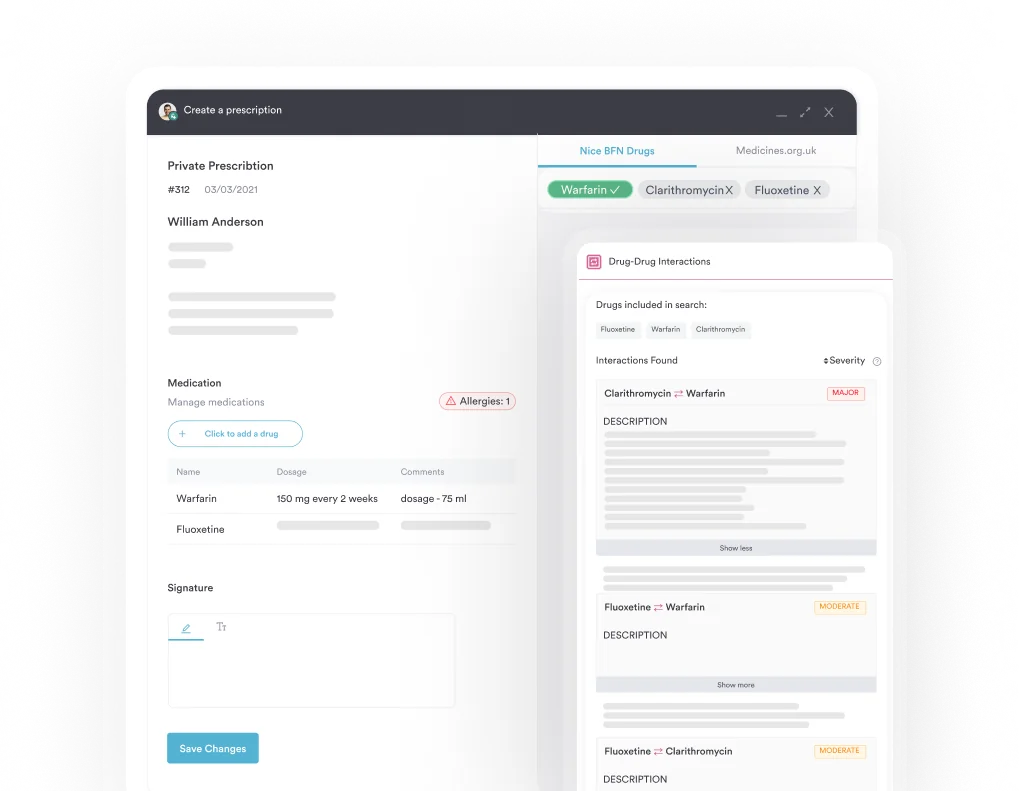
Practice management software like Pabau captures the NDC at administration and carries it straight into the claim line.
Methocarbamol is a central nervous system depressant used as a skeletal muscle relaxant. Its FDA-approved indication covers acute musculoskeletal conditions, especially painful muscle spasm from sprains, strains, and trauma. Providers reach for the injectable form when oral dosing is impractical. The clearinghouse validates structure before the payer validates content, which is why an electronic claim can fail twice.
Indications that usually support medical necessity include acute low back pain with spasm, cervical strain, and post-injury pain in rehabilitation. Practices running physical therapy alongside injection services should record the clinical rationale at every visit.
The same applies to practices billing J2800 within IV therapy services. The route and the dose in ml belong in the note, not only on the claim.
Methocarbamol is not a controlled substance at the federal level. Billing teams should still check state prescribing and dispensing rules before administering and billing it.
Medicare pays HCPCS Code J2800 under Part B drug reimbursement using the Average Sales Price (ASP) methodology. The formula is ASP plus 6% of the manufacturer’s average selling price to non-exempt purchasers. CMS updates ASP rates quarterly, so no single annual figure holds.
To find the current rate, use the CMS Physician Fee Schedule lookup tool or download the latest quarterly ASP drug pricing file. Record the effective quarter of whichever rate you used in your revenue projections.
Important: J2800 rates change every quarter. Any rate quoted in a billing policy needs the effective quarter and year beside it. Never carry a prior-quarter rate forward as a current estimate.
Every J2800 claim needs an ICD-10-CM diagnosis code that establishes medical necessity. Payers deny the claim when the reported diagnosis does not support a muscle relaxant injection. Most accepted codes sit in the musculoskeletal and injury chapters of ICD-10-CM.
Medicare Administrative Contractors (MACs) publish Local Coverage Determinations listing the diagnoses they cover for injectable muscle relaxants. The AAPC HCPCS code lookup is a quick way to confirm payer-specific crosswalk policies in your region.
Specificity matters. Use the most specific code the record supports. Reporting M62.830 when the chart clearly documents cervical strain is a coding accuracy problem, and it is the kind of pattern that triggers an audit.
CMS requires a National Drug Code (NDC) on all Part B drug claims, including J2800. The NDC has to match the vial actually administered, not a generic placeholder. A missing or invalid NDC is the most common reason J2800 claims are rejected before adjudication.
Practices that stock injectable methocarbamol should capture the NDC at the point of administration using prescription management software. That removes the transcription step at claim time, which is where most digits go missing.
Verify the mapping against the current CMS NDC crosswalk file, since new package sizes and manufacturer changes can alter it. The CMS-1500 form has one specific place for the NDC, so confirm the field before submission.
Cross-reference the NDC on the vial against the CMS crosswalk before submitting. If a manufacturer changes packaging, the NDC changes too. Build a quarterly NDC verification step into your billing workflow to avoid claim rejections caused by outdated mappings.
Unit reporting is the single biggest source of J2800 claim errors. The descriptor reads “up to 10 ml”, so one unit equals one administration event of 10 ml or less. Do not scale the units to the volume given.
That makes J2800 unusual among J-codes. Most of them bill in milligram increments, where a larger dose means more units. Billing five units for a 5 ml dose of methocarbamol is a straight overpayment, and it is the error that draws recovery audits.
Pabau’s claims management software calculates units and assigns modifiers for J-code claims, so staff review the line rather than build it from scratch.
Methocarbamol ships in single-dose vials, so one of the wastage modifiers belongs on every claim. Report JZ when the vial is used in full. Report JW on a separate line for any amount drawn and discarded.
Buy and bill applies when the practice purchases methocarbamol from a wholesaler, stores it in the office, administers it, and bills the payer. The drug itself goes on the claim as J2800.
The administration is billed separately. Use CPT 96374 for an intravenous push and CPT 96372 for an intramuscular or subcutaneous injection. CPT 96365 does not belong here, because it covers infusions running longer than 15 minutes.
Practices tracking injectable stock in inventory management software can capture the lot number and NDC as the vial leaves the shelf. Without that, staff look the NDC up after the visit, which is where errors enter.
Incomplete documentation is the second most common reason J2800 claims deny after adjudication. The note has to support both medical necessity and the specific administration billed. A diagnosis code on its own does not do that.
Structured medical forms for injection visits let providers capture every required element at the point of care. That beats reconstructing the note from memory the following day.
Medicare documentation must be retained for at least seven years from the date of service and produced on MAC audit request. Digital intake forms pull existing conditions and allergies into the injection record, which saves time and keeps the note complete.

Three errors account for most J2800 denials. Units get calculated from volume, the NDC is missing or invalid, or the diagnosis does not support the clinical need. A pre-submission review catches all three, and a wider denial management process stops the pattern repeating.
When a claim does come back, the remittance carries a reason code that names the check that failed. Reading those denial codes properly is what stops the same claim failing twice.
Manual J-code billing takes five separate lookups. Staff find the NDC, calculate the units, confirm the modifier, check the ICD-10 crosswalk, and assemble the claim line. Every one of those steps is somewhere the claim can fail.
Practice management software like Pabau replaces that checklist. The NDC captured when the provider draws the vial flows into the claim line, and the diagnosis stays linked to the encounter it came from. Staff review the claim instead of building it.
Claims then leave Pabau through our Claim.MD integration, which submits electronically and returns the payer response to the same record. Clean claim checks run first, so unit and NDC errors surface while the encounter is still open.
The same workflow covers the rest of the J-series, from J2560 to J2560 to J2720, so a practice billing several injectables works one way. Every Pabau subscription includes claims, inventory, and clinical records, so none of this sits behind a higher tier.

Pabau captures the NDC at administration, calculates the unit, and submits the claim electronically. Your team spends less time reworking rejections and more time with patients.

J2800 is a small line on a claim with very little tolerance for error. Get the unit right, put the NDC where the form expects it, and choose a diagnosis the payer already covers.
Practices that stop chasing these rejections are the ones that moved the checks upstream, into the encounter itself. That takes a system where the note, the vial, and the claim are one record rather than three.
Book a demo to see how Pabau keeps J2800 claims clean from the injection room to the payer.

Coding unspecified abdominal pain? ICD-10 code R10.9 guide covers this default code, used when a clinician documents pain without a location, cause, or character.
Coding heartburn as a symptom? ICD-10 code R12 guide covers heartburn coding and the boundary CMS sets once a provider confirms GERD or another esophageal condition.
Coding a swallowing disorder next? ICD-10 code R13.10 guide covers the choice between this unspecified code and the five phase-specific subcodes under R13.1.
Coding an abdominal mass finding? ICD-10 code R19.05 guide covers this symptom-level finding for an abnormal periumbilic mass detected on exam or imaging.
Billing another Part B injectable? J0970 walks through units, diagnosis pairing, and NDC reporting for a second J-series drug.
HCPCS Code J2800 is the billing code for an injection of methocarbamol, a skeletal muscle relaxant sold as Robaxin, in doses up to 10 ml. Practices use it when methocarbamol is purchased, administered in the office, and billed under the buy-and-bill model. Typical indications are acute muscle spasm, low back pain, and cervical strain.
One unit of J2800 equals one administration of methocarbamol up to 10 ml. Bill one unit whether 5 ml or 10 ml was given in that administration. Billing units by the volume administered instead of the number of administrations is a leading cause of denials and overpayment audits for this code.
Medicare reimburses J2800 at Average Sales Price (ASP) plus 6%. The exact amount changes every quarter. Verify it against the current CMS quarterly ASP drug pricing file or the CMS Physician Fee Schedule lookup tool. Never use a prior-quarter rate as a current estimate without checking the most recent CMS release.
The codes paired with J2800 most often are M54.50 for low back pain and M62.830 for muscle spasm. Acute injuries use S13.4XXA or S33.5XXA for a cervical or lumbar sprain on the initial encounter. Pick the most specific code the documentation supports. Check it against your MAC’s Local Coverage Determination for injectable muscle relaxants before you submit.
Yes. CMS requires the National Drug Code on every Medicare Part B drug claim, including J2800. Report it in the 11-digit format with no hyphens on electronic claims, using the correct unit qualifier. Claims without a valid NDC are usually rejected before adjudication, so the practice has to correct and resubmit rather than appeal.
Coverage varies by payer and plan. Most commercial payers recognize J2800 for physician-administered methocarbamol, but coverage policies, prior authorization rules, and rates differ. Check each payer’s fee schedule and drug policy before billing. Confirm prior authorization requirements against the patient’s specific plan rather than the payer in general.