CPT code 21011: Excision of soft tissue tumor of the face
CPT code 21011: Official descriptor and procedure overview CPT code 21011, as pu...

Last Updated: Oct 8, 2026
C1773 is the HCPCS Level II code for retrieval device, insertable (used to retrieve fractured medical devices).
Something broke inside a vessel, and a device went in after it. That is the only story C1773 tells. Report it for a routine snare case and the claim comes back.
The code itself is the easy part. Setting, payment status, and the procedure note are what decide whether the line gets paid.
Let Pabau's smart automation suggest the right codes, reduce claim denials, and keep your practice compliant—effortlessly.
Automate repetitive tasks and focus on what matters most—your patients.
Reduce coding errors and ensure compliance with the latest regulations.
Clean claims, fewer denials, and faster reimbursements.
Powerful insights and reporting to help your practice thrive.
HIPAA compliant SOC 2 certified GDPR-compliant Trusted by 4,000+ clinics worldwide

HCPCS code C1773 describes an insertable retrieval device used to recover fractured medical devices, such as a broken guide wire or a catheter fragment.
Only hospital outpatient departments and ambulatory surgery centers bill C1773, and payment runs through Medicare OPPS.
Check the current OPPS Addendum B before you submit, because a packaged device earns no separate payment.
Documentation has to name the fractured component, identify the device, and give the clinical reason retrieval was needed.
Practice management software like Pabau keeps treatment notes, device details, and claims in one record, so nothing has to be reconstructed later.
The full descriptor reads “Retrieval device, insertable (used to retrieve fractured medical devices).” Nothing else qualifies, and the parenthetical is what separates C1773 from every other snare or grasping device in the series.
C1773 is a Level II HCPCS code maintained by the Centers for Medicare and Medicaid Services, known as CMS. It sits in the assorted devices, implants, and systems range, C1760–C2615. That range exists for outpatient facility billing, not for physician professional services.
Code tables shorten the descriptor to “Ret dev, insertable.” Cath lab and interventional radiology coders usually meet that abbreviation first, so keep the long version within reach when you are choosing between neighboring codes.
C1773 applies the moment a device is inserted to retrieve hardware that has already fractured. A guide wire snaps during a cardiac catheterization. A catheter tip embolizes to a pulmonary vessel. A port catheter breaks in an oncology patient. In each case, someone has to go in and get the fragment back. Australian practices bill the equivalent service through MBS item numbers, which carry their own descriptors and eligibility rules.
The device is usually a snare or a grasping catheter, passed through a sheath and steered under fluoroscopy. C1773 pays for that device. The retrieval itself is reported separately, with its own CPT code.
Scenarios that commonly support the code include the following.
AAPC’s HCPCS Level II reference places this device category in interventional radiology, cardiology, and vascular surgery. Teams that place and maintain long-term venous access.
Now the other half. A standard snare used in a planned procedure is not C1773, even though the device looks identical. Confirm with the physician that something fractured first. Coding a routine case as a retrieval invites a denial, and sometimes an audit flag.
There is no single national dollar figure to quote. C1773 is paid under OPPS, so what you see depends on the device’s status for the year and on your geographic wage index.
CMS sets outpatient device payment each year in the OPPS final rule, then publishes the detail in the OPPS addenda. Confirm the current treatment against the CMS hospital outpatient PPS pages for your MAC jurisdiction, since rates move annually and vary by locality.
Two payment routes are possible. Device cost is often packaged into the Ambulatory Payment Classification, or APC, for the primary procedure. Some devices carry pass-through status instead and are paid separately for a limited period. Addendum B tells you which one applies.
Commercial coverage is a separate conversation. Plans set their own device policies, so never carry an OPPS rule across to a commercial contract without checking. Some MAC jurisdictions also publish Local Coverage Determinations, known as LCDs, that add medical necessity conditions.
Check this year’s OPPS Addendum B before you bill C1773. If the device is packaged, its cost already sits inside the APC payment for the procedure. You still report the code, but no separate payment arrives, so nobody should chase it later as a shortfall.
Miscellaneous codes are easy to mishandle, and medical practice management software keeps their documentation attached and auditable.
A device code rarely starts life with the coder. It starts in the procedure room, and it passes through four sets of hands before anyone submits anything.
Most C1773 problems trace back to step one or step three. A device nobody recorded never reaches the claim at all. A note that says only “snare used” leaves the coder guessing about what fractured.
The handoffs are also where data gets re-keyed. Where the clinical system and the billing system are joined up, that risk drops, which is one practical argument for EHR integration in procedural settings.
Medicare covers C1773 when the record shows the retrieval was clinically necessary and the encounter happened in an eligible setting. Coverage is not automatic. The device also has to be an insertable retrieval device, not a diagnostic or therapeutic tool used for something else.
Four things decide the outcome for most billing teams.
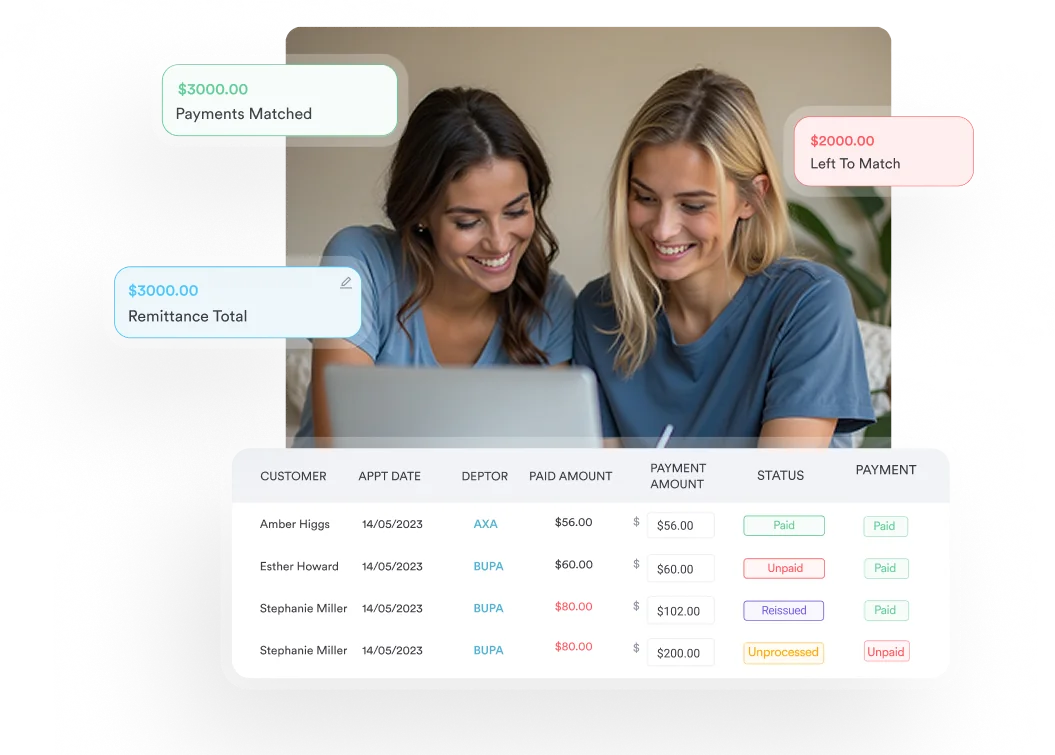
Putting the code on the claim is the last step, not the first. Three rules cover almost every C1773 line, and a fourth list covers the errors that undo them.
C1773 is a facility-side device code. Hospital outpatient departments and Medicare-certified ASCs report it. Practices billing under the Physician Fee Schedule do not report device codes for devices the facility supplied.
C1773 goes on the claim alongside the CPT code for the retrieval itself, usually a foreign body retrieval code from the vascular intervention range. The device code carries the supply. The procedure code carries the service. A claim with one and not the other is incomplete.
Edits from the National Correct Coding Initiative can apply when a device code meets certain procedure codes. Run that check before submission rather than after a bundling denial.
Report one unit of C1773 for each insertable retrieval device used. If a first device failed and a second went in, both can be reported. Each one needs its own line in the note, though, and its own device details.
Thin documentation is the shortest route to a denied C1773 claim. A reviewer needs to see that a fractured device was retrieved, not simply that a retrieval device appeared in the case. That distinction is what medical necessity review turns on.
A complete file for C1773 carries five elements.
Paper and part-digital workflows tend to lose one of the five, usually the device details. Capturing them on a structured form at the point of care closes that off. That is much of the practical case for digital clinical forms in procedural settings.
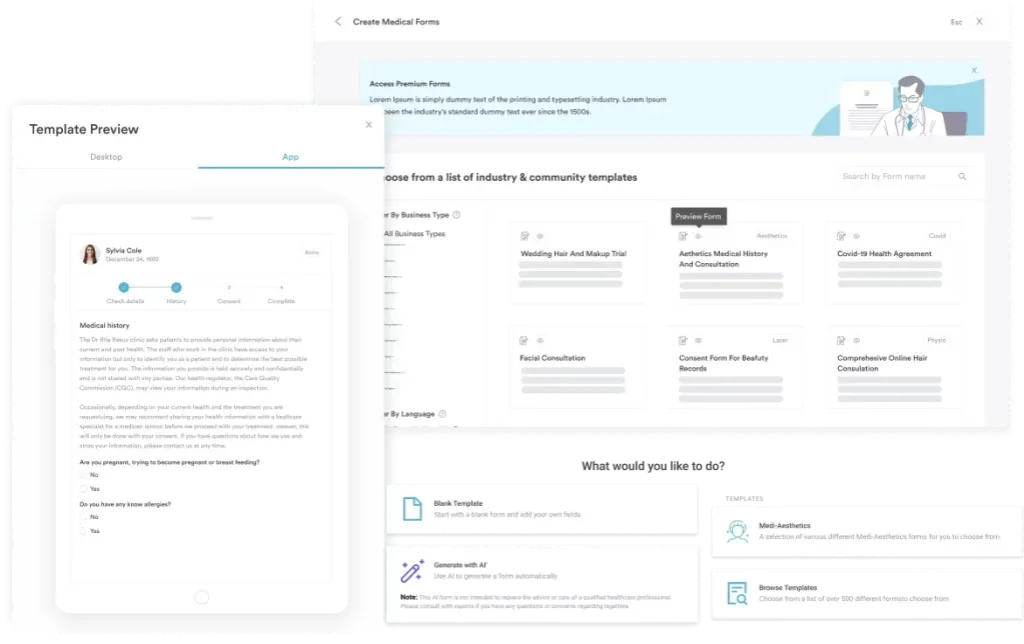
Put the device label into the procedure note while the case is still open. Manufacturer and catalog details sitting in the clinical record answer a payer’s device-identification request on the spot. Nobody has to email the supply team about it six weeks later.
Five questions catch most of what goes wrong with this code.
Five yes answers, and the line is ready to go. One no, and fixing it now is far cheaper than appealing later.
Neighboring codes in the C-series describe other pieces of the same case, which is exactly why they get mixed up. The table below sets out the ones coders meet most often alongside C1773.
Other codes in the range cover the rest of the access story. A steerable guiding sheath falls under C1766. Reading them together is the quickest way to see where one code stops and the next one starts.
C1773 has been stable through recent CMS updates, and no descriptor change or termination has been published for 2026. Stability is not permanence, though. CMS releases HCPCS Level II changes quarterly and reviews the C-series in the annual OPPS rulemaking cycle.
Codes in this range really do disappear. Verify effective dates in the current CMS quarterly file rather than in a third-party database, which can lag behind the official release.
In a lot of outpatient teams the note lives in one system, the device record in another, and the claim in a third. Details get re-keyed at every handoff. That is where device codes quietly fall apart.
Practice management software like Pabau brings clinical records, documents, and billing into one patient record. Structured intake and consent forms capture the detail during the visit. Whoever builds the claim then reads what the clinician wrote, not a summary of it.
Pabau’s claims management software then checks the fields an insurer needs before anything goes out. Membership numbers and authorization codes have to be complete, and the send option stays disabled until they are. A status dashboard shows where each claim sits after that.
The record side is handled by compliance management. Role-based access decides who can open a chart, audit trails record who changed what, and treatment notes and photos are timestamped as they are created.
So when a payer asks who documented a procedure and when, the answer is already there. Procedure-led teams already work this way.
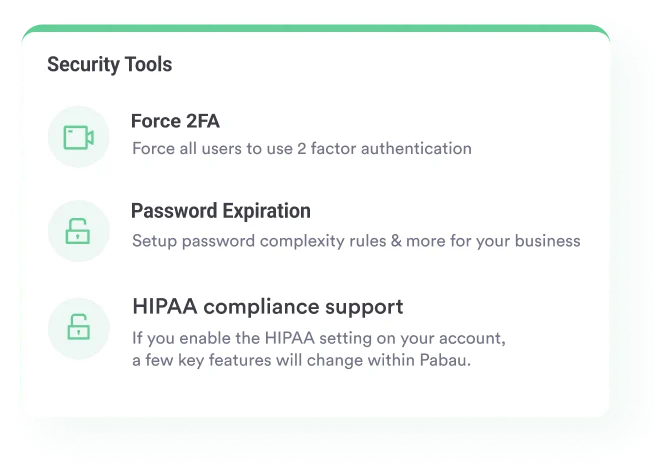

Pabau brings treatment notes, documents, and billing into a single patient record. Claims are checked for the fields your insurer needs before the send option unlocks.

C1773 is a narrow code with a narrow test. Something fractured, and a device went in to get it out. Put that in the note and most of the billing follows on its own.
What trips teams up is procedural rather than clinical. A device nobody recorded, a status indicator nobody checked, a setting that was never eligible. All three are cheaper to catch on the way out than to argue about in an appeal.
If your notes, device details, and claims live in three different places, that check is manual every single time. Book a demo to see how Pabau holds them in one record for outpatient billing teams.

Billing another device code from the same range? C1727 works through the same OPPS questions for a balloon tissue dissector.
Need the rules for an implantable device instead? C1789 covers documentation and payment for an implanted prosthesis.
Wondering how pass-through payment works in practice? C1756 explains it alongside UB-04 reporting for a catheter code.
Billing consumable supplies as well as devices? A4207 shows how supply codes are handled differently from facility device codes.
Coding a stress-related diagnosis instead? ICD-10 code F43.2 for adjustment disorder covers the stress-related conditions this code captures and where they sit clinically.
Not automatically. CMS grants device pass-through status for a limited period, and the list changes. Check the OPPS addenda for the year you are billing rather than assuming last year’s treatment still applies.
Your chargemaster decides that, not the HCPCS code itself. Facilities normally map an insertable device to a supply or implant revenue code and attach C1773 to the same line. If the line keeps rejecting, check the chargemaster entry first.
Not as a separate item when the device is packaged. Coinsurance is worked out on the APC payment for the procedure, which already carries the device cost. Standard Part B deductible and coinsurance rules apply to that amount.
Medicare’s outpatient prior authorization program covers a short list of services, and device retrieval is not on it. Commercial plans are different. Where they do require authorization, it attaches to the procedure rather than to the device code.
Both, in sequence. The procedure team records the device as it is used, and coding confirms it against the note before the claim goes out. Claims usually fail when only one of those two steps happens.