

CCSD code G5100: Bypass of duodenum billing guide
CCSD code G5100 bills a bypass that leaves the duodenum in place CCSD code G5100...

Last Updated: Oct 16, 2026
B5200 is the HCPCS Level II code for parenteral nutrition solution compounded amino acid and carbohydrates with electrolytes, trace elements, and vitamins, including preparation, any strength, stress-branch chain amino acids-freamine-hbc-premix.
According to CGS Medicare's billing guidance, parenteral nutrition claims are among the most documentation-sensitive in the DME benefit category, and unit-of-service errors are the most frequent cause of denial.
Let Pabau's smart automation suggest the right codes, reduce claim denials, and keep your practice compliant—effortlessly.
Automate repetitive tasks and focus on what matters most—your patients.
Reduce coding errors and ensure compliance with the latest regulations.
Clean claims, fewer denials, and faster reimbursements.
Powerful insights and reporting to help your practice thrive.
HIPAA compliant SOC 2 certified GDPR-compliant Trusted by 4,000+ clinics worldwide

HCPCS code B5200 describes a premix parenteral nutrition solution: compounded amino acid and carbohydrates with electrolytes, trace elements, and vitamins, billed per gram of amino acid.
Medicare covers B5200 under Part B’s DME benefit. Claims require a signed physician order (SWO) and documented medical necessity in the record. CMS eliminated the Certificate of Medical Necessity (CMN) requirement for dates of service on or after January 1, 2023.
The billing unit is per gram of amino acid in the compounded solution. Using the wrong unit of service is a leading cause of B5200 claim denials.
Pabau’s claims management software helps infusion and nutrition therapy practices keep compliant documentation and submit accurate HCPCS claims.
HCPCS code B5200 sits within the Level II B-series range, which CMS maintains for enteral and parenteral supplies.
The code captures a compounded solution designed for patients who cannot absorb nutrition through the gastrointestinal tract, receiving it instead through a central venous catheter, often at home, alongside other DME billed under this benefit, such as the E0265 hospital bed code.
B5200 is a premix code, not a home-mix code, and that distinction drives how the claim is billed. The pharmacy delivers one already-combined amino acid-and-carbohydrate solution, with electrolytes, trace elements, and vitamins blended in, rather than separate components compounded on-site.
Premix codes in this range, B4189, B4193, B4197, B4199, B5000, B5100, and B5200, explicitly forbid billing the component carbohydrates, amino acids, or additives separately from the compounded solution.
Home-mix codes, like B4164, B4168, B4172, B4176, B4178, and B4180, work the opposite way: each component is compounded and billed on its own line.
The full descriptor is: Parenteral nutrition solution; compounded amino acid and carbohydrates with electrolytes, trace elements, and vitamins, including preparation, any strength, stress-branch chain amino acids-Freamine-HBC-premix.
The short descriptor is: Parenteral sol hepatic fream. The unit of service is one gram of amino acid in the compounded solution.
This means a single claim line does not represent one bag or one day of therapy — the quantity billed must reflect the total grams of amino acid delivered. Getting this wrong is one of the fastest routes to a denial.
The table below covers the structured metadata a biller needs before submitting a claim for HCPCS code B5200.
Medicare covers home parenteral nutrition (HPN) under the Part B DME benefit, not Part A. Coverage is governed by the Local Coverage Determination (LCD) for parenteral nutrition and the associated CMS fee schedule lookup.
For practices familiar with IV therapy best practices, the coverage model here is similar in structure: medical necessity must be established before the first infusion, not retroactively documented after.
Coverage requires all of the following before a B5200 claim is valid:
CMS eliminated the Certificate of Medical Necessity (CMN CMS-10126) and DME Information Form (DIF) requirement for claims with a date of service on or after January 1, 2023, per CMS Special Edition SE22002. Suppliers should not submit a CMN with a B5200 claim — claims filed with one attached are rejected, not approved.
The underlying requirement hasn’t gone away: you still need the signed physician order and medical-necessity documentation in the patient’s record, available on request.
Medicare reimbursement rates for HCPCS B5200 are set annually under the DMEPOS fee schedule. The table below reflects 2026 national payment rates. Verify current rates against the CMS fee schedule lookup before submitting, as rates are subject to geographic locality adjustments.
Practices not enrolled as DMEPOS suppliers cannot bill B5200 to Medicare directly. If your practice provides the clinical order but a DME supplier compounds and delivers the solution, the supplier submits the HCPCS claim. Confirm your enrollment status before accepting assignments.
The best medical practice management systems tie supply usage to invoices, so dressing changes stop being free.
Every B5200 claim requires at least one supporting ICD-10-CM diagnosis code that establishes medical necessity. Understanding IV therapy administration rules is important context here: the clinician ordering the parenteral nutrition must be qualified to diagnose the condition that makes enteral nutrition impossible.
Claims without a supported diagnosis are denied on medical necessity grounds, and retro-authorization is rarely successful. GI-related supply codes such as A4425 follow the same diagnosis-support principle.
The following ICD-10-CM codes are commonly accepted as supporting diagnoses for B5200 claims. Verify against the current CMS LCD for parenteral nutrition before submitting, as covered diagnoses are reviewed annually:
List the primary diagnosis first, then any secondary codes supporting the clinical picture. The diagnosis must be specific enough to justify why oral or enteral feeding is not an option. Vague malnutrition codes without supporting clinical context are a common audit trigger.
Modifiers for HCPCS B5200 follow DME claim rules. The applicable modifier depends on the supplier relationship to the patient and whether the item is new, rental, or a replacement. Modifier errors are the second most common denial cause for parenteral nutrition codes, after unit-of-service mistakes.
Modifier BA is the most important one to get right. Omitting it on a parenteral nutrition claim signals to the MAC that the claim may not be PEN-related, triggering an edit or denial. Modifier KX requires that you can produce the supporting documentation on request. Adding it without the documentation in place creates audit exposure.
Parenteral nutrition is one of the most documentation-intensive categories in the DME benefit. For practices also managing IV therapy intake forms or mobile IV therapy business workflows, many of the same clinical record principles apply.
The difference is that home parenteral nutrition documentation must exist before the service begins, not be assembled after a denial arrives.
Required documentation for every B5200 claim:
Don’t attach a Certificate of Medical Necessity. CMS eliminated the CMN and DIF requirement for dates of service on or after January 1, 2023 (per SE22002). Claims filed with one attached are rejected.
What still matters is that the signed physician order and the medical-necessity documentation behind it exist in the patient’s record before the first service date, and can be produced quickly if the MAC asks for it.
Using digital intake forms that capture clinical assessments at the point of care reduces the risk of missing fields and creates a time-stamped record that can be retrieved quickly during a post-payment audit.
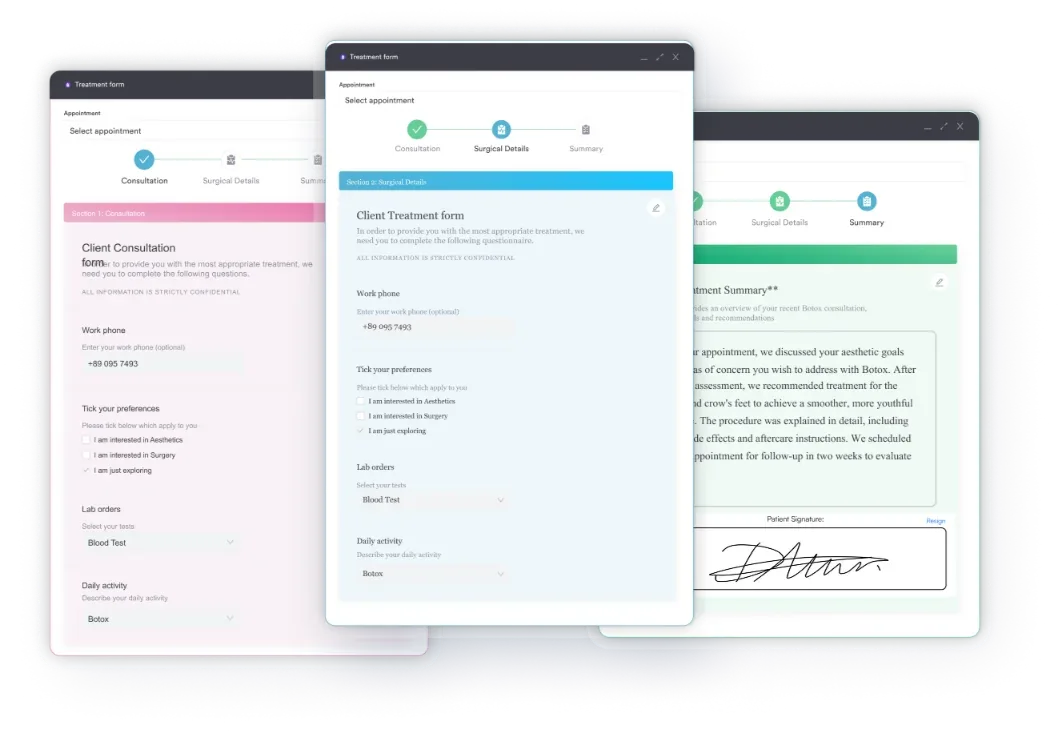
Practices opening an IV therapy clinic that plan to offer home parenteral nutrition services face a steep learning curve on HCPCS billing.
The claim workflow for B5200 differs from standard outpatient procedure codes in three important ways: the unit of service is based on grams of amino acid rather than encounters, the claim goes through the DMEPOS fee schedule rather than the physician fee schedule, and the MAC contractor, not your local payer, handles appeals.
Common B5200 billing errors and how to avoid them:
Before submitting any B5200 claim, run a preflight check: confirm modifier BA is present, the unit count reflects total grams of amino acid in the compounded solution, the ICD-10 code is on the LCD’s covered diagnosis list, and the signed physician order is on file before the first service date. Don’t attach a CMN, since CMS stopped accepting them for dates of service on or after January 1, 2023. These checks catch the majority of B5200 denials before they happen.
B5200 is the last code in the parenteral nutrition HCPCS codes range. Selecting the wrong code from this range is a common error when the solution formula changes mid-therapy or when a different premix formula is prescribed.
The table below covers the codes practices most often confuse with B5200. For related supply billing, see our guide to A4208.
The key decision point between B5200 and adjacent codes is whether the solution’s components are compounded and billed separately (home mix) or delivered as a single bundled premix combination.
B5200 is a premix code: the pharmacy delivers one already-combined solution, and Medicare forbids billing the carbohydrates, amino acids, or additives as separate line items on top of it.
If your pharmacy compounds each component separately instead of using a premix, the correct codes are the home-mix components: B4164 or B4180 for carbohydrates, and B4168 through B4178 for amino acids, rather than B5200.
For infusion therapy practices handling HCPCS B5200 claims, the documentation burden is substantial. Physician orders, medical necessity documentation, nutrition assessments, and monthly reassessment notes all need to be retrievable on demand.
Practices running IV therapy EMR software.
Practice management software like Pabau. Rather than maintaining separate paper or PDF files for physician orders and supporting medical necessity documentation, the documentation lives alongside the patient record.
When a MAC requests supporting records during a post-payment audit, the retrieval takes minutes rather than hours of file searching.
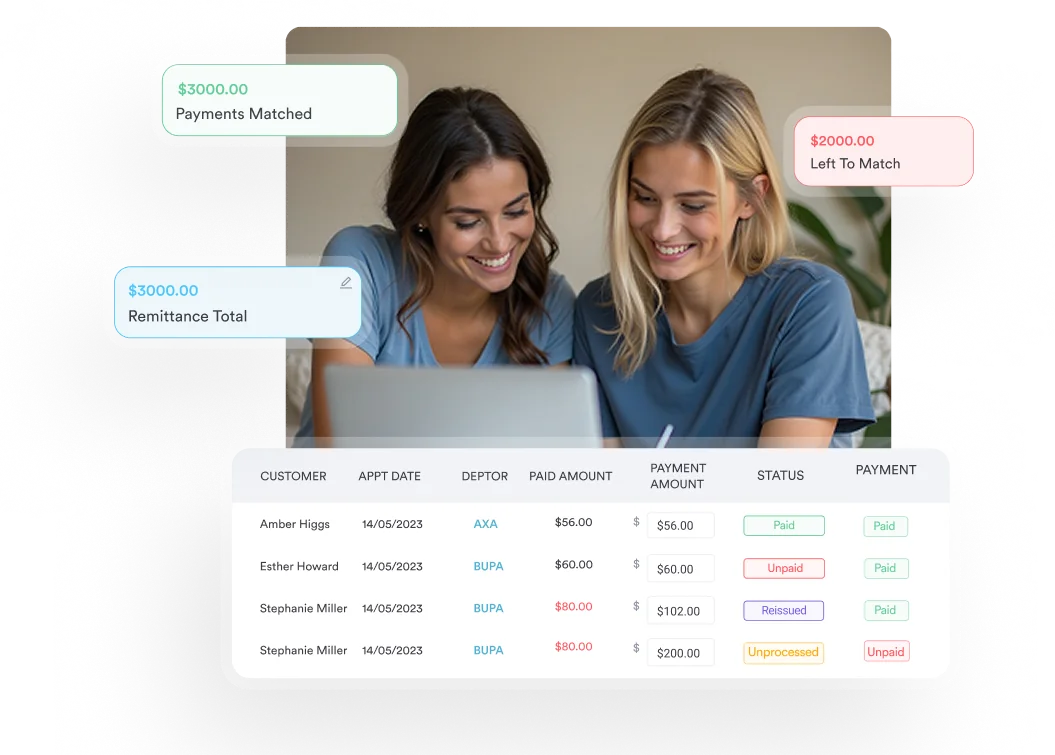
For practices that also work with best IV therapy EMR tools, Pabau’s structured note templates and intake workflows reduce missing or incomplete documentation that leads to B5200 denials. The compliance management software provides audit trail visibility across all patient records, which matters when CMS conducts targeted reviews of parenteral nutrition claims. Revenue cycle management treats coding, submission and collection as one process rather than three handoffs. Revenue cycle management treats coding, submission and collection as one process rather than three handoffs.
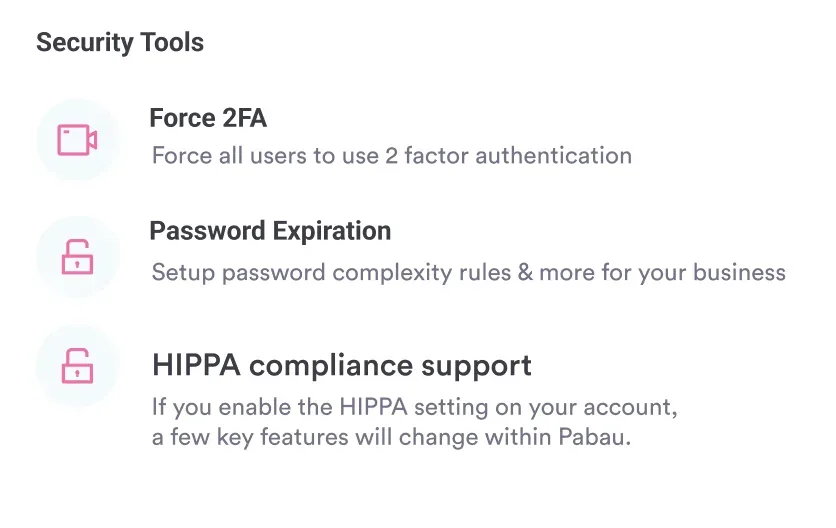

Pabau connects clinical documentation with HCPCS billing workflows, helping infusion therapy practices maintain compliant records and reduce DME claim denials. See how it works for your practice.

B5200 denials are almost entirely preventable. The code itself is straightforward. The claim fails when the unit of service is calculated wrong, modifier BA is missing, or the signed physician order isn’t in place before the first infusion. Practices that standardize their preflight checklist eliminate the majority of these errors before claims reach the MAC.
For infusion therapy practices looking to tighten their HCPCS billing workflows, Pabau’s documentation and claims tools give your team a structured way to manage the records that support every B5200 claim. Book a demo to see how Pabau handles infusion therapy documentation end to end.

Billing a related infusion drug code? J2795 billing guide covers unit calculations and National Drug Code requirements for ropivacaine hydrochloride injection claims.
Coding a related bone health diagnosis? ICD-10 code M83.8 guide explains this residual category and how it differs from the unspecified M83.9 code.
Billing outpatient psychiatric care instead? HCPCS code S9480 explains billing guidelines, modifiers, and payer coverage for intensive outpatient psychiatric services.
HCPCS code B5200 is used to bill for a parenteral nutrition solution that is compounded with amino acids, carbohydrates, electrolytes, trace elements, and vitamins, delivered as a single premix combination and billed per gram of amino acid. It applies when a patient cannot absorb nutrition through the gastrointestinal tract and receives nutrition intravenously, often at home, through a central venous catheter.
B5200 is covered under Medicare Part B through the Durable Medical Equipment (DME) benefit. Claims must be submitted by an enrolled DMEPOS supplier, not through the physician fee schedule. The patient pays 20% coinsurance after the Part B deductible.
Modifier BA is required on all B5200 claims to identify the item as a parenteral and enteral nutrition service. Modifier KX is added when all LCD coverage criteria are documented and satisfied. Modifier GA applies when an Advance Beneficiary Notice (ABN) has been signed, and GZ is used when the item is expected to be denied as not medically necessary.
The primary ICD-10-CM code must document the condition preventing enteral nutrition, such as short bowel syndrome (K91.2), severe malnutrition (E43), or Crohn’s disease (K50.00). General malnutrition codes alone are typically insufficient. Verify the specific covered diagnosis list in the current CMS Local Coverage Determination for parenteral nutrition before submitting.
The most common errors are calculating the unit of service incorrectly (billing per bag or per day instead of per gram of amino acid), omitting modifier BA, billing the compounded solution’s components separately (not allowed for a premix code like B5200), attaching a Certificate of Medical Necessity that CMS no longer accepts for dates of service on or after January 1, 2023, and using an ICD-10 diagnosis code not covered under the parenteral nutrition LCD. Each of these triggers a denial that is difficult to reverse after the fact.
Required documentation includes a signed physician order (SWO) specifying the formula, rate, and duration, clinical records showing GI dysfunction, a nutrition assessment confirming enteral feeding is not feasible, caregiver training documentation, and monthly reassessment notes for ongoing therapy. CMS eliminated the Certificate of Medical Necessity (CMN CMS-10126) requirement for dates of service on or after January 1, 2023, so don’t submit one. All remaining documentation must exist before the first service date.



