

CCSD code G5100: Bypass of duodenum billing guide
CCSD code G5100 bills a bypass that leaves the duodenum in place CCSD code G5100...

Last Updated: Oct 16, 2026
B4100 is the HCPCS Level II code for food thickener, administered orally, per ounce.
Let Pabau's smart automation suggest the right codes, reduce claim denials, and keep your practice compliant—effortlessly.
Automate repetitive tasks and focus on what matters most—your patients.
Reduce coding errors and ensure compliance with the latest regulations.
Clean claims, fewer denials, and faster reimbursements.
Powerful insights and reporting to help your practice thrive.
HIPAA compliant SOC 2 certified GDPR-compliant Trusted by 4,000+ clinics worldwide

HCPCS Code B4100 describes food thickener, administered orally, per ounce – a Level II HCPCS code in the B-series covering enteral and parenteral therapy supplies.
B4100 is billed per ounce of product, not per package or per day – billing incorrect units is the single most common claim denial reason for this code.
HCPCS Code B4100 has no Medicare benefit category and is always noncovered – no CMN, ICD-10 diagnosis, or documentation packet makes it billable to Medicare Part B or DME, regardless of medical necessity.
Practice management software like Pabau keeps the patient noncoverage notice, proof of delivery, and invoice history attached to one record, so front-desk teams can explain a B4100 charge without digging through paper files.
HCPCS Code B4100 sits within the B-series of HCPCS Level II codes, which covers enteral and parenteral therapy equipment and supplies. The Centers for Medicare and Medicaid Services (CMS) maintains this code set and publishes annual updates effective January 1 each year.
B4100 covers oral food thickener only. Tube feeding formulas, enteral pumps, and enteral administration sets use separate B-series codes. Some of those codes are payable when the product is delivered by tube.
Confusing oral thickener with a tube-fed formula code creates inconsistent records. It can also lead a supplier to bill a payable code for a product the patient never received by tube. Keeping clinical records up to date is the first line of defense against that kind of mix-up.
Medicare Part B and the DME benefit never cover HCPCS Code B4100, regardless of diagnosis, physician order, or documentation on file. The CMS Enteral Nutrition Policy Article governs this exclusion. The current version is A58833, paired with LCD L38955. The predecessor article, A52493/L33783, carried identical language.
Under “Nutrients,” it lists food thickeners (B4100), baby food, and other regular grocery products that can be blenderized for the enteral system. These items are denied as noncovered.
Under “General,” it adds that enteral nutrition products administered orally, and related supplies, are noncovered with no benefit. There is no coverage-criteria checklist to satisfy, because no benefit category exists for a product administered by mouth in the first place.
Practices managing HIPAA compliance for medical offices alongside billing workflows should keep the patient noncoverage notice and proof of delivery in the same record. That protects against billing disputes. No Medicare claim is ever at stake for this code, but a clear paper trail still matters.
ICD-10 diagnosis codes describe the clinical reason a patient needs food thickener. They do not establish Medicare medical necessity for B4100, because no benefit category exists for this code to attach a diagnosis to.
Coders should still record the diagnosis accurately, since it belongs in the clinical record. It may also support a covered tube-feeding code if the patient’s route of nutrition changes. The codes below are the diagnoses most often documented alongside an oral thickener order.
Always code to the highest specificity supported by physician documentation. R13.10 (unspecified dysphagia) is appropriate only when the phase of dysphagia is not documented.
Practices managing multiple patients with neurological or oncology diagnoses still benefit from linking ICD-10 codes to their source documentation.
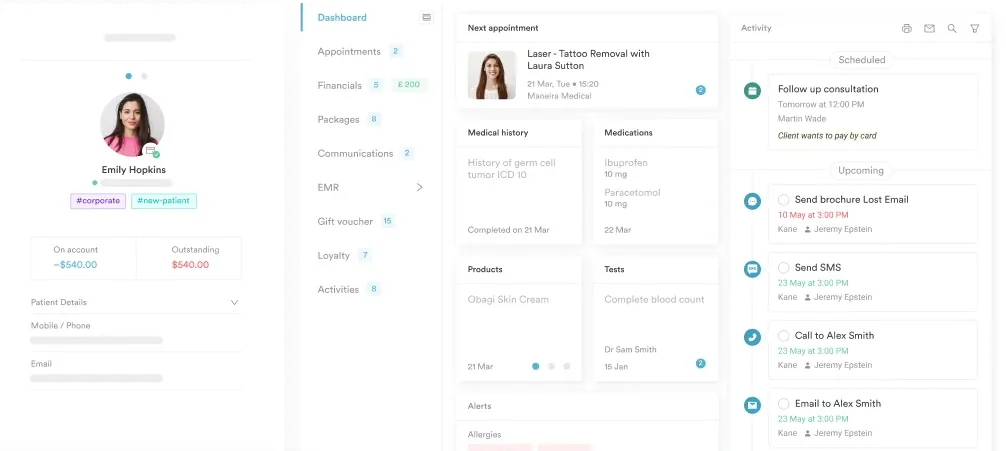
An inventory management tool flags when supply usage and supply billing drift apart.
HCPCS Code B4100 carries no payable Medicare fee schedule rate, because the code falls outside every DME benefit category. The DMEPOS fee schedule files CMS publishes each January list B4100 with a noncovered status rather than a dollar allowable. A lookup on the CMS Physician fee schedule lookup tool returns no payable amount for this code.
The exclusion is a national coverage decision, not a MAC-specific rate. It will not change from one locality or fee schedule cycle to the next.
The AAPC HCPCS code lookup and the PGM Billing HCPCS lookup tool help confirm B4100’s status each year, alongside the CMS policy article.
Before invoicing a patient for a month of food thickener, calculate the total ounces used. Divide the container size by ounces per serving, then itemize exactly that quantity. Since B4100 has no payable Medicare rate, the bill goes straight to the patient. Rounding the quantity up creates a billing dispute and a refund, not a payer audit.
B4100 is never Medicare-payable, so its documentation protects the supplier and informs the patient rather than a payer. A CMN file serves no purpose here, but DME suppliers should still keep a complete delivery record.
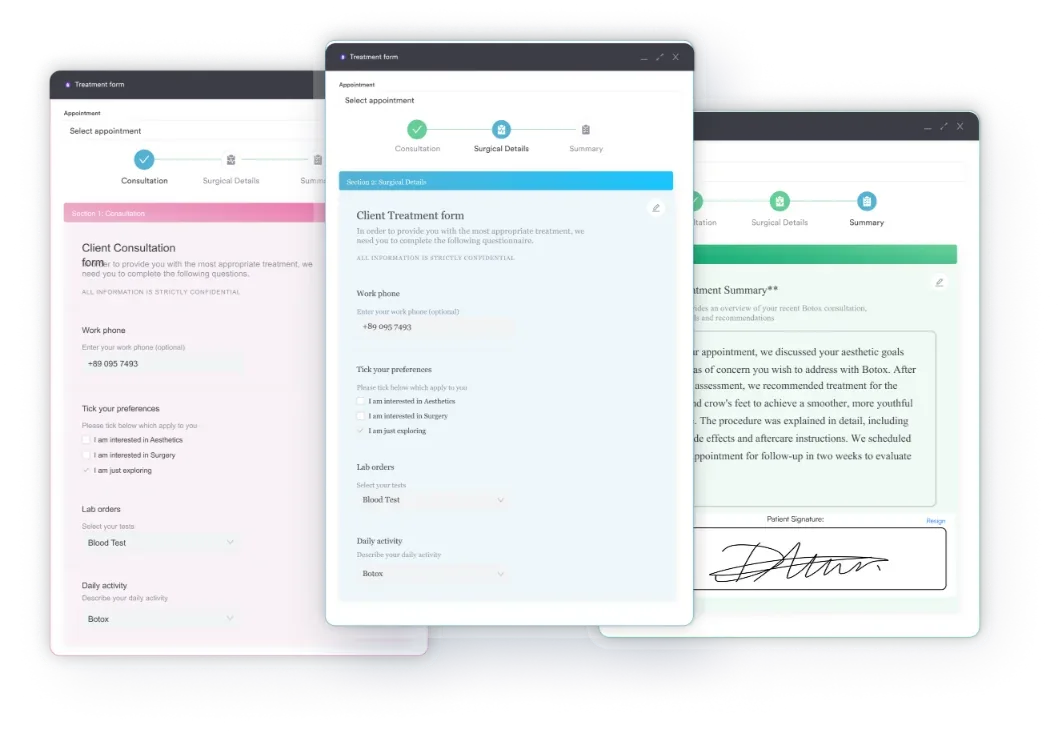
Structured digital intake forms can enforce required fields at the point of data collection, so the noncoverage notice and proof of delivery are never missing when a patient questions a charge. For practices managing multiple DME patients.
Billing B4100 correctly means getting three things right. Those are the correct unit of service, the correct modifier for a statutorily excluded item, and clear notification that the patient is paying directly. The CGS Medicare correct coding guidance for enteral nutrition confirms this billing treatment across DME MACs.
Modifiers signal coverage status, patient situation, and supplier attestation to the MAC. For a statutorily excluded code like B4100, only one modifier reflects reality; the others describe scenarios that do not apply here. Practices using documentation software that flags the wrong modifier before a claim goes out can catch this mistake early.
The following billing mistakes are exactly what time-saving practice features catch through automation and validation rules. Knowing the patterns is the first step to preventing them.
Maintaining patient compliance documentation as part of a structured clinical workflow, rather than at billing time, eliminates most of these errors at the source.
Billers who understand the clinical picture behind B4100 write clearer patient communications, though clinical need has no bearing on Medicare payment. Food thickener is a clinical intervention, prescribed when thin liquids present an aspiration or choking risk rather than a comfort measure.
The National Dysphagia Diet (NDD) framework and the International Dysphagia Diet Standardisation Initiative (IDDSI) both define thickening levels used in clinical prescriptions.
Common scenarios that lead a physician to prescribe food thickener include:
The clinical record for a B4100 order should reflect one of these scenarios specifically, rather than a generic dysphagia code, supporting continuity of care and any future switch to a covered tube-feeding code. Documents that belong in that record include:
Practices using EHR integration for billing workflows can attach these supporting documents directly to the patient’s file, reducing the time required to answer a billing question.
B4100 is one of many B-series codes covering enteral nutrition supplies, and selecting the correct code requires understanding what each covers and who it’s for. The table below shows the most commonly used adjacent codes and key differentiators; for the full list, refer to the CMS HCPCS code file updated each January.
The key rule: Medicare’s enteral nutrition benefit requires administration through a feeding tube, and B4100 covers food thickener taken by mouth, so it sits outside that benefit entirely.
Among the formula codes, B4150, B4152, and B4157-type formulas can be Medicare-payable when delivered by tube. B4102 and B4103 stay noncovered regardless of route, since they replace fluids and electrolytes rather than provide general nutrition. Suppliers billing parenteral nutrition should reference B4197.
When a patient transitions from oral thickened liquids (B4100) to tube feeding, update the billing codes immediately. The tube-fed formula code can be Medicare-payable where B4100 never was. Continuing to invoice B4100 after a tube-feeding order is documented creates a mismatch between the clinical record and the bill. Update the physician’s order and the billing codes to reflect the current route of nutrition delivery.
DME suppliers billing B4100 often keep the noncoverage notice, the proof of delivery, and the itemized invoice in separate places. That makes it hard to answer a patient’s billing question quickly, especially months after delivery.
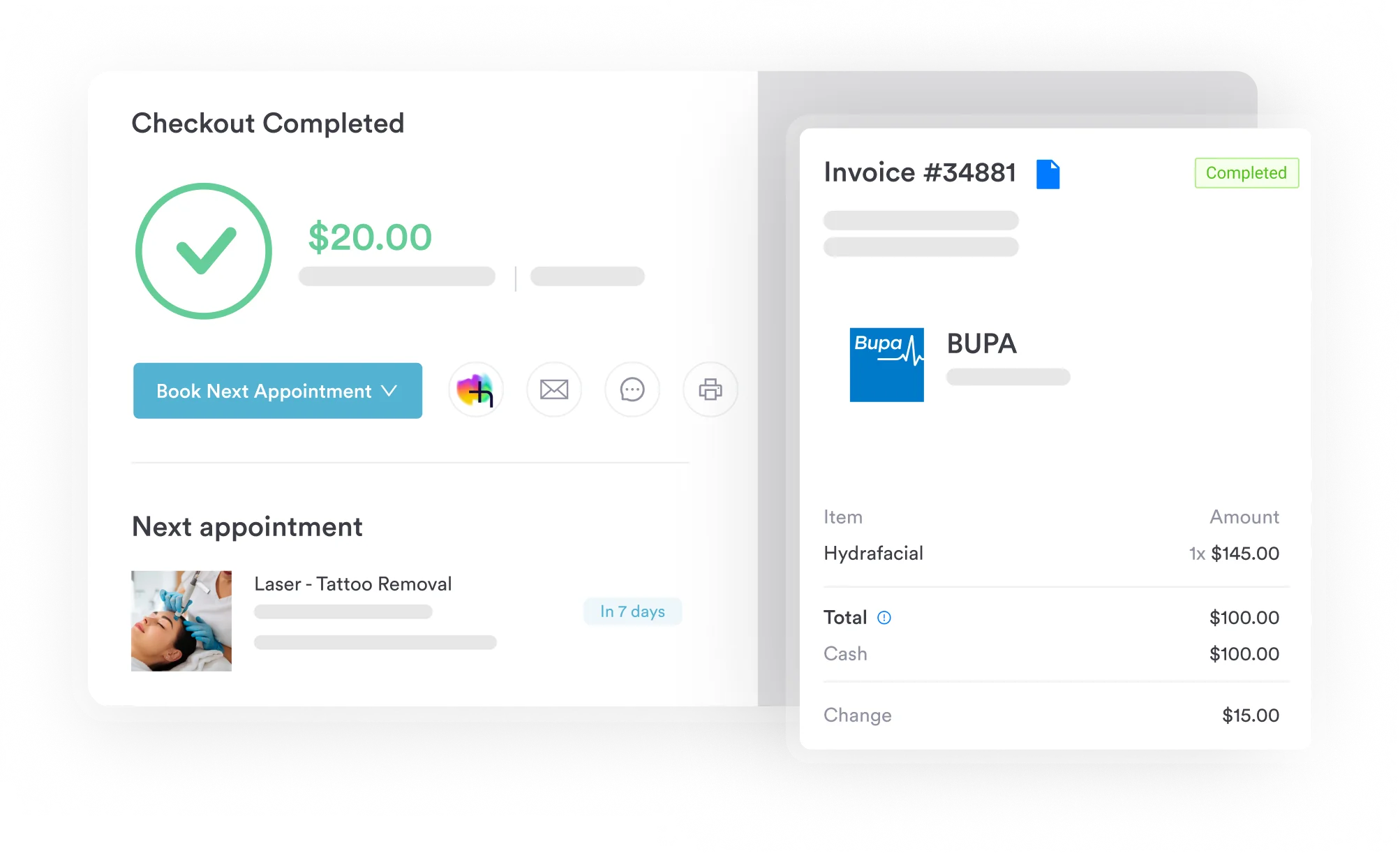
Practice management software like Pabau attaches each of those documents to the same patient record. A front-desk team member can see the signed noncoverage notice, the delivery receipt, and the invoiced ounces in one place. There’s no separate billing system or paper file to search.
That structure also carries the physician order and clinical notes that support a future switch to a covered tube-feeding code. The record stays consistent even if the patient’s route of nutrition changes.

Practice management software like Pabau attaches noncoverage notices, proof of delivery, and patient invoices to each record. Your front desk can answer a billing question in seconds. See how Pabau supports enteral nutrition documentation workflows.

HCPCS Code B4100 is a tightly scoped code with one governing rule. Medicare never pays it, because no benefit category covers a product administered by mouth. The per-ounce unit requirement, the GY modifier, and clear patient notification matter far more here than a CMN or an ICD-10 diagnosis.
Neither one creates coverage where none exists. Getting this right protects patients from surprise billing disputes and keeps a supplier’s records straight, even without a payer in the loop.
Practice management software like Pabau helps DME suppliers and clinical practices keep noncoverage notices, proof of delivery, and patient invoices in the same record. That way, front-desk staff can answer a billing question without digging through paper files. To see how Pabau supports enteral nutrition documentation workflows, book a demo with the team. An itemized superbill keeps the required fields in one place: dates, codes, charges and provider identifiers.

Billing a prefabricated AFO claim? prefabricated ankle-foot orthosis guide explains the dorsiflexion assist descriptor and the Medicare LCD coverage rules for this code.
Billing a related metabolic formula code? HCPCS Code B4154 covers the billing rules for special metabolic enteral formula.
Billing a suspension sleeve add-on? suspension sleeve billing guide covers the PDAC verification and modifier rules that keep these claims from denial.
HCPCS Code B4100 is a Level II HCPCS code that describes food thickener administered orally, per ounce. It falls within the B-series of HCPCS codes covering enteral and parenteral therapy supplies. Suppliers use it to bill for oral food thickener provided to patients with dysphagia or other swallowing disorders, though Medicare never pays the claim.
No. HCPCS Code B4100 is statutorily excluded from Medicare Part B and the DME benefit, because Medicare’s enteral nutrition coverage applies only to products administered through a feeding tube. An orally-administered product like food thickener falls outside that benefit regardless of diagnosis, physician order, or documentation on file, so there is no coverage pathway to qualify for.
Because B4100 is never Medicare-payable, the documentation that matters is a patient noncoverage notice, an itemized invoice specifying ounces delivered, and a signed proof of delivery. A CMN isn’t required, since no Medicare benefit exists for this code to attach one to; suppliers submitting a claim purely for a secondary-payer denial should append the GY modifier.
No. A CMN applies only to items with an existing Medicare benefit category, and B4100 has none – it’s statutorily excluded regardless of diagnosis or physician order. Suppliers don’t need to track a CMN or its recertification for this code; a patient noncoverage notice and proof of delivery are what matter instead.



