

CCSD code G5100: Bypass of duodenum billing guide
CCSD code G5100 bills a bypass that leaves the duodenum in place CCSD code G5100...

Last Updated: Oct 16, 2026
A9513 is the HCPCS Level II code for lutetium lu 177, dotatate, therapeutic, 1 millicurie.
Most billing errors on HCPCS Code A9513 claims trace back to one of three mistakes: wrong unit count, missing ICD-10 substantiation, or submitting without the required administration CPT code alongside it. Each error can trigger a denial from Medicare or a commercial payer, delaying reimbursement for one of the most expensive drugs in the oncology billing portfolio. When a claim on this code comes back unpaid, the denial reason codes on the remittance name the cause.
Lutathera carries a list price exceeding $200,000 per treatment cycle, making accurate A9513 coding a high-stakes task for any practice managing neuroendocrine tumor patients.
Let Pabau's smart automation suggest the right codes, reduce claim denials, and keep your practice compliant—effortlessly.
Automate repetitive tasks and focus on what matters most—your patients.
Reduce coding errors and ensure compliance with the latest regulations.
Clean claims, fewer denials, and faster reimbursements.
Powerful insights and reporting to help your practice thrive.
HIPAA compliant SOC 2 certified GDPR-compliant Trusted by 4,000+ clinics worldwide

HCPCS Code A9513 describes lutetium lu 177, dotatate, therapeutic, 1 millicurie, the radioligand therapy agent sold as Lutathera for GEP-NET treatment.
Bill A9513 per millicurie administered; a standard Lutathera infusion of 7.4 GBq equals approximately 200 mCi, so most claims report 200 units.
Medicare Part B reimburses A9513 at ASP+6% under the outpatient fee schedule; always verify the current quarter’s rate before submitting claims.
Pabau’s claims management software supports specialty drug HCPCS codes like A9513, helping oncology and neuroendocrine tumor practices track units, modifiers, and payer policies in one place.
HCPCS Code A9513 is the correct billing code for lutetium Lu 177 dotatate, the radioligand therapy agent marketed under the brand name Lutathera by Novartis (Advanced Accelerator Applications). The code sits within the HCPCS Level II radiopharmaceutical range and is maintained annually by the Centers for Medicare and Medicaid Services (CMS) as part of the HCPCS Level II code set.
Other HCPCS Level II codes.
Because the descriptor specifies “1 millicurie,” billers must report the actual number of millicuries administered as the claim unit count. A single Lutathera infusion is prescribed at 7.4 GBq (gigabecquerels), which converts to approximately 200 mCi. That means most claims for a standard dose will carry a unit quantity of 200, not 1. Eligibility, referral status and time thresholds all sit inside the Medicare Benefits Schedule descriptor rather than the code itself.
Lutathera received FDA approval in January 2018 for adult patients with somatostatin receptor-positive gastroenteropancreatic neuroendocrine tumors (GEP-NETs). The label has since expanded, and the current indication now covers adult and pediatric patients 12 years and older with the same diagnosis.
The drug works by binding to somatostatin receptors overexpressed on GEP-NET cells, delivering targeted radiation directly to tumor tissue. This mechanism is classified as radioligand therapy, a category that pairs a carrier molecule with a therapeutic radionuclide.
Understanding the clinical context helps billers apply the correct ICD-10 codes and anticipate payer medical necessity reviews. Practices handling neuroendocrine tumor patients can benefit from structured claims management software that tracks specialty drug HCPCS codes across multiple patient records.
Infusion-heavy specialties outside oncology.
Off-label use of Lutathera is not covered by Medicare or most commercial payers under A9513. Claims submitted for indications outside the FDA-approved GEP-NET indication require careful review against individual payer policies before submission.
Medicare Part B reimburses A9513 at Average Sales Price plus 6% (ASP+6%), consistent with the standard CMS methodology for separately payable Part B drugs. The ASP rate is updated quarterly, so the exact reimbursable amount per millicurie changes four times per year.
Billers should verify the current quarter’s ASP file before finalizing claims. The CMS fee schedule tool provides current payment limit data by HCPCS code and locality.
Site of service affects reimbursement significantly. Hospital outpatient departments bill through the OPPS (Outpatient Prospective Payment System), while physician office settings bill through the Part B Physician Fee Schedule. Both settings use A9513 as the drug code, but the allowable amounts differ. Verify site-specific rates against the current CMS quarterly ASP file before projecting reimbursement for a treatment cycle.
Download the CMS quarterly ASP drug pricing file from cms.gov each January, April, July, and October. Cross-reference your A9513 unit cost against the published ASP rate before submitting claims to identify any potential shortfall between acquisition cost and reimbursement.
An inventory management tool flags when supply usage and supply billing drift apart.
Accurate billing for A9513 requires attention to units, place-of-service codes, paired CPT codes, and documentation requirements. A missed step at any point can produce a denial or a compliance exposure.
For practices managing multiple oncology and specialty drug patients, consistent documentation workflows reduce rework significantly. Structured medical documentation processes ensure each claim captures the required clinical data before submission.
Report the number of millicuries actually administered, not the prescribed dose. If the infusion delivers 199 mCi due to radioactive decay during transport, report 199 units. Documentation must match the administered amount on the claim.
Use POS 22 for hospital outpatient infusion centers. Use POS 11 for physician office-based infusion. The payer system routes claims to different fee schedules based on POS, so an error here can result in payment at the wrong rate or an outright rejection.
For practices managing specialty procedure billing workflows, maintaining a pre-submission checklist for high-cost drug claims reduces the risk of documentation-related denials. Many practices also benefit from linking A9513 claims to their prescription management software to track drug receipt, dose preparation, and administered quantities in one auditable record.
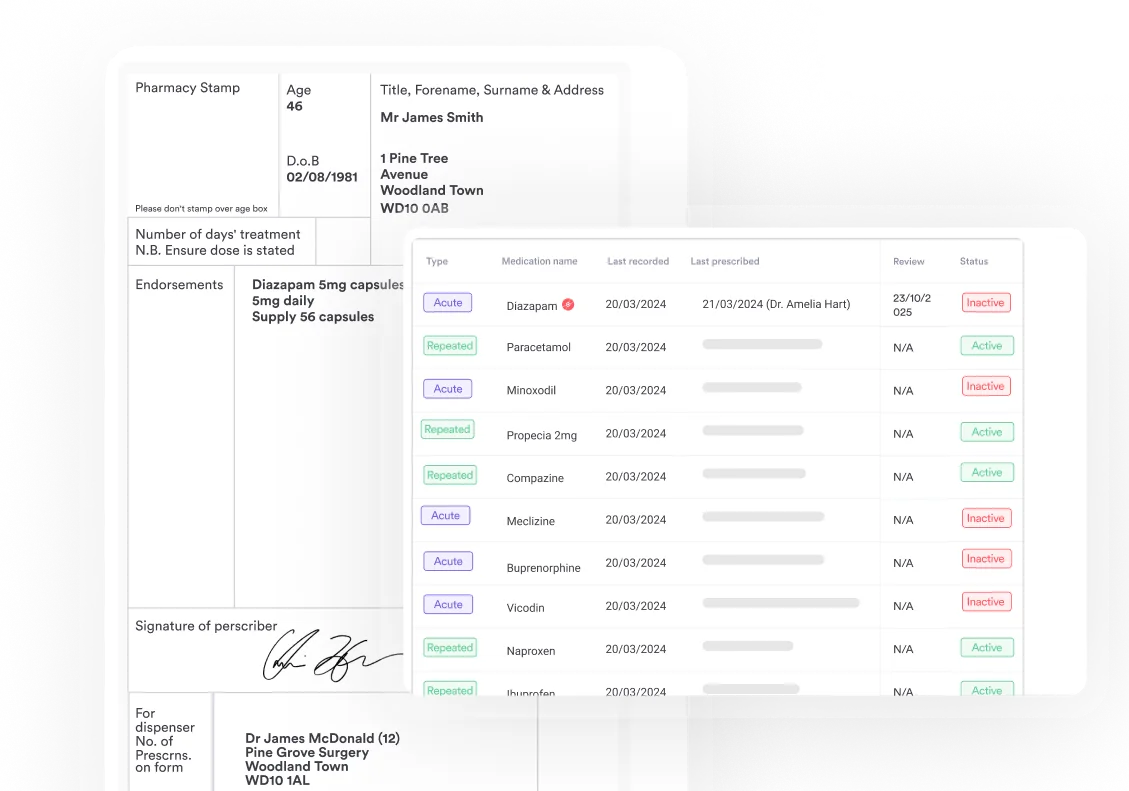

Pabau’s claims management tools help oncology and specialty practices track HCPCS drug codes, document administered doses, and submit accurate claims without switching between systems.

Medicare and most commercial payers require at least one substantiating ICD-10-CM diagnosis code on every A9513 claim. The code must match the LCD (Local Coverage Determination) or NCD (National Coverage Determination) applicable to the treating contractor.
The ICD-10 codes below represent the primary GEP-NET diagnoses that support medical necessity for Lutathera. Always verify against the current LCD before submitting a claim. For ICD-10 reference on other specialty diagnoses.
Payers may require additional secondary codes documenting metastatic disease or somatostatin receptor positivity findings. Billers handling ICD-10 crosswalks for complex oncology cases can apply the same cross-referencing approach used for codes like M05A, though specialty-specific LCD guidance always takes precedence.
For current code validity and Medicare LCD applicability, the ICD List lookup tool mirrors official CMS data and is free to use.
A9513 covers the drug cost only. The intravenous infusion administration must be billed separately, and CPT 79101 (radiopharmaceutical therapy, by intravenous administration) is the most specific code for that purpose. Some payers instead accept, or additionally require, CPT 96365/96366, the standard IV infusion codes; confirm which code your payer or Medicare Administrative Contractor (MAC) requires before submitting.
Submitting A9513 without a paired administration code is a common reason for claim review. For context on how CPT and HCPCS codes work together in specialty billing.
For the HCPCS Level II range, AAPC’s Codify database provides searchable access to radiopharmaceutical codes and their descriptors.
Commercial payer coverage for A9513 varies significantly. Most major payers follow FDA-approved indications but apply their own prior authorization criteria, step-therapy requirements, and documentation standards beyond what Medicare requires. Billers typically encounter the following across major plan types:
Medicaid coverage for A9513 varies by state. Some state programs have issued specific billing instructions; others require fee-for-service claims with the same documentation as Medicare.
Practices should verify state Medicaid coverage before scheduling Lutathera for Medicaid-enrolled patients. For practices managing HIPAA-compliant documentation across payer types.
Request a coverage verification letter from commercial payers before scheduling each Lutathera treatment cycle, not just before the first dose. Payer policies can change mid-treatment, and a mid-cycle denial is significantly harder to resolve than a pre-treatment one.
High-cost specialty drug codes like A9513 strain generic billing workflows quickly. The unit-per-millicurie requirement demands a direct connection between the pharmacy record (actual mCi administered) and the claim. Practices that rely on manual data entry between the administration record and the billing system routinely under-report or over-report units.
The same unit-tracking challenge appears in regenerative medicine EMR workflows, where billed quantities must match the exact biologic dose administered.
Practice management platforms with integrated claims management and digital documentation can:
For practices managing neuroendocrine tumor patients through a four-dose Lutathera cycle, that kind of tracking reduces both claim errors and administrative overhead. The practice management software guide covers how integrated platforms handle specialty billing scenarios like these.
For billing teams evaluating their current tools.
See also the CPT code reference pages on Pabau for additional procedure code guidance across specialties. For a broader view of how to use HCPCS data in claims workflows, the PGM Billing lookup tool provides free access to CMS-sourced code data.
HCPCS Code A9513 claims fail most often because of unit miscounting, missing ICD-10 substantiation, or absent administration CPT codes. Lutathera’s high cost makes each denied claim expensive to resolve and potentially disruptive to patient care schedules. Getting the billing workflow right from the first infusion protects both revenue and the patient’s treatment continuity.
Pabau’s claims management software helps specialty practices link administered drug records to claims, track payer-specific prior authorization requirements, and flag missing documentation before submission. To see how it fits a neuroendocrine tumor or oncology billing workflow, book a demo with the Pabau team.

Billing another specialty drug HCPCS code? J1050 walks through billing and reimbursement rules for a different Part B injectable drug code.
Need another ICD-10 crosswalk reference? M04.1 shows how Pabau documents diagnosis-code coverage and documentation requirements.
Looking for more diagnosis-code guidance? L08.9 covers coding and documentation for another common ICD-10-CM diagnosis.
HCPCS Code A9513 is used to bill for lutetium lu 177 dotatate (Lutathera), a radioligand therapy for somatostatin receptor-positive gastroenteropancreatic neuroendocrine tumors (GEP-NETs). The code covers the drug component of each infusion and is billed per millicurie administered.
Medicare reimburses A9513 at ASP+6% under Part B, updated quarterly. The specific dollar rate per millicurie changes each quarter; verify the current rate against the CMS ASP drug pricing file for the applicable service date before submitting claims.
Report the actual number of millicuries administered as the claim unit quantity. A standard 7.4 GBq Lutathera dose equals approximately 200 mCi, so most claims report 200 units. The administered amount must match the pharmacy or nuclear medicine administration record.
Common ICD-10-CM codes paired with A9513 include C25.4 (malignant neoplasm of endocrine pancreas), C17.9 (small intestine), C7A.00 (malignant carcinoid tumor, unspecified site), and C7A.019 (small intestine carcinoid). Always verify against the applicable Medicare LCD for your contractor jurisdiction.
CPT 79101 (radiopharmaceutical therapy, by intravenous administration) is the primary, most specific administration code billed alongside A9513. Some payers instead use, or additionally require, CPT 96365/96366, the standard IV infusion codes; confirm which your payer or MAC requires. A9513 covers the drug cost only, so an administration code must always be billed separately. Do not default to A9699 (radiopharmaceutical, therapeutic, not otherwise classified) now that A9513 is the permanent code for Lutathera; A9699 was only a placeholder code before A9513 existed.
Commercial coverage for A9513 varies by payer and plan. Most major commercial insurers cover Lutathera for FDA-approved GEP-NET indications, but virtually all require prior authorization. Many plans also require documented failure of first-line somatostatin analog therapy before approving Lutathera. Verify payer-specific criteria before scheduling treatment.



