

HCPCS code E0198: Water pressure pad billing guide
HCPCS code E0198 is a water pad for a standard mattress HCPCS code E0198 is the ...

Last Updated: Oct 13, 2026
A4290 is the HCPCS Level II code for sacral nerve stimulation test lead, each.
Coverage is the complicated part. A4290 sits inside Local Coverage Determinations that differ by Medicare Administrative Contractor region, so a claim that clears in one jurisdiction can bounce in another. National Correct Coding Initiative edits add a second layer, because some procedure codes already include the lead in their valuation.
Let Pabau's smart automation suggest the right codes, reduce claim denials, and keep your practice compliant—effortlessly.
Automate repetitive tasks and focus on what matters most—your patients.
Reduce coding errors and ensure compliance with the latest regulations.
Clean claims, fewer denials, and faster reimbursements.
Powerful insights and reporting to help your practice thrive.
HIPAA compliant SOC 2 certified GDPR-compliant Trusted by 4,000+ clinics worldwide

HCPCS Code A4290 describes the sacral nerve stimulation test lead, billed at one unit per lead during the trial evaluation phase.
Medicare Part B covers A4290 for urinary urge incontinence, urinary retention, and fecal incontinence, subject to your MAC’s Local Coverage Determination.
NCCI edits can block A4290 alongside CPT 64561, so confirm the pair before you bill the supply separately.
Payment is set by MAC locality rather than nationally, so pull the current locality file before you submit.
Practice management software like Pabau tracks supply codes, attaches documentation, and flags missing LCD criteria before the claim goes out.
Official descriptor: Sacral nerve stimulation test lead, each.
A4290 belongs to the A-series of HCPCS Level II, maintained by the Centers for Medicare and Medicaid Services (CMS). A-series codes cover medical supplies, accessories, and durable medical equipment. A4290 describes the temporary test lead used during the evaluation phase of sacral nerve stimulation (SNS) therapy. One unit is billed per lead placed during the trial. The CARC denial code list is short enough to learn, and most rework traces to a handful of entries. A paper claim is scanned before it is read, so alignment and legibility affect whether it processes.
The test lead measures how well a patient responds to stimulation before the practice commits to permanent implantation. Device families associated with the code include Medtronic InterStim, InterStim II, and InterStim Micro. A4290 describes the lead itself, so it is not tied to one manufacturer’s device family.
Routine continence care carries its own supply codes, including A4335. Those codes describe consumables rather than a stimulation lead, so they never substitute for A4290 on a trial claim.
Payment for A4290 is set through the CMS Physician Fee Schedule and varies by Medicare Administrative Contractor (MAC) locality. There is no single national rate. The table below shows the payment structure for 2026, and your MAC’s fee schedule lookup gives the locality figure.
Rates change every year, so the current year’s fee schedule files are the only source worth quoting. Commercial payers set their own rates independently. They are not obliged to follow Medicare payment levels for supply codes.
Pull your MAC’s locality-specific fee schedule file rather than the national average. A4290 rates vary meaningfully between MAC regions. Submitting at the wrong rate creates reconciliation work even when the claim itself is approved.
Medicare Part B covers A4290 when it accompanies a covered sacral neuromodulation procedure and a qualifying diagnosis. Coverage sits in Local Coverage Determinations issued by each MAC, not in a single national policy. Criteria, documentation, and covered diagnoses can differ between jurisdictions such as Novitas Solutions and First Coast Service Options.
CMS Article ID 53017 addresses sacral nerve stimulation for urinary and fecal incontinence, and it forms the coverage basis for A4290. Billing teams at pelvic health practices should read the LCD that applies to their own MAC before filing.
Practices using compliance management tools can build LCD checklists into intake and pre-procedure workflows. That catches a coverage problem before the claim is ever created.

A4290 needs a supporting ICD-10 diagnosis drawn from the covered conditions for sacral neuromodulation. Three condition categories qualify, each with specific ICD-10-CM codes. A missing or non-covered diagnosis is the most common reason these claims are denied on first submission.
N32.81 and R32 and R32 document differently, so the diagnosis on the claim has to match what the chart actually supports.
You can confirm each code’s official wording in the CDC’s ICD-10-CM browser. Always check the covered diagnosis list against the active LCD for your MAC jurisdiction, because covered codes change between fiscal years. Urology and physical therapy practices treating pelvic floor conditions should keep this list current in their coding references.
A4290 does not stand alone. It is billed in the context of CPT procedure codes that describe placing and evaluating the test lead. Knowing which of those codes already include the lead is what keeps the claim clean.
The permanent electrode has its own supply code, L8680, and A4290 never covers it. Medicare guidance also tells physicians not to bill the lead separately for office placements. The practice expense built into the procedure code already accounts for it.
Check current bundling edits through the AAPC HCPCS code reference before combining A4290 with a CPT procedure code. NCCI edits will deny the pair when the supply is treated as part of the procedure.
Documentation decides whether an A4290 claim gets paid. The code is unambiguous, but payers want specific clinical evidence in the record before they reimburse a trial lead. Practices with strong digital clinical documentation catch those requirements at the point of care rather than at the billing desk.
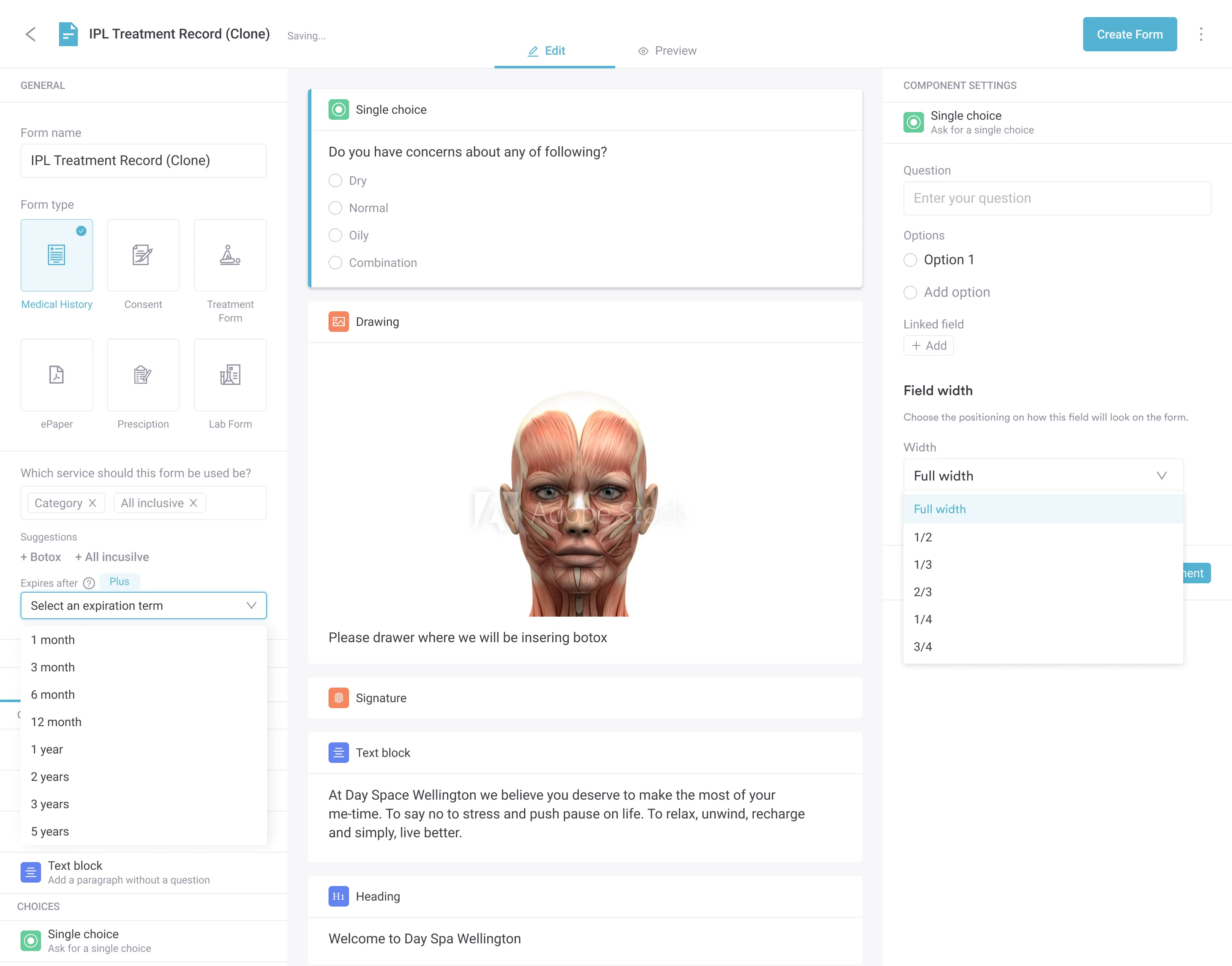
Practices that route pre-procedure documentation through their billing system can attach the supporting records before submission. That removes the retrospective record hunt when an auditor asks for proof.
The same rejection patterns show up on A4290 claims again and again. Each one costs far less to prevent than to work through a denial queue afterwards.
A pre-submission checklist tied to your MAC’s active LCD is the single most effective fix. Compliance documentation workflows that treat LCD criteria as a required field lower first-pass denials without adding clinical work.
Audit your A4290 claims quarterly. Compare units billed against operative notes, confirm every claim carries a covered ICD-10 diagnosis, and check the LCD version against your MAC’s current coverage article. Two hours of work catches most denial patterns before they compound.
The work in sacral neuromodulation billing sits in documentation and pre-authorization, not in the coding. A4290 is a five-character code. Getting it paid takes supporting clinical records, an LCD crosscheck, and the right CPT pairing.
Practice management software like Pabau pulls those steps into one place. Pabau’s claims management software is built for multi-code encounters. The supply code travels with its companion CPT codes, a covered diagnosis, and the documentation packet.
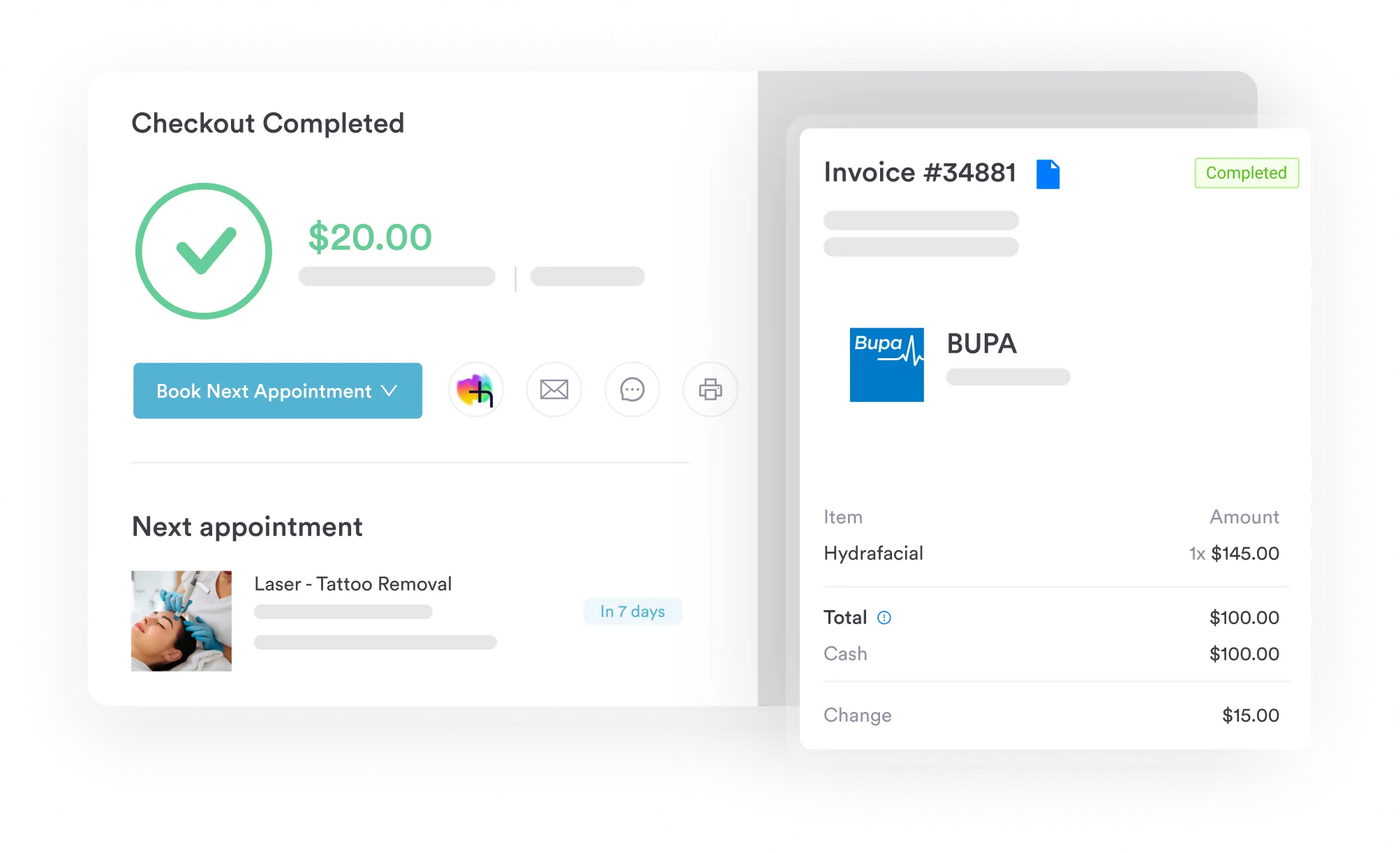
Keeping supply code management inside the main system beats maintaining a separate spreadsheet. Practices billing across several procedure types get the biggest time back from that one move.

Pabau helps urology and pelvic health practices attach documentation to claims, track HCPCS supply codes, and flag missing LCD criteria before submission. See how it fits the way your team already bills.

A4290 is a supply-only code, but the money turns on everything around it. The LCD your MAC publishes, the diagnosis on the claim, and the NCCI pair you choose all decide whether it pays.
So build the check before the trial rather than after the denial. Confirm the covered diagnosis, capture the conservative therapy history, and settle whether the lead is separately billable in your setting. The trade-off is a little front-loaded admin against a denial queue later, and the admin is cheaper.
Book a demo to see how Pabau keeps A4290 documentation, units, and LCD criteria attached to the claim before it leaves your practice.

Billing another per-unit continence supply? T4534 walks through units of service and the documentation payers expect for disposable incontinence products.
Moving a patient from trial to permanent implant? C1827 covers the neurostimulator generator side of the same episode of care.
Need the locality lookup for durable equipment? E0292 shows how MAC pricing plays out on a hospital bed claim.
Replacing a device component rather than placing one? K0605 covers replacement battery billing and the proof payers ask for.
Coding routine continence supplies alongside the trial? A4327 covers the external urinary collection device and its coverage limits.
HCPCS Code A4290 is a supply code for the sacral nerve stimulation test lead, billed at one unit per lead. It applies during the trial evaluation phase of sacral neuromodulation, before a permanent device is implanted, while the practice assesses how well the patient responds.
Covered diagnoses include urinary urge incontinence (N39.41), overactive bladder (N32.81), urinary retention (R33.9), and fecal incontinence (R15.9). The exact list is governed by your MAC’s Local Coverage Determination, so verify it before each claim submission.
Reimbursement is set by MAC locality, and there is no single national rate. Payment differs by region and by setting, whether facility, non-facility, or ASC. Use the CMS Physician Fee Schedule lookup and your MAC’s locality file to confirm the rate for your practice location.
Usually not. CPT 64561 covers percutaneous placement of the sacral nerve electrode array, and NCCI edits restrict reporting the test lead separately with it. Check the current edit pair for your payer before you submit both lines on the same claim.
You need a physician order specifying the trial indication and chart notes showing conservative treatment failure. Add the trial period response record, such as a voiding diary or symptom log. Then justify the units in the operative note and record the device manufacturer and model.
A4290 covers the temporary test lead only. The permanent electrode, the pulse generator, and the clinical work of implantation all carry their own codes. Billing A4290 when a permanent lead is placed, or pairing it with the wrong CPT code, invites a denial or an audit.



