HCPCS Code G0163: Skilled nursing observation and assessment
What is HCPCS Code G0163? HCPCS Code G0163 is a deleted Level II code for skille...

Last Updated: Oct 15, 2026

CPT Code 90999 is the unlisted dialysis procedure code used when no specific hemodialysis or peritoneal dialysis code adequately describes the service rendered.
Medicare has no fixed fee schedule rate for 90999. Reimbursement is determined case-by-case by the MAC or commercial payer, requiring full supporting documentation.
Always exhaust specific dialysis codes (90935, 90945, 90951-90966) before billing 90999. Unlisted codes carry a higher denial risk without a detailed operative note and medical necessity statement.
Practice management software like Pabau helps nephrology and dialysis practices track unlisted procedure submissions, attach documentation, and manage payer-specific requirements across locations.
CPT Code 90999 is the unlisted dialysis procedure code, billed for hemodialysis or peritoneal dialysis when no other code in the 90935-90999 range accurately describes the service performed. Per the AMA’s CPT code set, the official descriptor reads: “Unlisted dialysis procedure, inpatient or outpatient.”
It’s a last-resort code, reserved for situations with no matching specific code. The AAPC’s CPT code lookup classifies 90999 under the Medicine section, Dialysis subsection, alongside its specific-code counterparts.
The AMA is explicit: unlisted codes apply only when no existing specific code adequately describes the service. For dialysis practices, this typically means one of several scenarios.
The critical rule: exhaust all specific codes first. A biller who reaches for 90999 without first reviewing the full 90935-90970 range risks both denials and compliance exposure. Using practice management software features that flag unlisted code usage can help practices audit their 90999 frequency and catch cases where a specific code was available.
Unlisted codes are where claims go to die without proper documentation. Payers have no fee schedule benchmark and no automatic processing pathway for 90999, so every submission triggers manual review. That review succeeds or fails on what you attach.
Maintaining patient data security tools that preserve audit-ready records is part of good dialysis billing hygiene. Beyond security, the following documentation elements are required for virtually all payers when submitting CPT Code 90999.
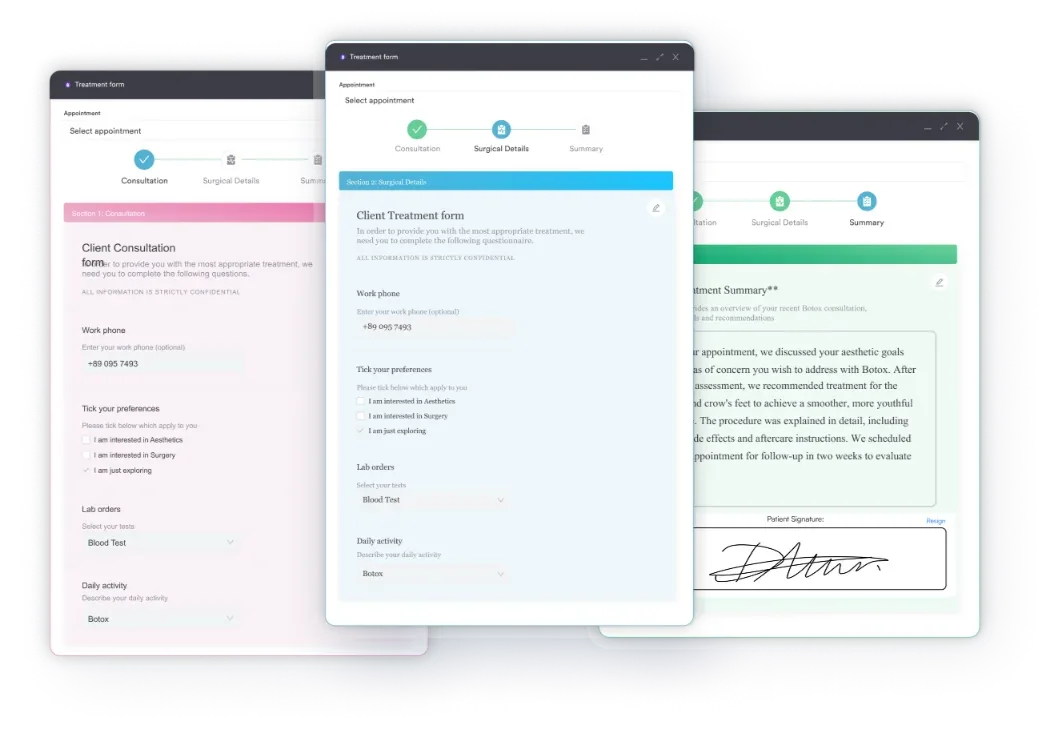
Using digital intake forms that capture procedure specifics at the point of care makes assembling this documentation package significantly faster.
Before submitting CPT Code 90999, attach the operative note AND a written comparison to the closest specific code. Write one sentence explaining why the specific code does not fully describe the service. Payers that use this comparison as their benchmark will process the claim faster and with less back-and-forth.
Medicare does not assign a fixed fee schedule rate to CPT Code 90999. According to the CMS fee schedule lookup, unlisted codes have no assigned Relative Value Units (RVUs), which means there is no automatic payment calculation. Reimbursement is determined on a case-by-case basis by the relevant Medicare Administrative Contractor (MAC).
The ESRD context adds another layer. Most dialysis services for ESRD patients fall under the ESRD Prospective Payment System (ESRD PPS), a bundled payment model that covers a defined set of routine dialysis services. Whether 90999 falls inside or outside that bundle depends on the specific service rendered.
CMS guidance and the applicable MAC’s Local Coverage Determination (LCD) should be consulted before billing. Don’t make blanket inclusion or exclusion assumptions without reviewing the current-year CMS ESRD PPS final rule.
Commercial payers have their own frequency limits. Molina Healthcare, for example, has published specific weekly and monthly usage limits for ESRD-related 90999 submissions. These limits show how commercial payers manage unlisted code exposure, not universal rules across the industry. Providers should still verify current policy directly with each payer before billing.
Understanding HIPAA-compliant documentation practices for claim submissions matters here too, since incomplete or improperly transmitted records are a common denial trigger for unlisted codes.

Pabau helps nephrology practices track unlisted procedure submissions, attach documentation packages, and manage payer-specific requirements without chasing paperwork across multiple systems.

A GP practice platform keeps these high-volume services charted, coded, and billed from one screen.
Every CPT Code 90999 claim requires a supporting diagnosis code. The ICD-10-CM codes below represent the diagnoses most frequently paired with unlisted dialysis procedures in nephrology billing. Use the CrossCoder crosswalk tool and verify against the current-year code set before submitting. Codes may be added, revised, or retired annually.
Linking the correct diagnosis code to the procedure code is non-negotiable. An N18.6 paired with CPT Code 90999 and a detailed operative note gives the MAC a clear clinical picture. A vague N19 without supporting documentation is the fastest route to a denial.
Using claims management software that validates code pairings before submission catches these mismatches before they reach the payer.
Modifiers clarify the circumstances of a service and can protect against inappropriate denials or reductions. For CPT Code 90999, the following modifiers are most commonly applicable.
Modifier selection for unlisted codes requires clinical judgment. Appending modifier 22 without a letter of medical necessity explaining the increased work is a common audit trigger. Review your MAC’s modifier policy before submitting. Using compliance management tools that flag high-risk modifier combinations reduces audit exposure for nephrology practices.
That modifier 22 evidence standard is not unique to unlisted dialysis codes. CPT code 59812 claims are denied when modifier 22 arrives without a detailed operative note and cover letter.
Before billing CPT Code 90999, confirm that none of the specific dialysis codes below apply. Each has a defined descriptor. Monthly ESRD management for a patient 20 or older with four or more visits belongs to CPT Code 90960, not 90999. The difference between 90999 and the right specific code is the difference between a fast payment and a lengthy review cycle.
The line between 90935 and 90999 is clear-cut. If a hemodialysis procedure with a single physician evaluation was performed, 90935 is the correct code. Using 90999 in that scenario is a coding error that creates audit risk. Tracking how your billing team applies these codes over time is part of solid EHR integration for billing.
No competitor reference page fully addresses this as a standalone decision tool. Here is a structured framework for making the 90999-vs-specific-code choice before any claim is submitted.
Running this five-step check through a standardized internal workflow, rather than relying on individual coder judgment each time, reduces the inconsistency that leads to audit findings. Pabau’s medical practice billing workflow resources cover how to build these internal checks into daily operations.
Unlisted codes have a higher denial rate than specific codes precisely because they require human review. Most denials are preventable. These are the errors that cause them most often.
Practices with high 90999 volume should run a quarterly audit: pull all 90999 claims from the period, verify each one against the decision framework above, and flag any where a specific code could have applied. Incorporating medical practice management software that tracks denial patterns by code helps identify systemic errors before they compound.
Run a quarterly report filtering all CPT 90999 submissions from the previous 90 days. For each claim, verify the operative note is attached and the comparison code was documented. If a specific dialysis code would have applied, flag that case for coder education. Three to five hours of quarterly review prevents months of appeal work.
Nephrology and dialysis practices. Unlisted codes like CPT Code 90999 make that complexity worse because they require manual review at every payer.
Pabau’s claims management software gives billing teams a single place to track submissions, attach supporting documentation, and monitor payer-specific requirements across multiple locations.
Beyond claims management, practices use Pabau to maintain billing workflow structures that reduce the chance of an unlisted code submission going out incomplete. Clinical notes, consent records, and prior authorization confirmations are stored alongside the patient record, so nothing is missing when the biller builds the 90999 documentation package.
For practices managing ESRD patients across multiple sites.
Because CPT Code 90999 has no fixed RVU assignment, there is no published Medicare fee schedule rate to report. Reimbursement is negotiated or determined individually by each payer.
For commercial payer rates, use the FastRVU 2026 RVU lookup to check whether your MAC has assigned any comparable RVU value, and to benchmark the closest specific code as a reimbursement reference point.
Facility vs. non-facility rate distinctions matter. For most dialysis procedures, the setting affects the total reimbursement. When 90999 is submitted for an inpatient encounter, the facility component is typically billed separately by the hospital. In an outpatient or independent dialysis center setting, the non-facility rate (which includes practice expense) is the applicable framework. Confirm this with your MAC before billing. Most claim errors are structural rather than clinical, which is why scrubbing rules catch them. Secondary payers often allow a shorter window than the primary, so the filing deadline differs by claim.
What’s consistent across all payer types: documentation quality is the only lever providers control. The better the operative note and medical necessity package, the stronger the reimbursement outcome. Practices that treat 90999 submissions like any other routine code, without the additional documentation package, will consistently underperform on reimbursement for these claims.
CPT Code 90999 exists for a narrow purpose: billing a dialysis service when no specific code applies. Using it correctly carries little risk. The risk comes from using it carelessly, without the documentation package unlisted codes require, or in place of a specific code that would have applied.
For nephrology practices that bill 90999 regularly, Pabau’s claims management and documentation tools reduce the manual overhead of building compliant unlisted code submissions. To see how the platform handles complex billing workflows across dialysis and other specialties, book a demo.

Managing billing for chronic-care referrals? HCPCS code G0180 covers physician certification for home health episodes, a similar case-by-case documentation model to unlisted dialysis claims.
Pairing diagnosis and procedure codes correctly? ICD-10 code M53.9 shows how an unspecified diagnosis code creates the same denial risk as a vague dialysis pairing.
Billing for other chronic-condition supplies? HCPCS code A4427 covers ostomy pouch billing, another area where documentation specificity drives reimbursement.
CPT Code 90999 is an unlisted dialysis procedure code covering both hemodialysis and peritoneal dialysis when no other specific CPT code in the 90935-90970 range adequately describes the service rendered. It is a last-resort code maintained by the AMA and requires detailed documentation for reimbursement.
Use CPT 90999 only after confirming that no specific code (90935, 90937, 90945, 90947, or the 90951-90966 ESRD capitation series) accurately describes the service. If a specific code exists for the modality and evaluation count, use that code. Unlisted codes are appropriate for novel modalities, atypical configurations, or investigational services with no specific code match.
Medicare does not have a fixed fee schedule rate for CPT 90999. Reimbursement is determined case-by-case by the applicable Medicare Administrative Contractor (MAC). Providers must submit a complete documentation package including an operative note, medical necessity statement, and comparison to the closest specific code. Contact your regional MAC for jurisdiction-specific guidance.
Required documentation includes an operative or procedure note describing the service in detail, a medical necessity statement, identification of the closest existing CPT code and a written explanation of why it does not apply, supporting clinical records, and prior authorization confirmation where the payer requires it. Missing any of these elements is the leading cause of unlisted code denials.
Commonly applicable modifiers include 52 (reduced services), 22 (increased procedural services, requires additional documentation), GY (statutorily excluded from Medicare), GZ (expected denial, waives beneficiary liability), and 59 (distinct procedural service). Modifier selection depends on the specific clinical and billing circumstances; verify against your MAC’s modifier policy before submission.
The most common errors are using 90999 when a specific dialysis code was available, submitting without an operative note, failing to identify the closest specific code in the claim package, ignoring payer-specific frequency limits, and pairing 90999 with a non-specific ICD-10 code like N19 instead of the more specific N18.6 (ESRD) or N17.9 (acute kidney failure).