



HCPCS code E0198: Water pressure pad billing guide
HCPCS code E0198 is a water pad for a standard mattress HCPCS code E0198 is the ...

Last Updated: Oct 13, 2026

CPT Code 10080 describes incision and drainage of a pilonidal cyst, simple – maintained by the AMA and used exclusively for straightforward, single-cavity drainage procedures
L05.01 (pilonidal cyst with abscess) is the primary ICD-10-CM pairing; L05.91 (without abscess) applies post-resolution or for cyst-without-infection drainage – selecting the wrong code is a leading denial trigger
Medicare reimbursement differs by place of service: non-facility (office) rates are higher than facility rates because practice expense RVUs shift to the facility under POS 21/22
Modifier 25 is the most frequently needed modifier on 10080 claims, but it only applies when the same-day E/M reflects a separate clinical decision, not the visit that led to the drainage
CPT Code 10080 is the CPT code for incision and drainage of a pilonidal cyst, simple, billed when a single, uncomplicated cavity is opened and drained in an office or outpatient setting.
Getting the claim paid on first submission depends on matching the correct ICD-10 diagnosis code, applying the right place-of-service code, and documenting single-cavity findings clearly enough to withstand a payer audit. This guide covers current Medicare reimbursement, ICD-10 pairings, modifiers, documentation requirements, and the most common reasons 10080 claims get denied.
Most pilonidal cyst drainage claims denied on first submission share a single root cause: the documentation does not clearly distinguish a simple procedure from a complicated one. CPT Code 10080 is specific to the simple incision and drainage of a pilonidal cyst, and payers scrutinize it closely against its companion code, 10081.
According to the American Medical Association (AMA) CPT code set, CPT Code 10080 describes: Incision and drainage of pilonidal cyst; simple. It sits within the Integumentary System subsection of the Surgery chapter (codes 10000-19999), specifically under the Incision and Drainage of Skin, Subcutaneous, and Accessory Structures grouping.
A pilonidal cyst forms in the cleft of the buttocks near the coccyx, typically containing hair and skin debris. When infected, it becomes a pilonidal abscess requiring surgical drainage.
CPT Code 10080 covers the straightforward version of this procedure: a single incision, drainage of the abscess cavity, and wound packing. There is no extensive sinus tract removal, no multiple cavity exploration, and no packing of a complex network of sinuses.
The distinction between 10080 and 10081 is the most audited coding decision in pilonidal cyst billing. Upcoding 10080 to 10081 without documentation support is a frequent target of payer and compliance audits.
CPT 10081 (incision and drainage of pilonidal cyst; complicated) applies when the procedure involves multiple sinus tract openings, extensive undermining, packing of a complex cavity network, or a procedure requiring substantially more surgical effort than a simple drainage. The operative note must describe these findings explicitly. “Large cyst” alone does not qualify as complicated.
When in doubt, bill 10080. If the procedure was genuinely more complex, the operative note must say so in clinical terms before 10081 can withstand audit scrutiny. If the operative note instead describes excision of the cyst and its sinus tract rather than simple drainage, 11770-11772 is the correct code family, not 10080 or 10081.
Medicare reimbursement for CPT Code 10080 is calculated from the Relative Value Unit (RVU) components published in the CMS Physician Fee Schedule lookup tool. All dollar amounts below reflect CY 2026 national averages, sourced from the CMS Physician Fee Schedule Relative Value Files, and should be verified against the current fee schedule year, as rates update annually on January 1.
The non-facility rate is substantially higher because practice expense RVUs account for the overhead of performing the procedure in your office. When the procedure happens in a hospital outpatient department or ambulatory surgery center, those overhead costs shift to the facility, and the physician receives only the lower facility rate.
Use the FastRVU lookup tool to verify current CY-specific values and apply your geographic practice cost index (GPCI) adjustment. Payment estimates above are national averages before GPCI adjustment; actual reimbursement varies by locality.
With plastic surgery practice software, graft and flap procedures carry their full documentation trail from consult to closure.
Selecting the correct ICD-10-CM diagnosis code is the single most consequential documentation decision for CPT 10080 claims. The wrong code at the L05 level triggers automatic denial from most commercial payers and Medicare. Consistent diagnosis-procedure pairing is one of the levers healthcare revenue cycle management depends on to keep first-pass claim acceptance high.
L05.01 is the correct code for the overwhelming majority of CPT 10080 claims. The procedure is typically performed because of an abscess. If the operative note says “pilonidal cyst with purulent drainage” but the claim is submitted with L05.91, expect a denial or a request for records. The clinical documentation must match the diagnosis code submitted.
CPT Code 10080 has a 10-day global period. Any evaluation or management service provided within that window without a separate, documented unrelated reason will be bundled into the procedure payment unless a modifier is attached. The same bundling logic applies to other integumentary excision codes.
Modifier 25 is the most frequently needed modifier with CPT Code 10080. If the same-day E/M service was for evaluation of the pilonidal cyst itself, leading directly to the decision to drain, that E/M is typically bundled.
Modifier 25 applies only when a genuinely separate clinical decision was made during the same encounter. Verify the payer’s modifier policy before billing, since some commercial payers apply stricter bundling edits than Medicare.
Inadequate documentation is the most common reason CPT 10080 claims fail on appeal. The operative or procedure note must support both the procedure performed and the diagnosis code selected. Good medical record documentation practices are essential for any surgical or procedural service billing. For HIPAA-compliant medical documentation, records must be contemporaneous and retrievable.
The procedure note for CPT 10080 should include all of the following elements:
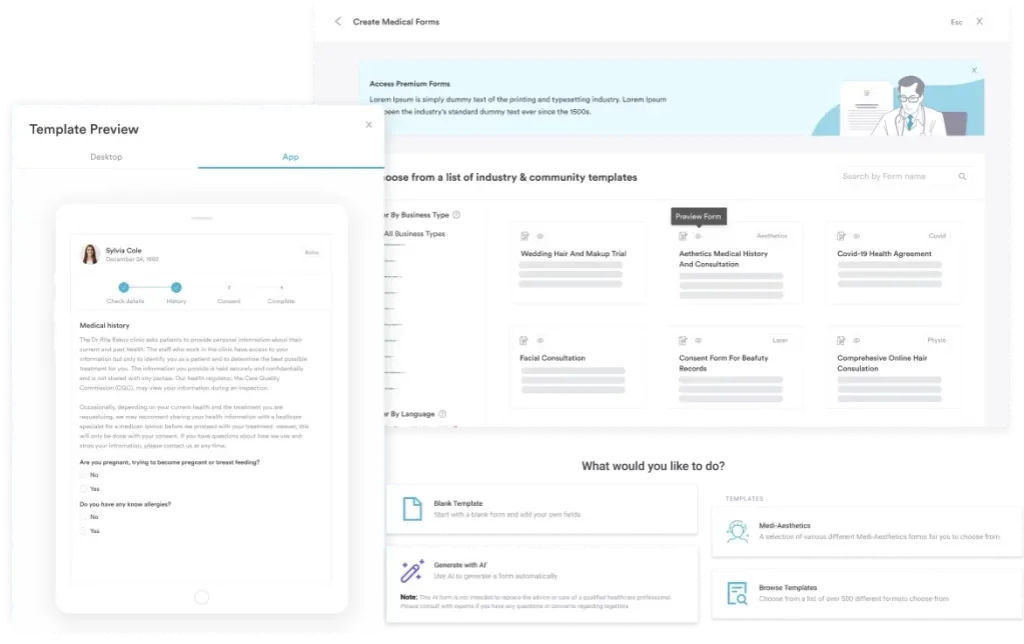
Use digital clinical forms to standardize procedure note capture and ensure no element is omitted at the point of care. Practices using structured templates for minor surgical procedures see fewer payer requests for records on these claims.
Document the phrase ‘single cavity, no extension or multiple sinus tracts’ explicitly in every CPT 10080 procedure note. This one sentence protects against upcoding allegations and eliminates the most common payer records request for this code.
Where you perform CPT Code 10080 directly determines your Medicare reimbursement rate. This is one of the most underappreciated billing variables for minor procedure codes, and getting it wrong means submitting claims at the wrong rate.
Practice management software like Pabau, including skin clinic practice software, keeps place-of-service and billing details attached to the same patient record so front-desk and billing staff work from one source of truth.
An urgent care center that is not hospital-owned typically uses POS 20 and bills at the non-facility rate. A physician employed by a hospital system performing the same procedure in a clinic owned by the hospital may be required to use POS 22, dropping the physician payment to the facility rate.
Confirm your facility’s CMS enrollment type before setting default POS codes in your billing system. Family practice and urgent care software like Pabau lets each location store its own default POS code, reducing the chance of an entry error when scheduling these encounters.

Pabau is practice management software that keeps scheduling, documentation, and billing in a single patient record, so the details that drive correct coding are never scattered across separate systems.

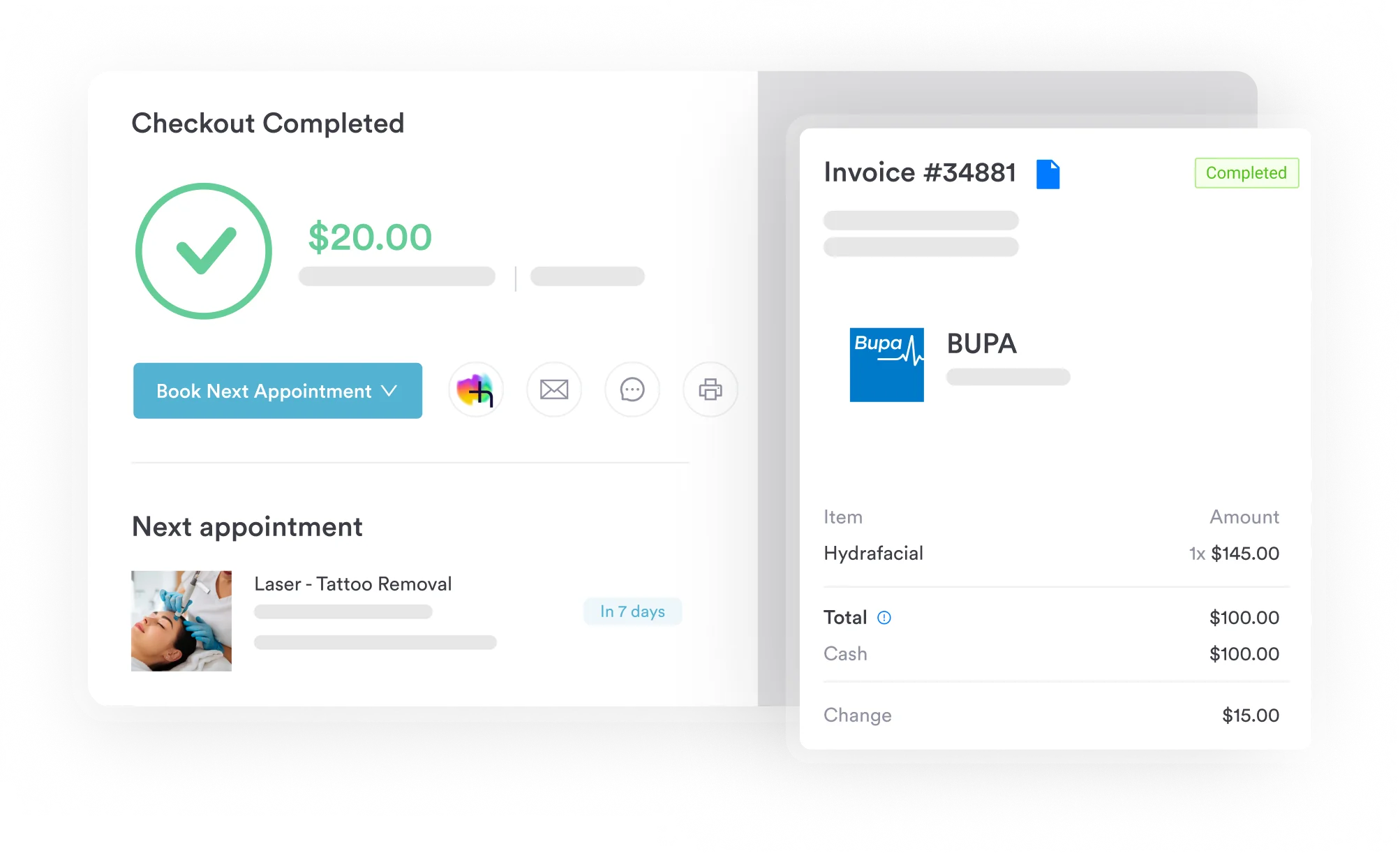
Denial patterns for pilonidal cyst I&D claims cluster around a predictable set of documentation and coding errors. Knowing these patterns in advance is more efficient than rebuilding appeals after the fact. Practices billing from a single system have fewer opportunities for these errors to slip through, since the same record holds the diagnosis, procedure, and place-of-service data together. Time-based and complexity-based selection can point at different codes, so the documented medical decision making decides. Where a practice does not bill the payer directly, the patient needs an itemized statement carrying this code and its charge.
Medicare covers CPT Code 10080 when medical necessity is established through the diagnosis code and supporting documentation. The procedure is not subject to a National Coverage Determination (NCD) that restricts its use.
Individual Medicare Administrative Contractors (MACs) may have issued Local Coverage Determinations (LCDs) for integumentary procedures in their jurisdictions. Check your MAC’s LCD database before billing for Medicare patients, since coverage requirements can vary by region.
Key Medicare-specific considerations for CPT 10080:
For Medicaid, reimbursement rates and coverage requirements vary significantly by state. Verify with your state Medicaid program for current rate schedules and any prior authorization requirements. The CMS ICD-10 codes reference page provides current coding and coverage guidance applicable to Medicare claims.
CPT Code 10080 sits within a broader family of incision and drainage codes. Correct code selection requires understanding how each code differs clinically and operationally. The AAPC Codify CPT lookup provides full descriptors and crosswalk information for this code family.
When the wound is closed with sutures instead of left open and packed, code selection shifts away from an incision-and-drainage code entirely.
CPT Code 10060 is frequently confused with CPT 10080. Use 10060 for cutaneous abscesses at any other body location. Use 10080 only when the abscess is specifically a pilonidal cyst in the sacrococcygeal/intergluteal region.
Using 10060 for a pilonidal cyst will be flagged on clinical review. The ICD-10-CM diagnosis code (L05.x) is anatomically specific and will not crosswalk correctly to a general integumentary abscess CPT code in many payer edits.
Run a quarterly claim audit: pull all 10080 claims and check the paired ICD-10 code. L05.01 should account for at least 80% of them. If L05.91 is appearing frequently, review whether diagnosis documentation is being written before or after procedures.
Most CPT 10080 claim problems come down to two things: ICD-10 specificity (L05.01 vs L05.91) and missing single-cavity language in the procedure note. Both are preventable at the point of care.
Practices that keep scheduling, documentation, and billing in one system, such as Pabau, give front-desk and billing staff a single, consistent record to work from, rather than reconciling diagnosis, procedure, and place-of-service details across separate tools.

Billing an oral Levamisole dose? HCPCS code S0177 billing guide covers the 50 mg oral Levamisole dose billed under the S-series codes Medicaid and commercial payers use.
Billing for a related surgical wound repair code? CPT Code 15101 split-thickness autograft billing guide walks through reimbursement and documentation for a comparable integumentary procedure.
Billing a disease management follow-up visit? HCPCS code S0316 billing guide covers the follow-up and reassessment visit for patients already enrolled in a structured disease management program.
CPT Code 10080 is “Incision and drainage of pilonidal cyst; simple,” a surgical procedure code maintained by the American Medical Association used to bill for straightforward drainage of an infected pilonidal cyst in the sacrococcygeal region. It covers single-cavity incision and drainage without extensive sinus tract involvement.
CPT 10080 (simple) applies to single-cavity, straightforward pilonidal cyst drainage. CPT 10081 (complicated) applies when the procedure involves multiple sinus tracts, extensive undermining, or a substantially higher operative burden documented in the procedure note. “Large cyst” alone does not qualify a case for 10081.
Yes, Medicare Part B covers CPT Code 10080 when medical necessity is supported by an appropriate ICD-10-CM diagnosis code (typically L05.01). Medicare Advantage plans may require prior authorization; standard Medicare Fee-for-Service does not. Coverage policies may vary by MAC jurisdiction, so verify with your regional MAC.
L05.01 (pilonidal cyst with abscess) is the primary pairing for most CPT 10080 claims because the procedure is typically performed for an infected, abscessed cyst. L05.91 (pilonidal cyst without abscess) applies in cases where drainage is performed without frank abscess documentation.
Modifier 25 is the most common, applied when a separately identifiable E/M service is performed the same day. Modifier 24 covers unrelated E/M services within the 10-day global period. Modifier 58 applies to staged or planned procedures within the global. Modifier 76 is used for a repeat procedure by the same physician.
CPT Code 10080 remains active as of the current AMA CPT edition. Verify its status in the current AMA CPT codebook annually, as CPT descriptors and code assignments are subject to revision. Always confirm active status before billing any code you have not used recently.



