



HCPCS code E0198: Water pressure pad billing guide
HCPCS code E0198 is a water pad for a standard mattress HCPCS code E0198 is the ...

Last Updated: Oct 13, 2026

CPT Code 10120 describes incision and removal of a foreign body from subcutaneous tissue using a simple technique – no complex dissection, no imaging guidance required
Use 10121 (not 10120) when the removal involves deep dissection, requires imaging, or is otherwise complicated – upcoding between the two is a documented audit risk
The 2026 Medicare national average reimbursement for CPT 10120 ranges from $106 to $130 depending on facility status and geographic location
Pabau’s claims management software helps practices reduce 10120 denials by linking procedure documentation to claims submission in a single workflow
Foreign body removal sounds straightforward. In practice, it is one of the most frequently miscoded minor procedures in outpatient and urgent care settings. CPT Code 10120 covers the simple version of this procedure, but the line between “simple” and “complicated” is where most billing errors occur. Getting that distinction wrong exposes practices to upcoding audits and underpayment alike.
This reference covers the official descriptor, clinical indications, the 10120 vs 10121 distinction, ICD-10 pairings, applicable modifiers, 2026 Medicare reimbursement rates, RVU breakdown, global period rules, and the documentation requirements that determine whether a claim is paid or denied.
According to the American Medical Association (AMA), which maintains the CPT code set, the official descriptor for CPT Code 10120 is: Incision and removal of foreign body, subcutaneous tissues; simple. It sits within the Integumentary System section of the CPT manual, under Incision and Drainage Procedures on the Skin, Subcutaneous and Accessory Structures.
The simple/complicated distinction between CPT Code 10120 and CPT Code 10121 is the most common source of coding errors for this procedure. “Simple” means the foreign body is superficially located, the removal requires only a small incision, and no imaging guidance or extensive dissection is needed. “Complicated” means the physician must navigate around structures, use imaging to locate the object, or perform a more involved dissection.
Upcoding from 10120 to 10121 without adequate documentation is a known audit trigger. If the procedure note does not explicitly describe what made the removal complicated, payers will downcode to 10120 or deny the claim. The reverse also applies: using 10120 when imaging was used or deep dissection was required results in underpayment. For practices that handle a high volume of urgent care or minor procedure visits.
CPT Code 10120 applies when a patient presents with a foreign body embedded in subcutaneous tissue that cannot be removed by simple extraction alone and requires a small incision. Common clinical scenarios include:
The procedure is typically performed in an outpatient office, urgent care, or emergency department. Practices providing this service across dermatology, plastic surgery, or primary care settings need documented clinical rationale in every procedure note. Similarly.
Exclusion criteria: Do not use 10120 when the foreign body requires imaging guidance for localization, when it is located near neurovascular structures requiring careful dissection, or when the removal involves a body cavity (those have separate codes). Use 10121 for complicated scenarios or code from a different CPT section if the anatomical site warrants it (e.g., CPT 28190 for foreign bodies in the foot). A foreign body impacted in the uterine cavity, for example, is reported with CPT 58562 for hysteroscopic removal.
Skin procedure documentation gets demanding fast, so plastic surgery EMR software with photo and consent tools helps.
CPT Code 10120 is a procedure code. It requires a paired ICD-10-CM diagnosis code that supports medical necessity. The most common diagnosis codes used with this procedure reflect the nature and mechanism of the foreign body injury.
Always use the 7th character “A” for the initial encounter when the procedure is performed for the first time. Subsequent encounters use “D” and sequelae use “S.” Code selection must reflect the actual clinical documentation, not be assigned generically. Verify current codes against the CDC/NCHS ICD-10-CM web tool for the applicable fiscal year, as codes can change annually.
Modifier selection for CPT Code 10120 depends on the clinical circumstances and the service context. Incorrect modifier use, or omitting a modifier when required, is a leading cause of same-day claim denials.
Modifier -25 note: Because CPT 10120 carries a 10-day global period, Medicare and most commercial payers require modifier -25 on the same-day evaluation and management (E/M) code. The E/M service must address a problem separate from the procedure decision, or be significantly beyond what the procedure alone would entail. Always verify current National Correct Coding Initiative (NCCI) edits and payer-specific rules before submitting.
Medicare reimbursement for CPT Code 10120 varies by facility status and geographic location. The 2026 Medicare national average is approximately $106 to $130, based on data reported by coding reference sources and subject to final confirmation via the CMS Physician Fee Schedule lookup tool. Rates change annually with the Medicare Physician Fee Schedule (MPFS) final rule, so always verify the current-year figure before quoting reimbursement to patients or forecasting revenue.
RVU values reported here are sourced from coding reference data and should be cross-checked against current CMS MPFS data using the FastRVU 2026 RVU lookup tool or the CMS MPFS file directly. Geographic Payment Complexity Indices (GPCIs) apply locality adjustments to these national figures, so actual reimbursement will differ by practice location.
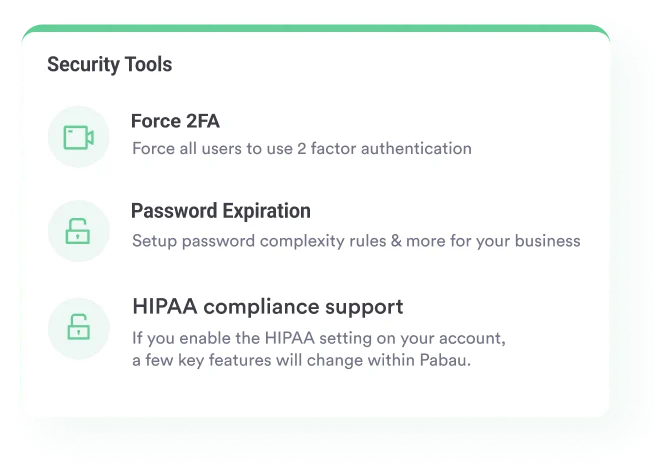
CPT Code 10120 carries a 010 global period, meaning 10 days of post-operative follow-up care is bundled into the procedure reimbursement. Billing separately for related follow-up services during this window is a compliance violation under CMS rules. Good compliance management software flags follow-up visits occurring within the global period so billing staff can apply the correct modifier or hold the claim.
Practices that lack a systematic global period tracker are most vulnerable to billing violations here. Manual monitoring across high-volume minor procedure sites is error-prone. Automated claim-hold logic tied to the procedure date and global period end date eliminates most of these errors.
Insufficient documentation is the primary cause of CPT 10120 claim denials. The procedure note must do more than confirm the procedure took place. Payers expect specific clinical detail that supports both the procedure code selected and the diagnosis code paired with it.
Required documentation elements for a compliant 10120 claim:
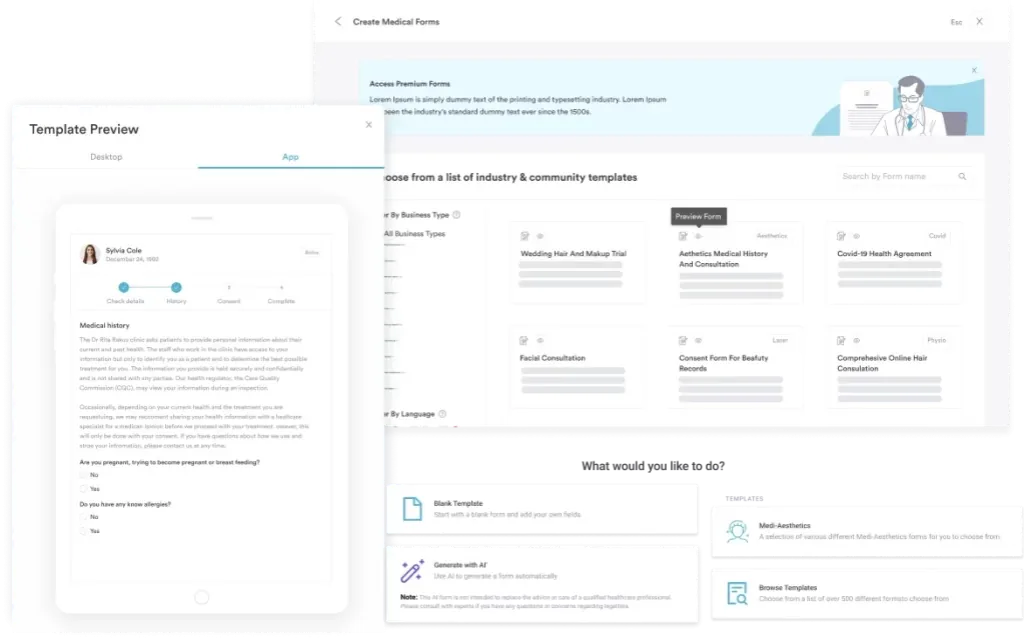
Using standardized digital forms for minor procedure encounters ensures these elements are captured consistently. Practices relying on free-text notes frequently omit the depth and technique details that distinguish 10120 from 10121, creating audit exposure. Structured medical forms management built into the clinical workflow removes the documentation gap that causes these denials. HIPAA-compliant record retention for procedure notes is also required. See HIPAA-compliant documentation workflows for the applicable data retention and access requirements.
Most CPT Code 10120 billing errors fall into a small number of predictable categories. Knowing where the failure points are makes them preventable through process rather than reactive claim correction.
Reviewing the AAPC CPT code reference guidelines for 10120 and 10121 and running periodic coding audits against paid and denied claims helps identify systemic patterns. Practices that use practice management software features with built-in coding validation can catch many of these errors before submission.
Run a monthly audit of all CPT 10120 and 10121 claims together. If your 10121 claim volume is unusually high relative to 10120, that pattern may flag an upcoding risk in a payer audit. Target a realistic ratio based on your patient population and document the clinical rationale for each 10121 claim proactively.
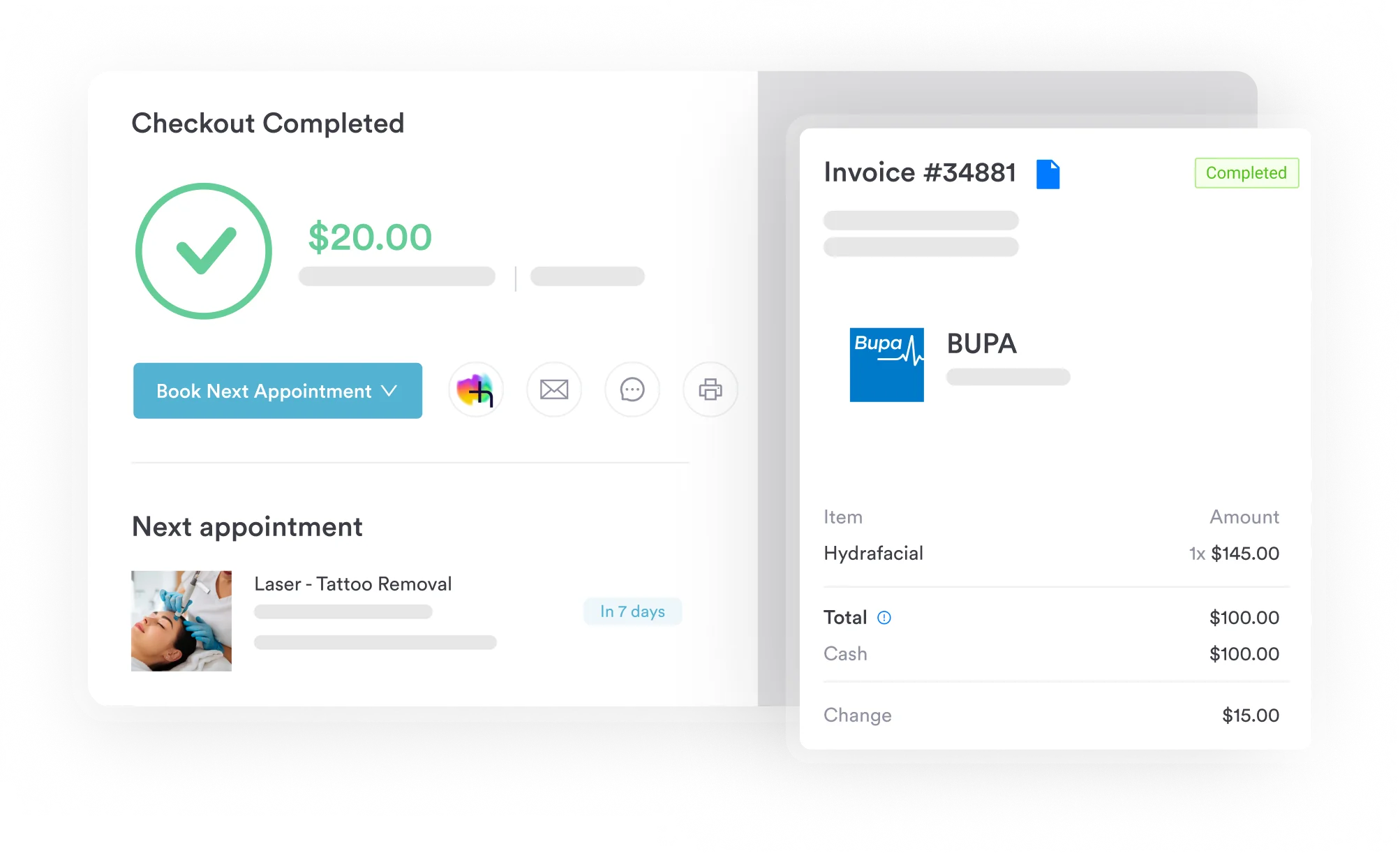
Most CPT 10120 denials trace back to the same root cause: documentation captured in one system, billing submitted through another, with no structured link between them. That gap is where coding errors slip through. Pabau’s claims management software connects the clinical encounter note directly to the claim submission workflow, so the procedure details, diagnosis codes, and modifiers are pulled from a single source of truth rather than re-entered manually.
For practices performing minor procedures regularly, consistent documentation templates matter. Pabau’s direct primary care software includes structured procedure note formats that prompt clinicians to capture depth, technique, and foreign body description at the point of care. This removes the free-text ambiguity that makes 10120 vs 10121 distinctions hard to audit. The result is cleaner claims, fewer denials, and a reimbursement cycle that is easier to manage. Practices looking to tighten their billing workflow across minor procedures can explore these capabilities through a Pabau demo. Revenue cycle management treats coding, submission and collection as one process rather than three handoffs.

Pabau links procedure notes to claim submission in one workflow, so coding errors are caught before they reach the payer. See how it works for minor procedure practices.

Check your payer contracts for minor procedure modifier policies before relying on the default CMS rules. Some commercial payers do not follow NCCI guidelines exactly for modifier -51 and -25 combinations. A one-time payer-by-payer review can prevent months of systemic underpayments.
CPT Code 10120 is a low-complexity code with a high rate of avoidable billing errors. The most expensive mistakes, upcoding to 10121 without adequate documentation and missing modifier -25 on same-day E/M visits, both stem from documentation workflows that do not capture the right detail at the right time.
Pabau’s claims management tools help practices close this gap by embedding structured documentation prompts into the clinical encounter and linking those records directly to claims. If your practice performs minor procedures regularly and wants cleaner reimbursement cycles, explore how Pabau handles claims management or review our broader HIPAA compliance for medical offices guidance.

Billing an audiometry test for a hearing aid fitting? S0618 audiometry billing guide covers why Medicare denies this code while Medicaid usually pays it.
Billing a DIEP flap breast reconstruction? S2068 DIEP flap billing guide explains why Medicare never pays this code and which payers do.
Billing an elective service the patient asked for? S9986 billing guide explains how this code flags a service that does not meet medical necessity criteria.
CPT Code 10120 is used to bill for the simple incision and removal of a foreign body from subcutaneous tissue. It applies when a foreign object such as a splinter, glass shard, or small metal fragment is embedded below the skin surface and requires a small incision for removal, without complex dissection or imaging guidance.
CPT 10120 is for simple foreign body removal requiring only a small incision from superficial subcutaneous tissue. CPT 10121 is for complicated removal involving deeper tissue, extensive dissection, or imaging guidance. The procedure note must explicitly document what made the removal complicated to support a 10121 claim; without that documentation, payers will downcode to 10120.
CPT Code 10120 has a 010 global period, meaning 10 days of routine post-operative care is bundled into the procedure payment. Related follow-up visits, wound checks, and suture removal within those 10 days cannot be billed separately. Unrelated services or complications requiring significant additional work may be billed with the appropriate modifier (-24, -78, or -79).
Commonly used modifiers with CPT 10120 include -25 (for a significant and separately identifiable E/M service on the same day), -51 (multiple procedures at the same session), -59 (distinct procedural service to override NCCI edits), and -LT/-RT (to indicate laterality). Always verify modifier requirements against current NCCI edits and your specific payer’s policies before submitting.
The 2026 Medicare national average reimbursement for CPT 10120 is approximately $106 to $130, varying by facility status and geographic location. Non-facility settings typically reimburse higher than facility settings due to the difference in practice expense RVUs. Verify the current-year rate using the CMS Physician Fee Schedule lookup tool, as rates are updated annually.
Yes, CPT 10120 can be billed with a same-day E/M code, but modifier -25 must be appended to the E/M code. The E/M service must be significant and separately identifiable from the procedure decision itself, and the documentation must clearly reflect that distinction. Without modifier -25 and the supporting documentation, the E/M will be bundled with the procedure and denied.
The most common ICD-10-CM codes paired with CPT 10120 are W45.0XXA (nail entering through skin), W45.1XXA (paper entering through skin), W45.8XXA (other foreign body entering through skin), and T14.7XXA (retained foreign body in soft tissue). The 7th character “A” is required for initial encounters. Code selection must match the actual clinical documentation, not be assigned generically.



