



CCSD code G5100: Bypass of duodenum billing guide
CCSD code G5100 bills a bypass that leaves the duodenum in place CCSD code G5100...

Last Updated: Oct 16, 2026

CPT code 00566 covers anesthesia for direct coronary artery bypass grafting without a pump oxygenator (off-pump CABG), classified under intrathoracic anesthesia procedures.
The ASA base unit value is 25, one of the highest in the anesthesia code set, reflecting the complexity of off-pump cardiac surgery.
Modifier selection (AA, QZ, QX/QK) depends on whether a physician anesthesiologist provides personal care, a CRNA performs the service independently, or a supervised team arrangement applies.
Practice management software like Pabau supports accurate anesthesia claim documentation, time unit tracking, and modifier assignment to reduce denials on high-complexity surgical codes.
CPT code 00566 is the anesthesia billing code for off-pump coronary artery bypass grafting (OPCAB), the bypass technique performed without a cardiopulmonary bypass pump. Off-pump CABG is one of the most complex procedures an anesthesia team manages. With no pump to fall back on, the anesthesiologist must maintain hemodynamic stability throughout a beating-heart procedure under significant physiological stress.
CPT code 00566 is the specific billing code that captures this service. Anesthesiologists, CRNAs, and billing specialists need to understand exactly when this code applies. They also need to know how base units and time units combine to determine reimbursement, and which modifiers signal the correct provider arrangement to payers. Getting any one of those elements wrong on a high-value cardiac claim is an expensive mistake.
This reference covers everything billing teams and anesthesia providers need for accurate 00566 claim submission. That includes the code description, base unit calculation, modifier rules, qualifying circumstances, Medicare reimbursement, ICD-10 pairings, and the most common denial triggers.
CPT code 00566 is defined by the American Medical Association as: Anesthesia for direct coronary artery bypass grafting without pump oxygenator. It falls within the intrathoracic procedures section of the CPT code set (range 00500-00580).
The procedure it covers is off-pump coronary artery bypass grafting, commonly abbreviated OPCAB. In off-pump CABG, the surgeon grafts coronary vessels while the heart continues beating. Cardiopulmonary bypass (the “pump oxygenator”) is not used. This distinguishes CPT code 00566 from adjacent code 00567, which applies when a pump oxygenator is used. The surgeon’s side of the same case is billed separately, under a coronary bypass code. A single arterial graft, such as a left internal mammary artery to the left anterior descending artery, is reported with CPT code 33533.
Off-pump CABG carries higher hemodynamic complexity than many other cardiac procedures. The anesthesia team must manage a beating heart, potential for rapid deterioration, and conversion risk to on-pump bypass. That clinical complexity is reflected in the 25-unit base value, one of the highest assigned in the CPT anesthesia code range.
The ASA Relative Value Guide assigns CPT code 00566 a base unit value of 25. This figure is consistent across all major reference sources and is confirmed by the American Society of Anesthesiologists as the standard value for off-pump CABG anesthesia.
Base units represent the inherent complexity of providing anesthesia for a specific procedure, independent of how long it takes. A higher base unit count means greater pre-procedure preparation, higher patient risk, and more intensive intraoperative monitoring requirements. For context, a simple upper extremity procedure like CPT code 01810 carries just 3 base units. The 25-unit value for CPT code 00566 sits near the ceiling of the anesthesia code set.
Base units alone do not determine final reimbursement. They combine with time units and any qualifying circumstance units, described in later sections, to produce a total unit count. That total is then multiplied by the applicable conversion factor.
Anesthesia billing uses a units-based formula rather than a flat fee. For CPT code 00566, the total billable units equal the sum of base units, time units, and any applicable qualifying circumstance units.
The standard formula: Total units = Base units + Time units + Qualifying circumstance units
Time units are calculated at one unit per 15-minute interval of anesthesia time, as defined in the CMS Physician Fee Schedule and the CMS Claims Processing Manual (Publication 100-04, Chapter 12). Anesthesia time begins when the anesthesia provider starts preparing the patient and ends when the provider is no longer in personal attendance.
Off-pump CABG cases typically run 3 to 5 hours, which means most 00566 claims will carry 37-45 total units before qualifying circumstances are factored in. Accurate time documentation is critical. A 15-minute error in recorded anesthesia start or end time translates directly to one billable unit, worth roughly $20-$26 at average Medicare conversion rates.
Some payers apply their own rounding rules (rounding up at 8 minutes vs. the full 15-minute standard). Always verify the specific payer’s time calculation policy before billing. Pabau’s claims management software helps anesthesia practices document precise service times in the patient record, reducing the risk of time-unit discrepancies on complex cardiac claims like CPT code 00566.
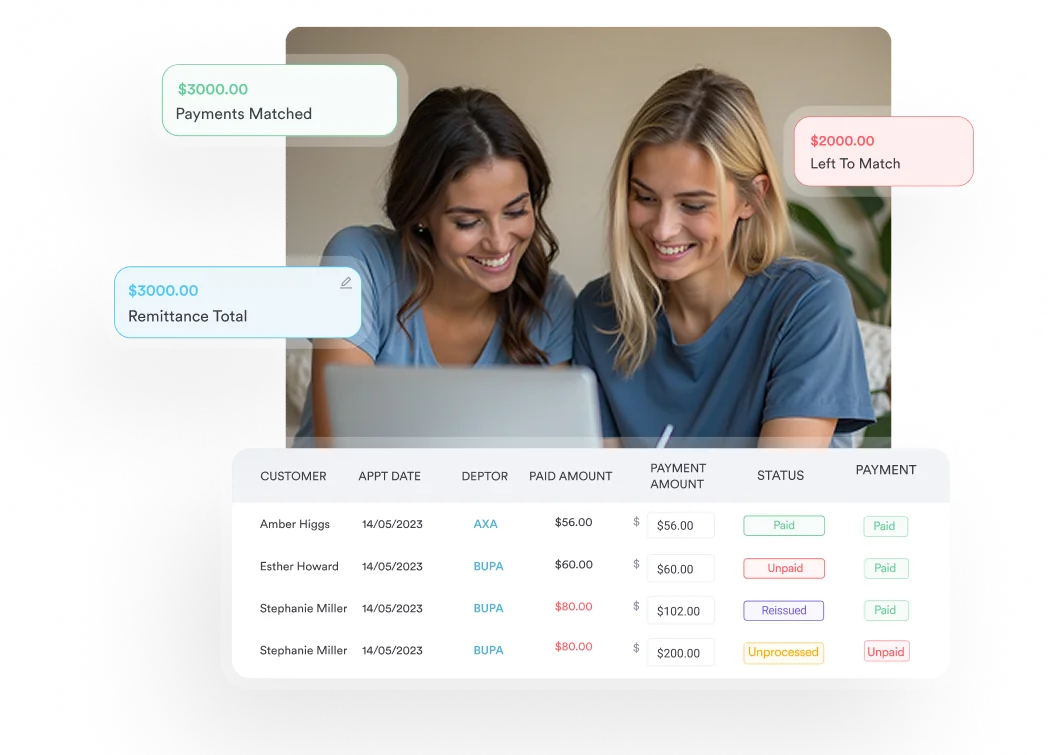

Pabau helps anesthesia practices track service times, assign correct modifiers, and submit accurate claims for high-complexity codes like CPT code 00566. See how it works in a live demo.

Comparing practice management systems for medical teams is worth the effort before anesthesia time-unit billing becomes a spreadsheet job.
Modifier selection for CPT code 00566 is determined by the provider arrangement, not the procedure itself. Payers use modifiers to identify whether a physician anesthesiologist provided personal care, a CRNA operated independently, or a supervision arrangement applied. Using the wrong modifier on a high-value cardiac claim is one of the most common denial triggers for this code.
For cardiac surgery cases, the AA modifier is most common because off-pump CABG typically demands continuous physician anesthesiologist presence. The QX/QK pairing applies when a CRNA and directing anesthesiologist operate as a care team. Note that independent CRNA billing under QZ has significant compliance implications that vary by state opt-out status and individual hospital bylaws. Confirm your state’s supervisory rules before billing CPT code 00566 with QZ.
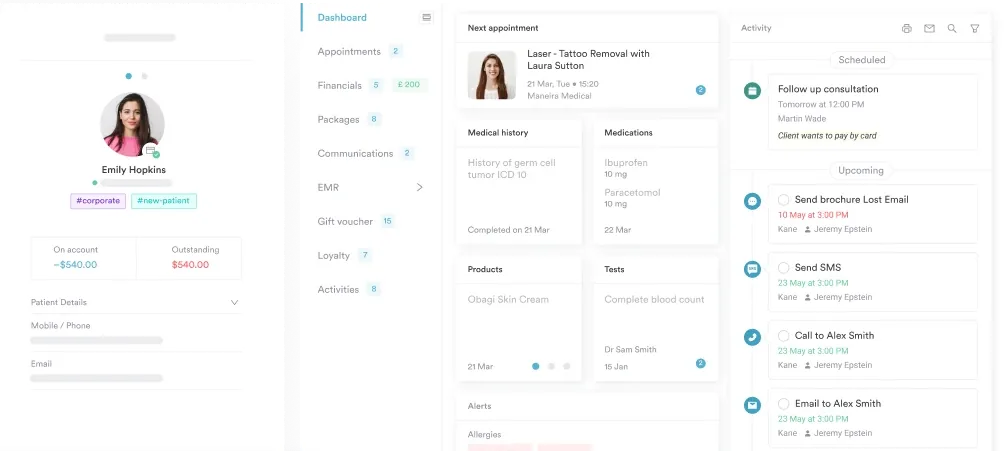
Accurate modifier assignment on cardiac anesthesia claims is also tracked in Pabau’s client record system. Provider roles and supervision arrangements can be documented at the case level to support audit trails.
Qualifying circumstances are add-on codes that may be reported alongside CPT code 00566 when specific clinical conditions increase the difficulty of anesthesia services. Each code adds additional units to the total, increasing reimbursement. However, each requires documented clinical justification, not just appended to a claim because the case was complex.
For most elective off-pump CABG cases, 99100 (for elderly patients) is the qualifying circumstance most likely to apply. Always verify that the payer’s policy explicitly permits qualifying circumstance add-on codes for cardiac anesthesia procedures before including them on the claim.
When billing qualifying circumstances with CPT code 00566, print the anesthesia record and confirm the specific qualifying condition (age, hypothermia, hypotension, emergency) is explicitly documented before appending any add-on code. Auditors look for the documented clinical basis, not just the code on the claim.
Medicare reimburses anesthesia services using a unit-based formula rather than a procedure-specific fee. The calculation is: Total units x Conversion factor = Allowable payment.
The Medicare anesthesia conversion factor is set nationally by CMS and adjusted annually. CMS publishes the official conversion factor values by geographic locality; practices can also cross-check current rates using a third-party RVU lookup tool, though it is not produced by CMS. Nationally, the conversion factor has ranged approximately $21-$26 per anesthesia unit in recent years, though exact values differ by MAC (Medicare Administrative Contractor) jurisdiction. Always verify the current rate for your locality before projecting 00566 reimbursement.
These figures are illustrative examples using approximate conversion factor ranges. Actual Medicare payment depends on your locality’s conversion factor, whether the AA or QK modifier applies, and any applicable GPCI adjustments. The AA/QK split also affects the payment percentage for team arrangements. Use the CMS-based RVU calculator to generate locality-specific figures.
Qualifying circumstance add-on codes like 99100 add units under the ASA relative value system, but CMS assigns them status indicator B (bundled), so traditional Medicare does not reimburse them separately from the base anesthesia service. Some commercial payers do pay qualifying circumstances separately. In that case, 99100 adds 1 unit, not 2, to the total. Confirm the payer’s policy before including a qualifying circumstance code on a non-Medicare claim.
For practices managing cardiac anesthesia billing across multiple providers. It builds a claims performance view that helps identify underpayments and conversion factor discrepancies by payer and locality.
ICD-10 diagnosis codes on an anesthesia claim must reflect the patient’s documented diagnoses, not just the procedure being performed. The codes below represent the most common ICD-10-CM diagnoses paired with CPT code 00566 in cardiac surgery billing, based on typical OPCAB patient presentations. This list is for reference only; always code from the documented clinical record.
Multi-vessel coronary artery disease (typically I25.10 as the primary) is the most common diagnostic scenario for elective off-pump CABG. Practices managing ICD-10 coding for cardiac anesthesia will also find Pabau’s digital forms useful for capturing structured pre-anesthesia evaluation data that feeds accurate diagnosis documentation.

For further reference on codes that often appear alongside cardiac anesthesia claims, the Pabau team has also published guides on ICD-10 code I34.9 and CPT code 01999 for practices managing complex multi-code claims.
Correct code selection within the intrathoracic anesthesia section requires understanding the procedural differentiators between adjacent codes. The most common source of misassignment is the pump/no-pump distinction between CPT code 00566 and 00567.
Both codes describe anesthesia for direct coronary artery bypass grafting, but they carry different base unit values. CPT code 00566 carries 25 base units for the off-pump approach, while CPT code 00567 carries 18 base units for the on-pump approach. The single distinguishing factor is the use of a pump oxygenator (cardiopulmonary bypass circuit).
CPT code 00567 carries 7 fewer base units than CPT code 00566, a real difference of roughly $150 to $180 per case at typical conversion factors. Off-pump CABG is reimbursed at a meaningfully higher rate than the on-pump approach. The clinical record must still clearly document the presence or absence of cardiopulmonary bypass to justify whichever code is billed, since auditors specifically review operative notes for this distinction. Patients recovering from either procedure typically move into cardiac rehabilitation. A payer reviewing this code looks for the reasoning in the note, not only the conclusion, so the documentation level matters.
Additional procedure-code references for practices handling anesthesia billing include Pabau’s guides to CPT code 01992 and CPT code 01968 for practices managing diverse anesthesia code sets.
Off-pump CABG anesthesia claims have a higher denial rate than many surgical specialties. Modifier rules, time documentation requirements, and the specificity of code selection all add complexity. The errors below account for the majority of avoidable 00566 denials. A clean claim rate below the practice benchmark usually points at one recurring coding or eligibility error.
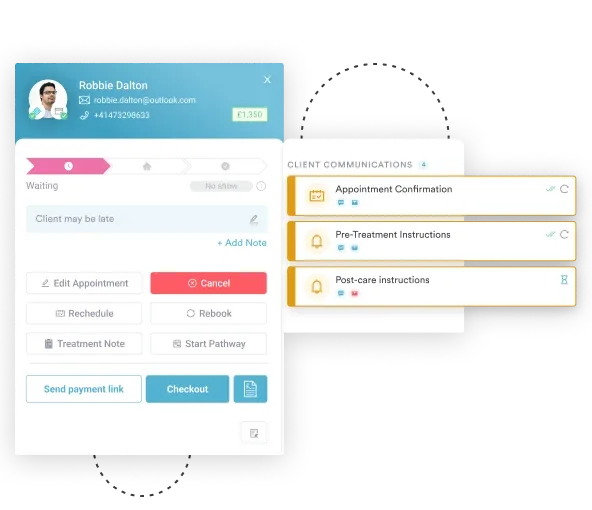
Anesthesia practices using Pabau’s automated workflow tools can build pre-submission checklists that flag missing time entries, modifier mismatches, and unsupported add-on codes before claims leave the practice. This reduces the cost of cardiac anesthesia claim rework. For broader billing compliance guidance.
For practices managing multiple CPT code categories alongside cardiac anesthesia. It reduces the manual coordination burden across high-complexity claim types.
Many anesthesia practices still track case times on a paper anesthesia record, then re-key them into a separate billing system before a claim goes out. Each hand-off is a chance for a time entry, modifier, or qualifying circumstance to fall out of sync with what the OR actually documented.
Practice management software like Pabau keeps the case record, the anesthesia time entries, and the claims data in one system. Pabau’s claims management software pulls documented start and end times straight from the patient record, so the units on a CPT code 00566 claim match what the anesthesia team recorded. Client records capture the supervising physician and CRNA at the case level, giving coders the modifier evidence a cardiac claim needs.
That means fewer claims returned for missing time entries or unsupported modifiers, and less time spent reconciling the OR record against the bill before submission.
Pabau’s claims management software ties anesthesia time entries, modifiers, and client records to the same case file, so CPT code 00566 claims match the OR record before they go out.
CPT code 00566 is a high-value, high-complexity code. Getting the base unit, time documentation, modifier, and ICD-10 pairing right on every claim requires a disciplined workflow at the point of documentation, not just at submission.
Pabau’s claims management tools help cardiac anesthesia practices build that discipline into the workflow itself, flagging missing data and modifier inconsistencies before claims are submitted. To see how Pabau handles complex anesthesia billing documentation, book a demo with the team.

Billing anesthesia for a common post-CABG reoperation? CPT code 00550 covers anesthesia for sternal debridement, a frequent complication after bypass surgery.
Need the code for the surgical side of a cardiac repair? CPT code 33321 covers suture repair of the aorta or great vessels with shunt bypass.
Working an on-pump intrathoracic case instead? CPT code 00562 covers anesthesia for intrathoracic procedures performed with cardiopulmonary bypass.
CPT code 00566 is used to bill anesthesia services for direct coronary artery bypass grafting without a pump oxygenator, also known as off-pump CABG or OPCAB. It is reported by the anesthesiologist or CRNA providing anesthesia during a beating-heart cardiac bypass procedure, and it falls within the CPT intrathoracic anesthesia section (codes 00500-00580).
The ASA base unit value for CPT code 00566 is 25 units. This is one of the highest base unit values in the anesthesia CPT code set, reflecting the complexity and clinical risk of off-pump cardiac surgery. Base units are added to time units to calculate total billable anesthesia units.
The applicable modifiers are AA (physician anesthesiologist, personal care), QZ (CRNA without supervision), and QX (CRNA with physician direction). Additional modifiers include QK (physician directing 2-4 concurrent cases), QY (physician directing one CRNA), and AD (physician supervising 5 or more concurrent procedures). The correct modifier depends on the provider arrangement and payer contract, not the procedure itself.
Anesthesia time for CPT code 00566 is calculated at one unit per 15-minute interval. Anesthesia time begins when the provider starts preparing the patient and ends when the provider is no longer in personal attendance. Total billable units equal base units (25) plus time units plus any qualifying circumstance units. Most OPCAB cases run 3-5 hours, producing 37-45 total units before qualifying circumstances.
CPT 00566 covers anesthesia for off-pump CABG (no cardiopulmonary bypass), while CPT 00567 covers the same procedure performed with a pump oxygenator (on-pump CABG). CPT 00566 carries 25 base units, 7 more than the 18 base units assigned to CPT 00567. The distinction must be documented in the operative note, and the billing code must match the documented approach.
Yes, a CRNA can bill CPT code 00566. The correct modifier depends on the supervision arrangement. QZ applies when the CRNA works without physician supervision, which is permitted only in states that have opted out of Medicare physician supervision requirements, while QX applies when a physician provides medical direction. Independent CRNA billing on cardiac cases carries significant compliance implications that vary by state and hospital policy.



