HCPCS Code J1726: Hydroxyprogesterone caproate billing guide
What HCPCS code J1726 covers: Official descriptor and drug overview HCPCS code J...

Last Updated: Nov 3, 2026
L8621 is the CCSD code for ultrasound-guided foam sclerotherapy of varicose veins in both legs during one session. It covers duplex mapping on the day, foam injection under real-time ultrasound and compression on both limbs.
When only one leg is treated, or the second leg is treated on a later date, each session is coded L8620 instead. UK private insurers usually require pre-authorisation and documented symptoms before they accept an L8621 claim.
Let Pabau's smart automation suggest the right codes, reduce claim denials, and keep your practice compliant—effortlessly.
Automate repetitive tasks and focus on what matters most—your patients.
Reduce coding errors and ensure compliance with the latest regulations.
Clean claims, fewer denials, and faster reimbursements.
Powerful insights and reporting to help your practice thrive.
HIPAA compliant SOC 2 certified GDPR-compliant Trusted by 4,000+ clinics worldwide

CCSD Code L8621 covers bilateral ultrasound-guided foam sclerotherapy performed in one session, distinct from L8620 (unilateral).
Most UK private insurers typically require pre-authorisation and medical necessity evidence for L8621, so confirm the criteria in each insurer’s provider portal.
The procedure note must confirm bilateral treatment, veins treated by name, sclerosant agent, volume per leg, real-time ultrasound guidance, and compression applied.
Pabau’s claims management software sends L8621 claims to Healthcode with the pre-authorisation reference attached to the invoice.
CCSD Code L8621 describes ultrasound-guided foam sclerotherapy for varicose veins performed bilaterally, meaning both legs are treated within the same clinical session. The code is defined in the official CCSD schedule. That is the coding system used by the major UK private health insurers, including Bupa, AXA Health, Vitality, Aviva and WPA. It is a private-sector-only code; the NHS does not use CCSD codes and has its own procedure classification (OPCS-4).
The code covers the complete bilateral treatment episode. That includes duplex ultrasound mapping within the session, foam preparation and injection under real-time ultrasound guidance, and compression applied afterwards. A diagnostic duplex scan performed on a different day is not bundled in, and it attracts its own CCSD code.
For how other Bupa-recognised venous codes are structured, see the Bupa CCSD code reference, which covers the wider procedural framework UK private insurers use. The neighbouring varicose vein codes sit in our CCSD code library.
Ultrasound-guided foam sclerotherapy (UGFS) treats varicose veins by injecting a foamed sclerosant into the affected vessel. The clinician watches the injection on continuous duplex ultrasound. The foam displaces blood within the vein and maximises contact between the agent and the vessel wall. The resulting endothelial injury makes the vein collapse and fibrose over the following weeks.
A bilateral session under CCSD Code L8621 proceeds in the following sequence:
NICE CG168 recommends endothermal ablation (endovenous laser or radiofrequency ablation) first for truncal reflux. It recommends UGFS where endothermal ablation is unsuitable. That order matters when you make the medical necessity case for an L8621 claim.
The sole distinction between L8621 and L8620 is laterality within a single session. When both legs are treated in the same encounter, bill L8621. When one leg is treated, bill L8620. The rule is simple, yet the diagram below shows the one case that trips coders up: a second leg treated on a later date.
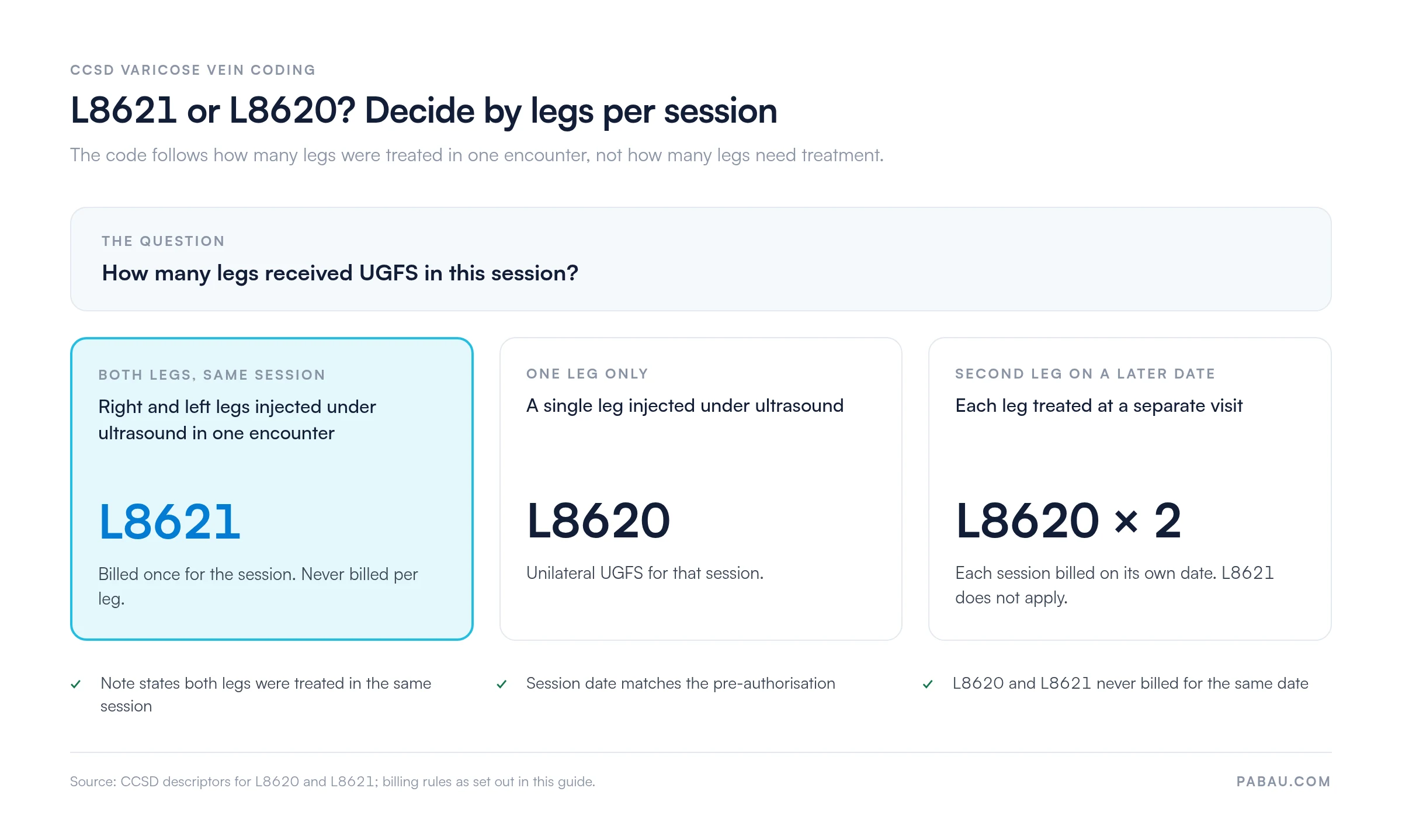
Where the second leg is treated at a follow-up visit on a separate date, each session is billed independently. The first visit uses L8620 (one leg treated); if only one leg is treated at the follow-up, that session also uses L8620. L8621 applies only when bilateral treatment is completed within the same encounter. Insurers audit laterality against the procedure note and the number of pre-auth sessions approved, so the session date and clinical record must align.
Vascular consultants treating bilateral varicose vein disease rarely bill L8621 in isolation. These related procedures often appear on the same claim or in the same treatment episode. Take each one’s code from the current CCSD schedule.
Insurers apply unbundling rules to CCSD claims. A duplex scan performed during the UGFS session to guide foam delivery is bundled into L8621. Do not bill it as a separate code on the same date. Check each insurer’s fee schedule guidelines, because the rules vary between Bupa, AXA Health, Vitality and WPA.
UK private insurers require an ICD-10 diagnosis code on every CCSD claim. For varicose vein disease treated with UGFS, the appropriate codes fall within the I83 series. The WHO ICD-10 I83 codes carry no laterality, so the code must reflect the ulcer and inflammation status documented in the clinical note.
CCSD Code L8621 is appropriate when duplex ultrasound confirms bilateral truncal or tributary venous reflux and the patient meets the criteria for intervention. NICE CG168 sets the referral criteria and the treatment order, with endothermal ablation first and UGFS where that is unsuitable. The reflux threshold and the compression trial below come from typical insurer medical necessity criteria, not from NICE.
Insurers are entitled to request clinical records during an audit, and in England the CQC can inspect the same records. Keep the procedure note and referral documentation complete enough to satisfy both.
Most insurers typically require pre-authorisation before L8621 is performed. A claim without a valid authorisation reference is likely to be refused, however strong the clinical documentation. The table below lists evidence insurers commonly ask for. Requirements change, so confirm them in each insurer’s provider portal before treatment.
Always record the authorisation reference number in the patient file and include it on the invoice at the point of claim submission. A missing or misquoted authorisation number is one of the most avoidable reasons for an L8621 denial.
An L8621 claim is only as strong as the procedure note supporting it. Insurers are entitled to request clinical records at any point during adjudication or a retrospective audit. A note that omits key procedural details can lead to a hold, a query or a denial.
The procedure note for CCSD Code L8621 must contain all of the following:
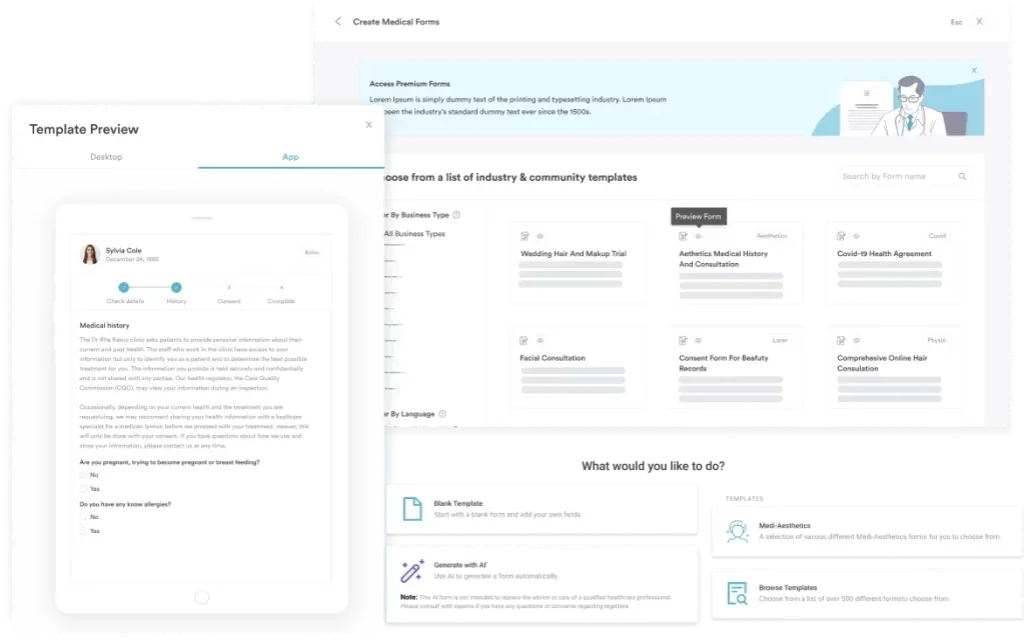
A structured digital procedure note can prompt clinicians through each of these fields. That cuts omissions and leaves an auditable record you can retrieve quickly when an insurer asks for it. UK GDPR also requires clinical records to be stored securely and kept for the appropriate retention period.
Most UK private health policies exclude cosmetic procedures, and varicose vein treatment sits in a contested grey area. Insurers accept that symptomatic varicose vein disease is a medical condition. They decline to cover purely aesthetic treatment, where the patient’s main reason for seeking it is appearance rather than symptoms.
For CCSD Code L8621 to clear the medical necessity threshold, the clinical record needs to demonstrate each of the following:
Claims for patients with C2 disease and only mild symptoms are more likely to attract a query. When the treating consultant believes treatment is medically necessary, a covering letter helps. It should summarise the CEAP findings, the symptom burden and the failed conservative treatment, which lowers the risk of a cosmetic exclusion.
Claims for CCSD Code L8621 are denied for a predictable set of reasons, and a documentation checklist catches most of them before submission.
Before submitting any L8621 claim, run a four-point check. Is the pre-auth reference on the invoice? Does the procedure note state bilateral treatment? Does the I83 code match the documented ulcer and inflammation status? Is the duplex report filed and retrievable? Building this check into invoicing stops the most common queries before they start.
A correctly sequenced submission workflow prevents the most common L8621 denial causes before they arise.
Many vascular practices still copy the CCSD code and the pre-authorisation number from emails into an invoice by hand. A wrong digit in either one sends a bilateral UGFS claim back as a query.
Pabau, the practice management platform we build, keeps the procedure note, the pre-authorisation reference and the invoice on one patient record. Its private practice claims software adds L8621 to the invoice and submits the claim to the insurer through Healthcode. You can then track the claim status through to payment.
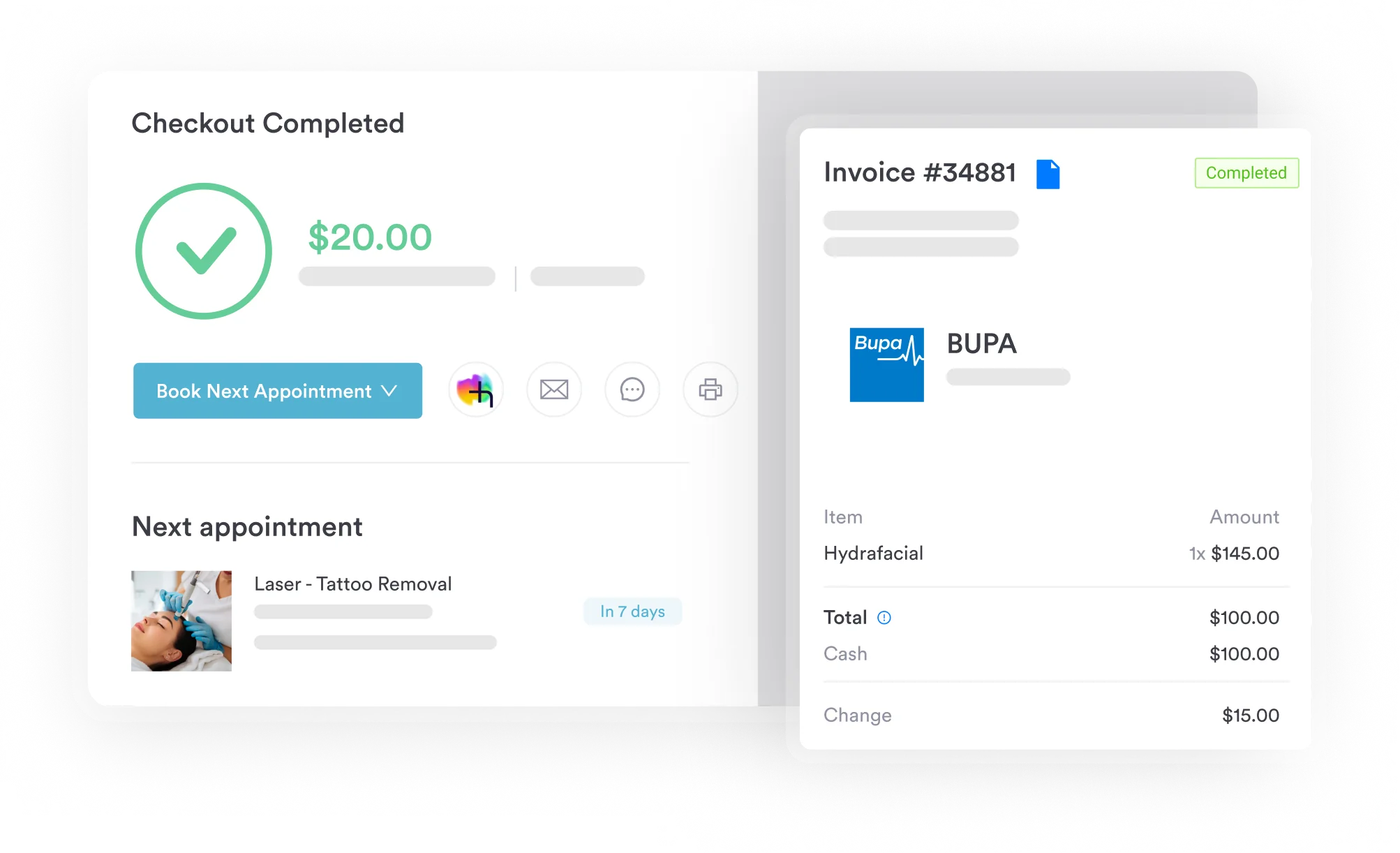
Pabau’s features, including claims management and digital forms, support these workflows on every subscription. If you are still choosing a system, our roundup of UK medical billing software compares the main options.

Pabau keeps the L8621 code, pre-authorisation reference and procedure note on one patient record. Claims then go to UK private insurers through Healthcode.

Most L8621 problems start before the patient reaches the treatment room. Fix the session plan first. If both legs will be treated in one encounter, request authorisation for L8621. If treatment is staged, request L8620 for each visit.
The cosmetic exclusion is the risk worth planning around. A CEAP-graded note, a quantified duplex report and a documented symptom history give the insurer little reason to refuse.
Book a demo to see how Pabau links each UGFS note, pre-authorisation and Healthcode claim for your vascular practice.

Need a starting point for CCSD billing across Bupa-recognised procedures? Bupa CCSD codes and fee schedule covers the procedural code framework and fee structure used by Bupa for UK private practice invoicing.
Treating both legs without ultrasound guidance? CCSD code L8680 covers bilateral varicose vein injection sclerotherapy.
Planning thermal ablation on both legs instead? CCSD code L8541 explains billing for bilateral radiofrequency vein ablation.
Still choosing a billing system for private claims? Best medical billing software in the UK compares the options for practices billing UK insurers.
CCSD Code L8621 is the UK private healthcare billing code for ultrasound-guided foam sclerotherapy performed on both legs in a single clinical session. It includes duplex mapping, foam injection under real-time ultrasound guidance, and post-procedure compression application for bilateral varicose vein disease.
L8621 is billed once per session when both legs are treated on the same date. It is not billed twice for treating each leg; the bilateral descriptor already accounts for both limbs. If the second leg is treated at a separate visit, that visit is billed as L8620 (unilateral).
The only difference is laterality within a single session. L8621 applies when both legs are treated on the same day; L8620 applies when only one leg is treated. Anatomy, technique, and documentation requirements are otherwise identical.
Usually, yes. Most insurers, including Bupa and AXA Health, typically require pre-authorisation before L8621 is performed. A claim without a valid authorisation reference is likely to be refused. Confirm the requirement in each insurer’s provider portal and get the reference before booking the procedure.
The procedure note must state that both legs were treated in the same session and name each vein treated on each side. It records the sclerosant and concentration, the volume per leg, real-time ultrasound guidance, the compression applied, and the clinician’s name and GMC number. File the duplex report separately so you can retrieve it on request.