HCPCS Code V2629: Ocular prosthesis billing guide
HCPCS Code V2629: Definition, descriptor, and code attributes HCPCS Code V2629 i...

Last Updated: Nov 6, 2026
K5750 is the CCSD code for internal cardioversion. The shock is delivered through a transvenous catheter with electrodes inside the heart, usually to restore sinus rhythm in persistent atrial fibrillation or atrial flutter.
External cardioversion with surface pads or paddles is a separate code, X5020. K5750 sits in sub-chapter 8.9.0, Heart - Cardiology, of the CCSD schedule.
Let Pabau's smart automation suggest the right codes, reduce claim denials, and keep your practice compliant—effortlessly.
Automate repetitive tasks and focus on what matters most—your patients.
Reduce coding errors and ensure compliance with the latest regulations.
Clean claims, fewer denials, and faster reimbursements.
Powerful insights and reporting to help your practice thrive.
HIPAA compliant SOC 2 certified GDPR-compliant Trusted by 4,000+ clinics worldwide

CCSD Code K5750 covers internal cardioversion, where the shock is delivered between electrodes on a transvenous catheter inside the heart.
External cardioversion with surface pads or paddles is X5020, and the two codes are never billed for the same episode.
Insurers commonly require pre-authorisation for invasive cardiac procedures, so confirm the rule for K5750 on each insurer’s code search before admission.
CCSD lists codes that cannot be claimed with K5750, including ICD insertion (K6100, K6105) and same-day angiography with angioplasty (K5020, K5050).
Pabau’s claims management software stores each pre-authorisation as a case and flags claims still missing an authorisation code before submission.
CCSD Code K5750 is the CCSD schedule code for internal cardioversion, used on private insurer claims across UK healthcare. The clinician advances one or more transvenous catheters into the heart through a central vein. The shock then passes directly between the intracardiac electrodes.
Because the electrodes touch the heart muscle, an effective shock usually needs 1 to 20 joules. In contrast, external transthoracic cardioversion needs 100 to 360 joules for the same job.
The CCSD schedule separates internal from external cardioversion by delivery method, not by clinical goal. Both aim to end an arrhythmia and restore sinus rhythm, but K5750 applies only when a transvenous catheter is used. Code an external DC cardioversion with surface paddles or adhesive pads as X5020. Thus, billing K5750 for a surface-electrode procedure is a code-selection error.
Teams perform internal cardioversion in a catheter laboratory under continuous cardiac monitoring. The procedure follows a set sequence, so the operative note behind any K5750 claim should reflect each step.
The team gives sedation or general anaesthesia before shock delivery. However, the cardiologist performing the cardioversion does not usually also supervise the anaesthetic. Whether the insurer pays for that anaesthetic separately depends on its rules, as covered below.
Internal and external cardioversion share a clinical goal but differ in route, energy and coding. The table below maps the differences that decide code selection.
If a team plans an external cardioversion but switches mid-session to an internal approach, code K5750 alone. In that case, the operative note must record why the technique changed.
Clinicians use internal cardioversion for a sustained arrhythmia that has not responded to external cardioversion or drug-based rhythm control. They also use it where high transthoracic energy carries clinical risk. The main indications are persistent atrial fibrillation and atrial flutter, as described in NICE guideline NG196 on atrial fibrillation.
Every K5750 claim must carry at least one ICD-10 diagnosis code that supports the procedure. Below are the codes most often paired with K5750 on a private insurer claim.
Check the accepted diagnosis codes against the insurer’s claim guidance before submission. Also, some insurers want the claim to state the refractory nature of the arrhythmia, not imply it through the choice of procedure.
Where drugs and catheter ablation have not controlled the rhythm, a patient may be referred for a standalone surgical maze. A maze that creates the complex Cox lesion set bills under K5283, a cardiac surgery code rather than a cardiology one.
Billing K5750 cleanly comes down to code selection, code pairing and insurer-specific rules. The steps below follow the usual billing sequence for an invasive cardiology procedure in UK private practice.
Insurers can request clinical evidence before or after paying a K5750 claim. The catheter lab report or procedure note should contain each of the following elements so the claim holds up on audit.
Capture these elements in a structured procedure template at the point of care. Then, when an insurer later asks for evidence, the energy levels, shock count and post-shock rhythm already sit in the record, so nobody reconstructs them from memory.
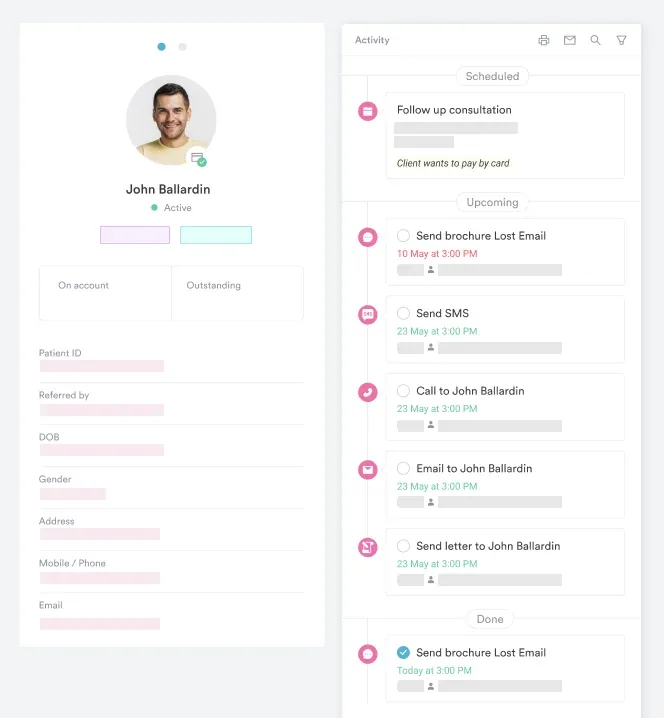
Build a K5750 procedure template with all eight documentation elements as required fields. A blank field then gets flagged before the note is finalised, not after an insurer queries the claim.
Internal cardioversion often takes place within a wider electrophysiology session, or after a failed external cardioversion. Knowing which neighbouring codes are separate procedures, and which CCSD will not accept with K5750, keeps the claim clean. K6100 covers a new single-chamber ICD implant, and the table below lists it among the combinations CCSD does not accept with K5750.
The decision comes down to two checks, shown below. Pick the code by where the electrodes sat, then rule out the combinations CCSD does not accept.
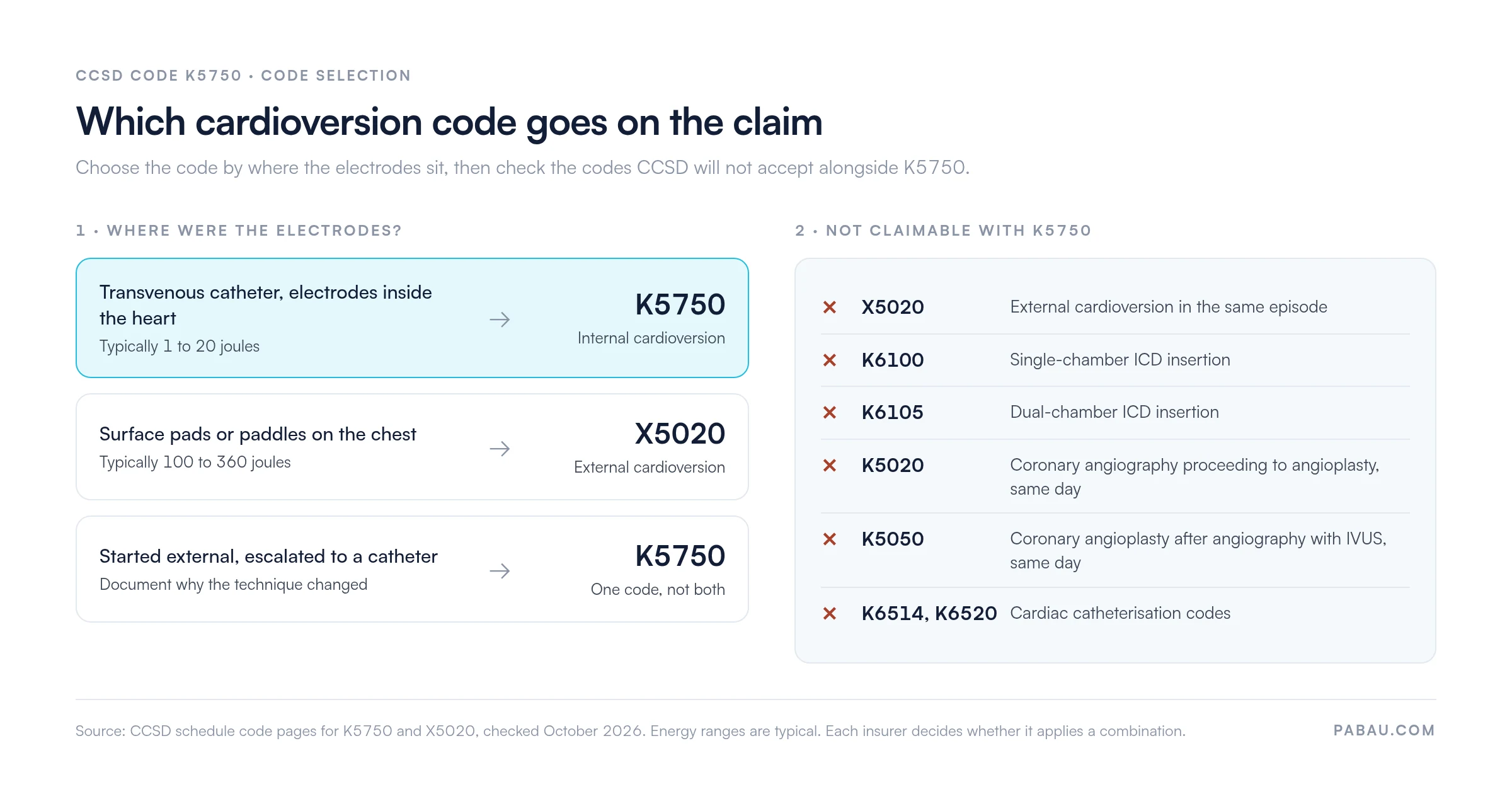
The CCSD technical guide sets out the rules on which codes you may bill together. However, CCSD notes that each insurer decides whether to apply a given combination, so check the insurer schedule too. Our index of CCSD codes covers the neighbouring cardiology procedures.
Where an internal cardioversion takes place inside a wider electrophysiology session, any diagnostic study has its own Heart – Cardiology entry, K5810. Check that pairing against the CCSD combinations list and the insurer schedule before both lines go on one invoice.
Insurers often require pre-authorisation for inpatient and invasive cardiac procedures, and internal cardioversion falls into that group. The table below reflects each insurer’s general approach to invasive procedures, based on published provider guidance, so verify with each insurer. Rules change with annual schedule reviews.
Obtain the pre-authorisation reference before admitting the patient, not afterwards. In fact, insurers rarely accept retrospective applications for invasive procedures, and they will likely reject a claim without a valid reference. See Bupa CCSD procedure codes for how Bupa applies the schedule.
Whether sedation or general anaesthesia can be billed separately alongside CCSD Code K5750 depends on the insurer, not on clinical practice. The usual position across UK private insurer schedules is below, but check each one against the current provider guide.
Bundling rules change with annual schedule updates. When in doubt, ask the insurer’s provider relations team and keep a note of the answer. A sedation code added without that confirmation often triggers an unbundling denial.
Most K5750 denials trace back to a short list of avoidable errors, and a pre-submission check catches nearly all of them.
Run a pre-submission check before every K5750 claim. Confirm the pre-authorisation reference, an I48 diagnosis code, a complete operative note and the insurer’s sedation rule. Then make sure no code from the CCSD unacceptable-combinations list sits on the same claim.
Staff often agree pre-authorisation for an internal cardioversion weeks before the procedure, by phone or through an insurer portal. But if the reference lives in an inbox, the claim can go out without it.
Pabau, the practice management platform we build, stores each pre-authorisation as a case that follows the appointment through to the claim. Its claims management software flags claims still missing an authorisation code and checks them for missing or invalid details. Validated claims then go to the insurer via Healthcode.
The result is fewer claims bounced back for a missing reference. You also see which K5750 invoices are paid, unpaid or still in query.
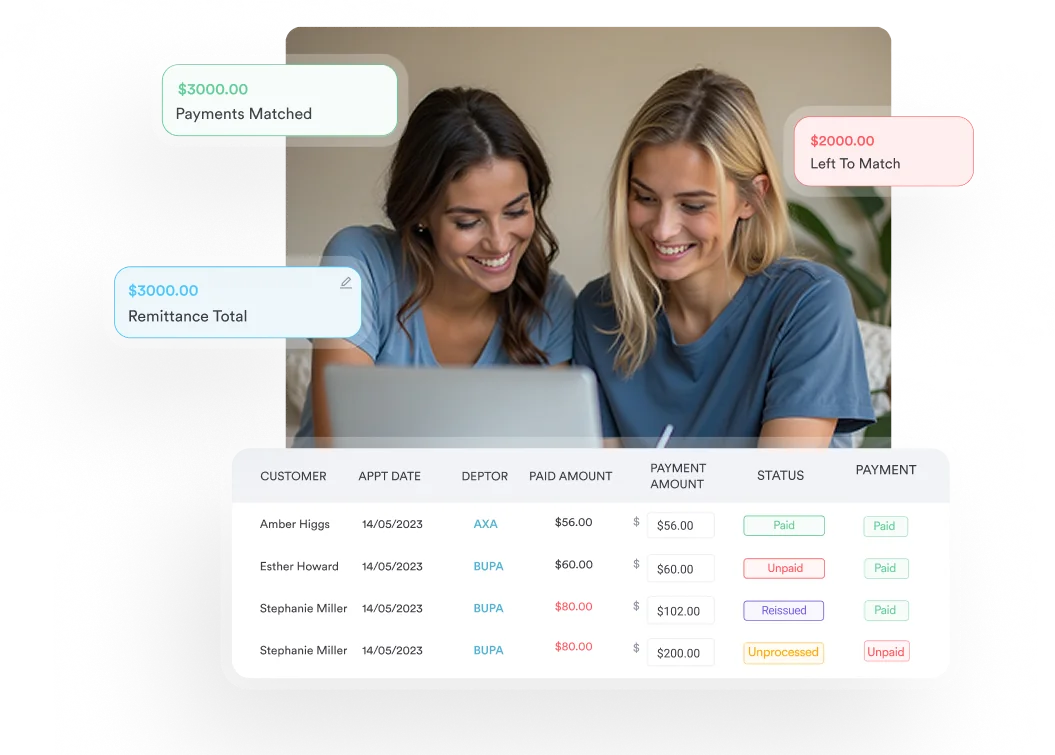

Pabau stores each pre-authorisation as a case, flags claims still missing an authorisation code, and validates claims before they go to the insurer via Healthcode.

K5750 is only right when the shock went through a catheter inside the heart. Settle that first, because every other step depends on it. A surface-electrode cardioversion is X5020, and no amount of documentation rescues the wrong code.
After that, the claim is won or lost before the procedure starts. A pre-authorisation reference confirmed in advance and a check against the CCSD combinations list prevent the rejections no appeal can fix. The operative note then carries the claim through any audit.
Book a demo to see how Pabau keeps pre-authorisations attached to the claims they cover.

Setting up CCSD billing for Bupa patients? Bupa CCSD procedure codes walks through how Bupa applies the CCSD schedule for UK private practitioners.
Looking up a neighbouring procedure code? CCSD codes indexes the schedule by chapter, including the cardiology sub-chapter.
Billing another chapter 8 cardiac procedure? CCSD code K2310 covers the billing rules for excision of a cardiac tumour.
Want fewer claims rejected for missing details? Pabau’s claims management software stores pre-authorisations as cases and validates claims before they go to the insurer via Healthcode.
CCSD Code K5750 covers internal cardioversion. A synchronised DC shock is delivered to the heart through a transvenous intracardiac catheter to restore sinus rhythm. External cardioversion with surface paddles or adhesive pads is coded separately, as X5020.
Internal cardioversion delivers a DC shock through a transvenous catheter placed inside the heart, typically at 1 to 20 joules. External cardioversion applies the shock through surface electrodes at 100 to 360 joules. On the CCSD schedule internal is K5750 and external is X5020, and the two are never billed for the same episode.
Insurers such as Bupa, AXA Health, Aviva and Vitality commonly require pre-authorisation for inpatient and invasive cardiac procedures. Confirm the rule for K5750 on each insurer’s code search or provider portal before the procedure. Obtain the reference before admission, as rules change with annual schedule reviews.
Frequent reasons include a missing pre-authorisation reference, an incomplete operative note and billing K5750 for an external cardioversion. Others are claiming a code CCSD lists against K5750, such as ICD insertion, and billing catheter insertion or monitoring as separate lines.
Check the CCSD unacceptable-combinations list and the insurer schedule before billing any other code with K5750.