HCPCS code G0206: Diagnostic mammography, unilateral
HCPCS code G0206: Definition and code status HCPCS code G0206 was the Level II c...

Last Updated: Oct 21, 2026
K4900 is the CCSD code for percutaneous transluminal angioplasty of coronary artery(ies) (including laser). It covers balloon or excimer laser dilatation of one or more narrowed coronary arteries through a catheter, without opening the chest.
The code sits in chapter 8 of the CCSD schedule, under Heart - Cardiology. UK private medical insurers use it for the cardiologist's fee when no stent is placed. Stent insertion goes on K4910 instead, and insurers expect pre-authorisation before the procedure.
Let Pabau's smart automation suggest the right codes, reduce claim denials, and keep your practice compliant—effortlessly.
Automate repetitive tasks and focus on what matters most—your patients.
Reduce coding errors and ensure compliance with the latest regulations.
Clean claims, fewer denials, and faster reimbursements.
Powerful insights and reporting to help your practice thrive.
HIPAA compliant SOC 2 certified GDPR-compliant Trusted by 4,000+ clinics worldwide

K4900 covers balloon and laser coronary angioplasty without a stent. Stent insertion is coded separately as K4910.
Bupa, AXA Health and other major UK insurers expect pre-authorisation before the procedure, not retrospectively.
Incomplete cath lab reports and missing pre-auth references are the top two denial triggers for K4900 claims.
Diagnostic coronary angiography is coded under the K65xx cardiac catheterisation family, not under K49xx.
Pabau, the practice management platform we build, ties pre-authorisation tracking, cath lab documentation and Healthcode claims to one patient record.
CCSD Code K4900 is defined in the Classification of Clinical Surgical Disciplines schedule as: Percutaneous transluminal angioplasty of coronary artery(ies) (including laser).
The code captures the mechanical dilatation of one or more coronary arteries from within the vessel lumen, performed without surgical chest opening.
The parenthetical “(including laser)” confirms that excimer laser coronary angioplasty is coded under K4900 rather than as a separate intervention.
CCSD codes are the procedure codes used across UK private medical insurance (PMI) billing. They are maintained independently of NHS coding systems, and claims are submitted electronically through Healthcode, the main UK private healthcare clearinghouse.
K4900 sits in chapter 8 of the schedule, Thorax and intra-thoracic organs. The same chapter holds the stent code K4910 and the K65xx cardiac catheterisation codes used for diagnostic angiography.
Percutaneous transluminal coronary angioplasty is a catheter-based treatment for obstructed coronary arteries. A balloon catheter is passed to the narrowed segment and inflated to compress the plaque, leaving the vessel wider.
The key procedural steps are:
When laser technique is used, an excimer laser catheter replaces or supplements the balloon, ablating plaque photochemically before or instead of balloon dilation. The CCSD descriptor explicitly includes this variant within K4900.
Knowing what K4900 covers prevents both unbundling errors and missed codes. The table below separates what is bundled into the code from what is separately reportable.
Always verify current bundling rules against the CCSD schedule and your specific payer contract. Bundling policies can differ between Bupa, AXA Health, and Healthcode submission guidelines.
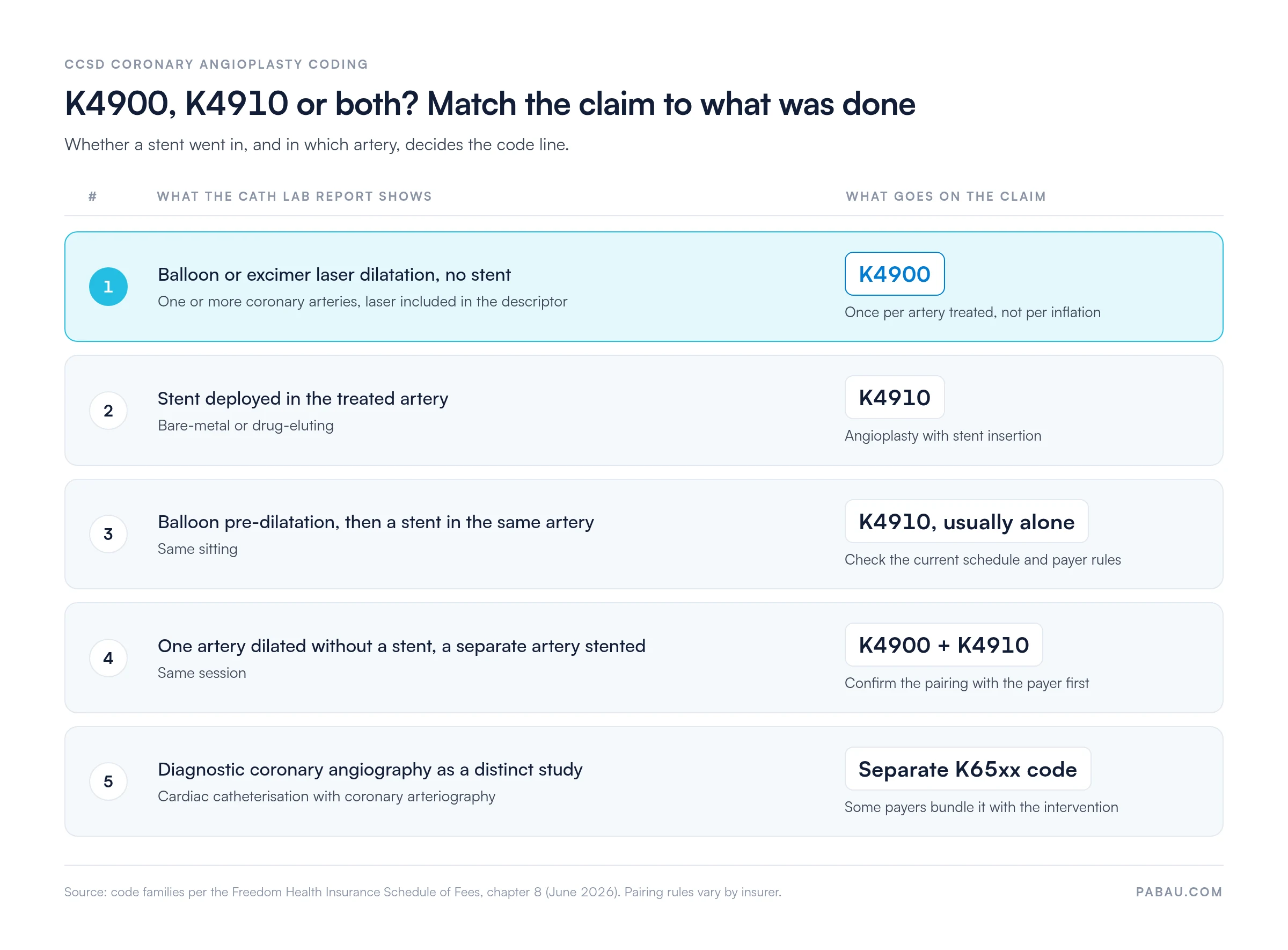
K4910 covers percutaneous transluminal coronary angioplasty with stent insertion. K4900 covers balloon or laser dilatation without a stent. The distinction decides which code to submit, and whether both codes can appear on the same claim.
When the operator pre-dilates with a balloon and then implants a stent in the same artery during one sitting, check the current CCSD schedule. It decides whether K4900 can stand alongside K4910 for that artery, or whether K4910 alone is correct. The panel below maps each common scenario to the code line it produces.
Most K4900 procedures generate more than one CCSD code on the claim. The table below lists the codes most commonly reported in the same episode and the conditions under which each pairing is appropriate.
Confirm all code pairings against the current edition of the CCSD schedule. FFR and IVUS eligibility in particular varies between payers and between schedule versions. Check each insurer’s policy before billing them.
Some cases also keep a cardiac surgical team on standby during the angioplasty. That cover is claimed separately under AA588, and the record needs a clinical reason for arranging it.
Multi-vessel disease often means more than one coronary artery is treated in a single session. When the operator dilates several arteries without stenting, code from the CCSD schedule’s own rules. Per-vessel unit logic borrowed from other code systems does not carry over.
Key principles for multi-vessel K4900 sessions:
Payers check a K4900 claim against the cath lab report. The operator note therefore has to record the technique, anatomy and outcome that support the code billed.
Required elements in the cath lab report to support a K4900 claim:
Practices that build the cath lab report as a digital form can make these fields mandatory before the form closes. That stops the most common omissions before the claim is generated.
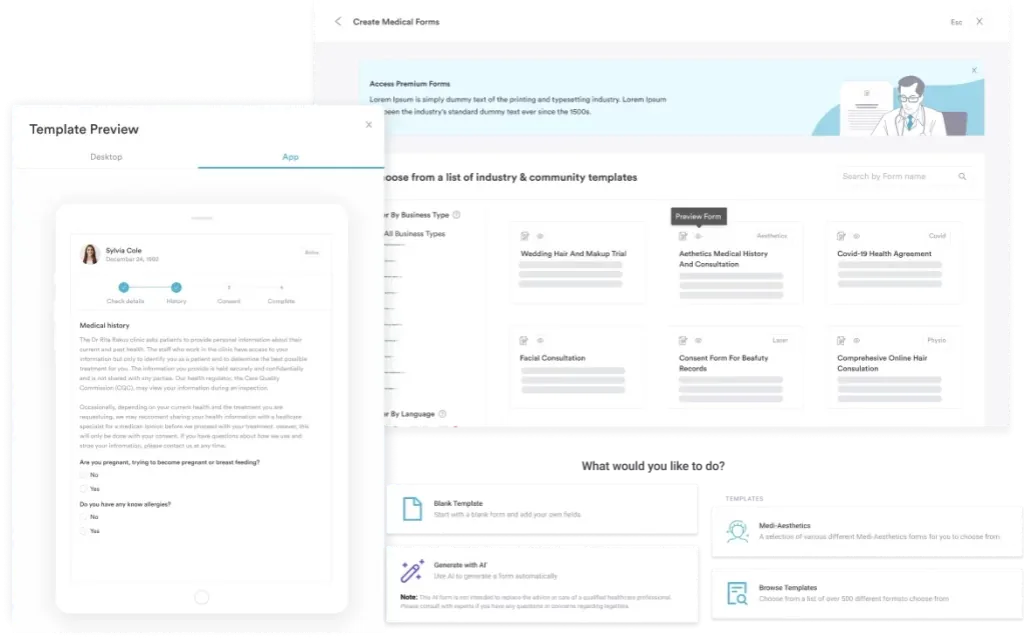
Build a K4900-specific cath lab report template that flags incomplete fields before the form is signed. Mandatory fields for vessel name, stenosis percentage and pre-auth reference catch the most common omissions at the source. A retrospective billing review finds them too late.
Every major UK private medical insurer treats K4900 as a mandatory pre-authorisation procedure. A coronary angioplasty claim without a valid pre-auth reference is usually denied in full, however complete the documentation.
Payer requirements by insurer (verify directly before each procedure, as policies are updated regularly):
For Bupa, the Bupa CCSD procedure codes reference shows how K4900 appears in Bupa’s own code search before you request pre-auth. Bupa’s portal also offers a live code lookup, so you can confirm the code you plan to bill matches Bupa’s system.
Submit pre-authorisation requests before the procedure date, never retrospectively. Most payers will not accept retrospective authorisation for elective or semi-urgent coronary intervention.
For emergency procedures, follow the individual payer’s emergency notification protocol and document the timeline of events in the operator note.
Most K4900 rejections fall into one of six categories, and a structured pre-submission checklist prevents most of them.
The Healix fee schedule and Aviva’s procedure fee schedule both publish unbundling guidelines. They set out which CCSD code combinations each insurer accepts for cardiac interventional episodes. Reviewing these before submitting complex multi-code claims reduces the risk of a clinical review hold.
A K4900 claim only pays when the pre-authorisation, the cath lab report and the claim line agree. In many cardiology practices those three live in different places: a spreadsheet of pre-auth references, reports chased by email, and a separate billing tool.
Pabau’s claims management software keeps the pre-auth status, the structured report and the Healthcode submission on the patient record. Billing teams build the claim from the same place the documentation lives.
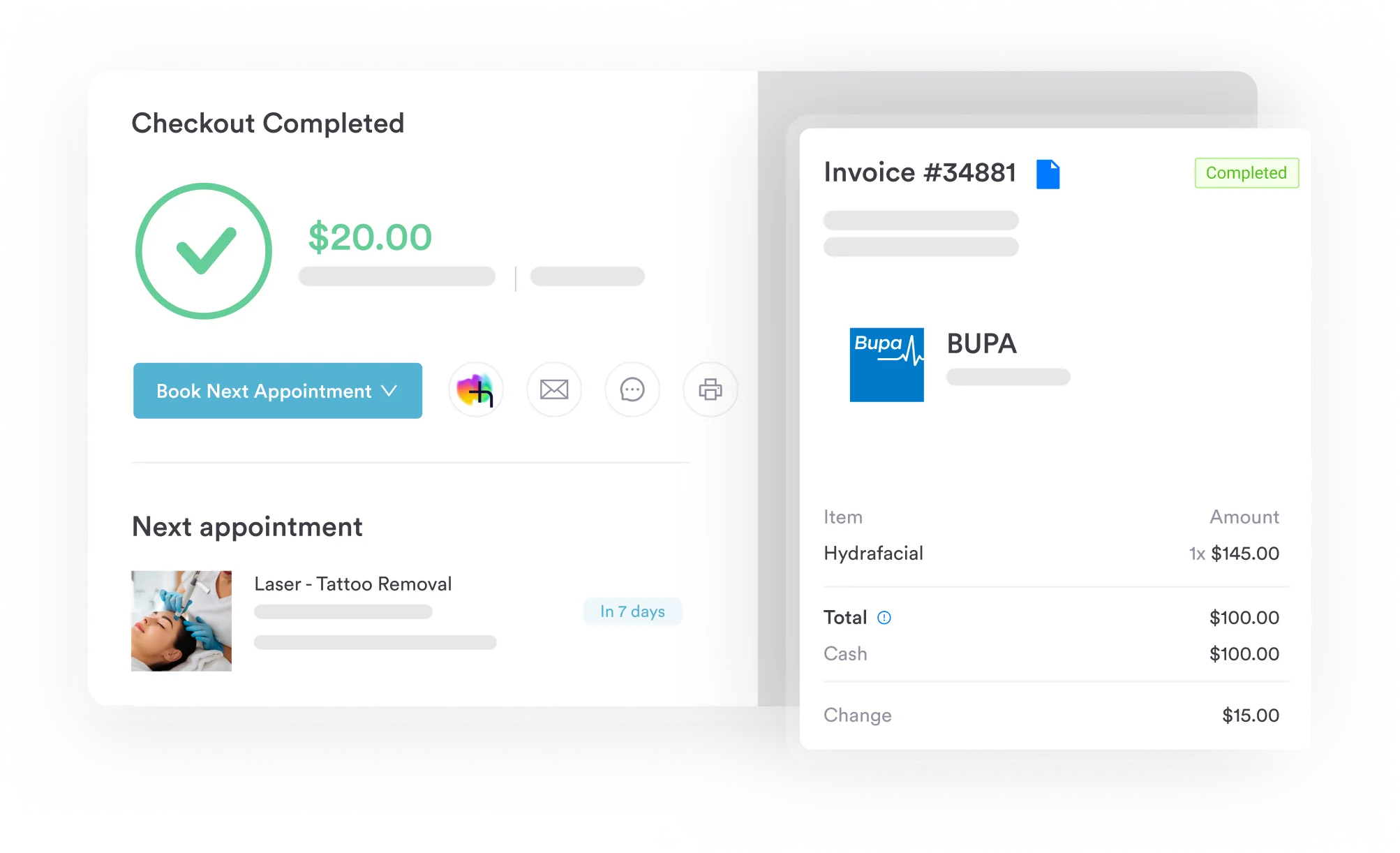
Attaching the pre-auth reference to the appointment and the invoice means it travels with the claim. A reference that was obtained but never reached the claim form is the most common cause of delayed payment.

Pabau helps UK private cardiology practices manage CCSD coding, pre-authorisation tracking, and Healthcode submissions in one place, so fewer claims come back denied.

A K4900 claim is won or lost before the patient reaches the cath lab. Secure the pre-auth reference first, then choose between K4900 and K4910 from the planned strategy rather than after the fact.
The trade-off is a few minutes of structure per case, in a report template built around the fields payers check. A held or denied angioplasty claim costs far more in follow-up and delayed payment.
Book a demo to see how Pabau links pre-authorisation, cath lab documentation and Healthcode claims for private cardiology practices.

Comparing billing tools for a UK private practice? Best medical billing software in the UK compares the options for Healthcode claims and insurer invoicing.
Looking to reduce billing errors across your private practice? Pabau claims management brings CCSD code lookup, pre-auth tracking and Healthcode submission into one workflow.
CCSD Code K4900 covers percutaneous transluminal angioplasty of coronary artery(ies), including laser angioplasty. It includes balloon dilation and excimer laser angioplasty of one or more coronary arteries. Stent insertion (K4910), diagnostic coronary angiography, and physiological assessment such as FFR or IVUS are coded separately.
K4900 covers coronary angioplasty without stent insertion, using balloon or laser technique. K4910 covers the same procedure when a stent is deployed. When different vessels are treated in one session, both codes may apply. When a stent follows balloon pre-dilation in the same artery, current CCSD rules typically support K4910 only, so verify with the current schedule edition.
Yes. The official CCSD descriptor for K4900 explicitly states “(including laser)”. Excimer laser coronary angioplasty is therefore covered under K4900 and does not need a separate code. The laser technique should be documented in the cath lab report to support the claim if a payer requests clinical review.
Yes. Both Bupa and AXA Health require pre-authorisation before coronary angioplasty is performed. Claims submitted without a valid pre-auth reference are typically rejected automatically, regardless of clinical appropriateness. Retrospective authorisation is generally not accepted for elective or semi-urgent cases. Verify requirements directly with each payer, as policies change.
Multi-vessel billing rules for K4900 depend on the current CCSD schedule edition and individual payer contracts. Some payers allow additional units per additional artery treated, while others restrict K4900 to a single unit per session. Verify against the applicable schedule and your payer agreements, and document each vessel treated separately in the cath lab report.
The most common K4900 denial reasons are a missing pre-authorisation reference and an incomplete cath lab report. Unbundling errors also trigger denials, such as billing several balloon inflations in one artery as separate units. So does submitting under an outdated CCSD schedule version. A structured pre-submission checklist prevents most of them.