HCPCS Code P9612: Catheterization for urine specimen collection
HCPCS Code P9612: Definition and code attributes HCPCS Code P9612 is the HCPCS L...

Last Updated: Oct 26, 2026
H0700 is the CCSD code for right hemicolectomy, schedule reference Fk.062, in sub-chapter 11.5 Large intestine. It covers removal of the cecum, ascending colon and hepatic flexure with the terminal ileum, followed by an ileocolic anastomosis.
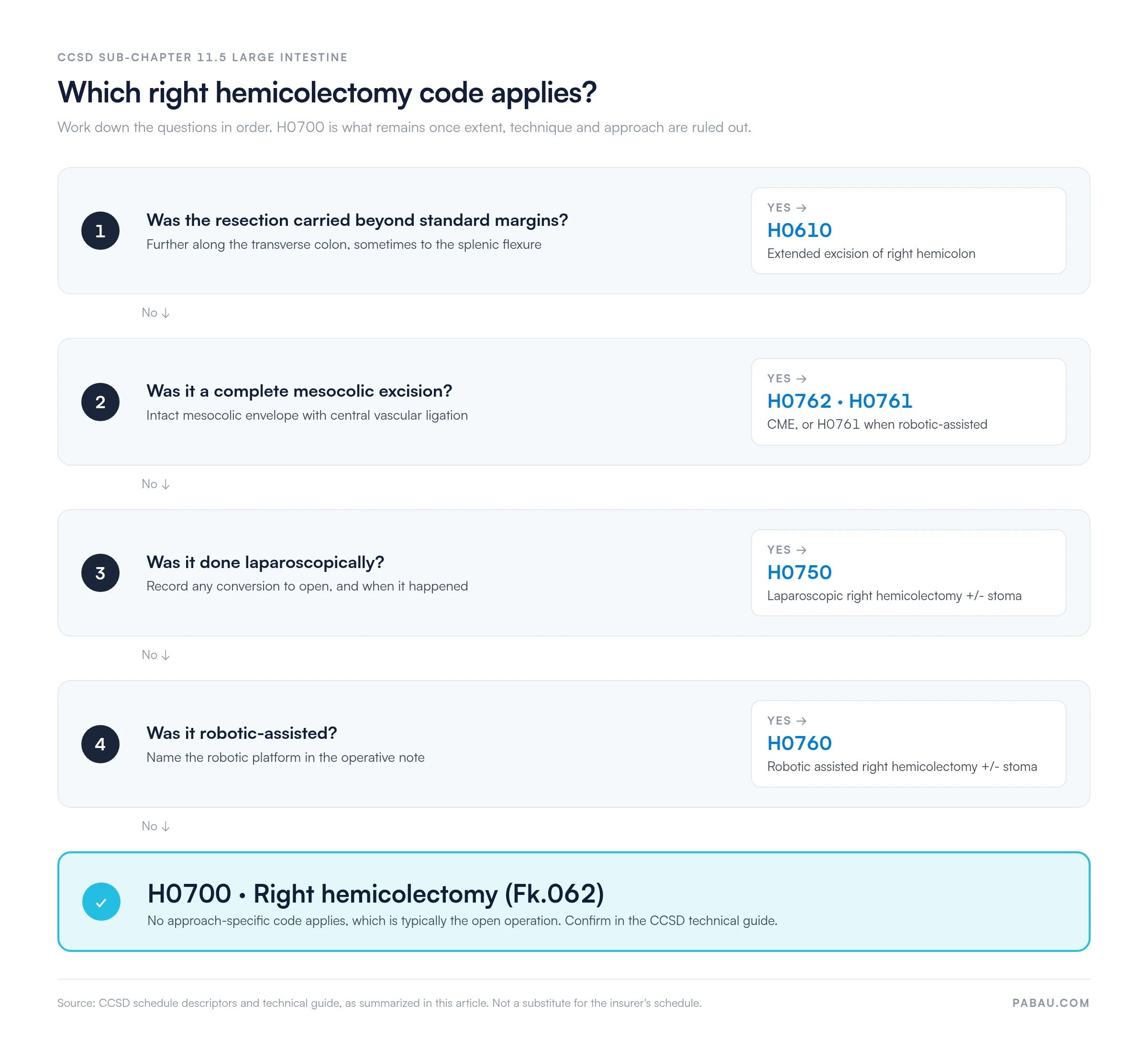
H0700 applies where no approach-specific code does, which is typically the open operation. Laparoscopic cases take H0750, robotic-assisted cases take H0760, and an extended resection takes H0610.
Let Pabau's smart automation suggest the right codes, reduce claim denials, and keep your practice compliant—effortlessly.
Automate repetitive tasks and focus on what matters most—your patients.
Reduce coding errors and ensure compliance with the latest regulations.
Clean claims, fewer denials, and faster reimbursements.
Powerful insights and reporting to help your practice thrive.
HIPAA compliant SOC 2 certified GDPR-compliant Trusted by 4,000+ clinics worldwide

CCSD code H0700 is the code for right hemicolectomy, schedule reference Fk.062, in sub-chapter 11.5 Large intestine.
The descriptor changed from “Other excision of right hemicolon” to “Right hemicolectomy”, so older guidance quoting the former wording is out of date.
Laparoscopic (H0750), robotic-assisted (H0760) and complete mesocolic excision (H0762) right hemicolectomies each have their own code.
An extended right hemicolectomy is coded H0610, so the operative note must record the resection margins precisely.
Pabau’s clinical records and Healthcode claims tools help UK private practices submit H0700 claims with the operative detail insurers check.
CCSD code H0700 is the code for right hemicolectomy in the CCSD schedule, the procedure coding framework UK private insurers use for billing. It sits in chapter 11, Abdomen (excl. urinary and reproductive organs), under sub-chapter 11.5 Large intestine, with schedule reference Fk.062. Codes from the other chapters sit in our CCSD code library.
The code once read “Other excision of right hemicolon.” CCSD has since renamed it “Right hemicolectomy”, and the code number stayed the same. The current descriptor names the operation itself.
Anatomically, the right hemicolon covers the cecum, the ascending colon and the hepatic flexure. A standard right hemicolectomy removes these with the terminal ileum and part of the proximal transverse colon.
A right hemicolectomy follows a consistent surgical sequence, whichever approach the surgeon uses. The surgeon mobilizes the right colon by dividing its peritoneal attachments along the white line of Toldt. The ileocolic vessels and the right branch of the middle colic artery are then ligated close to their origin.
The terminal ileum and the transverse colon are divided at the planned resection margins, and the specimen goes for histopathology. Bowel continuity is restored through an ileocolic anastomosis, stapled or hand-sewn. The anastomosis method does not change the CCSD code, but it belongs in the operative note.
Right hemicolectomy is performed when disease affects the cecum, ascending colon or hepatic flexure and cannot be managed endoscopically or medically. The indications below are the diagnoses most often seen on H0700 claims in UK private practice.
The principal ICD-10 code on the claim should match the indication. Use C18.0 for the cecum, C18.2 for the ascending colon and K50.1 for Crohn’s disease of the large intestine. Insurers check the diagnosis-to-procedure pairing, so precise ICD-10 selection matters as much as the CCSD code.
H0700 is the right hemicolectomy code where no approach-specific code (H0750, H0760) applies, which is typically the open operation. CCSD gives the laparoscopic operation its own code, H0750, and the robotic-assisted operation its own code, H0760. Confirm how open cases are coded in the CCSD technical guide.
The approach therefore decides the code number. Billing H0700 for a laparoscopic case, or H0750 for an open one, is a coding error. If a laparoscopic case is converted to open, record the point of conversion and check the conversion rule in the same guide.
Sub-chapter 11.5 splits colon resection by segment, extent and approach. Choosing H0700 correctly means ruling out each neighbor first. Our Bupa CCSD code guide and the insurer’s own schedule help settle cases at the boundary between descriptors.
Four right-sided resections are often confused in documentation: The standard right hemicolectomy, the extended right hemicolectomy, complete mesocolic excision and ileocolic resection. They differ in extent or technique, and CCSD codes three of them separately.
The operative note must state the proximal and distal transection points precisely. A procedure heading that reads only “Right hemicolectomy” leaves the coder unable to separate these four operations. If no CCSD descriptor fits the operation performed, raise a query with CCSD rather than forcing the nearest code.
The decision flow below puts those checks in the order a coder should run them, ending at H0700.
UK practitioners who also bill internationally will meet CPT equivalents for right hemicolectomy. Both systems separate approach by code number. CCSD then goes further, with dedicated codes for robotic assistance and complete mesocolic excision.
Treat CPT crosswalks as approximate reference points, never as interchangeable equivalents. Our CPT 44205 billing guide covers the US laparoscopic claim in more detail. Where a claim needs both CCSD and CPT coding, a clinical coding specialist should check alignment with the specific payer contract.
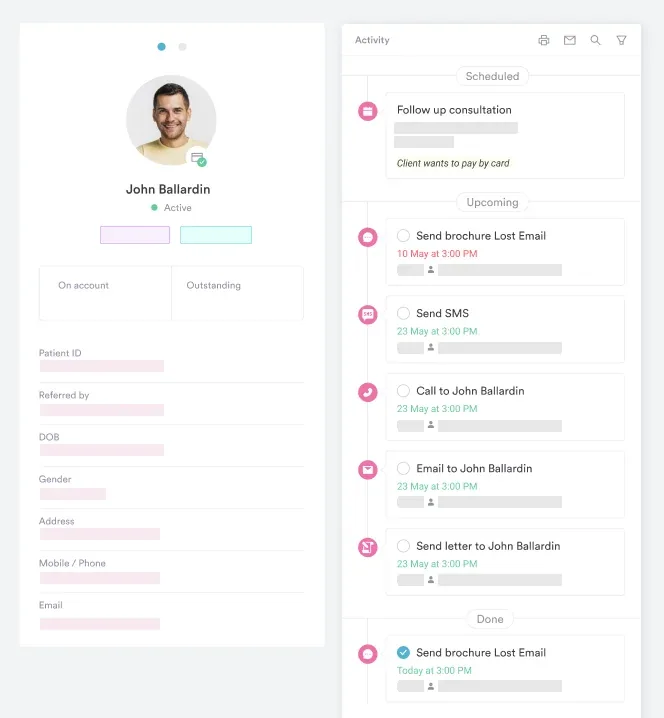
Thorough operative note documentation separates a paid CCSD code H0700 claim from a queried or denied one. Capturing each data point at the point of care removes the most common reason for a query. Insurers expect the following details before approving an H0700 claim.
Good medical billing compliance practice means the operative note is completed and signed before the claim goes out. It should not be amended after a payer query arrives.
Match the code to the approach written in the operative note before you submit. Laparoscopic and robotic-assisted cases take H0750 and H0760. H0700 applies where no approach-specific code does, which is typically the open operation. A mismatch between the note and the code is an easy query for an insurer to raise.
UK private insurers treat right hemicolectomy as major elective colorectal surgery. Insurers generally expect pre-authorization before elective major surgery, but terms vary, so check each insurer’s current policy. The summary below shows typical terms only.
Name the planned approach in the pre-authorization request, because H0700, H0750 and H0760 are separate codes. If the approach changes on the day, tell the insurer before the claim goes in.
For emergency or urgent presentations, such as cecal volvulus with obstruction, notify the insurer within its required timeframe instead. The claim should state the urgency classification so that elective pre-authorization rules are not applied retrospectively.
Most H0700 claim denials are avoidable. Knowing which documentation and coding errors trigger refusal lets billing teams build a submission checklist that prevents them. Error-checking claims software flags missing fields before submission, which cuts the denial and resubmission cycle on major surgical claims.
Start with the insurer’s stated reason, then fix the cause before you resubmit. A resubmission that repeats the original error is usually refused again.
Keep a copy of each appeal with the patient record. A clear audit trail shortens the next query on a similar claim.
A right hemicolectomy usually involves an assistant surgeon and an anesthetist, and each may bill the insurer separately. Knowing how their claims sit alongside H0700 prevents the duplicate-billing denials listed in the table above.
Always confirm companion claim rules against the payer’s live schedule. Build that check into the workflow before any major surgical claim goes out.
Many surgical practices still assemble an H0700 claim by hand. The operative note sits in one system, histology arrives by email, and the claim is keyed into an insurer portal.
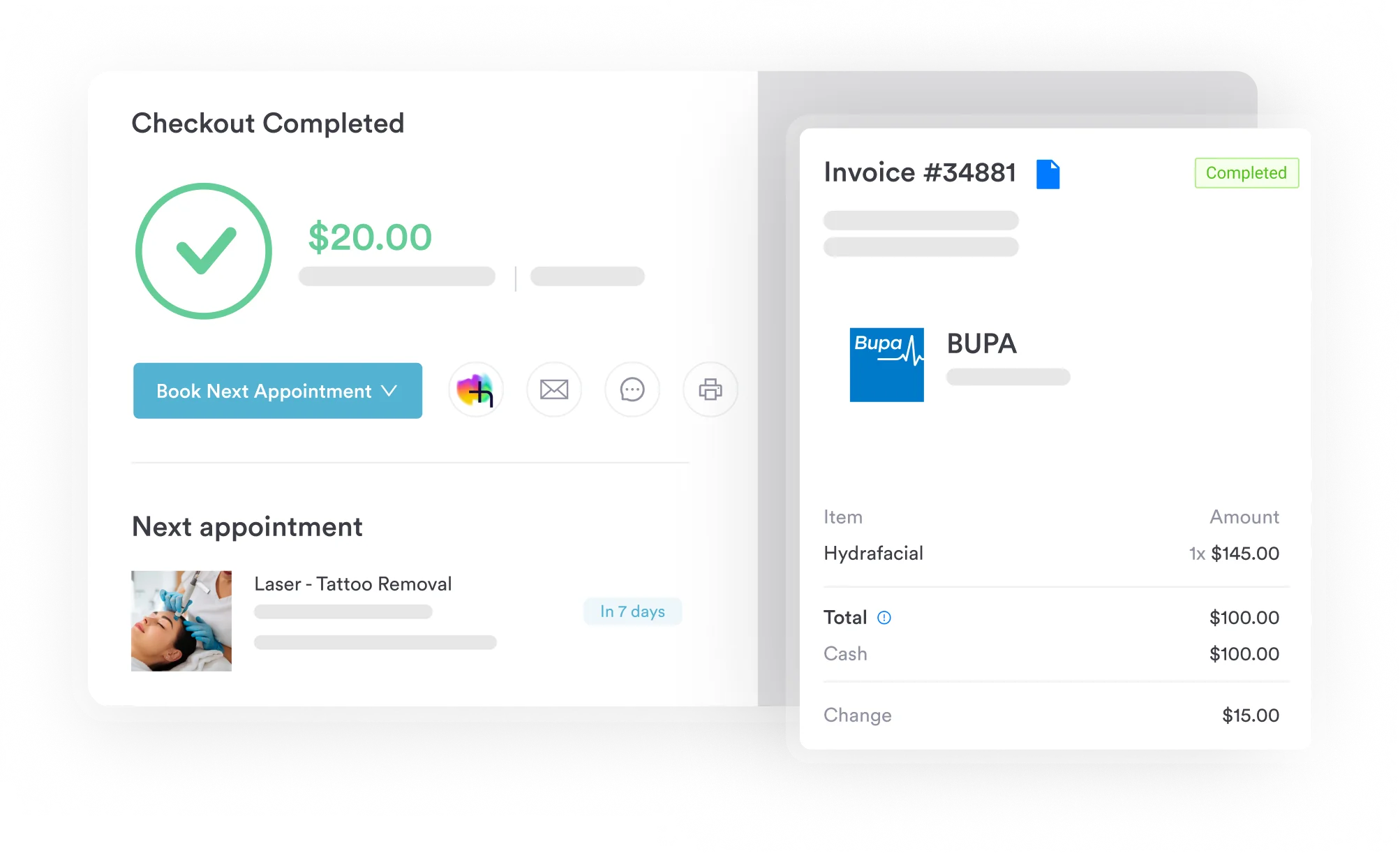
Pabau, the practice management and billing platform we build, keeps the patient record, operative note and invoice together. It sends private medical insurance claims through Healthcode to insurers such as Bupa, AXA Health and Vitality. Insurance claiming is included in every subscription.
Structured note templates prompt the surgeon to record the approach, margins and anastomosis, so the coder can choose between H0700, H0750 and H0610 with confidence. The result is fewer queries and faster payment on major colorectal claims.

Pabau helps UK private practices document surgical procedures accurately, manage pre-authorization workflows, and submit CCSD-coded claims with the supporting clinical records payers require.

Practices quoting the old “other excision” wording are working from out-of-date guidance, so check the current CCSD descriptor.
The fix starts in the operating room. An operative note that states the approach, the margins and the technique tells the coder which code applies before the claim is built. Where the note is silent on approach, H0700 becomes a guess, and a guessed code on a major colorectal claim invites a query.
To see how Pabau handles CCSD procedure billing end to end, book a demo.

Need a structured approach to CCSD procedure billing? Bupa CCSD procedure codes and billing guide covers the schedule structure, fee submission rules, and how to navigate Bupa’s code search portal.
Looking to reduce claim rejections across your private practice? Claims management software from Pabau automates the pre-submission checks that prevent the most common CCSD denial triggers.
Coding revisional colorectal surgery? CCSD code H0480 covers abdominal revision of restorative proctocolectomy and how to document it for insurers.
Facing a denied surgical claim? Denial codes in medical billing explains what each denial reason means and how to respond.
CCSD code H0700 covers right hemicolectomy, schedule reference Fk.062, in sub-chapter 11.5 Large intestine. It is used for the standard operation when no laparoscopic, robotic-assisted or complete mesocolic excision code applies.
No. CCSD changed the descriptor from Other excision of right hemicolon to Right hemicolectomy, and the code number stayed H0700. Guidance quoting the old wording is out of date.
No. A laparoscopic right hemicolectomy has its own CCSD code, H0750, and a robotic-assisted one is coded H0760. H0700 applies where no approach-specific code does, typically the open operation, so confirm in the CCSD technical guide.
An extended right hemicolectomy is coded H0610, Extended excision of right hemicolon. Complete mesocolic excision is coded H0762, or H0761 when robotic-assisted.
The most common reasons are an approach or extent mismatch, missing pre-authorization and an incomplete operative note. An ICD-10 code that does not support the indication is another frequent cause.
CPT 44160 (open) and 44205 (laparoscopic) are approximate US equivalents for right hemicolectomy. They are not interchangeable with CCSD codes, so cross-coding needs specialist review.
Yes, when both roles were present and documented. Each clinician claims under their own provider details. Insurer rules vary, so check the payer’s assistant-surgeon policy before billing.