HCPCS Code V5095: Semi-implantable middle ear hearing prosthesis
HCPCS Code V5095: Definition and clinical descriptor HCPCS Code V5095 is the Lev...

Last Updated: Nov 25, 2026
B0850 is the CCSD code for isthmectomy of the thyroid gland: surgical removal of the thyroid isthmus alone, with both lobes left intact. It applies to isthmus-confined pathology, such as an isthmic nodule or a small isthmic carcinoma.
The code sits in Chapter 6 of the CCSD schedule, under Thyroid and Parathyroid Glands. Once a lobe comes out as well, the claim moves to a lobectomy or thyroidectomy code, such as B0830 or B0812.
Let Pabau's smart automation suggest the right codes, reduce claim denials, and keep your practice compliant—effortlessly.
Automate repetitive tasks and focus on what matters most—your patients.
Reduce coding errors and ensure compliance with the latest regulations.
Clean claims, fewer denials, and faster reimbursements.
Powerful insights and reporting to help your practice thrive.
HIPAA compliant SOC 2 certified GDPR-compliant Trusted by 4,000+ clinics worldwide

CCSD Code B0850 covers removal of the thyroid isthmus only, with both thyroid lobes left in place.
Billing a lobectomy or thyroidectomy code when only the isthmus came out overstates the procedure and puts the claim at risk of denial.
The pyramidal lobe may come out en bloc in the same episode, but bundling rules vary, so check with the payer before submission.
Insurers typically expect a complete operative note naming the isthmus, paired with a matching ICD-10 diagnosis code; confirm each payer’s policy.
Pabau’s claims management software supports CCSD billing, with pre-authorization tracking and operative note capture for endocrine surgery episodes.
CCSD Code B0850 covers isthmectomy of the thyroid gland, the removal of the thyroid isthmus as a discrete surgical procedure. B0850 is listed in the CCSD schedule of procedures, which the Clinical Coding and Schedule Development Group maintains. The code sits in Chapter 6 (Face, mouth, salivary and thyroid), under Thyroid and Parathyroid Glands. It applies when the surgeon resects only the isthmus, the narrow band of thyroid tissue connecting the two lobes across the anterior trachea.
That anatomical precision separates B0850 from the neighboring thyroid codes. When a lobectomy or hemithyroidectomy is performed in the same operative episode, a higher-value CCSD code applies instead. B0850 is the correct code only when the isthmus is the sole structure resected. Insurers then price the code under their own fee schedules, and the Bupa CCSD codes guide shows how Bupa handles that.
The thyroid isthmus is the midline bridge of thyroid tissue lying directly anterior to the second and third tracheal rings. During an isthmectomy, the surgeon divides and ligates the vessels supplying the isthmus, then resects it from the tracheal surface. Both thyroid lobes stay intact. When a pyramidal lobe is present, it may be excised en bloc as a continuous extension of the isthmus. Whether that stays within B0850 or needs co-coding depends on the payer’s bundling rules.
Two structures are at risk. The recurrent laryngeal nerve (RLN) runs in the tracheoesophageal groove on both sides, and the parathyroid glands sit behind the thyroid capsule. A note describing RLN identification or parathyroid preservation shows the surgical depth of the procedure. That supports B0850 as a standalone code rather than an incidental part of a larger resection.
The approach is usually open, through a cervical collar incision (Kocher’s incision), though some endocrine surgeons perform the procedure endoscopically. The operative note should state the approach, because it affects documentation completeness for payer audits.
An isthmectomy is performed when the pathology is confined to the isthmus and both lobes can safely stay in place. Coders should match the documented indication against it, since payers may query a claim where the diagnosis does not fit the procedure. Typical documented indications include the following; confirm against the payer’s clinical policy.
The ICD-10 diagnosis code paired with the B0850 claim must reflect one of these or a clinically equivalent condition. Coding a goiter of a lobe alongside B0850, when only the isthmus was removed, creates a clinical-to-procedural mismatch that triggers payer review.
A frequent upcoding error in thyroid surgery billing is selecting a lobectomy or thyroidectomy code when only the isthmus was removed. The table below maps B0850 against the neighboring CCSD codes, so coders can match the code to the extent of surgery.
CCSD’s core coding principle is to select the code for the most extensive procedure performed. If the note describes a lobectomy that also took the isthmus, B0830 takes precedence and B0850 is not billed separately. When both lobes come out, the claim moves to B0812, or to B0813 when a lymph node block is dissected too.
B0860 is a residual code for partial thyroidectomy not classified elsewhere, so it never stands in for an isthmectomy. The grid below lines the five codes up against the tissue each one covers.
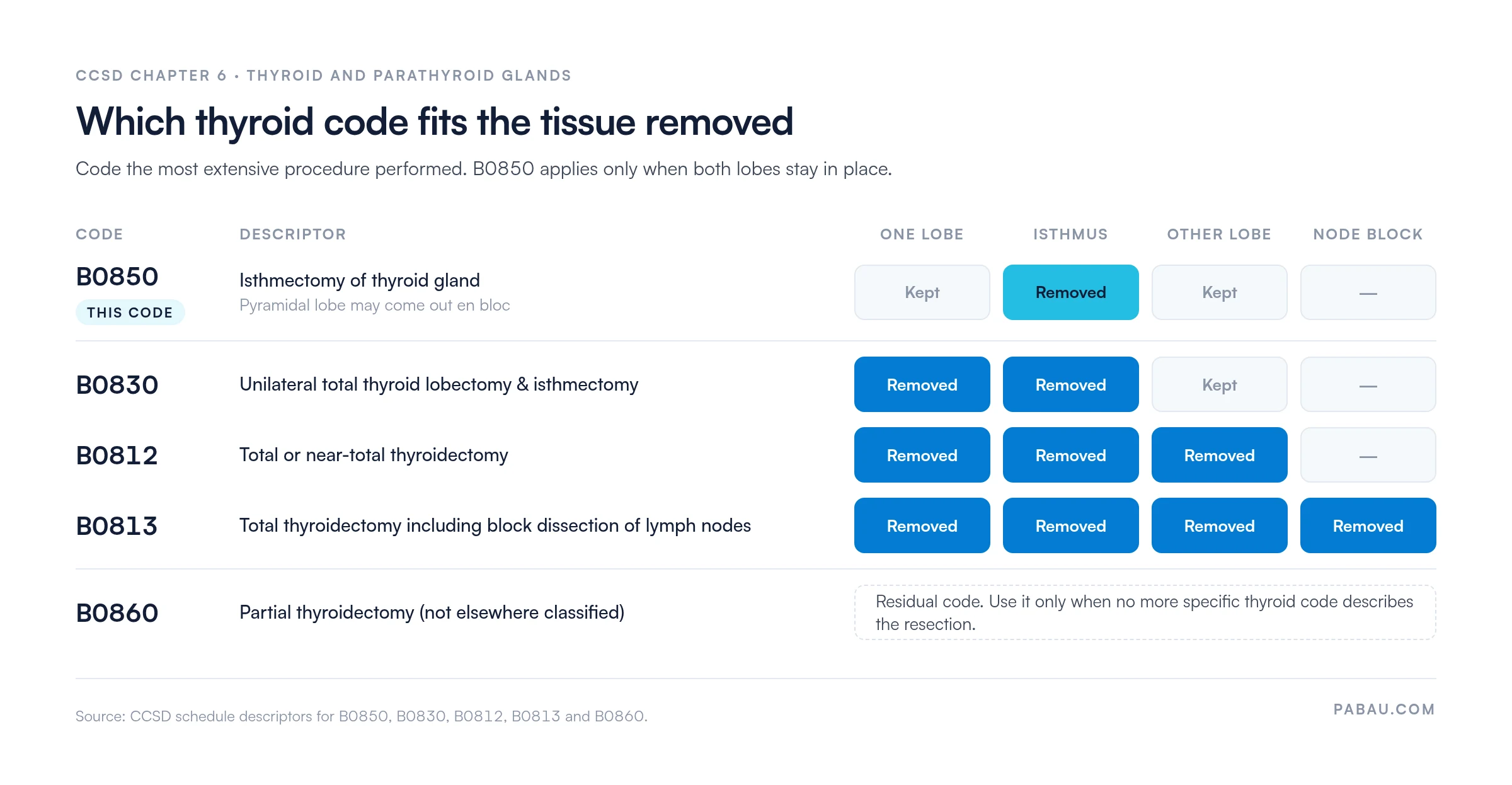
The descriptors for B0830, B0812, B0813 and B0860 above match the current CCSD schedule. Recheck them at ccsd.org.uk after each annual update, and compare neighboring entries in the CCSD codes for surgeons library. Chapter 6 also holds the mouth codes, such as CCSD procedure code F2810 for a palate lesion. Salivary duct work sits there as well, with code F4830 covering therapeutic sialendoscopy.
Knowing the bundling boundaries prevents the two most expensive claim errors. One is missing a separately billable procedure, and the other is adding a code that payers will bundle into B0850.
An incomplete or ambiguous operative note is the most controllable cause of B0850 claim denials. Digital operative note forms that prompt for each element payers require make it far less likely that a note goes out missing one.
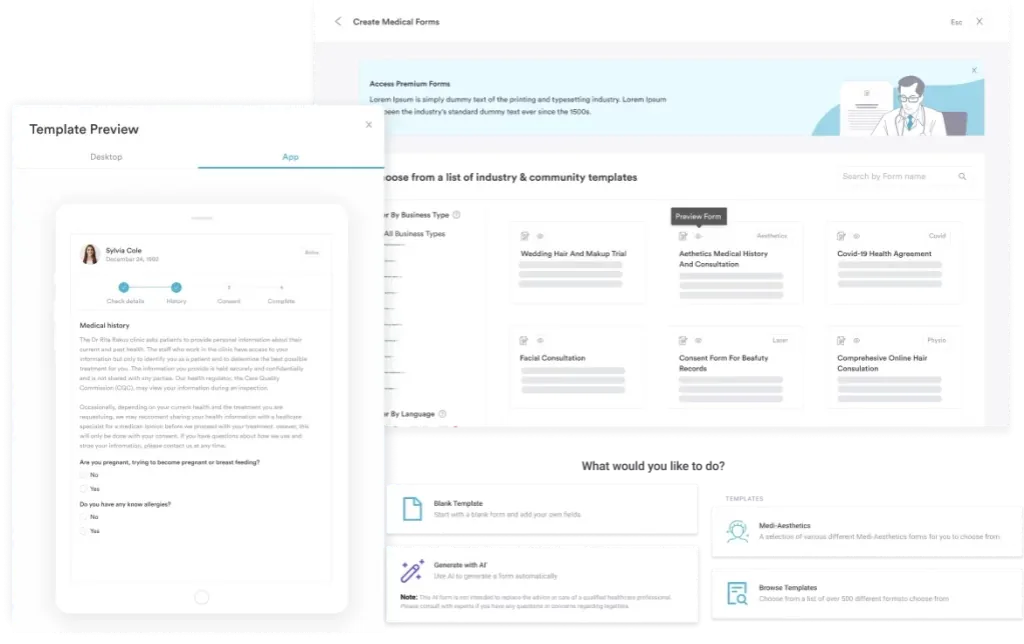
The following checklist reflects what UK private medical insurers typically require. Where payers have their own documentation standards, their clinical policy documents take precedence.
The ICD-10 diagnosis code paired with B0850 must map directly to the indication documented in the consultant’s letter and operative note. Common pairings include E04.1 (non-toxic single thyroid nodule) or E04.0 (non-toxic diffuse goiter) for benign isthmic pathology. Isthmic carcinoma pairs with C73. A mismatch between the diagnosis code and the operative note is an automatic audit flag.
Pabau’s private practice claims software lets practices attach the operative note, consent documentation and diagnosis pairing to the claim record before submission. That keeps an incomplete claim from reaching the payer.
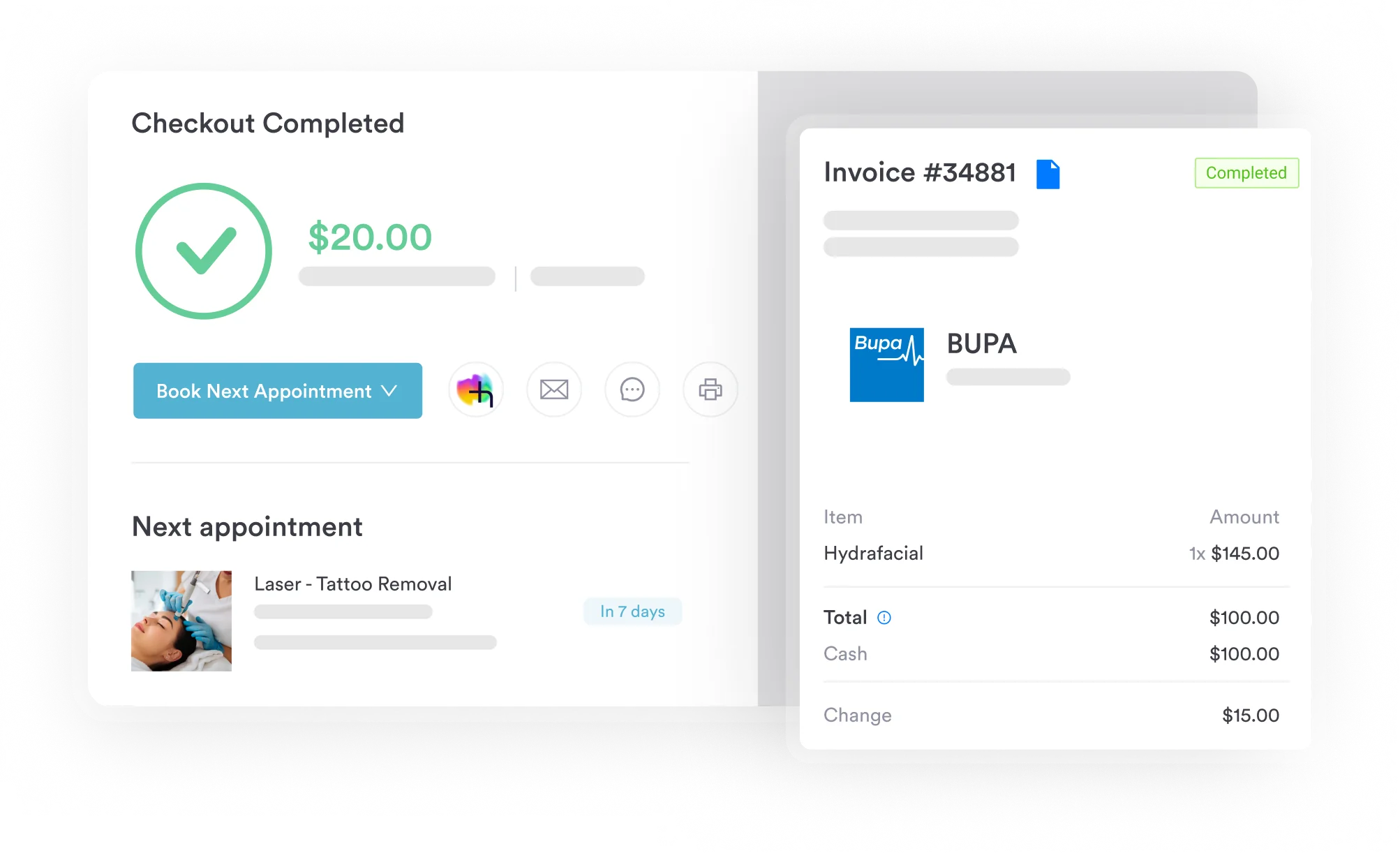
UK private medical insurers generally require pre-authorization (pre-auth) before elective thyroid surgery, including procedures billed under CCSD Code B0850. The pre-auth confirms policy cover, clinical appropriateness and the agreed CCSD code before admission. Submitting a B0850 claim without a valid pre-auth reference is a common cause of administrative denials. Tracking pre-auth status against each booked surgical episode helps prevent this.
The table below summarizes the supporting evidence UK payers typically require when requesting pre-auth for an isthmectomy. Requirements vary by payer and policy year, so verify them against the insurer’s current clinical policy documentation.
Request the pre-auth reference number before the patient’s admission date and record it against the booking in your practice management system. If the admission date changes, confirm with the payer whether the existing reference remains valid. Some payers issue a new reference for rescheduled episodes, and submitting on the original one can result in an administrative denial.
B0850 denials in private thyroid surgery billing tend to trace back to a small set of fixable errors. The table below maps the most frequent denial reasons to their root causes and corrective actions.
Once a denial has been issued, the appeal route and evidence requirements differ by insurer. UK private medical insurers run formal dispute processes, and appeal windows vary by insurer contract. Confirm the route and deadline with the relevant insurer before resubmitting with the corrected documentation.
Yes, B0850 can be co-billed with distinct services that are not already bundled into the isthmus resection itself. The list below covers the common co-billing scenarios and their acceptance status. Payer bundling rules are updated annually and differ between insurers, so treat it as a starting framework rather than a payer-approved list.
Surgical practices handling complex endocrine episodes need the operative note, pre-auth reference and every submitted code linked to one episode. Structured patient records do that, and they prevent the co-billing errors that come from documentation split across separate systems.
The denials above start before the claim is sent. A pre-auth reference goes missing, the operative note never names the isthmus, or the diagnosis code points at a lobe.
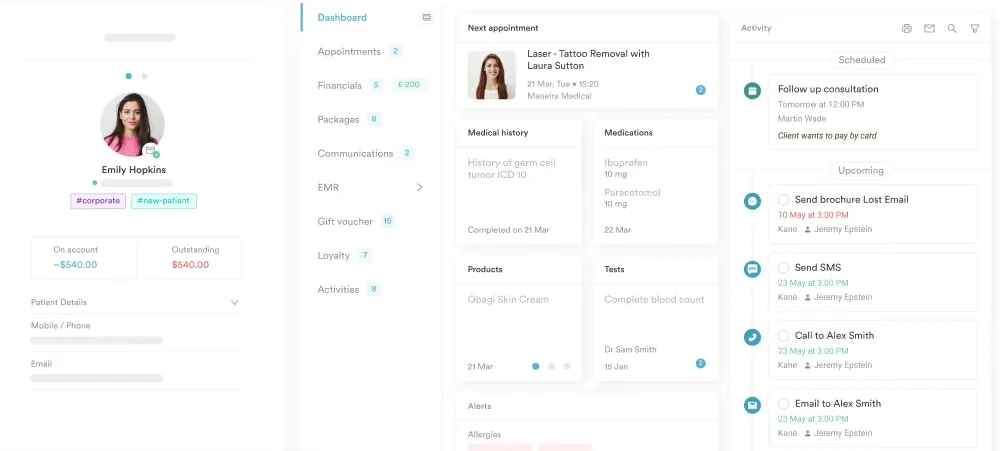
Pabau keeps those pieces on the patient’s surgical episode. The pre-auth reference sits against the booking, and the operative note is captured on a digital form. The claim record then holds the CCSD and ICD-10 codes together.
Billing staff review one record instead of three systems, so a scope mismatch or an expired reference is caught before the payer sees it.

Pabau supports UK private practices with pre-authorization tracking, digital consent, operative note capture and CCSD claim workflows, so each claim leaves with its documentation attached.

B0850 is a narrow code, and its claims fail when the paperwork is broader or vaguer than the surgery. Before submission, check that the operative note names the isthmus and states that both lobes were left intact. Then confirm the pre-auth reference was issued for B0850, not for a lobectomy code.
If the note and the pre-auth disagree, correct one of them before the claim goes out. An appeal takes longer than a fix at source. Book a demo to see how Pabau keeps operative notes, pre-auth references and CCSD codes on one episode for your surgical practice.

Need to check how Bupa recognizes your CCSD codes? Bupa CCSD codes guide covers the schedule of recognized codes and fee structures for UK private practice.
Coding a total thyroidectomy with neck node clearance? CCSD Code B0813 covers total thyroidectomy including block dissection of lymph nodes.
Want to reduce administrative denials across your private surgical caseload? Claims management software from Pabau links pre-auth references, operative records and CCSD codes to each episode before submission.
CCSD Code B0850 covers isthmectomy of the thyroid gland, the surgical removal of the thyroid isthmus as a discrete procedure with both lobes left intact. It may include pyramidal lobe excision performed en bloc in the same operative episode, subject to payer bundling rules.
An isthmectomy is surgical resection of the thyroid isthmus, the narrow midline band of thyroid tissue connecting the two lobes across the anterior trachea. Both lobes remain in situ after the procedure, which distinguishes it from a lobectomy or hemithyroidectomy.
B0850 applies when only the thyroid isthmus is removed. B0830 applies when one lobe and the isthmus are removed, and B0812 covers total or near-total thyroidectomy. Billing a lobe-removal code when only the isthmus was resected is upcoding and a denial risk.
Major UK insurers such as Bupa, AXA Health, Aviva and Vitality use CCSD-based schedules; confirm with each payer. Each insurer keeps its own fee schedule and pre-authorization requirements, published through its provider portal.
The most frequent denial reasons are a missing pre-authorization, an operative note that omits the isthmus, and an ICD-10 code that misses the isthmic pathology. Unbundling also triggers denials when B0850 is billed alongside a hemithyroidectomy code for the same episode.
Yes. Anesthesia codes are billed separately by the anesthetist and do not conflict with B0850. Surgical assistant codes may be billable alongside B0850 where the payer’s clinical policy permits an assistant for this procedure. Confirm with the specific insurer before adding an assistant code to the claim.