CPT Code 88346
CPT code 88346 is the billing code for immunofluorescence on a tissue specimen, ...

Last Updated: Nov 26, 2026
A1300 is the CCSD code for maintenance of cerebroventricular shunt (including revision). UK private medical insurers such as Bupa, AXA Health and Aviva use it for surgery on a shunt that is already in place.
The code covers work on the valve, catheters and reservoir, whether or not a component is replaced. First-time insertion has its own code, and complete removal of the shunt system takes A1430.
Let Pabau's smart automation suggest the right codes, reduce claim denials, and keep your practice compliant—effortlessly.
Automate repetitive tasks and focus on what matters most—your patients.
Reduce coding errors and ensure compliance with the latest regulations.
Clean claims, fewer denials, and faster reimbursements.
Powerful insights and reporting to help your practice thrive.
HIPAA compliant SOC 2 certified GDPR-compliant Trusted by 4,000+ clinics worldwide

CCSD code A1300 covers maintenance of an existing cerebroventricular shunt, including revision, but check the current schedule for a separate revision code (A1301).
Anesthesia, hospital facility fees and implant costs are not bundled into A1300, so each goes on its own claim line.
ICD-10 T85.0 (mechanical complication of ventricular intracranial shunt) is the preferred diagnosis code for revision claims; a mismatch is a leading cause of rejection.
Pabau links the CCSD code to the ICD-10 diagnosis and sends the claim through Healthcode to UK insurers such as Bupa, AXA Health and Vitality.
CCSD code A1300 is the procedure code for maintenance of cerebroventricular shunt (including revision).
It belongs to the CCSD Schedule, which holds the standard procedure codes for the UK private healthcare sector. CCSD stands for Clinical Coding & Schedule Development, and UK private medical insurers such as Bupa and AXA Health use it. A1300 sits in chapter 2, Brain, cranium and other intracranial organs, and codes from the other chapters sit in our CCSD code library. The V0310 code for exploratory open craniotomy sits in the same chapter.
The code applies only to procedures on a shunt system that is already in place. It covers the neurosurgeon’s operative work from incision through wound closure, including intraoperative shunt function testing. It also covers every technical step needed to restore or confirm adequate cerebrospinal fluid (CSF) diversion.
The descriptor names two clinical activities: maintenance and revision. Maintenance includes valve reprogramming with wound access, shunt series review during the operative episode, or inspection where no component is replaced. Revision means replacing or repositioning one or more shunt components, such as a blocked proximal catheter, a failed valve or a migrated distal catheter.
Insurer operation lists still publish A1300 with revision included, but the CCSD schedule may also carry A1301 for revision or replacement of a shunt. Confirm the descriptor and any revision code (A1301) in the current CCSD schedule before you code a revision.
Creating a new shunt is not A1300 either. First-time placement takes a creation code, such as A1240 for a ventriculoperitoneal shunt or A1220 for a ventriculovascular anastomosis.
Complete removal of the shunt system takes A1430 instead. The guide below maps each operative finding to the code it supports.
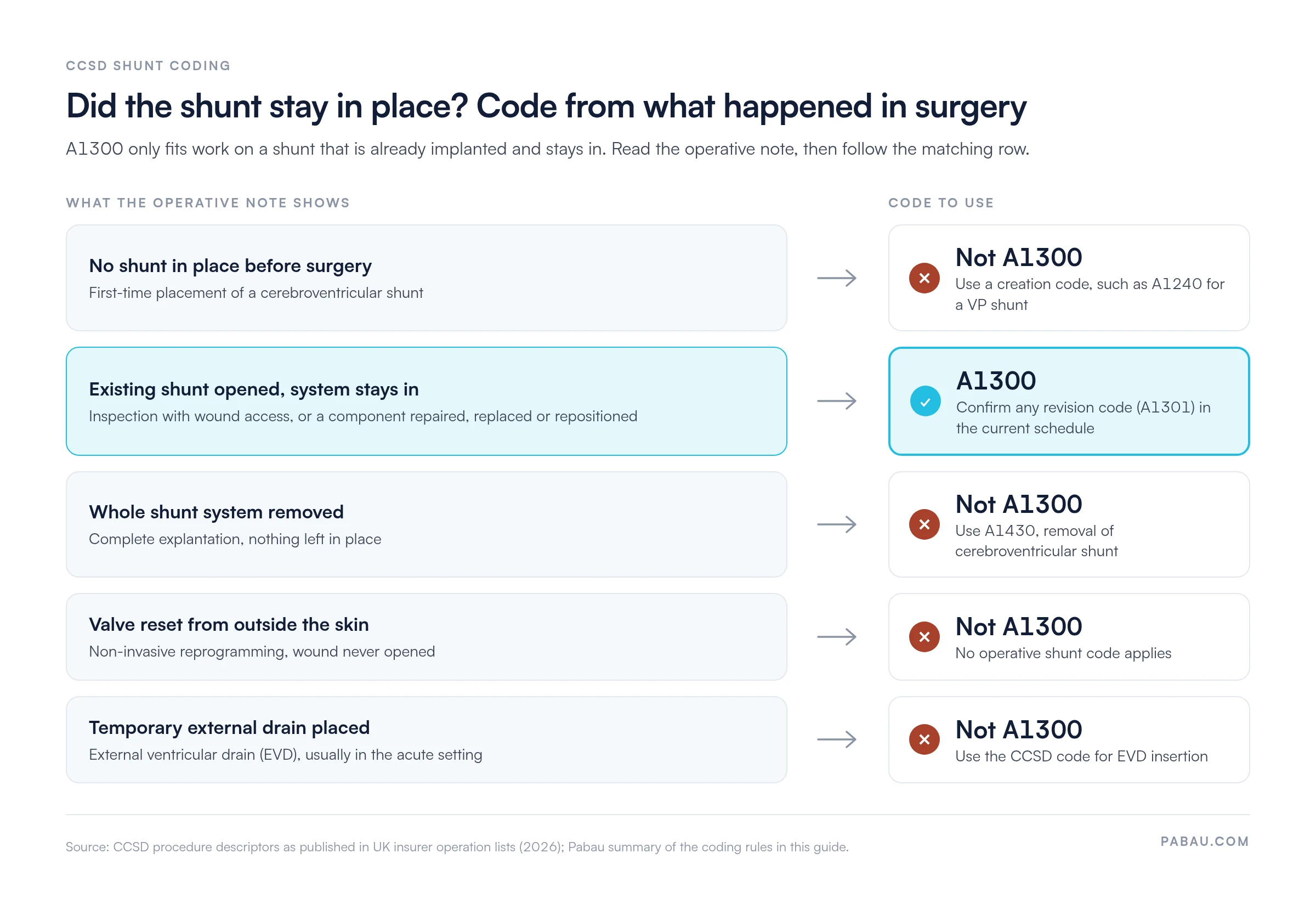
A cerebroventricular shunt is a CSF diversion system implanted to manage hydrocephalus or elevated intracranial pressure. The system has three main components: a proximal catheter in a cerebral ventricle, a pressure-regulated valve and a distal catheter. The distal catheter drains CSF to another body cavity. That is most commonly the peritoneum (ventriculoperitoneal or VP shunt), then the atrium (ventriculoatrial or VA shunt) or, less often, the pleural space.
Maintenance under A1300 covers procedures where the neurosurgeon accesses the shunt system to verify function, adjust valve settings or inspect components. Revision covers any intraoperative act that replaces, repositions, or lengthens a component because of shunt failure, infection, obstruction, or patient growth.
Common intraoperative steps during a revision coded to A1300 include:
Not every clinical contact with a shunt patient supports a claim under CCSD code A1300. UK private insurers expect a documented clinical or mechanical indication before they authorize the procedure. The following indications typically support a revision or maintenance claim:
A routine outpatient clinic review of a shunt patient, with no intervention and no wound access, does not support a claim under A1300. Insurers will refuse a claim where the operative note describes only a consultation without intraoperative findings.
The neurosurgeon’s fee for A1300 covers the complete operative work, and other providers bill their own components. The table below shows what a standard A1300 claim includes and what goes on a separate line.
Confirm with the hospital billing team that implant invoice details are captured before the claim goes in. Insurers may ask for manufacturer invoices for shunt hardware when they review an A1300 claim. Missing implant documentation can lead the insurer to recover payment later.
UK private insurers expect each CCSD claim to carry at least one valid ICD-10 diagnosis code that supports the procedure. A diagnosis that does not match a shunt revision or maintenance indication is a common reason an A1300 claim is queried or refused.
When T85.0 is the correct primary code for a revision, billing staff should not substitute G91.x as the sole diagnosis. Insurers read G91.x as the underlying condition and may query why a maintenance/revision procedure is being claimed when there is no documented acute shunt complication. Use T85.0 as the principal diagnosis for revision claims and add the hydrocephalus sub-code as a secondary diagnosis where relevant.
CCSD code A1300 covers maintenance and revision of an already-implanted shunt. It does not cover first-time insertion or entirely different neurosurgical CSF diversion procedures. Drainage of the spinal canal, including a shunt inserted in the same procedure, is coded as A5300. Coders selecting the wrong adjacent code create either an underclaim (insufficient reimbursement) or an overbilling risk (audit exposure). The table below identifies the codes most frequently confused with A1300. Each insurer applies the schedule in its own way, and our Bupa CCSD code guide shows how one major insurer does it.
Elective shunt revision in a private hospital almost always needs pre-authorization from the patient’s private medical insurer. The patient usually contacts the insurer, which issues an authorization number for the planned procedure. Treating without it, or under the wrong code, gives the insurer grounds to refuse the claim. Authorization confirms cover for the procedure, but it does not guarantee payment.
Terms vary between insurers, so check each one’s current policy. A typical workflow looks like this:
Insurers review A1300 claims closely because the procedure is complex and carries implant costs. Understanding medical billing fundamentals helps practice managers see why refusals happen and prevent them at source.
A1300 is a high-value neurosurgical code, so insurers may request the operative record. They check that the procedure was necessary, performed as described and correctly coded. A vague operative note can lead to retrospective recovery, where the insurer reclaims money it has already paid.
The operative note must address these elements to withstand a clinical audit:
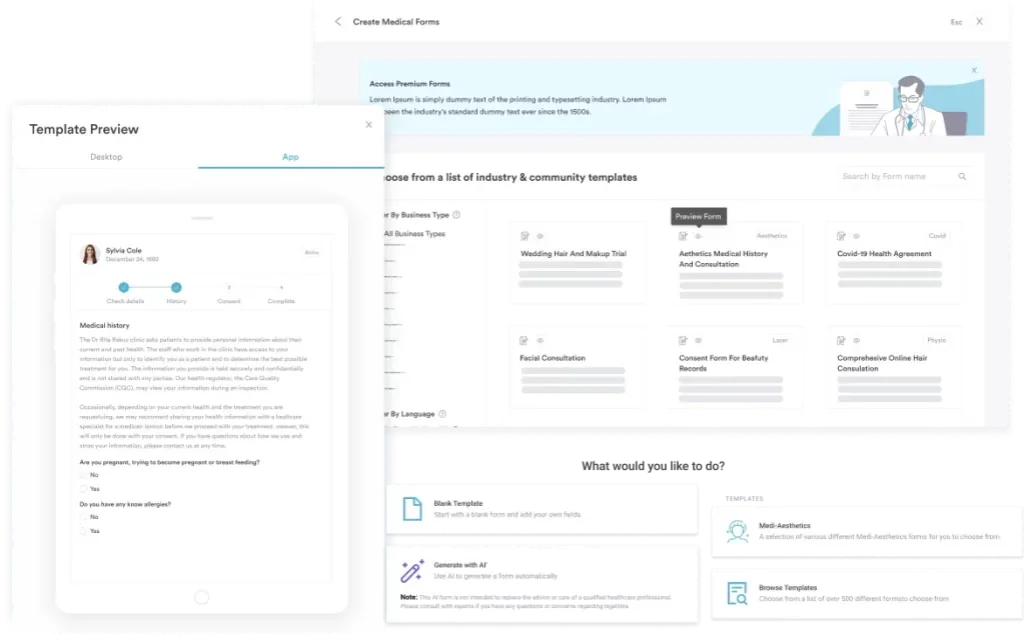
Practices that use digital clinical forms for operative documentation can build structured neurosurgical templates. The template prompts the surgeon for each of these fields, which lowers the risk of an incomplete record reaching the insurer on a records request.
Scan or photograph the implant sticker from every replaced shunt component and attach it to the electronic patient record immediately after surgery. When an insurer requests records for an A1300 review, the implant lot number on file prevents delays. It also shows the hardware change that justifies the claim.
Accurate capture of CCSD code A1300 depends on three steps before the claim leaves the practice. Select the procedure code, link the right ICD-10 diagnosis and add the insurer’s authorization number. Errors made at data entry are a frequent source of avoidable refusals.
A well-structured billing workflow for A1300 follows these steps:
Some neurosurgical practices still key A1300 claims into insurer portals by hand, with the operative note held in a separate system. Pabau, a practice management and billing platform, keeps the patient record, operative note and invoice together. Its claims management software sends private medical insurance claims through Healthcode to insurers such as Bupa, AXA Health and Vitality.
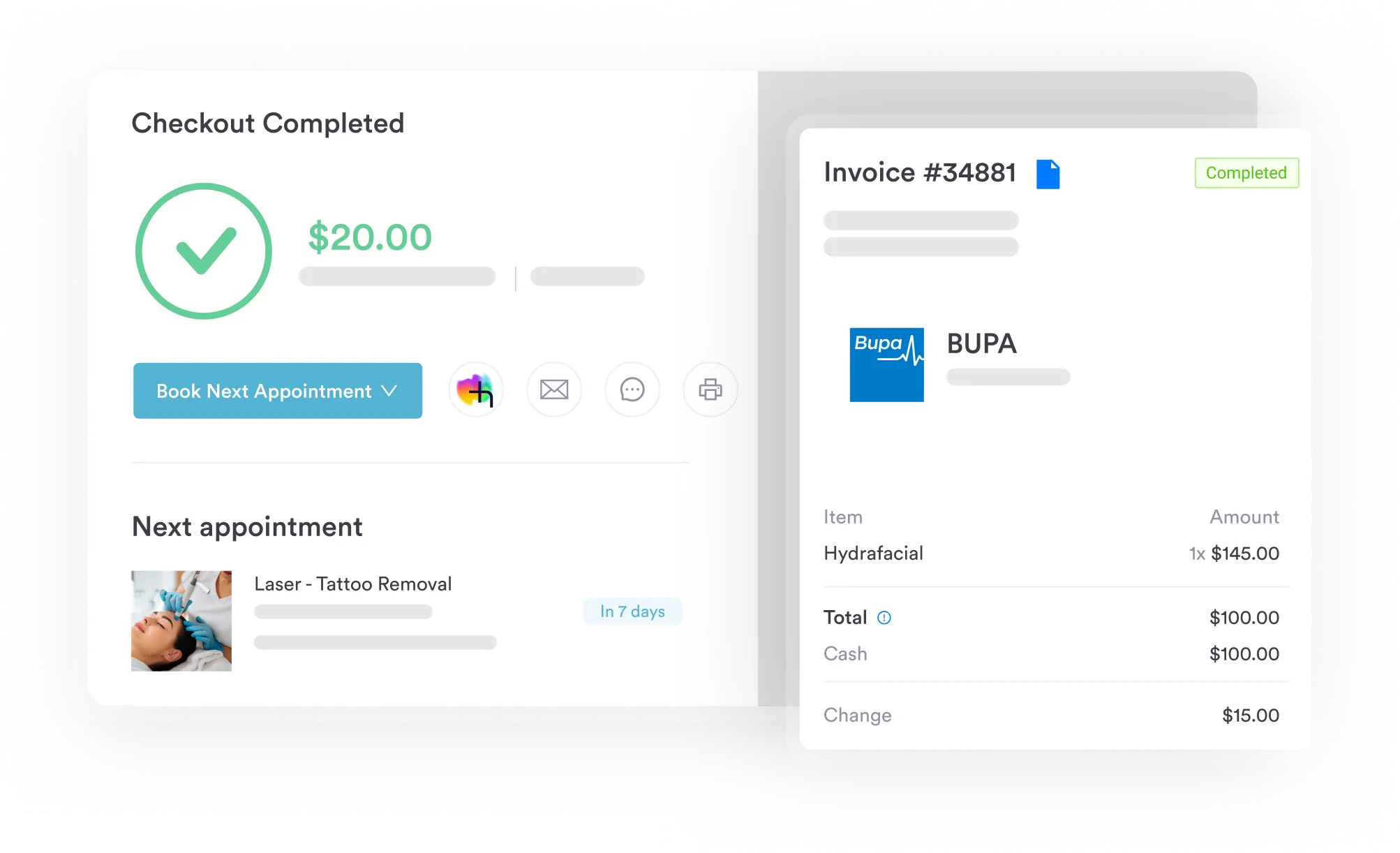

Pabau links CCSD codes to ICD-10 diagnoses, records insurer authorization numbers and sends claims through Healthcode. Your billing team spends less time chasing refusals.

CCSD code A1300 turns on one question: did the shunt stay in place? If the surgeon repaired, replaced or repositioned components and left the system in, A1300 applies. If the whole system came out, A1430 does. For a revision, also check whether the current schedule routes it to A1301. Settle that from the operative note before you code, and UK private insurers have far less reason to query the claim.
Neurosurgical practices with frequent shunt revisions gain most from a workflow that links the operative note directly to the claim. Pabau keeps both in one record and sends the claim through Healthcode to the patient’s insurer. To see how Pabau handles CCSD billing in a specialist practice, book a demo.

Need a broader overview of CCSD codes? Bupa CCSD codes explains how one major UK insurer applies the CCSD schedule to private claims.
Placing a shunt for the first time? CCSD code A1240 covers creation of a ventriculoperitoneal shunt, the procedure A1300 later maintains.
Draining into a blood vessel instead? CCSD code A1220 covers creation of a ventriculovascular anastomosis.
Removing a shunt rather than revising it? CCSD code A1430 covers complete removal of a cerebroventricular shunt and how it differs from A1300.
CCSD code A1300 covers maintenance of a cerebroventricular shunt, including revision, in the CCSD schedule UK private medical insurers use. It applies to intraoperative work on an already-implanted shunt system, from valve assessment through full component replacement. It does not cover first-time insertion, complete removal (A1430) or external valve reprogramming without opening the wound.
Maintenance refers to intraoperative assessment and testing of an existing shunt where no component is replaced. Revision refers to procedures where one or more components (proximal catheter, valve, or distal catheter) are replaced, repositioned, or lengthened. The descriptor insurers publish for A1300 includes revision, so both usually sit under one code. Check the current CCSD schedule for a separate revision code (A1301) before you code a revision.
T85.0, the ICD-10 code for mechanical complication of ventricular intracranial shunt, is the preferred primary diagnosis code for most revision claims. Using G91.x (acquired hydrocephalus) as the sole ICD-10 code on a revision claim is a common cause of rejection. It describes the underlying condition, not the acute complication requiring surgery. Add G91.x as a secondary code where clinically relevant.
In most cases, yes. UK private medical insurers generally expect pre-authorization before elective shunt revision in a private hospital, and the authorization number goes on the claim. For urgent cases, notify the insurer within its required timeframe. Terms vary, so check the patient’s insurer before treatment.
The most common reasons are a missing or mismatched authorization number and G91.x used instead of T85.0 as the primary diagnosis. Others include unbundling items that A1300 already covers, billing it alongside A1440 (an unacceptable combination) and vague operative notes. Each can be fixed at the point of documentation and coding.
Each distinct operative episode in a staged revision needs its own claim, operative note and insurer authorization. A single A1300 claim covering both a shunt externalization and a later reinsertion is likely to be queried or refused. Confirm the insurer’s rules for staged neurosurgical procedures before the second operation.
UK private medical insurers such as Bupa and AXA Health use CCSD codes. Practices usually submit these claims electronically through Healthcode. Each insurer sets its own fee schedule and pre-authorization rules for A1300.