

HCPCS code E0198: Water pressure pad billing guide
HCPCS code E0198 is a water pad for a standard mattress HCPCS code E0198 is the ...

Last Updated: Oct 13, 2026
A1430 is the CCSD code for removal of cerebroventricular shunt. It applies when a previously implanted shunt system is explanted in its entirety, whatever the distal destination of the catheter.
Complete explantation is what separates A1430 from the maintenance code A1300, which carries revision of a shunt that stays in place. Claims fail most often when the operative note records a revision and the practice bills A1430 anyway.
Let Pabau's smart automation suggest the right codes, reduce claim denials, and keep your practice compliant—effortlessly.
Automate repetitive tasks and focus on what matters most—your patients.
Reduce coding errors and ensure compliance with the latest regulations.
Clean claims, fewer denials, and faster reimbursements.
Powerful insights and reporting to help your practice thrive.
HIPAA compliant SOC 2 certified GDPR-compliant Trusted by 4,000+ clinics worldwide

CCSD Code A1430 covers complete explantation of a cerebroventricular shunt, while revision is billed under A1300.
All major UK private medical insurers, including Bupa, AXA Health, and Vitality, recognise A1430 under the CCSD schedule.
Claims require a pre-authorisation reference, a confirming operative note, and an ICD-10 diagnosis code before submission.
Pabau records CCSD procedure codes against the patient episode and carries them through to the invoice.
CCSD Code A1430 is the procedure code for removal of a cerebroventricular shunt within the UK private healthcare billing system. It belongs to the A-series of the CCSD Technical Guide, which covers neurosurgical procedures. Surgeons use the code when they remove a previously implanted shunt system in its entirety from the patient.
The code covers any complete cerebroventricular shunt removal, no matter where the shunt’s distal end sits. Ventriculoperitoneal (VP) shunts, ventriculoatrial (VA) shunts, and lumboperitoneal shunts all fall within scope when the procedure is a removal rather than a revision. That one distinction decides which of three CCSD codes the claim should carry.
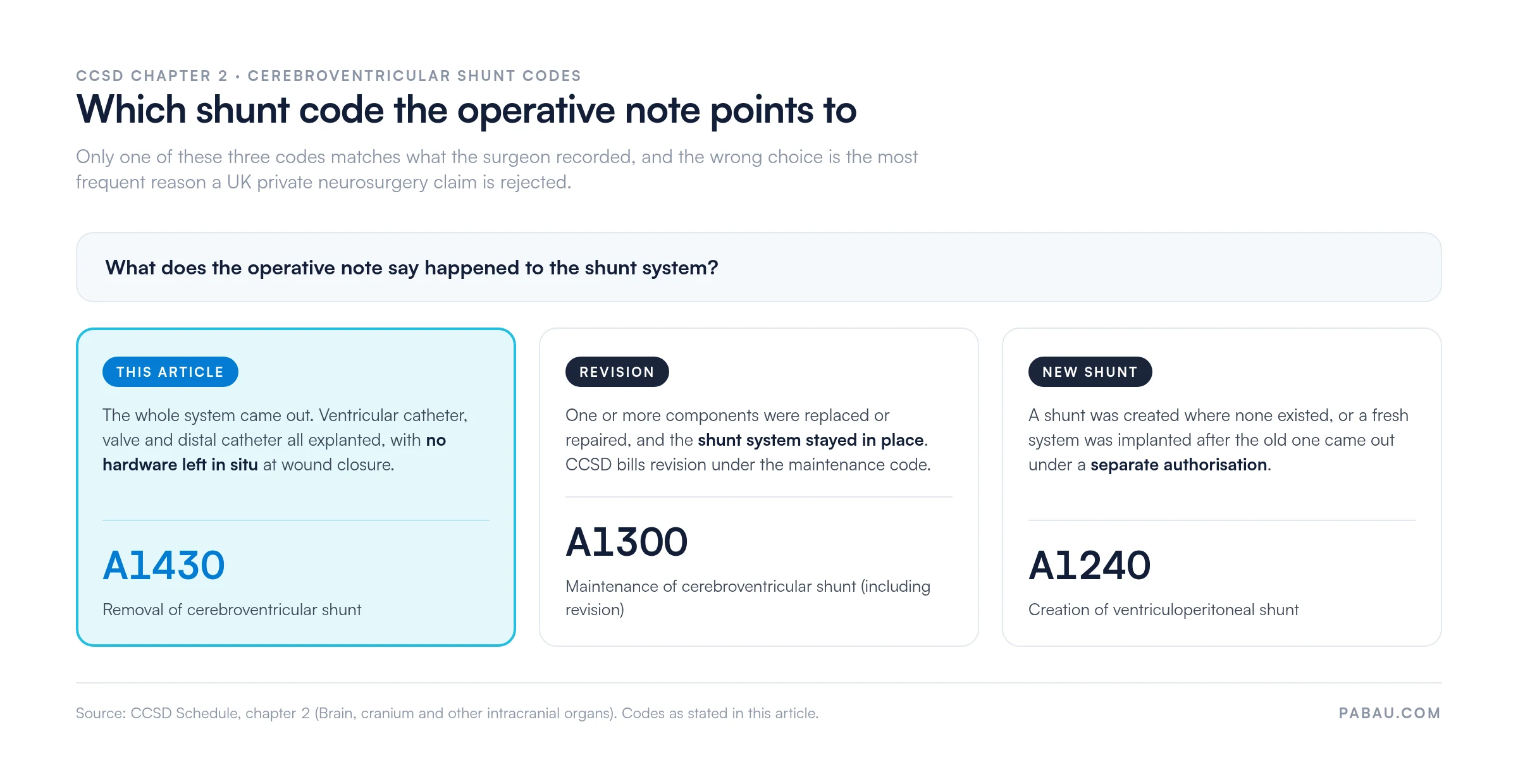
Removal of a cerebroventricular shunt is a neurosurgical procedure in which the surgeon explants the entire shunt system from the patient. That includes the ventricular catheter, the valve mechanism, and the distal catheter. Surgeons first place shunts to divert cerebrospinal fluid (CSF) away from the brain’s ventricular system, most commonly in patients with hydrocephalus.
Removal becomes necessary when the shunt has served its purpose, developed a complication, or requires replacement via a separate procedure. The surgeon performs the surgery under general anaesthesia. The neurosurgeon reopens the original scalp incision, disconnects and removes the ventricular catheter from the brain, then traces and removes the valve and distal tubing. When hydrocephalus has resolved, the surgeon implants no replacement device and closes the wound directly.
CCSD Code A1430 applies to the removal of any cerebroventricular shunt type. The table below lists the most common variants and their typical removal indications.
The decision to remove rather than revise a shunt is the neurosurgeon’s clinical judgement. The indications below are illustrative, not prescriptive.
Billing A1430 correctly requires completing each step in the correct sequence. Skipping pre-authorisation or submitting without a confirming operative note are the most common reasons insurers return claims unpaid.
Incomplete documentation is the second most common reason insurers query or reject A1430 claims, after miscoding. Each item below should be in the patient record before you submit the claim.
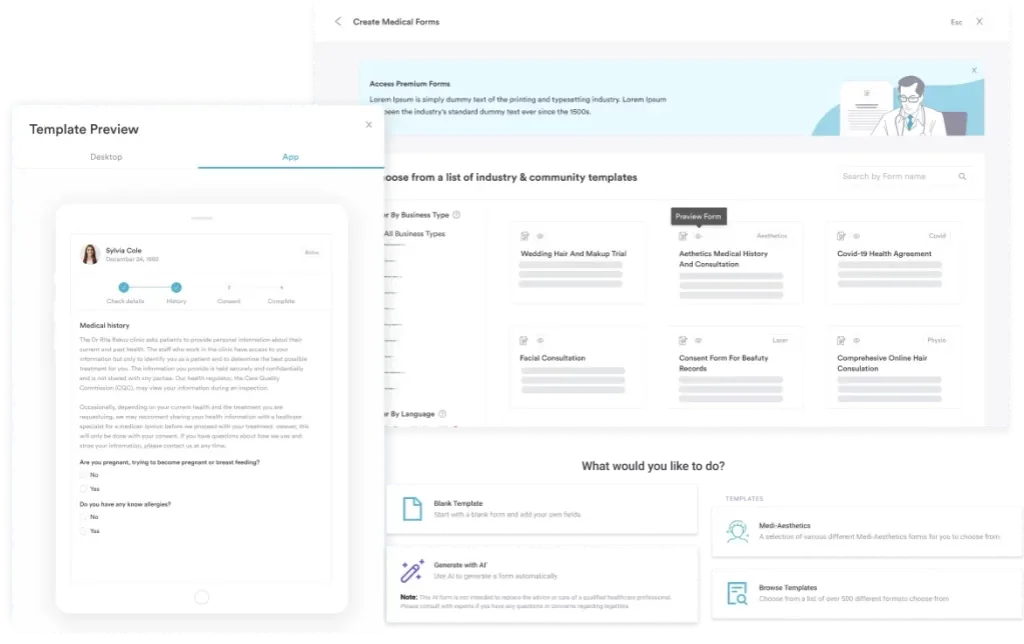
Digital clinical forms held against the patient record reduce the risk of incomplete documentation at the point of claim submission. The consent form, the operative note, and the discharge summary then sit in one place rather than three.
Before submitting an A1430 claim, run a documentation check against three items. The operative note must state ‘removal’ and confirm that no component remained in situ. The pre-authorisation reference number must appear on the claim. The ICD-10 code must match the indication recorded in the operative note. Catching a missing item before submission avoids the 20-30 day delay of a returned claim cycle.
Every A1430 claim submitted to a UK private medical insurer must include an ICD-10 diagnosis code that shows medical necessity. Coders commonly pair the codes below with A1430. Confirm the specific rule with the insurer before submission, as payers may have preferred codes for their claims systems. Our ICD-10 code reference covers the diagnosis side of the claim in more depth.
The ICD-10 codes above come from the NHS Classifications Browser. It carries the UK ICD-10 fifth edition used by NHS Digital and by private billing systems operating in England. Always confirm current code validity against the live classifications browser before submitting, as annual updates may affect validity.
Understanding adjacent CCSD codes is essential for accurate billing. The critical distinction is between A1430, which covers removal, and A1300, the maintenance code that carries revision. Billing one when the surgeon performed the other will result in a rejected or clawed-back claim. Our guide to Bupa CCSD codes covers the broader A-series neurosurgery chapter in more detail.
CCSD has no separate code for reprogramming a programmable valve. Treat an outpatient valve adjustment as part of follow-up care unless the insurer states otherwise. When a surgeon removes and immediately replaces a shunt in a single operative episode, check the insurer’s bundling rules. Bupa, AXA Health, and most other PMIs treat removal and reinsertion as two separate billable events. Confirm that on the pre-authorisation before coding the combined procedure.
Other specialties draw the same line between removal and insertion. In ophthalmology, C5480 covers removal of silicone oil, and it does not apply at insertion.
A1430 claims fail for common reasons. Medical billers working across UK neurosurgical private practices have flagged each error below. A pre-submission coding check catches most of them before the claim leaves the practice.
All major UK private medical insurers operating on the CCSD schedule recognise A1430 for cerebroventricular shunt removal. Neurosurgery is one of the higher-cost procedure categories, so most insurers apply pre-authorisation requirements and may request operative notes before settling the claim. Each one publishes its own submission route and fee reference, and the table below maps them.
The current CCSD schedule publishes indicative fees for A1430 and updates them annually. Individual insurer recognition fee schedules may differ from the CCSD indicative fee. Always refer to the current schedule version and the relevant insurer’s provider portal for confirmed reimbursement amounts.
Set up an A1430 billing checklist in your practice management system. It should confirm that the practice obtained pre-authorisation, that the surgeon signed and filed the operative note, and that the ICD-10 code matches the operative indication. Add the insurer’s submission deadline, which is typically 3-6 months from the procedure date. A consistent workflow for neurosurgical codes reduces the volume of queried claims.
Most neurosurgical practices code from a dictated operative note days after the procedure, in a billing spreadsheet that sits apart from the patient record. The coder re-reads the note, decides between removal and revision, and types the code somewhere the surgeon will never see it. That re-reading step is where the A1430 and A1300 mix-up happens.
Pabau is practice management software used by UK private practices to run appointments, clinical records, billing, and compliance in one workflow. Pabau records CCSD procedure codes against the patient episode itself, next to the operative note that justifies them. The surgeon and the billing team read the same record rather than two versions of it.
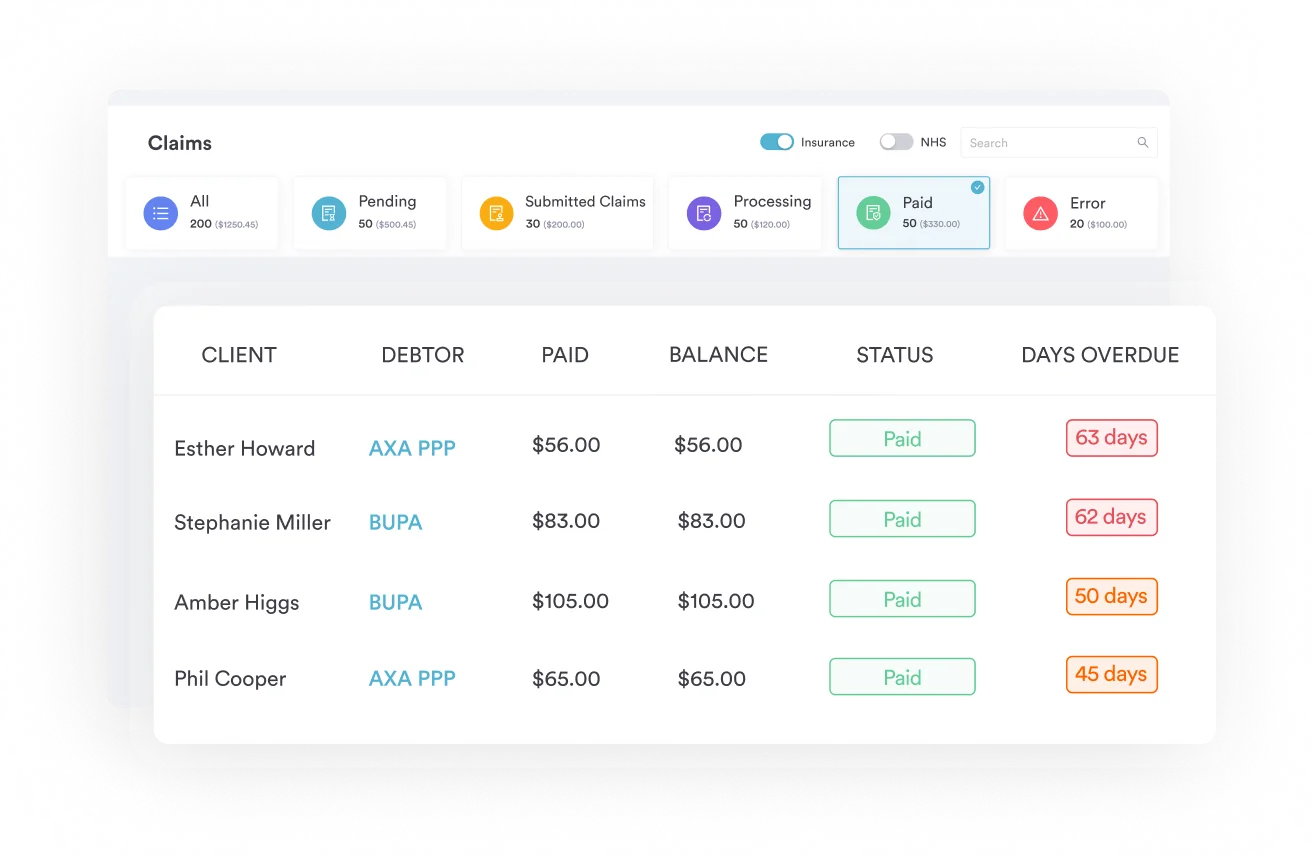
From there, Pabau’s claims software for practices keeps the documentation trail a CCSD-coded claim needs. Operative notes stay in the patient record, and discharge summaries attach to the same episode. The procedure code and the insurer reference carry through to the invoice. Pabau tracks claim status in the same place, so a queried A1430 claim gets chased rather than forgotten.

Pabau lets UK private practices record CCSD procedure codes against patient records and generate structured invoices. Claim status is tracked in the same system used for appointments and clinical notes.

Accurate A1430 billing turns on one reading of the operative note. A system that came out whole is A1430, and a system the surgeon repaired and left in place is A1300. Settle that before you choose the code, not after the insurer queries it.
Three checks then clear most rejections for this procedure. Confirm what the operative note actually records. Pair the code with an ICD-10 diagnosis that supports medical necessity. Submit with a valid pre-authorisation reference attached.
Pabau’s practice management platform helps UK neurosurgical and specialist practices keep CCSD procedure codes, clinical notes, and insurer claims aligned in one system. Book a demo to see how Pabau handles private practice billing workflows end to end.

List Item #1
List Item #2
CCSD Code A1430 is the UK private healthcare procedure code for the removal of a cerebroventricular shunt. It sits within the A-series neurosurgery chapter of the CCSD schedule. All major UK private medical insurers, including Bupa, AXA Health, Vitality, Aviva, and Allianz Care, recognise it.
The most commonly paired ICD-10 codes are G91.0 (communicating hydrocephalus) and G91.1 (obstructive hydrocephalus). Also common are T85.0 (mechanical complication of ventricular intracranial shunt) and T85.7 (infection due to internal prosthetic devices). Coders use Z98.2 as a secondary code to confirm the shunt was present before removal.
Most major UK private medical insurers require pre-authorisation for inpatient neurosurgical procedures, including cerebroventricular shunt removal. The specific requirement varies by insurer and by individual policy. Confirm the authorisation requirement through the insurer’s provider portal before the patient’s admission.
When shunt removal and immediate reinsertion occur in the same operative episode, each procedure may be billable separately. Removal is A1430 and the new shunt is A1240. Both require separate pre-authorisation references, and you must check the insurer’s unbundling rules before combining codes on one claim. Submit through the insurer’s portal with the full operative note confirming both procedures.



