CPT Code 86160: Complement component billing and coding guide
CPT code 86160: Official descriptor and definition CPT code 86160 is defined by ...

Last Updated: Nov 26, 2026
A5300 is the CCSD code for drainage of spinal canal (including insertion of shunt). It covers drainage of cerebrospinal fluid from the spinal canal. A shunt inserted in the same procedure is part of the code, not a separate line.
The code sits in chapter 3 of the CCSD schedule, Spine, spinal cord and peripheral nerves, under Spinal Cord. UK private medical insurers expect it paired with an ICD-10 code that matches the indication, and usually ask for pre-authorization first.
Let Pabau's smart automation suggest the right codes, reduce claim denials, and keep your practice compliant—effortlessly.
Automate repetitive tasks and focus on what matters most—your patients.
Reduce coding errors and ensure compliance with the latest regulations.
Clean claims, fewer denials, and faster reimbursements.
Powerful insights and reporting to help your practice thrive.
HIPAA compliant SOC 2 certified GDPR-compliant Trusted by 4,000+ clinics worldwide

CCSD code A5300 covers drainage of the spinal canal, and its descriptor includes a shunt inserted in the same procedure.
UK private medical insurers such as Bupa, AXA Health, Aviva and Vitality use CCSD codes to authorize and pay for procedures.
Get the insurer’s pre-authorization number before the procedure, and pair A5300 with an ICD-10 code that matches the operative indication.
Pabau, a practice management platform, sends claims to UK insurers through Healthcode and Bupa, with the operative note on the same patient record.
CCSD code A5300 is the procedure code for drainage of spinal canal (including insertion of shunt). It comes from the schedule maintained by the Clinical Coding and Schedule Development (CCSD) Group. UK private medical insurers use that schedule to identify procedures on pre-authorization requests and invoices.
The parenthetical in the descriptor matters for billing. When a surgeon drains the spinal canal and inserts a shunt in the same procedure, A5300 covers both. Billing the shunt insertion as a second line charges for work the code already includes.
The full schedule sits behind a login on the CCSD website, so check the current descriptor there before you quote a patient. Each insurer sets its own fee for the code in its own schedule, such as the Vitality fee finder.
Spinal canal drainage removes or diverts cerebrospinal fluid (CSF) from the spinal canal when its volume or pressure is harming the patient. The technique depends on the indication, and the operative note should name the one used.
Some insurers may expect a different CCSD code for a temporary lumbar drain, so confirm with the insurer before the procedure. Revising an existing shunt with no new drainage is a different procedure, with its own code in the schedule.
A5300 fits procedures that drain or divert CSF from the spinal canal for a documented clinical reason. The operative note must name that reason, because “spinal drainage” alone does not explain why the procedure was needed.
UK private insurers expect an ICD-10 diagnosis code alongside the CCSD procedure code, and the two must tell the same clinical story. If the diagnosis does not explain why the spinal canal was drained, expect the insurer to query or refuse the claim.
Practical note: Code from the operative and clinical record, not from memory. If the surgeon’s note names syringomyelia, G95.0 is the principal diagnosis, not a nearby code that seems close enough.
Knowing the code’s boundaries stops you from billing work twice or leaving separately payable work off the invoice. Insurers apply bundling rules to their own fee schedules, so confirm the details with each one.
Included within A5300:
Billed separately, where the insurer allows:
The CCSD schedule codes neighboring spinal and cranial procedures separately, and choosing between them is a common place for errors. Look up each current code in the schedule or an insurer’s code search, such as the Bupa code search portal. The check below sorts the common candidates by whether they bill as A5300.
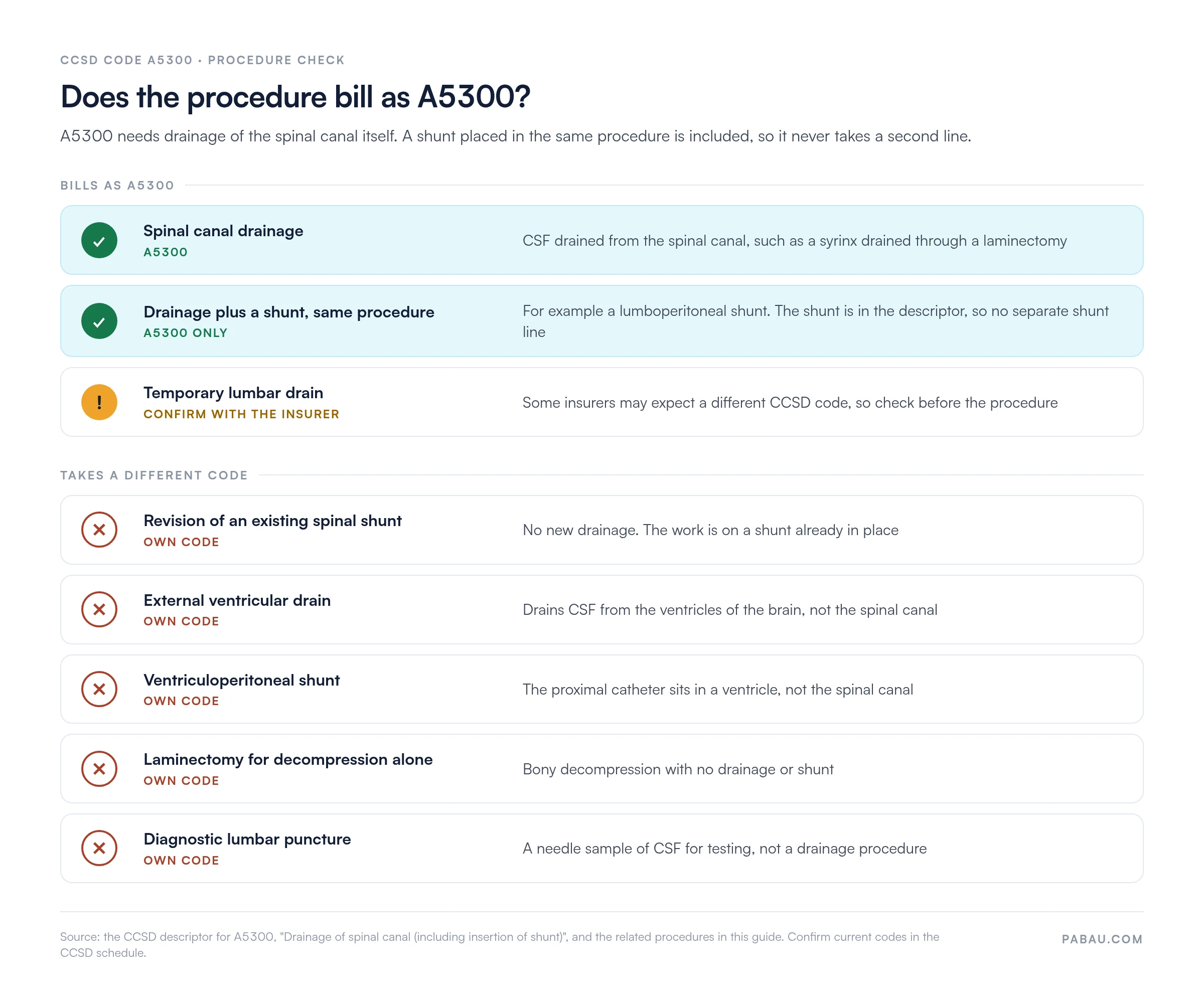
The table sets out how each neighbor differs from A5300. Maintenance or revision of a cerebroventricular shunt, for example, is coded as A1300. Each of the other codes has its own entry in our CCSD code library.
For practices billing Bupa, our Bupa CCSD codes guide explains how the schedule fits Bupa’s claim rules.
Insurer claims teams check that the clinical record supports the code billed. A note that says “spinal drainage” without the technique, level or shunt details does not support the full A5300 descriptor.
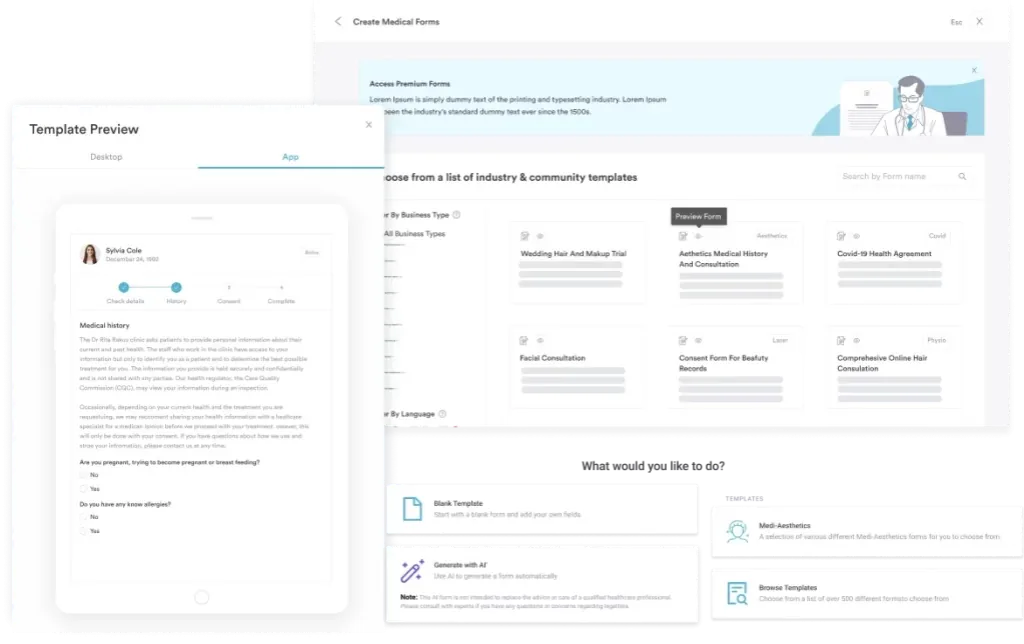
Capturing operative notes on digital forms keeps them on the right patient record, ready to send if an insurer asks. The core documentation set is:
UK private medical insurers generally expect pre-authorization before a planned procedure, so confirm each insurer’s rules before the procedure date. Without an authorization number, the insurer may refuse the claim and leave the patient facing the bill.
A5300 claims fail for a familiar set of reasons, and most can be caught before submission.
Each insurer runs its own query and appeal process, so start with the reason on the rejection notice or remittance.
Healthcode runs the electronic billing network that many UK private insurers use. Confirm each insurer’s submission route before you send an A5300 claim.
Before you submit an A5300 claim, run a three-point check. The authorization number is on the invoice and matches the procedure date. The ICD-10 code matches the indication in the operative note. The note names the drainage technique and says whether a shunt was inserted.
With simpler claims management, the invoice, the authorization number and the patient record sit together, and the claim goes to the insurer electronically.
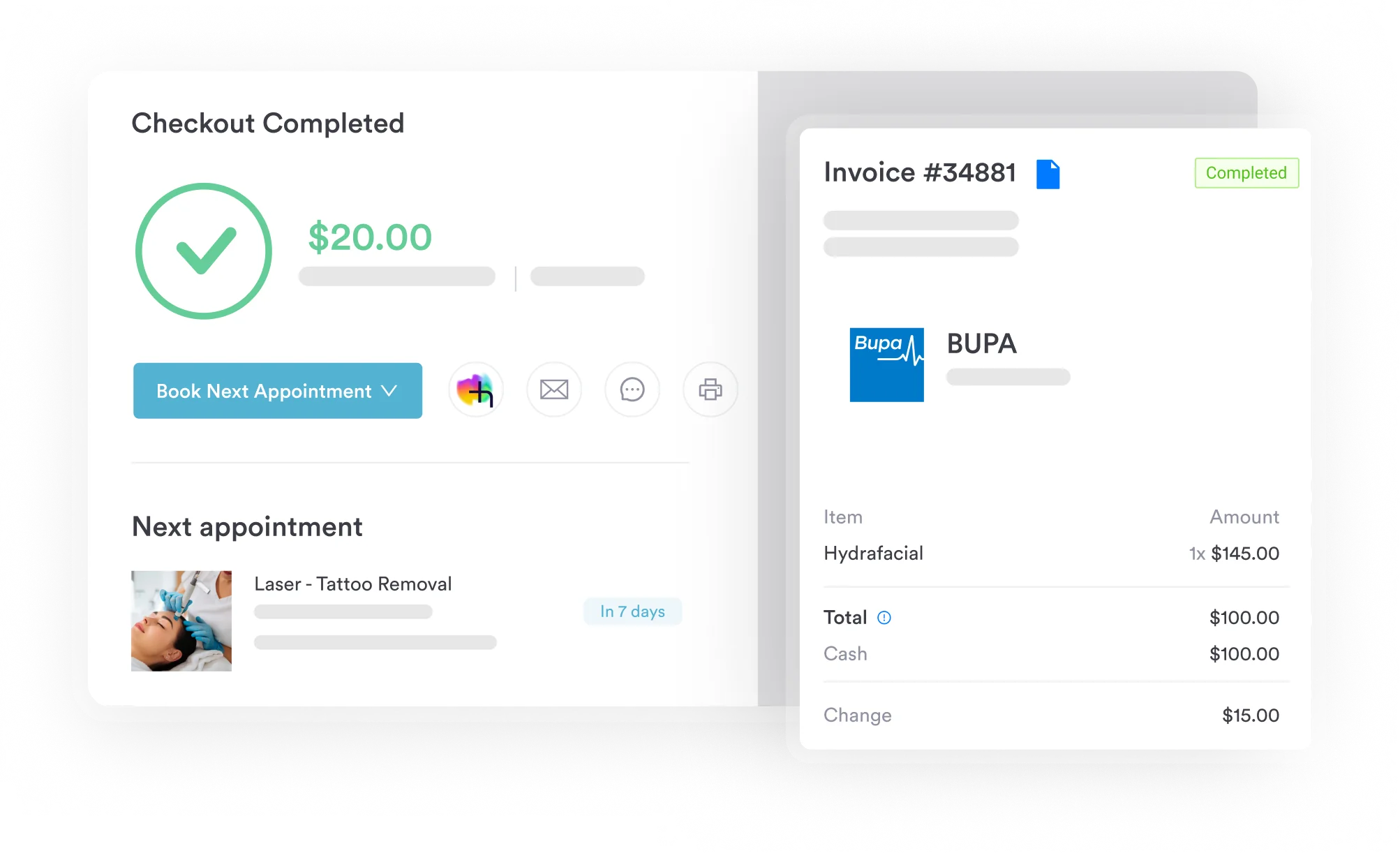
The refusals above trace back to three records that often sit in different places: the operative note, the authorization number and the invoice. When a biller tracks each one by hand, a missing authorization number or a thin operative note surfaces only after the insurer refuses the claim.
Pabau keeps all three on the patient record. Digital forms capture the technique, spinal level and shunt details in the operative note, and the authorization number sits with the patient’s insurance details.
Invoices then go to UK insurers electronically through Healthcode and Bupa. Your team spends less time reworking refused claims and more time preparing the next surgical list.

Pabau keeps operative notes, authorization numbers and invoices on one patient record, and sends claims to UK insurers through Healthcode and Bupa.

An A5300 claim pays when the operative note, the authorization and the invoice describe the same procedure. Before you submit, check that the note names the technique and any shunt, and that the shunt is not billed twice.
Spinal drainage covers several techniques, from a temporary lumbar drain to a lumboperitoneal shunt, so expect insurers to ask which one was performed. A note that answers that question up front saves a round of queries. Book a demo to see how Pabau keeps operative notes, authorizations and Healthcode invoices together for every spinal surgery claim.

Need a broader CCSD billing reference? Bupa CCSD codes guide covers how CCSD codes are used in UK private healthcare billing.
Looking to reduce claim rejections across your practice? Claims management software from Pabau keeps authorizations, documents and invoices together and sends claims through Healthcode.
Billing work on a ventricular shunt? CCSD code A1300 covers cerebroventricular shunt maintenance and revision, the cranial counterpart to spinal drainage.
A5300 is the CCSD code for drainage of spinal canal (including insertion of shunt). A shunt inserted in the same procedure is part of the code, not a separate line on the invoice.
UK private medical insurers, including Bupa, AXA Health, Aviva and Vitality, use CCSD codes to authorize and pay for procedures. The Clinical Coding and Schedule Development Group maintains the schedule.
UK private insurers generally expect pre-authorization before a planned procedure. Get the authorization number before the procedure date, and record it on the invoice and in the patient record.
Common pairings include G95.0 (syringomyelia and syringobulbia), G91.0 (communicating hydrocephalus), G93.2 (benign intracranial hypertension), G96.0 (cerebrospinal fluid leak), I60 (subarachnoid hemorrhage) and G06.1 (intraspinal abscess). The code must match the indication in the operative note.
Common reasons include a missing authorization number and an ICD-10 code that does not match the indication. Insurers also refuse a shunt billed as a separate line, A5300 billed for a revision, and notes that omit the technique or level.
No. A5300 covers the surgeon’s procedure only. The anesthetist bills separately, under their own name and GMC number.