

CCSD code G5100: Bypass of duodenum billing guide
CCSD code G5100 bills a bypass that leaves the duodenum in place CCSD code G5100...

Last Updated: Oct 16, 2026
25120 is the CCSD code for a dorsal root ganglion block, performed with either a local anaesthetic or a neurolytic agent. One code covers both variants, so the operative note has to name the agent used.
UK private medical insurers treat the two differently. A neurolytic block usually needs prior authorisation, plus evidence that conservative care and a local anaesthetic block came first. Radiofrequency treatment of the same ganglion is coded 25130.
Let Pabau's smart automation suggest the right codes, reduce claim denials, and keep your practice compliant—effortlessly.
Automate repetitive tasks and focus on what matters most—your patients.
Reduce coding errors and ensure compliance with the latest regulations.
Clean claims, fewer denials, and faster reimbursements.
Powerful insights and reporting to help your practice thrive.
HIPAA compliant SOC 2 certified GDPR-compliant Trusted by 4,000+ clinics worldwide

CCSD code 25120 covers a dorsal root ganglion block given with either a local anaesthetic or a neurolytic agent.
The operative note has to name the agent, because a claim that leaves it out reads as a local anaesthetic block.
Radiofrequency treatment of the same ganglion belongs to 25130, and intrathecal neurolysis belongs to 25140.
Neurolytic blocks usually need prior authorisation, plus evidence that conservative care and a local anaesthetic block came first.
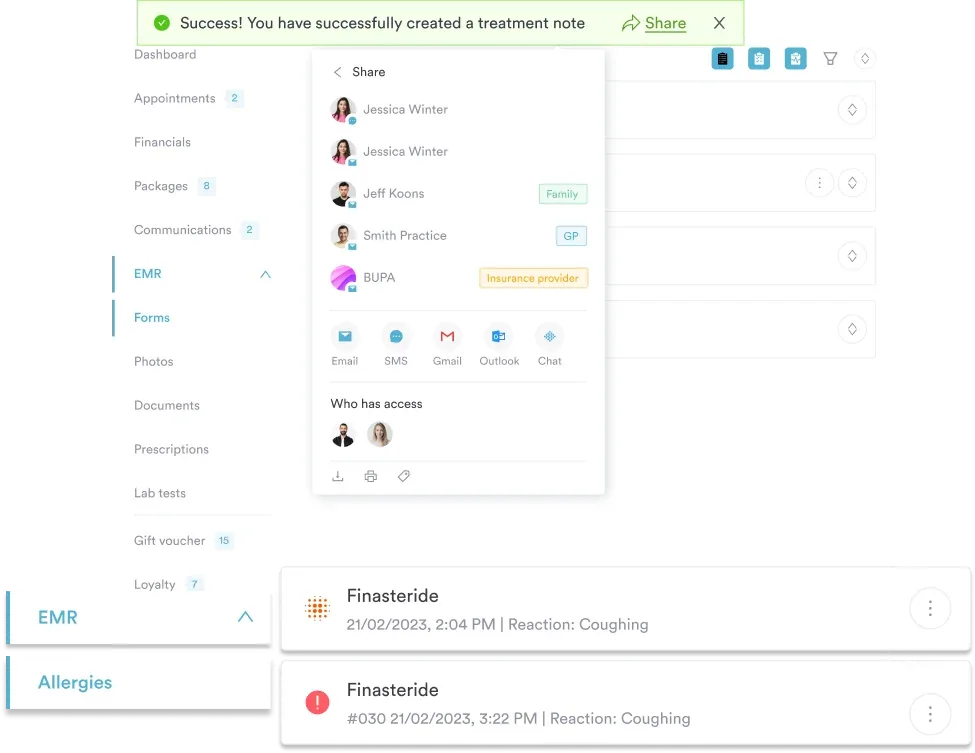
Practice management software like Pabau keeps the note, the authorisation and the claim on one patient record.
CCSD code 25120 is the UK private billing code for a dorsal root ganglion block. Its official descriptor reads: Dorsal root ganglion block (local anaesthetic or neurolytic). The code sits in the interventional pain and nerve block part of the CCSD schedule, the coding framework UK private medical insurers bill against.
One number covers two pharmacologically different procedures. A local anaesthetic block interrupts the pain signal for a while. A neurolytic block uses phenol or alcohol to destroy the tissue that carries it. Payers treat the two differently for authorisation and medical necessity, so the note has to say which one happened.
Radiofrequency treatment of the dorsal root ganglion falls outside this descriptor. That technique is coded 25130, even though the anatomical target is identical. Check the technique before you reach for 25120.
The dorsal root ganglion, or DRG, is a cluster of sensory nerve cell bodies inside the intervertebral foramen. It sits just before the spinal nerve root leaves the vertebral column.
Blocking it interrupts pain signals travelling from the tissues to the spinal cord, which makes it a precise target for several chronic pain conditions.
Clinical indications you will see behind a 25120 claim include:
A pain management specialist or consultant anaesthetist usually performs it. The patient lies prone or on their side. The target ganglion is found under image guidance, and the needle is advanced to it in real time. The agent then goes in.
From that report, the coder pulls four facts:
Miss any one of them and the claim is already weaker than it needs to be.
Both variants share one code, but almost nothing else about them matches. The table below sets the two side by side, because the administrative consequences follow from the pharmacology.
Since the code cannot tell the two apart, the operative note carries the whole burden. A claim that never names the agent is read as a local anaesthetic block by default. If the procedure was neurolytic and the payer wanted authorisation for that variant, the denial is already written.
Needle placement at the dorsal root ganglion needs real-time imaging. The British Pain Society and the Royal College of Anaesthetists both treat image-guided technique as the standard of care for DRG interventions. Fluoroscopy and CT are the usual choices at spinal levels, and ultrasound appears at superficial cervical levels.
Whether that imaging earns a companion code or sits inside 25120 is a payer decision, not a CCSD one. Check the current fee schedule for the insurer you are billing before you add a guidance line. Billing guidance separately where the payer bundles it is one of the easiest denials to trigger, and one of the easiest to avoid.
Picking the right code means knowing what the numbers either side of it describe. Auditors find miscoding here more often than anywhere else in the pain schedule, so it is worth reading the whole neighbourhood once.
The rest of the family is listed in the CCSD codes library.
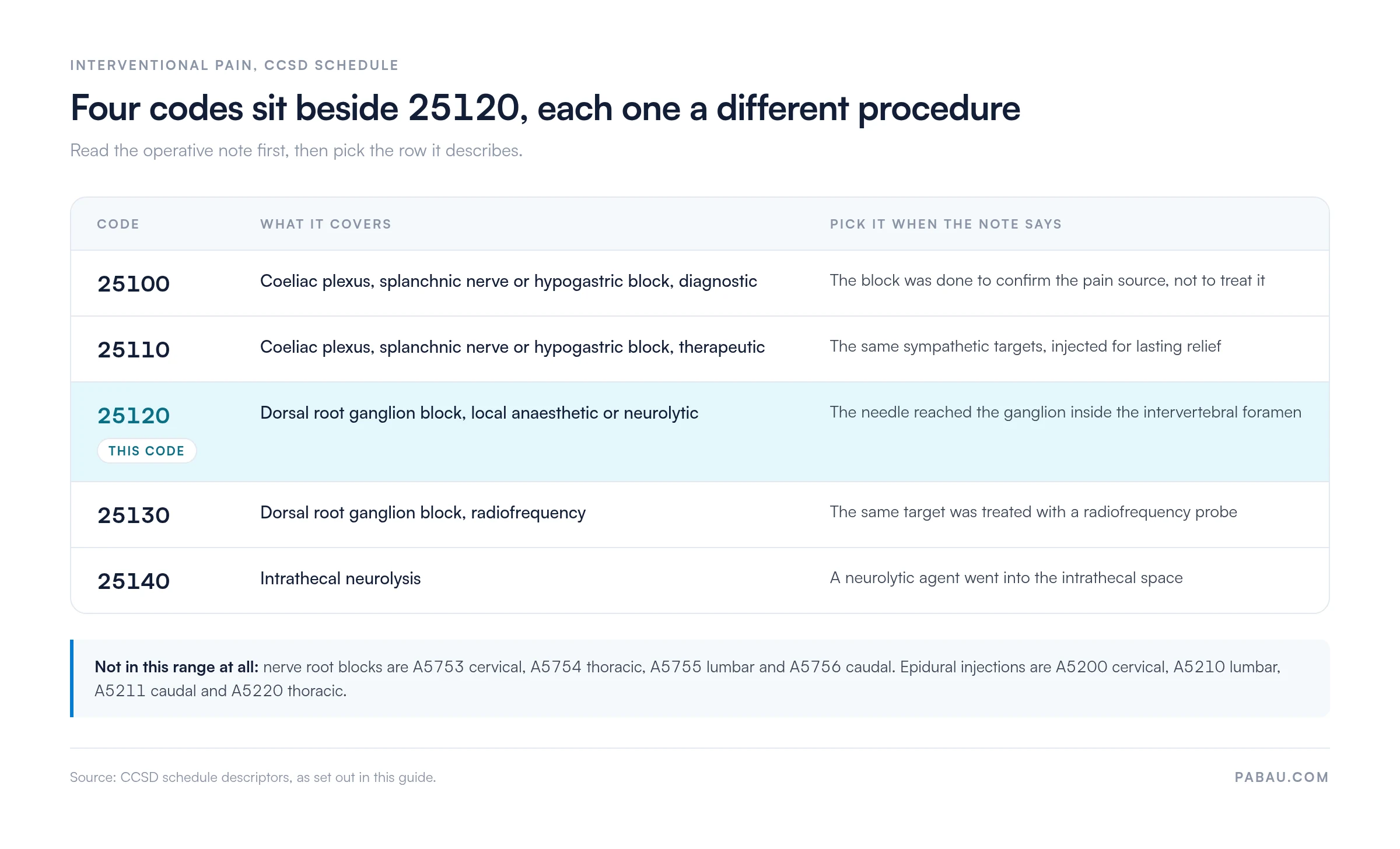
Two mistakes account for most of the trouble. The first is coding 25130 when the consultant injected an agent rather than making a radiofrequency lesion. The second is assuming a nerve root block or an epidural lives somewhere in this range.
Neither does. Nerve root blocks run A5753 cervical, A5754 thoracic, A5755 lumbar and A5756 caudal, while epidural injections run A5200, A5210, A5211 and A5220. A sacral root block sits outside that A5753 to A5756 range and is coded 25012.
A stellate ganglion block is another ganglion injection, and it is coded 25022 rather than 25120. The CCSD schedule lists it under sympathetic nerves. A diagnostic coeliac plexus block also targets sympathetic nerves, and CCSD code 25100 covers it.
Anatomy decides the code, so query an ambiguous report before submission instead of defaulting to the lower-value option. For descriptor comparisons across a single payer’s version of the schedule, the Bupa CCSD code reference is the quicker check.
A complete operative note is the strongest protection a 25120 claim has. UK private medical insurers run coding audits and ask for the original clinical record. A vague procedure report will not survive that review, however correct the code on the invoice looks.
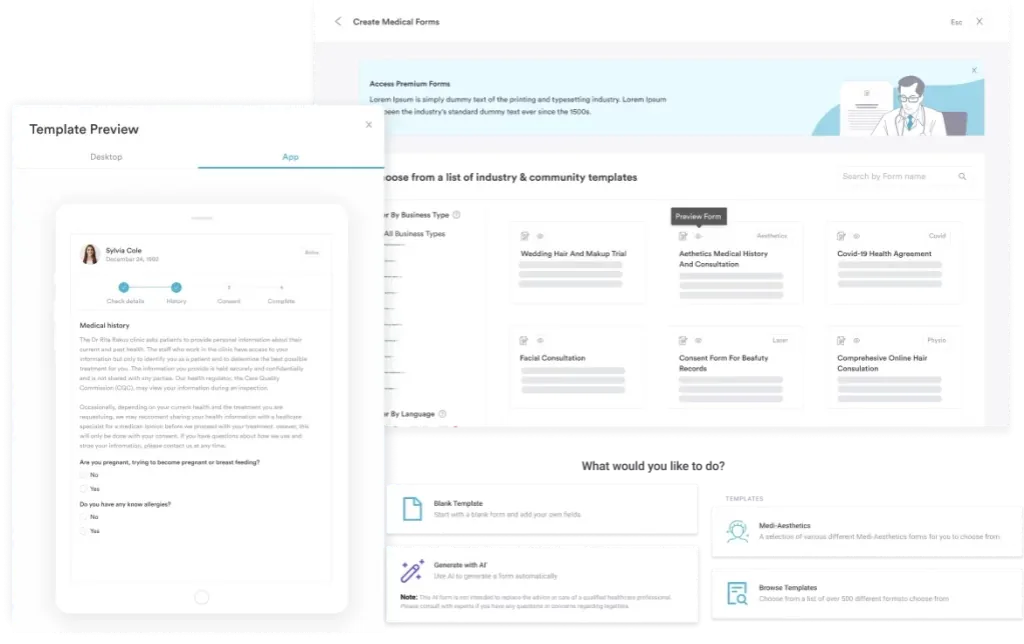
The note needs all of the following:
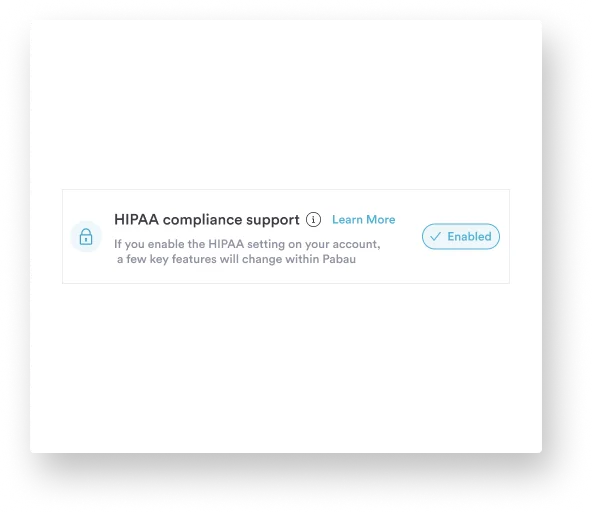
Those records then have to stay retrievable. UK GDPR and CQC obligations both expect secure retention and quick access to the file. A payer audit is exactly that kind of request.
Build one procedure note template for 25120 that pre-fills the fixed fields: spinal level, agent, guidance modality and indication. The consultant then completes only what changes between patients. Standard templates cut omissions, and they shorten the review before submission.
Authorisation rules for this code differ by insurer and change with each policy year. The table below reflects general practice drawn from provider documentation. Treat it as a prompt to check, not as a substitute for the current provider manual.
For neurolytic procedures, most UK payers want the same three things. Conservative management has been tried and has failed. The local anaesthetic block was attempted and gave no lasting benefit.
The clinical indication is documented in full. Send a neurolytic claim without that trail and it comes back as a medical necessity denial.
Denials here are repetitive, which is good news. A short pre-submission check catches most of them before the invoice leaves the building.
An internal audit of 25120 claims every six months, read against the operative notes, catches a systematic error long before a payer does. Ten claims is usually enough to see a pattern.
No single CCSD rule settles whether 25120 can be billed more than once on the same date. Payer policy decides it, and the policies differ. Verify with the insurer before you bill additional units.
Four principles hold across most UK payers:
An example makes the shape of it clearer. A consultant blocks L4 on the left and L5 on the left in one sitting. The note records two entries, each with its own level, agent and volume.
The claim then carries two units, and the second may be reduced under the payer’s multiple-procedure policy. One merged entry describing “lumbar levels” would support neither unit.
Run this list against the note and the invoice together, one claim at a time. It takes about a minute and it removes the causes listed above.
Six no answers is a claim worth holding for an hour. Six yes answers is a claim worth sending.
Pain practices billing the CCSD schedule need two things from their software. One is a code library that matches the schedule they bill against. The other is a procedure note that captures every field a payer will interrogate.
Pabau, practice management software built for private healthcare, covers both in one place. Its claims management software carries the code list, so the consultant and the biller work from the same source.
Four capabilities matter most for this code:
Practices moving off manual coding usually see resubmissions fall inside the first billing cycle, because the note and the claim stop drifting apart. The billing team stops chasing the consultant for a level or an agent, so you can close the month on time.
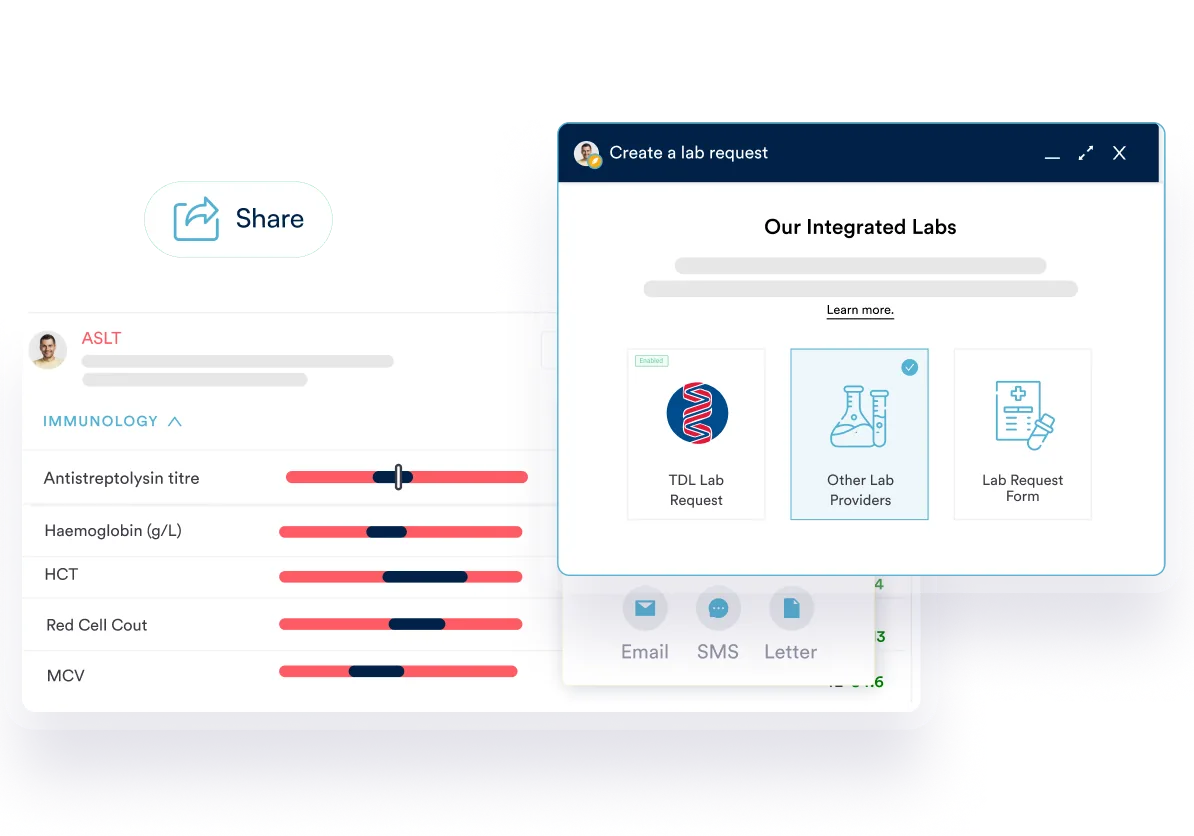

Pabau’s CCSD code library, structured procedure notes and Healthcode submission help UK pain practices send clean claims for interventional procedures, 25120 included.

25120 looks like a simple code until you notice it is carrying two procedures. The agent decides which one the payer thinks it has funded, and the operative note is the only place that decision is recorded. Get the note right and the code follows it without argument.
So the work sits earlier than most billing teams expect. It happens at the point of care, in the fields the consultant fills in, not in the invoice run at the end of the month. Book a demo to see how Pabau captures those fields while the patient is still in the room.

Need a reference for the other CCSD codes your pain practice bills? Bupa CCSD code reference walks through the schedule as one major UK insurer applies it.
Wondering how the schedule turns into a payable fee? Bupa procedure codes fee schedule explains how procedure codes and fee schedules line up in UK private billing.
Billing other nerve blocks in the same list? CCSD code A7350 covers local anaesthetic blockade of a major nerve trunk, including occipital and intercostal blocks.
Comparing the systems your billing team works in? Best medical billing software in the UK reviews the platforms UK private practices use to submit and track claims.
Yes. UK private medical insurers pay only specialists they recognise, and recognition is granted insurer by insurer. Check that status before the procedure date. A correct code will not rescue a claim from an unrecognised provider.
Plenty of UK policies limit or exclude chronic pain management. A block can be clinically appropriate and still fall outside cover. Confirm the benefit limit at the authorisation stage, then tell the patient what they will owe before treatment.
Only where the insurer’s terms and the consultant’s fee arrangement allow it. Fee-assured consultants agree to accept the insurer’s published rate. Where a shortfall is permitted, put the figure in writing before the appointment.
Submission windows are set by each insurer rather than by CCSD, and they are usually counted in months from the treatment date. Invoice promptly anyway. A late claim is the easiest denial on this list to avoid.
Ask for the reason in writing, then reply with the operative note and the descriptor you coded from. Most downgrades trace back to ambiguous wording in the note, so the record itself usually settles the question.



