ICD-10 code S61.201A: Open wound of left index finger without nail damage
ICD-10 code S61.201A covers a left index finger wound of unstated type ICD-10 co...

Last Updated: Oct 16, 2026
Billable Code Specific Code
Y72.8 is the billable ICD-10-CM code for miscellaneous otorhinolaryngological devices associated with adverse incidents, not elsewhere classified.
Let Pabau's smart automation suggest the right codes, reduce claim denials, and keep your practice compliant—effortlessly.
Automate repetitive tasks and focus on what matters most—your patients.
Reduce coding errors and ensure compliance with the latest regulations.
Clean claims, fewer denials, and faster reimbursements.
Powerful insights and reporting to help your practice thrive.
HIPAA compliant SOC 2 certified GDPR-compliant Trusted by 4,000+ clinics worldwide

ICD-10 Code Y72.8 describes miscellaneous otorhinolaryngological devices associated with adverse incidents, not elsewhere classified in the Y72 category
Y72.8 is a billable, specific ICD-10-CM external cause code valid for FY2025 and FY2026 reimbursement submissions
As an external cause code, Y72.8 must always be sequenced after the primary diagnosis code; payer requirements for secondary external cause codes vary
Practice management software like Pabau, alongside patient record documentation tools, helps ENT and multi-specialty practices code device-related adverse incidents accurately
ICD-10 Code Y72.8 describes miscellaneous otorhinolaryngological devices associated with adverse incidents, not elsewhere classified. It captures ENT-related device incidents that do not fit any of the more specific Y72.0 through Y72.3 subcategories, making it a residual “not elsewhere classified” (NEC) code within the Y72 parent category.
The code is billable and valid for reimbursement under ICD-10-CM. According to the CMS ICD-10 codes page, Y72.8 appears in the current FY2026 tabular list as a specific, valid code that can be submitted on claims for reimbursement purposes. Coders should confirm the code against the CDC/NCHS ICD-10-CM tool at the start of each fiscal year to catch any status changes.
Understanding where Y72.8 sits structurally helps coders apply it correctly and identify when a more specific code should be used instead. The code lives four levels deep in the ICD-10-CM classification tree.
The Y70-Y82 block covers medical devices across multiple clinical specialties. Y72 is dedicated exclusively to ear, nose, and throat devices. Y72.8 is the final subcategory within Y72 and functions as the residual bucket for devices not captured by the more specific Y72.0-Y72.3 codes. Coders working across chapters will find the same specificity principle in injury codes such as S86.819A.
Before assigning Y72.8, coders must review the full subcategory list. The official ICD-10-CM coding guidelines require the most specific code available. Y72.8 applies only when no other Y72 subcategory accurately captures the device involved.
The coding principle here mirrors the broader ICD-10-CM convention: “other specified” codes like Y72.8 exist to preserve data integrity for incidents that do not fit neatly into defined subcategories. They are not catch-all codes to use when documentation is incomplete.
A patient management system keeps external cause documentation consistent, which insurers and lawyers eventually ask for.
The NEC designation means Y72.8’s device list is not exhaustive. The ICD-10-CM alphabetic index is the definitive reference for confirming whether a specific device routes to Y72.8 or to a more precise subcategory. With that caveat, Y72.8 generally captures ENT devices that do not fit the diagnostic, therapeutic, prosthetic, or surgical instrument subcategories.
Device types likely to route to Y72.8 include:
Always verify a specific device assignment against the AAPC Codify ICD-10-CM lookup or the official CDC tabular list before submitting a claim. Device classification in ICD-10-CM depends on function, not just device name. A cochlear implant adverse incident typically routes to Y72.2, while an adverse incident involving a speech valve used in the kind of voice rehabilitation tracked by speech-therapy software may route to Y72.8 depending on the clinical context and the index entry. Adjustment and remark codes on the ERA separate a contractual write-off from a genuine denial. Front-desk data entry and back-office coding both feed cash collection, so errors compound downstream.
The ICD-10-CM alphabetic index provides the official pathway to Y72.8. Coders locate this code by searching under terms related to the incident type and device category. Knowing the approximate synonyms helps when navigating the index or cross-checking in a lookup tool.
When searching coding references, the phrase “not elsewhere classified” or “other specified” alongside the device category is the clearest indicator that Y72.8 is the correct destination. The same NEC logic governs other chapters.
Y72.8 is an external cause code, which means specific sequencing rules govern how and when it appears on a claim. The ICD-10-CM Official Guidelines for Coding and Reporting, co-maintained by CMS and the CDC National Center for Health Statistics (NCHS), set the framework for using all Y-series codes correctly.
Y72.8 is always a secondary code. It follows the primary diagnosis code that describes the nature of the injury or complication caused by the device adverse incident. For example, if a patient presents with a laryngeal injury attributable to a malfunctioning voice device not classifiable to Y72.1-Y72.3, the primary code describes the laryngeal condition; Y72.8 is then added to identify the external cause.
External cause codes in the Y70-Y82 range may be required or recommended depending on the clinical setting and payer. Hospital inpatient records have different external cause code requirements than outpatient claims. Always confirm with the relevant facility coding policy and payer contract.
Accurate coding to Y72.8 depends on documentation that clearly identifies the device involved and the nature of the adverse incident. Insufficient documentation is the most common reason coders default to an unspecified code when a more precise one (or Y72.8 itself) would apply.
The clinical note should capture:
Practices using patient record documentation tools that support structured clinical notes can reduce the risk of vague device descriptions reaching the coding team. For HIPAA-compliant documentation in device-related adverse incident cases, records must include sufficient detail to support the external cause code assigned.
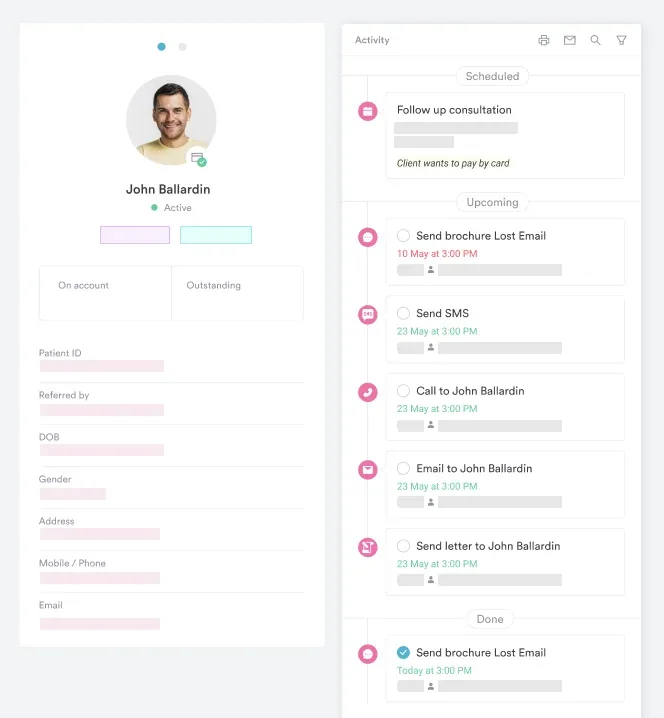
External cause codes in the Y70-Y82 range do not drive reimbursement on their own. Payment is triggered by the primary diagnosis and procedure codes. Y72.8 adds clinical specificity that supports medical necessity documentation, quality reporting, and payer audit defense.
Three billing considerations apply to Y72.8 specifically:
Practices relying on documentation and coding-accuracy workflows built into their practice management system can catch common sequencing errors before submission. For practices managing complex billing across specialties. ICD10Data.com provides a free resource for verifying code positions and hierarchy before claim preparation.
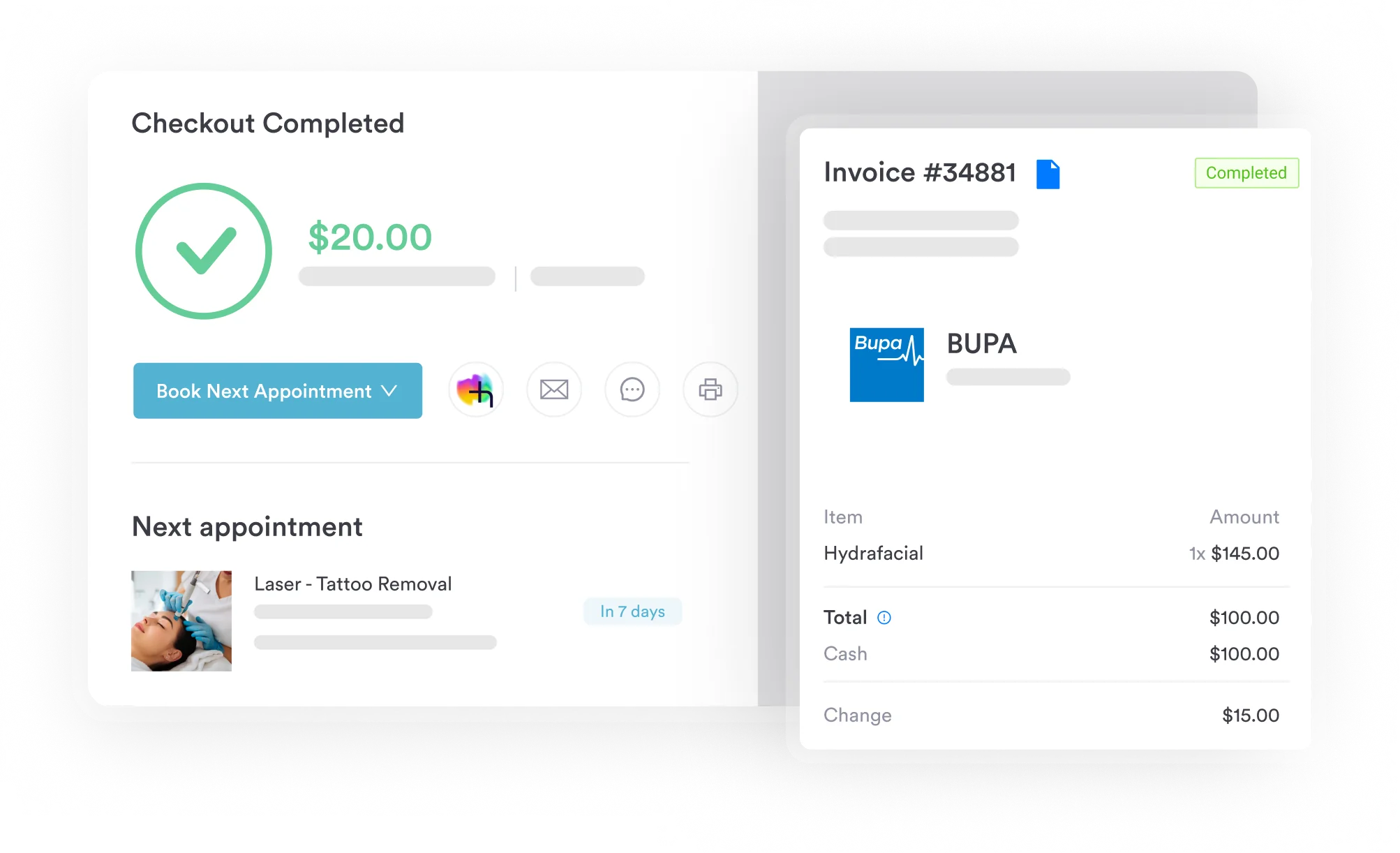

Pabau’s structured documentation and coding-accuracy tools help practices validate external cause codes, sequence diagnoses correctly, and stay audit-ready. Book a demo to see how structured documentation workflows support accurate ICD-10-CM coding.

The ICD-10-CM update cycle runs annually, with new code sets taking effect on October 1 of each fiscal year. CMS and CDC NCHS jointly release the updated tabular list and coding guidelines. Changes to any code can include additions, deletions, description revisions, or status changes.
For FY2026 (effective October 1, 2025), Y72.8 remains an active, valid, billable code with no reported changes to its description, hierarchy, or billable status. The code carried forward from FY2025 without revision. Coders should verify status at the start of each fiscal year using the official CMS and CDC update files, as no third-party reference can guarantee real-time accuracy.
Monitor the CMS ICD-10 codes update page and the CDC/NCHS annual release for any future revisions. Practices with compliance management workflows can build annual ICD-10-CM review tasks into their update cycle to catch code changes before they affect live claims. Also check your HIPAA compliance requirements when updating coding references in your EHR or practice system, since using outdated code sets on HIPAA-covered transactions carries its own risk.
Set a calendar reminder for September 15 each year to review the CMS FY ICD-10-CM update files before October 1. Flag any Y72.x code changes and update your facility coding policies, charge capture forms, and EHR code sets before the new fiscal year begins. A two-week buffer gives the team time to retrain if a code is revised or retired.
Coders working with Y72.8 typically need to cross-reference adjacent codes in the Y72 family and the broader Y70-Y82 medical devices block. The table below covers the most commonly encountered related codes.
For practices coding across multiple specialties. Coders working with ENT-adjacent surgical cases should also bookmark the Y70.x and Y74.x code ranges, which cover anesthesiology and general hospital devices respectively. Using medical spa software or multi-specialty practice platforms with built-in ICD-10-CM code libraries reduces manual lookup time when these adjacent codes come into play.
ENT practices that also manage sleep apnea patients work across two code sets. A full face mask supply bills under HCPCS as A7030, separate from any Y72.8 external cause entry on the claim.
ICD-10 Code Y72.8 captures adverse incidents involving otorhinolaryngological devices that do not fit the more specific Y72.0-Y72.3 subcategories. Getting it right requires confirming device function against the ICD-10-CM alphabetic index, sequencing it after the primary diagnosis code, and ensuring the clinical documentation justifies the NEC designation rather than a more precise code.
For practices managing ENT, multi-specialty, or device-intensive billing, structured documentation and coding-accuracy workflows reduce sequencing errors before submission. Book a demo to see how practice management software like Pabau supports accurate external cause coding and documentation across clinical specialties.

Billing a closed ostomy pouch with a filter? closed ostomy pouch billing guide It covers the three details Medicare checks before paying an HCPCS code A4423 claim.
Need the fee schedule for a drainable ostomy pouch? ostomy pouch billing guide It explains the per-unit billing rule for HCPCS code A4426 and its fee schedule.
Coding a different drainable ostomy pouch variant? drainable ostomy pouch billing guide It covers HCPCS code A4427 and the near-identical codes it sits alongside.
ICD-10 Code Y72.8 is the ICD-10-CM external cause code for “miscellaneous otorhinolaryngological devices associated with adverse incidents, not elsewhere classified.” It is a billable, specific code used to identify adverse incidents involving ENT devices that do not fit the more specific Y72.0 (diagnostic), Y72.1 (therapeutic), Y72.2 (prosthetic implants), or Y72.3 (surgical instruments) subcategories.
Yes. Y72.8 is a billable, specific ICD-10-CM code valid for claim submission in FY2025 and FY2026. It can be used to indicate a diagnosis for reimbursement purposes when sequenced correctly as a secondary external cause code following the primary diagnosis.
Use Y72.8 only after confirming that the device involved in the adverse incident does not map to Y72.0 (diagnostic equipment), Y72.1 (therapeutic/rehabilitative devices such as hearing aids), Y72.2 (prosthetic implants such as cochlear implants), or Y72.3 (surgical instruments). Y72.8 is the NEC residual code for ENT device adverse incidents that fall outside those defined categories.
Y72.8 may apply to adverse incidents involving ENT-specific drainage or irrigation systems, certain nasal splints or post-operative packing materials, and laryngeal or voice-related devices not classifiable as prosthetic implants. Device classification depends on function and the ICD-10-CM alphabetic index entry; always verify before assigning.