

HCPCS code E0198: Water pressure pad billing guide
HCPCS code E0198 is a water pad for a standard mattress HCPCS code E0198 is the ...

Last Updated: Oct 13, 2026
Billable Code Specific Code
T38.802D is the billable ICD-10-CM code for poisoning by unspecified hormones and synthetic substitutes, intentional self-harm, subsequent encounter.
Two elements decide whether the code holds up. One is the intent column in the Table of Drugs and Chemicals, and the other is the encounter type behind the 7th character. A one-page medical coding cheat sheet extends that same lookup across CPT, HCPCS, and E/M code sets.
Let Pabau's smart automation suggest the right codes, reduce claim denials, and keep your practice compliant—effortlessly.
Automate repetitive tasks and focus on what matters most—your patients.
Reduce coding errors and ensure compliance with the latest regulations.
Clean claims, fewer denials, and faster reimbursements.
Powerful insights and reporting to help your practice thrive.
HIPAA compliant SOC 2 certified GDPR-compliant Trusted by 4,000+ clinics worldwide

T38.802D is a billable ICD-10-CM code for poisoning by unspecified hormones and synthetic substitutes, intentional self-harm, subsequent encounter.
The 7th character D means active treatment has already been given, so use A for the first encounter and S for sequela.
Documentation must confirm both the intentional self-harm intent and the subsequent encounter status.
Unspecified means the record does not identify which hormone was involved, not that the note was written poorly.
Practice management software like Pabau submits and tracks claims built from the patient record, while coders still choose the code.
T38.802D is a billable, specific ICD-10-CM code valid for HIPAA-covered transactions. It represents poisoning by unspecified hormones and synthetic substitutes, intentional self-harm, subsequent encounter. The 2026 edition took effect on October 1, 2025, per the CMS ICD-10 guidance.
The code sits in Chapter 19 of the ICD-10-CM Tabular List, which covers injury, poisoning and certain other consequences of external causes (S00-T88). Because it is fully specified, it can go on a claim without a more granular code.
Knowing where T38.802D sits in the Tabular List helps you find sibling codes and follow the classification logic. The breadcrumb runs from chapter level down to the specific code:
The CDC ICD-10-CM tool lets you walk this hierarchy and confirm the valid code for any given year. T38 excludes hormones classified elsewhere, so check the Alphabetic Index first to confirm the substance belongs in T38.
The 7th character is mandatory on every T38 poisoning code. It records the encounter type and changes with each visit, so the character used at the first encounter does not carry over. The same A/D/S pattern runs through other Chapter 19 codes.
The ICD-10-CM Official Guidelines (Section I.C.19) define a subsequent encounter as any visit after active treatment for the condition. That covers outpatient follow-up, medication monitoring. The D character does not mean the patient has recovered, only that the acute treatment phase is over.
Intent and encounter character work together the same way across the rest of T36-T50. An opioid case documented as intentional self-harm and still in active treatment takes T40.422A, the initial-encounter tramadol code.
With a physical therapy platform, complex injury recovery gets tracked against goals rather than remembered between visits.
Unspecified is a coding qualifier, not a documentation shortcut. It means the record does not identify which hormone or synthetic substitute caused the poisoning. That reflects information nobody had at the time of care, rather than a note written carelessly.
When the specific hormone is documented, a more precise T38 code applies. Insulin and oral antidiabetic drugs sit at T38.3-, thyroid hormones at T38.1-, and glucocorticoids at T38.0-. Use T38.802D only when the record cannot identify the substance.
Other estrogens and progestogens sit at T38.5-, outside the unspecified stem. A later visit treating residual effects of an intentional self-harm estrogen poisoning takes T38.5X2S. That code carries the sequela character S, not the subsequent-encounter D.
The AAPC ICD-10-CM code lookup lets you browse the T38 siblings and confirm the most specific code available before you fall back on unspecified.
T38.802D is a poisoning code. Poisoning, adverse effect, and underdosing are easy to mix up. The intent column in the ICD-10-CM Table of Drugs and Chemicals settles the distinction.
Look up the substance in the Table of Drugs and Chemicals, or use the hormones, unspecified row when the drug is unknown. Then pick the intent column: accidental, intentional self-harm, assault, or undetermined.
T38.802D applies only when the record confirms intentional self-harm. An adverse effect of a correctly taken medicine takes its own code.
Two elements must be in the record before T38.802D can be assigned: documented intentional self-harm intent, and evidence that this is a subsequent encounter. Without both, the code is unsupported.
If your practice already runs HIPAA-compliant billing workflows, line the documentation capture policies up with these requirements. Review them with a certified coder or compliance officer before you rely on them.
The ICD-10-CM Official Guidelines for Coding and Reporting govern how T38.802D is assigned. They are approved by the four Cooperating Parties, and Section I.C.19 covers injuries, poisonings, and external causes. These rules and Tabular List instructions apply:
The T38.802 stem shares the T38 category with codes for other hormone poisoning scenarios. Checking the siblings first tells you whether a more specific code applies. Practices running mental health EMR or psychiatry EMR software see these encounters most often, usually as crisis presentations.
Yes. T38.802D is valid for the 2026 ICD-10-CM edition, effective October 1, 2025. The 2026 update cycle changed neither the descriptor nor the billable status.
ICD-10-CM is updated every year by NCHS and CMS, and each edition takes effect on October 1. Check the code each fiscal year, because a code valid one year can be revised, split, or retired in the next.
Coding a subsequent encounter well depends on what the earlier visit left behind. When intent, substance detail, and treatment history sit in free-text notes across different systems, the coder has to reconstruct them before the claim goes out.
Practice management software like Pabau keeps encounter type, intent qualifiers, and substance detail in structured fields on the patient record. Its claims management software pulls that recorded data into a pre-filled claim, then tracks the claim and records the payment. The payer’s electronic remittance advice then itemizes exactly what portion of that claim was paid or adjusted.
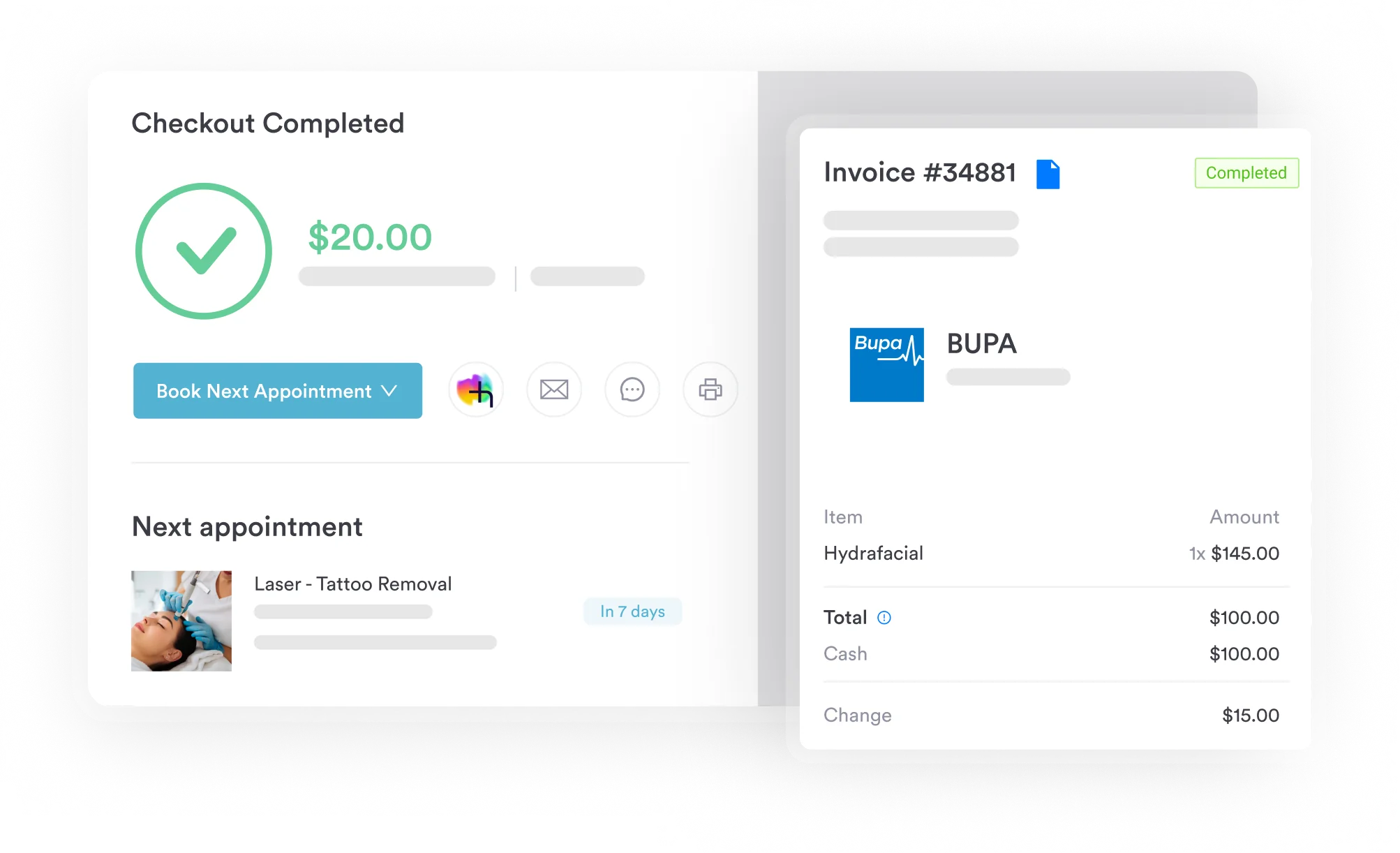
Pabau does not choose the code for you. Coders still read the record and pick the intent column and the 7th character. What the practice management platform removes is the hunt for documentation that should have been captured at the last visit.

Pabau keeps encounter type, intent, and substance detail in structured fields on the patient record, then submits and tracks the claim built from it. Your coders still choose the code.

Both decisions behind T38.802D happen in the chart. If the note names intentional self-harm and shows that active treatment already happened, the code holds. If either element is missing, a less specific code is the honest choice.
So the practical move is to fix the first encounter. When the initial visit captures intent and substance detail properly, the follow-up encounter almost codes itself. Book a demo to see how Pabau keeps that documentation with the claim it supports.

Billing a complex same-day hospital stay? Same-day observation billing guide covers CPT code 99236 for same-day admission and discharge care requiring high-level decision making.
Billing an outpatient consultation? Outpatient consultation billing guide covers CPT code 99242 for a consultation requiring straightforward decision making or at least 20 minutes.
Billing a comprehensive outpatient consultation? Office consultation billing guide covers CPT code 99244 for a consultation requiring comprehensive history and exam with moderate-complexity decision making.
Billing crisis work alongside the diagnosis? CPT code 90839 explains how psychotherapy for crisis is timed and reported.
T38.802D reports poisoning by unspecified hormones and synthetic substitutes with intentional self-harm intent. The encounter is a subsequent one, so active treatment was already given at an earlier visit.
Yes. T38.802D is a billable, specific code valid for HIPAA-covered transactions. It took effect on October 1, 2025 with the 2026 ICD-10-CM edition and needs no more granular code.
T38.802A covers the initial encounter, the first visit where the patient receives active treatment. T38.802D covers subsequent encounters, usually outpatient follow-up after the acute treatment phase ends.
D marks a subsequent encounter, meaning active treatment has already been provided. Use it for routine follow-up and monitoring visits after the initial treatment is complete.
Poisoning applies when a drug is taken incorrectly, in excess, by the wrong person, or with intent to harm. Adverse effect applies when a correctly administered drug causes a negative reaction.
Look up the hormone in the Table of Drugs and Chemicals, or use the hormones, unspecified row when the drug is unknown. Then read across to the intentional self-harm column and add the 7th character for the encounter type.



