

ICD-10 code S61.201A: Open wound of left index finger without nail damage
ICD-10 code S61.201A covers a left index finger wound of unstated type ICD-10 co...

Last Updated: Oct 16, 2026
Billable Code Specific Code
S66.292D is the billable ICD-10-CM code for other specified injury of extensor muscle, fascia and tendon of left thumb at wrist and hand level, subsequent encounter.
Two details in this code are easy to get wrong. It describes an extensor structure on the back of the thumb rather than a flexor structure in the palm. It is also specific to the thumb, so it never stands in for a generic hand injury.
The code has been valid for HIPAA-covered transactions since October 1, 2015. It remains active in the FY 2026 code set.
Let Pabau's smart automation suggest the right codes, reduce claim denials, and keep your practice compliant—effortlessly.
Automate repetitive tasks and focus on what matters most—your patients.
Reduce coding errors and ensure compliance with the latest regulations.
Clean claims, fewer denials, and faster reimbursements.
Powerful insights and reporting to help your practice thrive.
HIPAA compliant SOC 2 certified GDPR-compliant Trusted by 4,000+ clinics worldwide

S66.292D is the billable ICD-10-CM code for other specified injury of the left thumb’s extensor muscle, fascia and tendon, subsequent encounter
The S66.2 subcategory covers extensor structures of the thumb only, so flexor injuries and whole-hand injuries belong elsewhere in S66
The 7th character D means routine care during healing, not simply a second visit to the same provider
S66.291D is the right thumb equivalent, and S66.299D applies when the record does not state which thumb was injured
Practice management software like Pabau keeps laterality and encounter phase on the clinical note, so the claim carries the right code
According to the CDC/NCHS ICD-10-CM web tool, the official full description reads as follows.
Every part of the description carries coding weight. Read it in four pieces.
Three tendons extend the thumb. Extensor pollicis longus straightens the tip, while extensor pollicis brevis and abductor pollicis longus work closer to the base. Extensor pollicis longus turns around Lister’s tubercle at the wrist. That is why a distal radius fracture can damage it weeks after the original break.
The distinction matters at the point of coding. If the tendon gave way without any new trauma, check the nontraumatic rupture codes in M66 before reaching for S66.2. Chapter 19 injury codes assume an injury event.
Injury codes in Chapter 19 of ICD-10-CM need a 7th character to show the phase of care. Three options apply to S66.292.
The most common error is keeping A on every follow-up visit. Per the CMS ICD-10-CM coding guidelines, D applies whenever the patient receives routine care during healing or recovery. A different provider does not reset the encounter to A.
Hand therapy after an extensor repair therefore stays on D for the whole rehab course. The same phase rule sets the 7th character on S63.631D and every other Chapter 19 injury code.
S66.292D fits any visit where the left thumb extensor injury is documented and still healing. These are the presentations that reach the code most often.
The clinical note, not the visit count, decides the 7th character. Hand therapy teams working in occupational therapy software can carry the digit and the side from the referral into every follow-up note.
Read the assessment line before you pick the 7th character. Wording about a healing extensor repair and continued hand therapy points to a subsequent encounter. Wording about a new laceration over the left thumb points to an initial encounter. One clear line protects the claim from a 7th-character denial.
ICD-10-CM places S66.292D at the end of a seven-step path. Each step narrows the structure, then the digit, then the side, and finally the phase of care. Per the AAPC ICD-10-CM code reference, only the full 7-character code is billable. Everything above it is a non-billable header.
Submitting S66.292 without the 7th character will produce a claim rejection. ICD-10-CM requires the full 7-character code for every injury code in the S00-T88 chapter. A fracture code such as S42.302K works the same way, though its 7th character set runs wider than A, D, and S.
Selecting S66.292D correctly means knowing which siblings sit beside it. Within S66.29, the 6th character carries the laterality. A 1 means right thumb, a 2 means left thumb, and a 9 means unspecified thumb. When the record never names a side, S66.299D is the fallback.
There is no hand-level laterality option anywhere in S66.2. Codes elsewhere in the same block do record it, such as S65.301D for the right hand for the right hand.
If the record describes a whole-hand injury rather than a thumb injury, the code belongs in a different subcategory. The table below covers the neighbors that get picked by mistake.
De Quervain’s cases are a frequent crossover, since they involve the same first dorsal compartment tendons. The M65.4 guidance explains why that presentation stays in Chapter 13. Practices treating hand injuries should confirm the side and the digit from the referring provider’s notes before applying S66.292D.
Transfer notes from another facility often omit the affected side. Review physical therapy clinic requirements for the documentation standards that apply in those handoffs. A physical therapy EMR that links the referring diagnosis to the billing encounter cuts laterality errors at source.
The ICD-10-CM alphabetic index and approximate synonym lists help coders map clinical language onto a code. For S66.292D, the following phrases from operative reports and therapy notes all route to this code.
These synonyms do not change the billable code. They are index references that point to it. When a note reads “left thumb extensor tendon contusion, follow-up visit”, the index routes that language to S66.292D. Consistent wording across client records removes the manual crosswalk step for coders.
Denials for S66.292D fall into four predictable patterns, and each traces back to an incomplete clinical note. Fixing them in the documentation workflow prevents the denial before submission.
Practices focused on hand and wrist rehabilitation build a documentation prompt into the EHR that captures digit, side, and phase at every visit. A hand pain diagram in the note makes the injured digit unambiguous. HIPAA compliance rules still govern that record, so keep it accurate and audit-ready.
S66.292D attracts a specific cluster of mistakes, and most come from misreading the code title rather than the chart. These are the six worth auditing for.
An annual audit of thumb and finger codes catches most of these in one pass. Pull every S66 claim from the past year and check the digit named in the note against the digit named in the code.
A subsequent encounter diagnosis usually appears alongside evaluation, therapy, or splinting services rather than a repair. The codes below are the ones that pair with S66.292D most often.
Repair codes such as 26410 belong with the initial encounter rather than a subsequent one. Extensor sheath procedures at the wrist, such as CPT code 25118, sit in that same active treatment phase. Payer policy varies on therapy frequency and splint supply, so confirm coverage before submitting.
Every paired code still needs its own supporting documentation in the note.
S66.292D has been valid since October 1, 2015, the date ICD-10-CM replaced ICD-9-CM for HIPAA-covered transactions in the United States. The code remains active and unchanged through the FY 2026 ICD-10-CM release.
Annual updates take effect each October 1, and the FY 2026 cycle brought no revision to S66.292D. Practices that have not audited hand and wrist coding since the transition should check their encounter templates. Older templates often name the hand rather than the thumb.
Because the code set changes every year, verify active status at the start of each fiscal year against the official CDC tool. S66.292D has been stable since introduction, though other codes in the S66 category have seen descriptor revisions.
In most practices, the diagnosis code is chosen after the visit ends. A coder opens the note, hunts for the digit and the side, and guesses at the phase of care. When the record is silent, that becomes a query back to the clinician.
Every one of those steps can lose the thumb, the extensor structure, or the 7th character. Practice management software like Pabau moves the decision to the point of care, because diagnosis codes sit on the treatment note itself. The clinician records the injured digit and the encounter phase while the patient is still in the room.
Templates can prompt for both, and the coded note carries straight through to claims management. Coders stop chasing laterality across referral letters. Audits find the supporting language where they expect it, and follow-up visits carry the right 7th character.
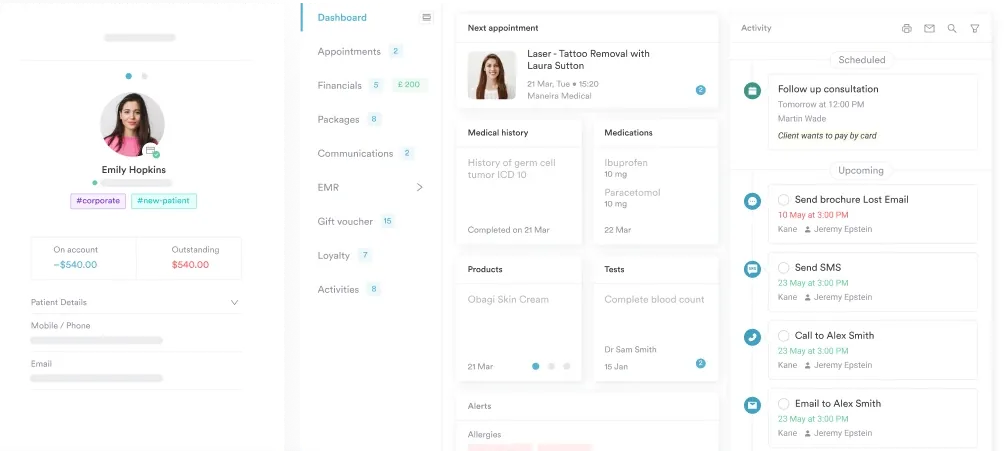

Pabau keeps the injured digit, the side, and the encounter phase on the treatment note and carries them into the claim. Your coders stop rebuilding the record after the visit, so follow-up claims go out clean.

ICD-10 code S66.292D is billable, HIPAA-valid, and narrower than its length suggests. It covers one structure group, the extensor muscle, fascia and tendon, on one digit, the left thumb, at one point in care.
Three decisions drive a clean claim. Name the extensor structure, name the left thumb rather than the hand, and choose D over A once active treatment has finished.
Practices running hand and wrist follow-ups across physical therapy, occupational therapy, or orthopedic workflows can capture all three while the note is being written. Pabau’s practice management platform links structured diagnosis documentation to every appointment and claim. Book a demo to see how Pabau handles ICD-10-CM coding workflows end to end. A paid claim can still be underpaid, and the electronic remittance file is where that shows up. Revenue cycle management treats coding, submission and collection as one process rather than three handoffs.

Coding a shoulder arthrography injection instead? Shoulder arthrography injection coding covers the CPT code for injecting contrast material into the shoulder joint before imaging.
Coding the same thumb injury with no documented side? S66.299D covers the unspecified thumb version of this code.
Moving an injury from healing to late effect? S72.455S shows how the sequela character works on a later claim.
Chasing denials on follow-up claims? Medicare billing explains the claiming channels and compliance checks behind each submission.
Coding a biceps tendon repair instead? Biceps tenodesis at the elbow covers the CPT code, modifiers, and RVU components for this tendon transfer.
S66.292D is the billable ICD-10-CM code for other specified injury of the left thumb’s extensor muscle, fascia and tendon. The site is the wrist and hand level, and the 7th character marks a subsequent encounter. It applies when a patient returns for routine care while that thumb injury is still healing.
Yes. S66.292D is a specific, billable ICD-10-CM code, valid for HIPAA-covered transactions from October 1, 2015 through the FY 2026 code set. The parents S66.292 and S66.29 are non-billable header codes and cannot be submitted on a claim.
Both describe the same injury, an other specified injury of the left thumb extensor muscle, fascia and tendon. They differ only by phase of care. S66.292A covers the initial encounter, when the patient first receives active treatment. S66.292D covers subsequent encounters during healing and recovery.
The 7th character D marks a subsequent encounter. The patient is receiving routine care while the injury heals. Follow-up appointments, hand therapy, wound checks, and splint changes after the initial treatment all take D, even when a different provider delivers them.
S66.291D is the right thumb equivalent. It covers other specified injury of extensor muscle, fascia and tendon of the right thumb at wrist and hand level, subsequent encounter. The side must be documented explicitly to support either code.
No. S66.292D covers an extensor structure of the thumb only. A long flexor injury of the thumb is coded to S66.0, and a flexor injury of another finger is coded to S66.1. A generic hand-level injury with left hand laterality belongs to S66.8 or S66.9.
Use S66.299D, the unspecified thumb version for a subsequent encounter. Treat it as a last resort. Query the clinician for the side, because unspecified laterality codes attract denials and weaken the clinical record.



