

ICD-10 Code S42.444P: Medial epicondyle fracture, right humerus
ICD-10 Code S42.444P: full descriptor and code validity ICD-10 Code S42.444P car...

Last Updated: Oct 13, 2026
Billable Code Specific Code
S62.601B is the billable ICD-10-CM code for fracture of unspecified phalanx of left index finger, initial encounter for open fracture.
Let Pabau's smart automation suggest the right codes, reduce claim denials, and keep your practice compliant—effortlessly.
Automate repetitive tasks and focus on what matters most—your patients.
Reduce coding errors and ensure compliance with the latest regulations.
Clean claims, fewer denials, and faster reimbursements.
Powerful insights and reporting to help your practice thrive.
HIPAA compliant SOC 2 certified GDPR-compliant Trusted by 4,000+ clinics worldwide

S62.601B is the ICD-10-CM code for an unspecified finger fracture at the initial encounter for a type I or II open fracture.
The “B” 7th character confirms this is the first active treatment visit for an open fracture, per ICD-10-CM Official Guidelines Section I.C.19.a.
S62.601B carries unspecified laterality – document the affected hand where clinically possible to support a more specific code.
Pabau’s claims management software links S62.601B directly to procedure codes at the point of billing, reducing open-fracture claim errors.
ICD-10 Code S62.601B is a billable, specific ICD-10-CM diagnosis code. Its official full description, per the CDC/NCHS ICD-10-CM web tool, is:
Unspecified fracture of unspecified finger, initial encounter for open fracture type I or II.
This code sits at the intersection of two “unspecified” qualifiers, finger and laterality. Use it only when the documentation genuinely cannot identify the specific digit or the hand involved. Coders in physical therapy and orthopedic settings usually have imaging reports on hand that narrow the code further.
Every character in S62.601B carries a specific clinical meaning. Understanding the structure prevents coding errors at each position.
One common mistake is conflating the S62.6 “finger” subcategory with metacarpal fractures, which live in S62.2-S62.3. Finger fractures involve the phalanges. Metacarpal fractures involve the bones of the hand proper, proximal to the fingers. The wrong subcategory produces a structurally invalid claim.
The 7th character is the most consequential position in any fracture code. For S62.601B, the “B” specifically means the patient is presenting for the first active treatment of a type I or II open fracture.
Active treatment includes any visit where the provider is managing the injury, not merely monitoring a healing fracture.
The full set of 7th character options for S62.601 is shown below. Each maps to a distinct clinical situation, and the wrong selection is a frequent cause of fracture claim denials.
The Gustilo classification is what separates “B” from the other open-fracture suffixes. A type I open fracture has a wound under 1 cm, minimal soft-tissue damage, and low contamination. A type II open fracture has a wound over 1 cm and moderate soft-tissue damage, without extensive periosteal stripping.
The note must record the wound size and the soft-tissue findings to support the “B” suffix. Without them, a payer may downcode the claim to the closed-fracture equivalent.
The “B” suffix applies only to the initial encounter. If the patient returns for follow-up and the fracture is healing routinely, the correct code switches to S62.601D.
Using “B” on a second or third visit is a common error flagged during HIPAA compliance audits. A later encounter for delayed union at a different site would code, for example, to S52.262K.
Selecting the right code from the S62 block requires understanding the hierarchy. The table below contrasts S62.601B with its most commonly confused neighbors. That includes the closed-fracture equivalent, the higher-severity open variant, and adjacent metacarpal codes.
The distinction between S62.601B and S62.602B carries the most financial weight. Type III open fractures involve extensive soft-tissue loss, periosteal stripping, or vascular compromise.
Billing one of those under S62.601B understates injury severity, and reimbursement then falls short of the surgical complexity involved. Hand reconstruction teams meet this distinction often.
For a broader view of finger and hand fracture coding, the AAPC Codify lookup filters the whole S62 range by clinical description.
Use ICD-10 Code S62.601B when all four conditions below are present simultaneously. If any one is absent, a different code is correct.
A typical S62.601B scenario runs like this. A patient arrives at urgent care after a saw injury at work, with a 1.5 cm wound and moderate soft-tissue involvement. The X-ray confirms a fracture, but crushed tissue crosses several fingers and no single digit can be isolated at the first visit.
The visit involves irrigation, splinting, and an antibiotic prescription, so it counts as active treatment. S62.601B is correct here, paired with an external cause code such as external cause code such as W49.09XD on the follow-up encounter for the same mechanism.
Practices using sports medicine software with integrated coding workflows can attach the fracture classification note to the ICD-10 selection as the clinician writes it. The code assignment then follows the clinical findings directly.
Flag every initial open-fracture encounter in the chart with the Gustilo classification at time of assessment. A brief note is enough. “Type I, wound 0.8 cm, no periosteal stripping” supports the B suffix and protects the claim against a payer downcode request.
S62.601B pairs with procedure codes that reflect what the provider did during the encounter. The CPT codes billed most often alongside open finger fracture diagnoses are listed below. NCCI bundling edits apply, so verify the current edit pairs before submission using CMS coding guidance.
Debridement codes 97597 and 97598 may bundle with fracture treatment codes, depending on the payer and the NCCI edits in force that quarter. Claims management software that validates ICD-10-to-CPT pairs catches those conflicts before the claim leaves the practice.
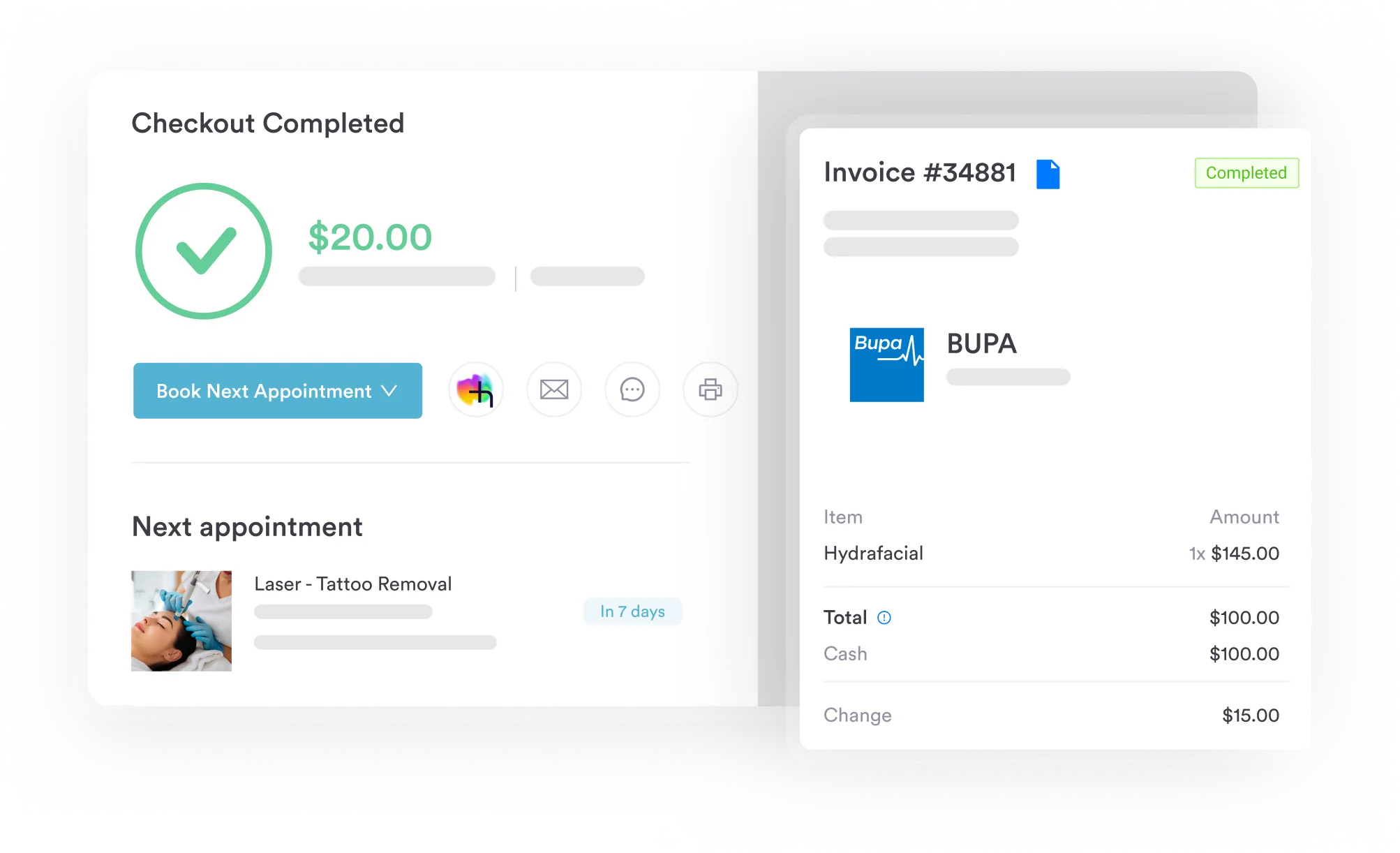
The encounter note must support every element of the code. Missing any one of the elements below gives a payer grounds to deny or downcode the claim.
Practices that use digital intake forms for injury assessments can push the fracture classification fields straight into the clinical note. Wound size, contamination level, and mechanism of injury are then captured at the point of care rather than reconstructed later.
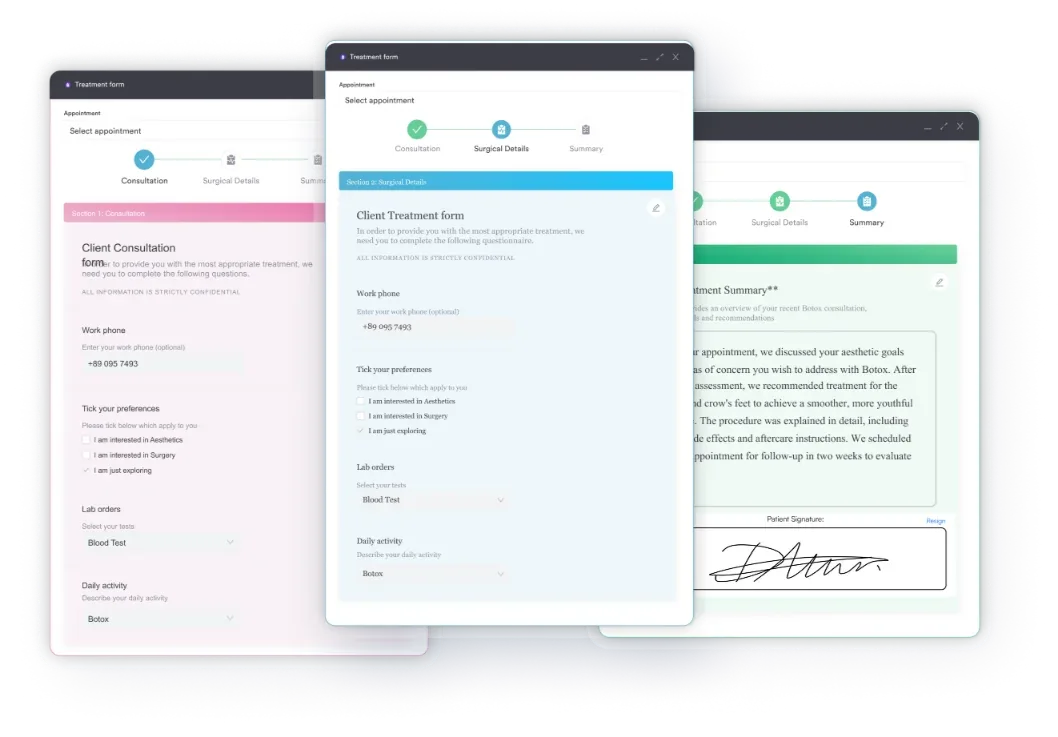
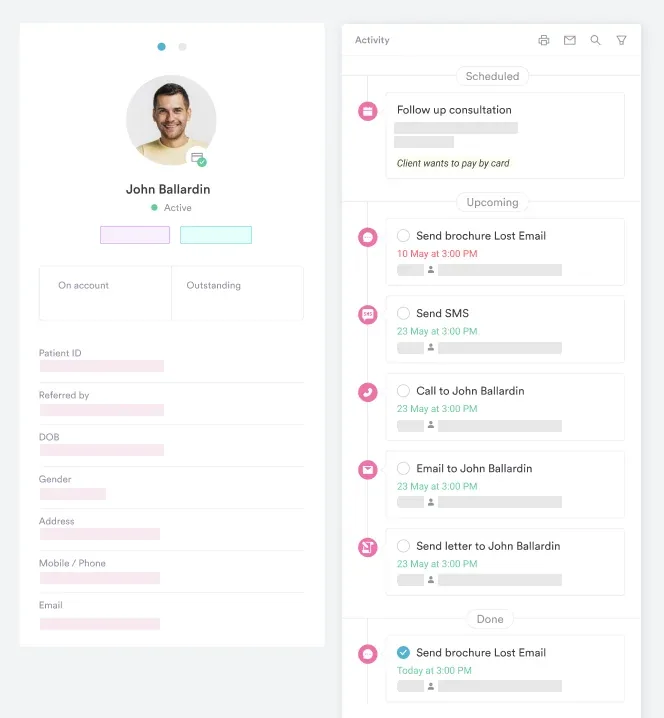
In orthopedic and urgent care settings, structured patient records with injury-specific templates keep the Gustilo classification consistent across every provider. It no longer depends on the attending who first sees the patient.
Coders new to hand fracture documentation can find supplementary guidance in the AHA Coding Clinic, which publishes advice on fracture encounter type selection. Sequela coding for a healed injury follows the same logic as an external cause sequela code like V86.54XS.
S62.601B is a covered diagnosis under Medicare Part A for inpatient care and Part B for outpatient care, when paired with medically necessary procedures. Coverage is not automatic. The linked CPT codes must meet the medical necessity criteria in the payer’s local coverage determination.
Reimbursement for the associated CPT codes varies by geographic locality and is updated annually by CMS. Check any dollar figure against the current CMS Physician Fee Schedule, because the rates change each fiscal year. The CMS ICD-10 codes page carries the current fiscal year’s documentation and update files. Coding sits in the middle of the revenue cycle, between registration and payment posting. A code lookup that lives beside the desk gets used; one buried in a shared drive does not.
Encounters that carry several ICD-10 codes on one claim raise the odds of an edit conflict. Integrated practice management software that flags NCCI conflicts before submission cuts the volume of claim rework.
The table below consolidates the key billing and documentation facts for S62.601B into a single reference. Use it as a pre-submission checklist for each open-finger-fracture encounter.
The WHO’s ICD-10 international browser holds the global classification hierarchy that underpins ICD-10-CM. It is useful for checking how the S62 block is structured above the CM-specific detail.
The quality of the intake documentation decides the rest. Where the injury-classification data is captured cleanly, the coding team can assign a specific code. Where it is not, the claim defaults to an unspecified code like S62.601B.
In most practices the fracture classification lives in one place and the claim is built in another. A coder reads the note, picks the 7th character, then keys the CPT codes into a separate billing screen. Any detail the note left out becomes a query, a delay, or a denial weeks later.
Practice management software like Pabau closes that loop. Intake and clinical templates capture wound size, contamination, and mechanism of injury as structured fields. Those fields sit in the same record the claim is built from, so the coder can confirm the encounter type without reopening a scanned document.
At the billing step, Pabau links each diagnosis code to its procedure codes and flags NCCI conflicts before submission. Open-fracture claims leave the practice with the documentation that supports them, so your team spends less time reworking denials and more time seeing patients.

Pabau links ICD-10 diagnosis codes to CPT procedure codes at the point of billing and validates NCCI edits automatically. It also stores structured clinical notes that support every 7th character selection. See how Pabau supports coding for orthopedic and urgent care practices.

S62.601B is the code you reach for when the injury is clear but the anatomy in the note is not. That makes it a documentation decision more than a coding one. If the chart can name the digit and the hand, a more specific code is the better claim. Treat the unspecified code as a last resort.
Three documented facts carry the code. The fracture is open, the Gustilo classification is type I or II, and the visit is the first active treatment. Build those into the note template rather than trusting recall at coding time.
Book a demo to see how Pabau links diagnosis codes to procedure codes and validates open-fracture claims before they leave your practice.

Billing a LeFort III with forehead advancement? LeFort III forehead advancement billing guide covers the bone graft requirement that separates this code from CPT 21160.
Billing a full forehead reconstruction? Forehead reconstruction billing guide applies when the graft material used does not come from the patient.
Comparing claims tools before you commit? Claims management software: Pabau vs Waystar weighs both platforms on validation, denial handling, and cost.
S62.601B is the ICD-10-CM code for an unspecified fracture of an unspecified finger at the initial encounter for an open fracture type I or II. It sits within the S62 block (fractures of wrist and hand), specifically under S62.6 (fractures of finger). The code is billable and specific for FY2025 ICD-10-CM.
S62.601B is for an open fracture. The “B” 7th character specifically means the fracture is open and classified as Gustilo type I or type II. For a closed fracture of the same unspecified finger at the initial encounter, use S62.601A instead.
The “B” suffix indicates the initial encounter, meaning the first visit at which the provider actively manages the fracture. Subsequent visits for routine healing use the “D” suffix (S62.601D). Using “B” on a follow-up visit is a coding error that commonly triggers payer review.
The most commonly paired CPT codes are 26600, 26735, 97597, and 99283. Those cover closed treatment of a metacarpal fracture and open treatment of a phalangeal shaft fracture. They also cover debridement of an open wound and emergency department E/M at moderate complexity. NCCI bundling edits may restrict simultaneous billing of debridement and fracture treatment codes; verify current edits before each submission.
S62.601A covers the initial encounter for a closed fracture of an unspecified finger. S62.601B covers the initial encounter for an open fracture of type I or II. The only difference is the 7th character, which changes the fracture type from closed to open. Clinically, this reflects whether the skin overlying the fracture was breached.
Yes, S62.601B is generally covered by Medicare (Part A for inpatient, Part B for outpatient) and Medicaid when paired with medically necessary procedures. Coverage depends on the specific CPT codes billed alongside it and whether those procedures meet the payer’s local coverage determination (LCD). State-specific Medicaid rules vary; workers’ compensation coverage depends on the state fee schedule and whether an external cause code is included.




