



HCPCS code E0198: Water pressure pad billing guide
HCPCS code E0198 is a water pad for a standard mattress HCPCS code E0198 is the ...

Last Updated: Oct 13, 2026

CPT code 20822 reports replantation of a completely amputated non-thumb digit at the distal level, from the fingertip to the sublimis tendon insertion.
CPT 20816 covers the same complete amputation at a more proximal level. Anatomical level is the only thing that separates the two codes.
The 090-day global period bundles pre-op, intra-op, and routine post-op care into the surgical package, so those services cannot be billed separately.
Nerve, tendon, and vessel repairs performed during the replantation are bundled into CPT 20822 and are not separately billable.
Practice management software like Pabau supports CPT 20822 billing with procedure code libraries, modifier management, and RVU-based reporting.
CPT Code 20822 covers replantation of a completely amputated non-thumb digit at the distal level. The range runs from the fingertip to the insertion of the flexor sublimis tendon. One code reports the entire microvascular reattachment, from bone fixation through to nerve repair.
This reference covers the official AMA description, current RVU values, and Medicare reimbursement by setting. It also covers the modifiers that apply, the ICD-10 diagnosis pairings, the 090-day global period, and the documentation a payer expects to see.
CPT Code 20822 sits in the General Replantation Procedures section of the CPT code set, maintained by the American Medical Association (AMA). The 20802-20838 range covers replantation of the arm, forearm, hand, digits, and foot.
The code applies to a non-thumb digit only. Thumb replantation is reported separately, with CPT 20824 and CPT 20827 split by level. Every code in the 20802-20838 family describes a complete amputation, so none of them fits a partial one.
CPT Code 20822 covers a complex, multi-stage microvascular procedure. Digit replantation restores vascular continuity, skeletal stability, tendon function, and neural integrity in one operative encounter.
Four structural repairs are bundled into the replantation code. Surgeons and coders should verify that each one performed appears in the operative note:
Nerve repair matters for billing precisely because it is bundled. Billing a separate nerve repair code alongside CPT Code 20822 counts as unbundling. That pairing can trigger a National Correct Coding Initiative (NCCI) edit and a denial.
Anatomical level is what separates 20822 from its nearest neighbor. Both codes assume a complete amputation, so the note has to record where the digit was severed. The digit must also be fully detached, with no soft tissue or bony bridge connecting it to the hand.
Where a bridge remains, no replantation code in this family applies, so report the individual repairs performed. For hand surgeons handling plastic surgery billing, the level distinction is a common source of coding disputes.
Relative Value Units (RVUs) set Medicare payment under the Resource-Based Relative Value Scale (RBRVS). CPT Code 20822 carries a high Work RVU, which reflects its complexity and operative time.
The Centers for Medicare and Medicaid Services (CMS) publishes the authoritative figures each year in the CMS Physician Fee Schedule. The values below are representative, so check them against the current fee schedule year before billing.
Practice managers tracking revenue by procedure can use the reporting tools in practice management software like Pabau. RVU-weighted production reports show which codes generate the most work relative to reimbursement. That matters most where a few long operative cases dominate the month.
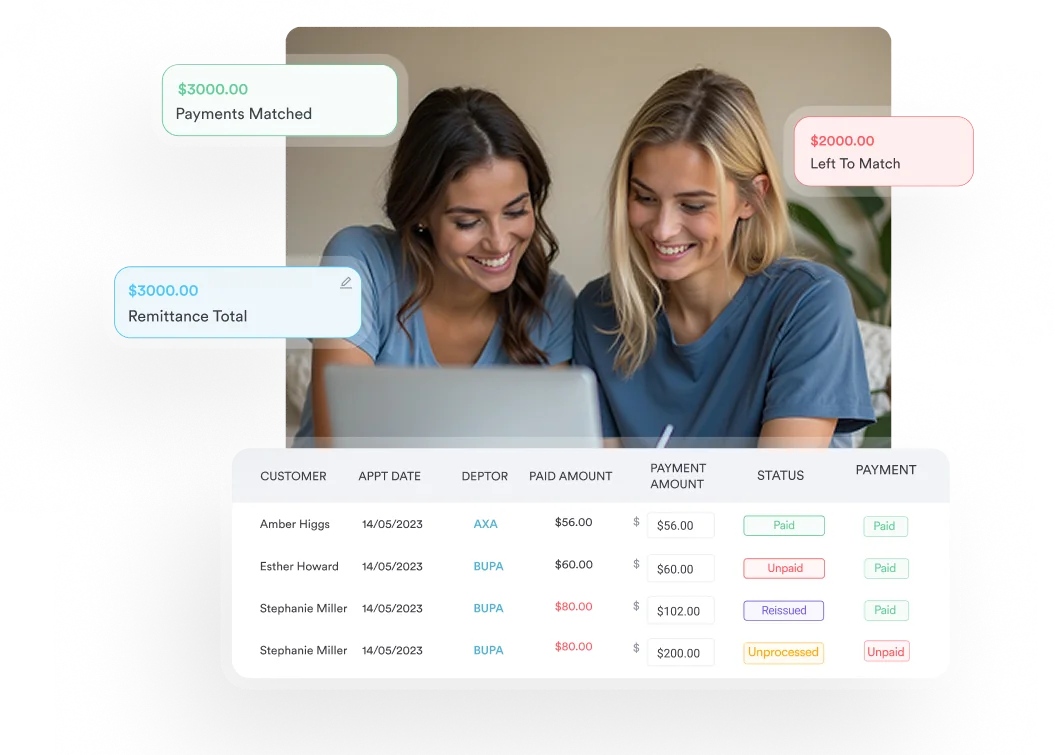
A sports medicine platform tracks the injury, the procedure, and the recovery timeline in one place.
Medicare payment for CPT Code 20822 differs depending on place of service. The facility rate applies when the procedure is performed in a hospital operating room or ambulatory surgical center (ASC).
The non-facility rate applies in a physician office or outpatient setting. Replantation is almost always performed in a facility, given the complexity of the procedure.
Dollar amounts change each year with the Medicare Physician Fee Schedule (MPFS) final rule. CMS publishes that rule in November for the following calendar year.
Verify current rates in the fee schedule lookup tool before you submit. Commercial payer rates vary by contract and usually run higher than Medicare for complex surgery.
CPT Code 20822 carries a 090-day global period, the standard classification for major surgery. CMS sets out what that package covers in its global surgery booklet. The package bundles the following services into the procedure’s reimbursement:
Billing a separate E/M visit within the 90-day window usually results in a denial. That covers routine wound checks, suture removal, and post-op medication management. Modifier -24 marks an unrelated E/M service, and modifier -79 marks an unrelated procedure.
Hand therapy after a replantation sits outside the surgeon’s package, because the therapist bills those visits under their own codes. Practices running occupational therapy software alongside surgical billing should keep the two claim streams separate. Tracking each patient’s global period end date prevents most of the rest. An itemized superbill keeps the required fields in one place: dates, codes, charges and provider identifiers.
Modifier selection for CPT Code 20822 directly affects reimbursement and compliance. The table below lists the modifiers most commonly applicable to replantation procedures. Verify each one against your payer’s policies before submitting.
CPT 20822 is a standalone surgical code, not an add-on. Modifier -51 therefore applies to the lesser procedure when a second distinct procedure is billed in the same session. Check NCCI edits for any pairing restrictions before appending it.
Document the digit, the side, and the amputation level in the operative note narrative, not just in a modifier field. Payers routinely request operative reports for replantation claims. Any discrepancy between the narrative and the modifier selection is a common audit trigger.
Clean claim submission for CPT Code 20822 requires a medically necessary ICD-10-CM diagnosis code. Traumatic finger amputation codes sit in category S68, split by level, completeness, finger, and side.
Subcategory S68.11- covers complete amputation at the metacarpophalangeal level. Subcategory S68.61- covers complete amputation at the transphalangeal level, which is the range CPT 20822 describes. The code set is updated each October, so check the current fiscal year before submitting.
Within each subcategory, the sixth character names the finger and the side together, running in right-left pairs:
Use seventh character “A” (initial encounter) for the surgery itself. Subsequent encounters during post-op follow-up use “D” (subsequent encounter) or “S” (sequela) as appropriate. Payer-specific coverage policies may require additional diagnosis codes for the mechanism of injury or any associated injuries.
The most frequent coding error in this CPT family is swapping 20822 and 20816. Both codes report a complete amputation of a non-thumb digit, so completeness never separates them. The dividing line is anatomical level.
CPT 20816 covers the proximal range, from the metacarpophalangeal joint to the insertion of the flexor sublimis tendon. CPT 20822 covers the distal range, from the fingertip to that same insertion. Neither code applies when the digit is only partially amputated.
The operative note is the determining document. Auditors look for the amputation level in anatomical terms, naming the phalanx or the relationship to the sublimis insertion. They also look for confirmation that no neurovascular or soft-tissue bridge remained before replantation.
Avoid generic phrases such as “degloving injury with amputation” that state neither level nor completeness. Practices that build the level and the completeness statement into their digital forms catch the mismatch before submission.

CPT Code 20822 is one of eight codes in the General Replantation Procedures family. Coders in hand surgery practices should know the full range. Procedures on adjacent digits, or at different anatomical levels, require different codes.
Selection in this family turns on two variables. The first is the part replanted, whether arm, forearm, hand, thumb, non-thumb digit, or foot. The second is the anatomical level of the amputation. Every code in the range assumes the amputation was complete.
When the digit cannot be salvaged, the surgeon may close the defect with a flap instead, which is reported under CPT 14350. Joint procedures on the same hand belong to the 26000 series.
Other musculoskeletal work on the same limb also sits outside this range. Check the NCCI edits before reporting any of it alongside a replantation.
Replantation codes are frequently subject to post-payment audit and pre-authorization review because of their high work RVU and complex procedure components. Operative notes must support every element of the code descriptor. Payer denials for CPT Code 20822 usually trace back to one of four documentation omissions.
Denials on this code originate in the operative note far more often than in code selection. Documentation therefore deserves at least as much attention as choosing between 20822 and 20816.
Practices using electronic client records with structured surgical note templates can build these checkpoints into the pre-submission workflow. Those records also have to meet HIPAA compliance standards when a payer or auditor requests the operative report.
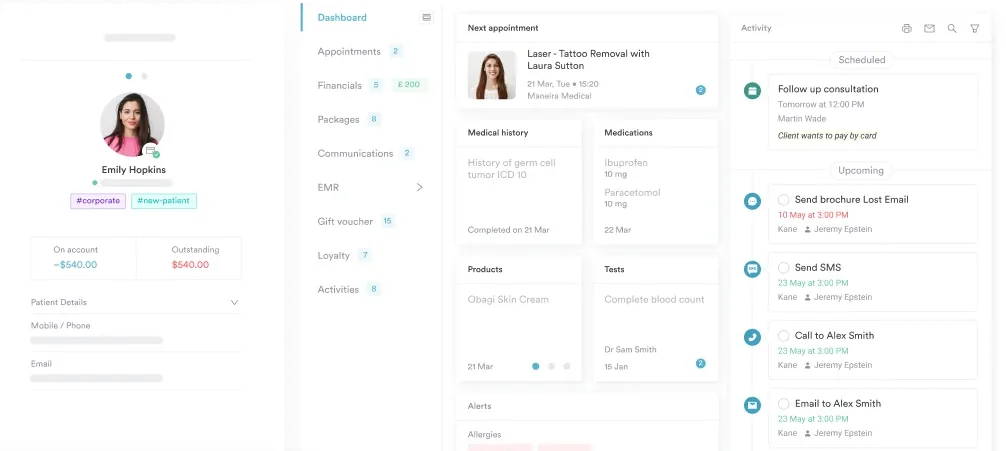
The core principle holds across every surgical code. Every element of the descriptor needs corresponding operative documentation. Because the 20822 descriptor names an anatomical range, the note has to place the injury inside that range. Ambiguity is an auditor’s opening.
Denials on replantation claims cluster around five causes. Each one traces back to documentation or workflow rather than to the surgery itself.
Catching these in pre-submission review costs far less than appealing after payment is refused. A single reworked claim consumes staff time that a rule-based check would have saved. Claim validation intercepts these errors at the point of claim generation.
In most surgical practices the code and its modifiers get keyed twice, once into the note and once into the claim. Anyone chasing a denial then has to reopen both to work out where they diverged.
Pabau’s claims management software keeps one record of the charge. Procedure code libraries can carry required modifier fields, ICD-10 pairing rules, and global period tracking, so the claim inherits what the surgeon documented.
RVU-based reporting then shows practice managers where the operative hours went.
The outcome is fewer denials on low-volume, high-value codes and a cleaner picture of revenue per case. Practices comparing broader practice management software options for surgical specialties can see how scheduling, documentation, and billing sit on one platform.
Build a CPT 20822 billing checklist into your pre-submission workflow. Confirm that the note records a complete amputation and its anatomical level. Verify modifier selection against the operative note. Check that the ICD-10 finger and laterality match the surgical site. Confirm the claim falls inside any required pre-authorization window.

Pabau helps hand surgery practices submit cleaner claims for complex codes like CPT Code 20822. Procedure code libraries, modifier management, and RVU-based reporting all sit in one place.

The level distinction is what decides this claim. If the note places the amputation distal to the sublimis insertion, 20822 is the right code. It also has to say the digit came off completely.
Fix the note template before you fix the coding process. A required field for level, side, and digit removes the ambiguity auditors look for. That single change does more for a clean claim than any modifier checklist.
Building those checks into the workflow costs the surgeon a few seconds per note. It saves the billing team an appeal that can drag on for months. Book a demo to see how Pabau keeps the code, the modifiers, and the operative note in step.

Coding another microvascular reattachment? CPT 20970 covers free osteocutaneous flap transfer with microvascular anastomosis.
Billing a forearm or wrist procedure? CPT 25110 covers excision of a tendon sheath lesion in the forearm or wrist.
Need the code for soft-tissue coverage? CPT 15040 covers harvesting skin for a tissue-cultured autograft.
Coding a later encounter for an upper-limb wound? S51.801S covers an unspecified open wound of the forearm at the sequela stage.
Aspirating a wrist or other intermediate joint? CPT 20606 covers arthrocentesis of an intermediate joint with ultrasound guidance.
CPT Code 20822 reports replantation of a completely amputated digit other than the thumb, at the distal level. That level runs from the fingertip to the insertion of the flexor sublimis tendon. The code covers the whole microvascular reattachment, including bone fixation, tendon repair, arterial anastomosis, and nerve repair when performed.
CPT 20822 carries a Work RVU of approximately 26.66, reflecting the high complexity and operative time of digit replantation. Total RVU including Practice Expense and Malpractice components varies by setting and is updated annually. Verify current values via the CMS Physician Fee Schedule lookup tool.
Commonly applicable modifiers include -51 (multiple procedures), -62 (two surgeons), -80 (assistant surgeon), and -RT or -LT for laterality. HCPCS digit modifiers -FA and -F1 through -F9 identify the finger. Modifier selection depends on the operative scenario, so verify applicability with your payer before submitting.
CPT Code 20822 has a 090-day global period. Routine pre-operative, intra-operative, and post-operative care for the 90 days after the procedure sits inside the surgical package. Those services cannot be billed separately.
Complete traumatic amputation codes from ICD-10-CM category S68 are the standard pairings. CPT 20822 describes a distal, transphalangeal level, so S68.610A through S68.617A usually apply. The sixth character names the finger and the side, which makes S68.610A the right index finger and S68.611A the left. Use S68.619A only when the note does not name the finger. Amputations at the metacarpophalangeal level map to S68.110A through S68.117A, which pair with CPT 20816.
Yes. Nerve repair performed as part of the replantation is bundled into CPT 20822 and cannot be billed as a separate service. Reporting a separate nerve repair code alongside 20822 counts as unbundling and may trigger an NCCI edit denial.
The operative note must confirm four things. First, a complete amputation of the digit with no remaining tissue bridge, and the level relative to the sublimis tendon insertion. Second, each structure repaired, covering artery, bone, tendon count, and nerve where applicable. Third, the microvascular technique, including anastomosis details and patency confirmation. Fourth, the post-operative management plan and any anticoagulation protocols.
Both codes report replantation of a completely amputated non-thumb digit, so completeness is not the difference. They are separated by anatomical level. CPT 20816 covers the proximal range, from the metacarpophalangeal joint to the sublimis tendon insertion. CPT 20822 covers the distal range, from the fingertip to that same insertion.



