

ICD-10 Code R63.4: Abnormal weight loss
ICD-10 code R63.4: Definition, billability and code structure ICD-10 code R63.4 ...

Last Updated: Nov 13, 2026
Billable Code Specific Code
R35.0 is the billable ICD-10-CM code for frequency of micturition.
Using the wrong sibling or failing to exclude a coded etiology before assigning R35.0 are the two most common reasons claims carrying this code are denied.
Let Pabau's smart automation suggest the right codes, reduce claim denials, and keep your practice compliant—effortlessly.
Automate repetitive tasks and focus on what matters most—your patients.
Reduce coding errors and ensure compliance with the latest regulations.
Clean claims, fewer denials, and faster reimbursements.
Powerful insights and reporting to help your practice thrive.
HIPAA compliant SOC 2 certified GDPR-compliant Trusted by 4,000+ clinics worldwide

R35.0 is the billable ICD-10-CM code for frequency of micturition, used when urination frequency is elevated without a separately reportable cause
R35.81 (nocturnal polyuria) and R35.89 (other polyuria) are sibling codes; choose R35.0 only for daytime or non-time-specific frequency increases
If an etiology such as diabetes mellitus or BPH is coded, R35.0 moves to secondary or is excluded entirely per ICD-10-CM sequencing rules
Pabau’s claims management software flags R35 sequencing conflicts and routes clean urologic claims through the Claim.MD clearinghouse automatically
ICD-10 code R35.0 is an ICD-10-CM diagnosis code with the official descriptor “Frequency of micturition,” assigned under parent category R35 (Polyuria) in Chapter 18: Symptoms, Signs, and Abnormal Clinical and Laboratory Findings. The CDC/NCHS ICD-10-CM tabular tool confirms the code is billable as a primary or secondary diagnosis for FY2025. It is a valid claim code on CMS-1500 forms and 837P electronic transactions.
The quick-reference table below captures the key code properties coders need at point of assignment.
R35.0 captures presentations where the patient voids more frequently than normal and no separately reportable etiology accounts for it. The clinical threshold most urology guidelines cite is voiding more than eight times in a 24-hour period or reporting urine output exceeding 3 liters per day in adults, though coders should note that specific numeric cutoffs are set by the treating clinician and cited guidelines, not by ICD-10-CM itself. The code is appropriate when frequency is the chief complaint driving the encounter.
Documentation elements that support R35.0 at the clinical level include:
The R35 category carries Excludes1 and Excludes2 annotations that dictate which conditions must be coded elsewhere. An Excludes1 note means the two codes cannot appear on the same claim; an Excludes2 note means the excluded condition is not included in R35.0 but may be reported alongside it when both conditions are genuinely present.
The key practical rule: If the chart names diabetes insipidus (E23.2) as a confirmed diagnosis, do not add R35.0. The polyuria is integral to the named condition. Payers running automated edits will flag the combination and reject the claim.
R35.0, R35.81, and R35.89 all live under category R35, but they describe clinically distinct presentations. Selecting the wrong sibling is the second most common coding error on urologic claims involving this code group.
Decision rule: Ask one question first: Is the problem specifically nocturnal? If yes, use R35.81. If the documentation shows elevated 24-hour output without a frequency-of-voiding pattern, consider R35.89. If neither of those fits, R35.0 is the correct assignment, provided an etiology code has not already been assigned for the same encounter.
Print or bookmark the R35 sibling code table above and attach it to your urology encounter template. Many EHRs surface only R35.0 in diagnosis search results, leaving R35.81 invisible until the coder types the full code. Build a custom favorite set that includes all three so the clinician sees the right options at point of documentation.
R39.1 covers other difficulties with micturition, including hesitancy, dribbling, and incomplete bladder emptying. These are distinct from polyuria’s volume and frequency characteristics. Coders who reach for R35.0 when the chart describes hesitancy rather than frequency introduce a coding error that payers can detect through clinical-edit software.
ICD-10-CM Chapter 18 guidelines state that symptom codes from that chapter are not assigned when the sign or symptom is an integral part of a coded condition. For polyuria, this means sequencing in medical billing depends entirely on whether a causative diagnosis is confirmed and coded.
Three scenarios cover most real-world encounters involving R35.0:
Drug-induced polyuria follows adverse-effect sequencing: The drug’s adverse-effect code is principal, followed by R35.0 to identify the resulting symptom.
When R35.0 appears as a secondary diagnosis (etiology coded as principal), these are the combinations most frequently seen on urologic claims. The third column flags which pairings carry a higher audit risk based on payer clinical-edit patterns.
Medicare and most commercial payers accept R35.0 as a valid primary or secondary diagnosis, but medical necessity documentation must support the code at audit. Practices using electronic claims via Claim.MD receive real-time eligibility checks and payer-specific edit alerts before the claim leaves the system, catching many R35.0 sequencing errors at the pre-submission stage.
The five denial reasons that account for most R35.0 rejections are:
Reviewing denial management workflows for urologic claims before each billing cycle catches sequencing mismatches before they reach the payer. Pairing that review with clean claim submission practices keeps the R35.0 denial rate low. Pabau’s urology claims management toolset surfaces these conflicts before the 837P file is transmitted.
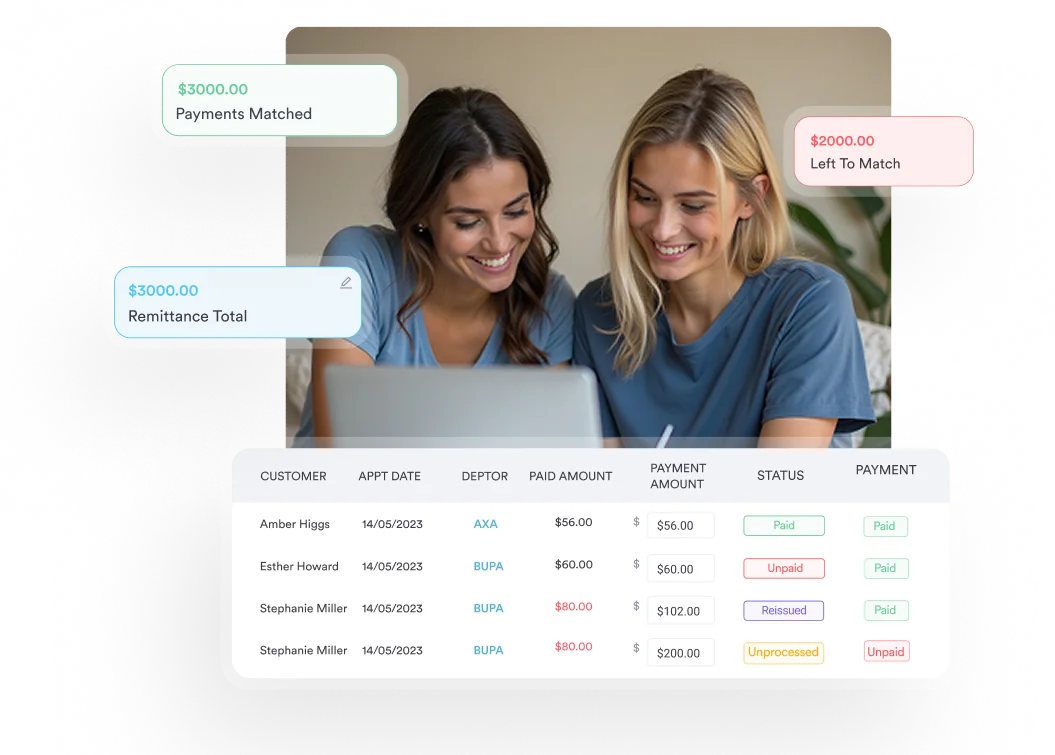

Pabau flags ICD-10 sequencing conflicts and routes clean urologic claims through the Claim.MD clearinghouse automatically. See how the claims workflow handles R35.0 and related codes in a live demo.

The medical record must justify R35.0 at the time of service. Retrospective documentation added after a denial does not resolve an audit finding under most payer policies. Build these elements into the encounter note at the point of care.
Add a voiding-frequency structured field to your urology intake form so patients self-report their daily void count before the clinician enters the room. That patient-reported number lands directly in the chart, satisfying the quantified frequency documentation requirement without adding to the physician’s note burden.
Most EHRs surface R35.0 in diagnosis search when a coder types “polyuria” or “frequency,” but they frequently miss the sibling codes R35.81 and R35.89 unless the coder types the exact code. This creates a default-to-R35.0 pattern that leads to the nocturnal polyuria miscoding described above. The fix is building a custom diagnosis favorite set that includes all three R35 siblings alongside N32.81 (overactive bladder) and R39.1, so the clinician sees the full choice at the point of documentation.
At the claims level, R35.0 sequencing errors are preventable through pre-submission scrubbing. Pabau integrates with Claim.MD, which runs real-time payer-specific edits against each ICD-10 diagnosis combination before the 837P file transmits. For a urology practice submitting R35.0 alongside BPH codes or diabetic E-codes, that pre-submission check catches the most common denial triggers automatically, without requiring the billing team to memorize each payer’s LCD. Patient record documentation in Pabau also captures the voiding frequency data entered during the encounter, keeping it accessible at claims review without manual chart pulls.
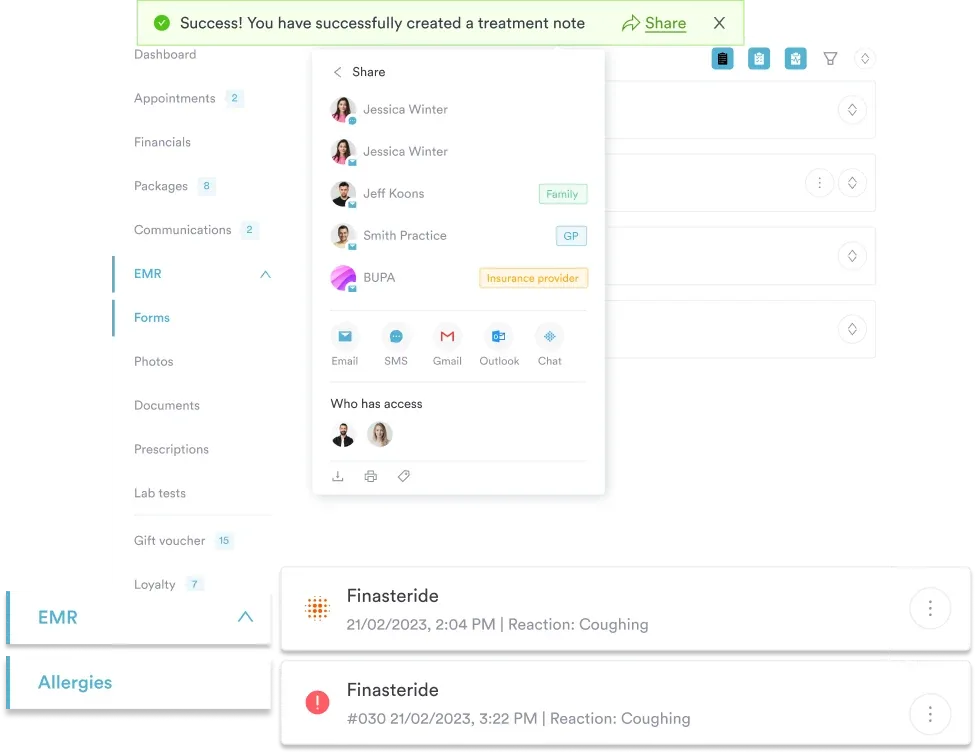
R35.0 is straightforward when the chart clearly documents elevated voiding frequency with no separately coded etiology. The code becomes a denial risk the moment a coder applies it without checking for sibling-code specificity (R35.81 for nocturnal presentations), Excludes1 conflicts (E23.2 for diabetes insipidus), or sequencing obligations when BPH or DM is on the same claim.
Pabau’s claims management workflow, connected to Claim.MD’s clearinghouse network, runs the sequencing and edit checks automatically before each R35.0-bearing claim reaches a payer. Understanding the full revenue cycle for urologic encounters starts with clean diagnosis coding. Book a demo to see how Pabau handles R35 code group claims from documentation through ERA receipt.

Need help managing ICD-10 claim denials end to end? Denial management in healthcare covers the full workflow from root-cause analysis through resubmission tracking.
Want to understand how claims flow from code to payment? Claim.MD clearinghouse guide explains how Pabau’s clearinghouse partner validates and routes ICD-10 claims to more than 4,000 US payers.
Looking for the broader ICD-10 anxiety code context? Situational anxiety ICD-10 code walks through a parallel coding scenario in a different Chapter 18 symptom code.
ICD-10 code R35.0 is the billable diagnosis code for frequency of micturition, the official ICD-10-CM descriptor for abnormally elevated urination frequency not attributable to a separately coded underlying condition. It falls under category R35 (Polyuria) in Chapter 18 of ICD-10-CM and is valid for FY2025 claims.
R35.0 covers daytime or non-time-specific elevated voiding frequency, while R35.81 is specifically nocturnal polyuria, meaning excessive urine production that disrupts nighttime sleep. If the patient’s complaint and documentation are confined to nighttime frequency, R35.81 is the correct code, not R35.0.
Yes, R35.0 is valid as a primary diagnosis when no separately reportable etiology has been identified. Medicare and most commercial payers accept it, provided the medical record quantifies voiding frequency and documents a differential diagnosis workup. Using it as primary when a causative code (BPH, DM) is also on the claim is the most common sequencing error.
Polyuria caused by diabetes mellitus is coded with the appropriate E-code for the diabetes type (e.g., E11.x for type 2 diabetes mellitus), not with R35.0. ICD-10-CM guidelines state that signs integral to a confirmed condition are not coded separately, and polyuria is considered integral to uncontrolled diabetes. Adding R35.0 alongside an E11.x code on the same claim is a common denial trigger.
Sometimes. When BPH (N40.0 or N40.1) is principal, R35.0 may appear as a secondary code to describe the symptomatic presentation, but payer policies vary. Some payers consider urinary frequency integral to BPH and deny R35.0 as a secondary. Check the relevant local coverage determination before submitting both codes on the same claim.
The ICD-10 code for frequency of micturition is R35.0, its official descriptor in the ICD-10-CM tabular list. The AAPC Codify ICD-10-CM lookup and the ICD List reference tool both confirm R35.0 as the billable code for this presentation.



