

CCSD code G5100: Bypass of duodenum billing guide
CCSD code G5100 bills a bypass that leaves the duodenum in place CCSD code G5100...

Last Updated: Oct 16, 2026
S9443 is the HCPCS Level II code for lactation classes, non-physician provider, per session.
Let Pabau's smart automation suggest the right codes, reduce claim denials, and keep your practice compliant—effortlessly.
Automate repetitive tasks and focus on what matters most—your patients.
Reduce coding errors and ensure compliance with the latest regulations.
Clean claims, fewer denials, and faster reimbursements.
Powerful insights and reporting to help your practice thrive.
HIPAA compliant SOC 2 certified GDPR-compliant Trusted by 4,000+ clinics worldwide

HCPCS Code S9443 describes lactation classes provided by a non-physician provider, billed per session, under HCPCS Level II.
IBCLCs, registered dietitians with lactation training, and other qualified non-physician providers can bill this code, though eligibility varies by state and payer.
S-codes are not recognized by Medicare, so S9443 is primarily used for Medicaid and commercial insurance claims where the payer has adopted it.
Practice management software like Pabau helps lactation practices document session credentials, select the right diagnosis codes, and submit S9443 claims without switching between systems.
HCPCS Code S9443 is a Level II alphanumeric code maintained by the Centers for Medicare and Medicaid Services (CMS). Its official descriptor is: Lactation classes, non-physician provider, per session.
S-codes are a subset of HCPCS Level II, used primarily by Medicaid programs and some commercial payers. Unlike CPT codes, S-codes are not adopted by Medicare, which matters when verifying coverage before billing.
The “non-physician provider” language in the S9443 descriptor is intentional. Lactation services are most commonly delivered by credentialed non-MD professionals, and this code was designed to reflect that. Eligible provider types typically include:
Provider eligibility depends heavily on both state licensure laws and individual payer contracts. An IBCLC credentialed through IBLCE may be recognized under one state Medicaid plan but require additional enrollment steps under another. Always verify provider enrollment status with each payer before submitting claims.
For practices managing OB/GYN and perinatal care workflows.
Before billing S9443, confirm the provider’s NPI is enrolled with the specific Medicaid plan or commercial payer. Providers billing under a group NPI may face denials if individual credentials are not separately verified. Check enrollment at least 30 days before submitting the first claim.
Our primer on practice management software explains how systems keep unusual code sets like these organized.
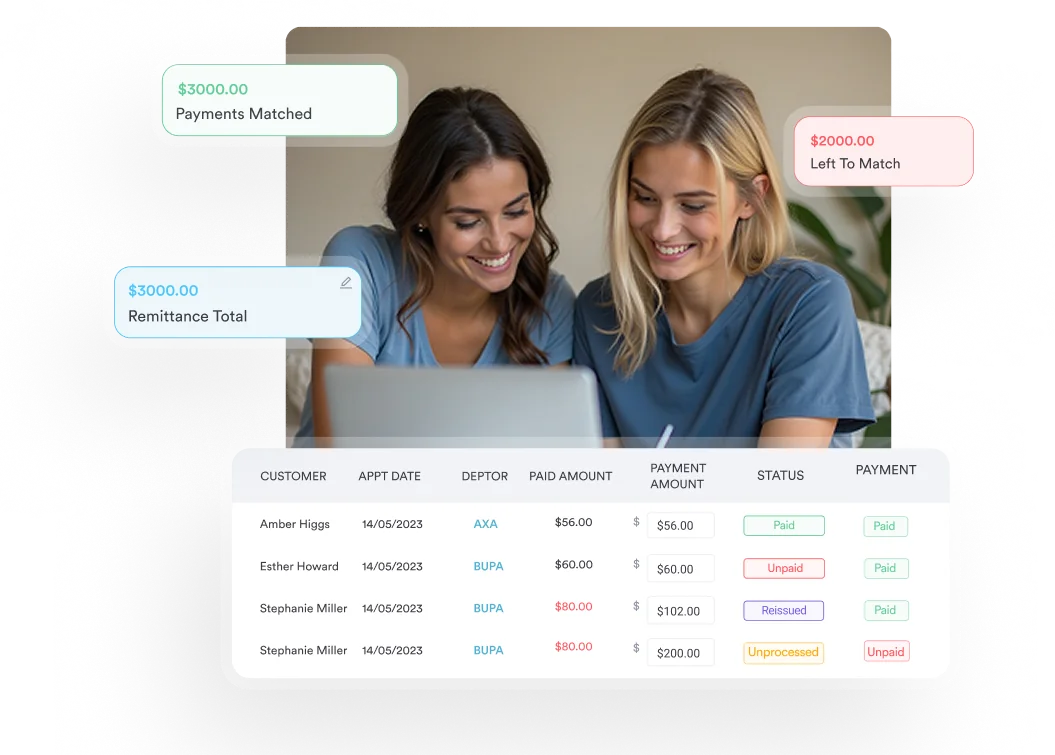
Coverage for HCPCS Code S9443 is not uniform. Whether a claim is reimbursed depends entirely on the payer, the state, and in some cases the specific benefit plan. The Affordable Care Act (ACA) Section 2713 requires non-grandfathered health plans to cover breastfeeding support and counseling as a preventive service with no cost-sharing, which has expanded commercial coverage significantly since 2010. Practices reconciling payment posting against expected fees find short-paid claims that never appear as denials.
State Medicaid programs are the primary users of S9443. Coverage rules, reimbursement rates, and prior authorization requirements vary by state.
Colorado’s Department of Health Care Policy and Financing, for instance, explicitly covers S9443 for eligible providers under its lactation support services billing manual. Other states may use a different code set or require the service to be billed under a physician’s supervision.
Key points for Medicaid billing with S9443:
Major commercial payers including UnitedHealthcare, Blue Cross Blue Shield plans, and Molina Healthcare have policies covering lactation services under the ACA preventive care mandate. However, whether they accept S9443 specifically, or require a CPT preventive service code instead, depends on the plan.
Before billing any commercial plan with S9443, confirm the following with the payer’s provider line:
Practices using HIPAA-compliant practice software can document payer verification notes in the patient record alongside claims data, keeping that information accessible at billing time.

Pabau connects clinical documentation and claims in one place, so your billing team has the session notes, provider credentials, and diagnosis codes they need when submitting S9443 claims.

Every S9443 claim must be paired with a supporting ICD-10-CM diagnosis code that establishes medical necessity. The following codes are commonly used with lactation class billing:
Z39.1 is the most widely accepted primary diagnosis when billing S9443. Confirm with each payer whether multiple diagnosis codes on the same claim require a hierarchy, or whether a single code suffices.
IBCLCs and lactation consultants bill more than just S9443. Depending on the scope of the encounter, these companion codes may apply alongside or instead of S9443:
When a payer does not recognize S9443, the CPT preventive counseling codes 99401-99402 are the most practical fallback. Fertility and reproductive health practices using fertility clinic software often track coaching CPT codes alongside lactation billing, and keeping companion codes organized in one record prevents submission errors.
Incomplete documentation is the leading cause of S9443 claim denials. Every claim should be supported by a clinical record that clearly establishes what happened in the session and who provided the service. Required documentation typically includes:
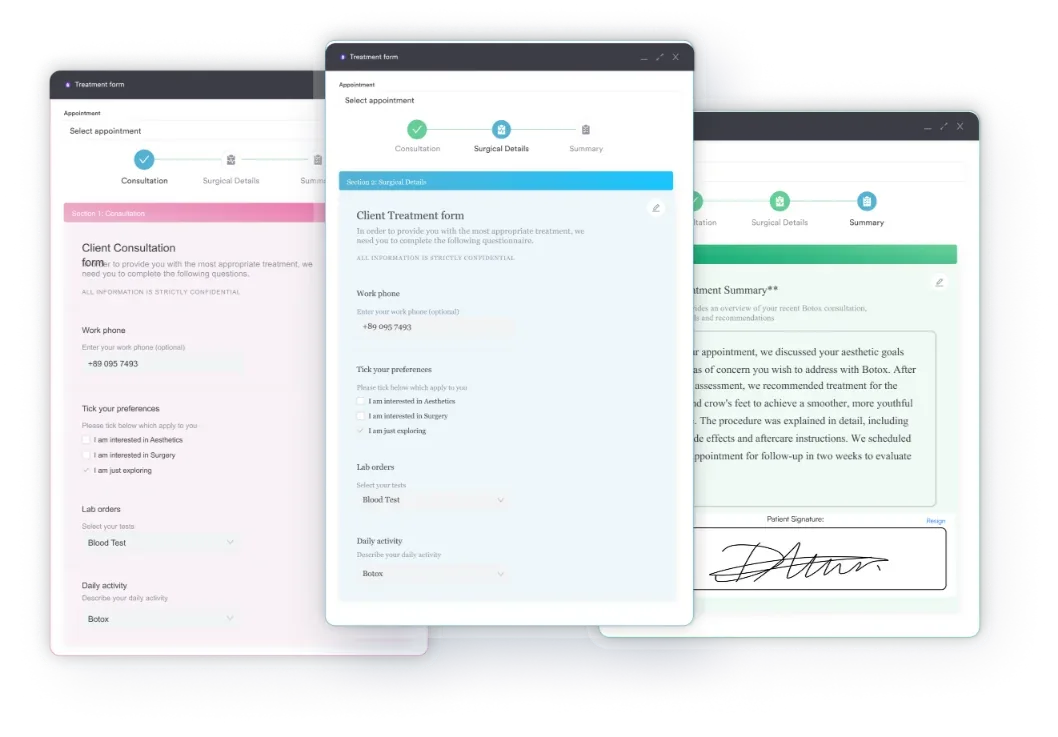
Maintaining consistent medical documentation workflows across all sessions reduces the risk of missing fields that trigger automatic denials. Pabau’s digital intake forms can be configured to capture these required data points at the point of care, mapping them directly to the claim fields.
For audit preparedness, retain session records for the period required by state law and payer contracts, typically a minimum of seven years for Medicaid claims.
A structured billing workflow prevents the errors that delay payment. Here is the sequence for a clean S9443 submission:
Practices using integrated claims management software can track each step of this workflow within the patient record, reducing the manual handoff between clinical notes and billing submissions that causes most coding errors.
To support patient compliance documentation alongside billing, record any patient education materials provided and note whether the patient completed the full session as planned.
S9443 claims fail for predictable reasons. Recognizing these patterns before submission saves time and protects revenue:
Medicare does not cover HCPCS Code S9443. S-codes are HCPCS Level II codes that are not recognized by the Medicare program. When providers attempt to bill S9443 to Medicare, the claim is rejected outright, not denied for medical necessity.
For Medicare patients who need lactation support, the practical alternatives are CPT codes 99401 and 99402 (preventive medicine counseling) billed under a physician’s or mid-level provider’s NPI. Telehealth-delivered lactation counseling for Medicare beneficiaries may have additional flexibility under post-pandemic telehealth extensions, though payer-specific verification is always required.
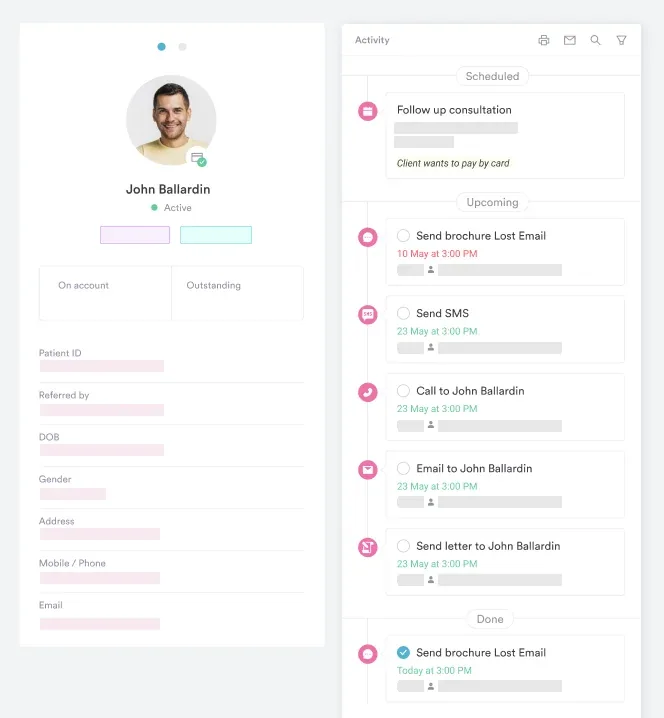
Practices managing a mixed payer mix should maintain separate billing logic for Medicare vs. Medicaid patients to prevent S9443 from being submitted to the wrong payer. Using patient records that flag insurance type at the point of scheduling helps billing staff select the correct code set before the claim is built.
For practices also handling HIPAA compliance in a medical office, maintaining separate documentation trails for Medicare and Medicaid billing reduces audit risk.
Run a monthly audit of all S9443 claims submitted in the previous 30 days. Filter by payer and check for any submissions sent to Medicare. Catching these before remittance review is faster than appealing after a rejection notice arrives.
HCPCS Code S9443 gives lactation consultants and IBCLCs a reimbursable pathway for the classes and education sessions they provide, but only when the claim is built correctly. Payer verification, accurate ICD-10 pairing, and complete session documentation are what separate clean claims from denials.
Pabau’s claims management software connects clinical session documentation directly to the billing workflow, so the credentials, diagnosis codes, and session notes your billing team needs are already in the system when they build the claim. To see how it works in a lactation or women’s health practice, book a demo.

Billing a vena cava filter procedure? Vena cava filter billing guide covers the coding steps for filter insertion and removal claims in UK private practice.
Billing a pleural catheter removal claim? Pleural catheter removal billing guide flags the consultant-only restriction insurers check before paying this claim.
Billing other HCPCS supply and DME codes? HCPCS Code B4159 covers enteral formula billing for DME suppliers.
HCPCS Code S9443 is used to bill lactation classes provided by a non-physician provider, per session. It covers individual or group lactation education services delivered by IBCLCs, registered nurses with lactation credentials, or other qualified non-physician lactation providers. The code is recognized primarily by Medicaid programs and some commercial payers.
IBCLCs credentialed by IBLCE are the most common billers of S9443. Registered nurses with lactation training, registered dietitians with a lactation credential, and certified lactation counselors may also qualify depending on the payer’s provider enrollment requirements. Eligibility varies by state and individual payer contract.
Many state Medicaid programs cover S9443, but coverage is not universal. States including Colorado explicitly include S9443 in their lactation services billing manuals. Coverage rules, session limits, and prior authorization requirements vary by state, so verify coverage with the specific state Medicaid plan before billing.
Yes, IBCLCs can bill S9443 to payers that recognize it, primarily state Medicaid programs and commercial insurers with ACA-compliant preventive care benefits. IBCLCs must be enrolled as providers with each payer before claims will be accepted. Some payers require supervision by a physician or additional credentialing steps for non-physician providers.
Z39.1 (encounter for care and examination of lactating mother) is the most commonly accepted primary diagnosis code with S9443. Other applicable codes include O92.3 (agalactia), O92.4 (hypogalactia), O92.79 (other disorders of lactation), and P92.5 (neonatal difficulty in feeding at breast) when the clinical situation warrants.
No. Medicare does not recognize S-codes, so S9443 claims submitted to Medicare are rejected. For Medicare beneficiaries needing lactation support, providers should bill CPT codes 99401 or 99402 (preventive medicine counseling) under an enrolled physician or mid-level provider’s NPI instead.
Required documentation includes the provider’s name, NPI, and credential; session date and duration; a description of services delivered; a supporting ICD-10-CM diagnosis code; place of service; and a prior authorization number if the payer requires one. Incomplete documentation is the leading cause of S9443 claim denials.



