

ICD-10 Code S42.444P: Medial epicondyle fracture, right humerus
ICD-10 Code S42.444P: full descriptor and code validity ICD-10 Code S42.444P car...

Last Updated: Oct 13, 2026
Billable Code Specific Code
O66.5 is the billable ICD-10-CM code for attempted application of vacuum extractor and forceps.
Let Pabau's smart automation suggest the right codes, reduce claim denials, and keep your practice compliant—effortlessly.
Automate repetitive tasks and focus on what matters most—your patients.
Reduce coding errors and ensure compliance with the latest regulations.
Clean claims, fewer denials, and faster reimbursements.
Powerful insights and reporting to help your practice thrive.
HIPAA compliant SOC 2 certified GDPR-compliant Trusted by 4,000+ clinics worldwide

ICD-10 Code O66.5 describes an attempted but unsuccessful application of a vacuum extractor or forceps during labor.
This is a billable ICD-10-CM diagnosis code valid for FY2026 HIPAA-covered transactions.
O66.5 applies to maternal records only and sits under parent category O66 (Other obstructed labor).
Pabau’s OB/GYN-ready EMR and claims management tools help obstetric practices document and bill O66.5 accurately.
The official ICD-10-CM description for O66.5 is Attempted application of vacuum extractor and forceps. The code applies only to maternal records, not newborn records. According to the CDC/NCHS ICD-10-CM web tool, O66.5 is billable for HIPAA-covered transactions during fiscal year 2026. If you work with OB/GYN practice software, knowing where this code sits in the hierarchy prevents billing errors before they reach the payer.
Use the table below as a quick reference before diving into the clinical and coding detail.
“Attempted application” has a precise clinical meaning. The instrument, whether a vacuum cup or obstetric forceps, was placed or partially applied but the delivery was not completed using that method. The physician may have abandoned the attempt due to failed traction, fetal position, maternal fatigue, or a decision to proceed with cesarean section instead.
This is distinct from a successful operative vaginal delivery, which would be coded elsewhere. The key distinguishing factor: the instrument did not result in delivery. Failed vacuum extraction and failed forceps application are listed as synonyms in ICD-10-CM includes notes for O66.5, confirmed on ICD10Data.com.
Coders managing obstetric documentation should note that O66.5 does not describe the delivery outcome itself. A separate delivery code captures how the birth occurred.
Reliable scheduling software for patients turns a pregnancy care pathway into booked visits your team doesn’t have to chase.
Understanding the hierarchy matters for sequencing and for identifying applicable instructional notes that cascade down from parent codes. The CMS ICD-10-CM annual update files confirm the following structure for O66.5.
This chapter-to-code structure repeats throughout ICD-10-CM, narrowing from chapter to block to category to individual billable code. Each parent level can carry instructional notes that apply to all child codes, including O66.5.
O66 covers a range of obstructed labor scenarios beyond failed instrument attempts. Knowing the siblings prevents miscoding when the documented clinical situation differs slightly from what O66.5 describes. You can verify the full range via the AAPC Codify ICD-10-CM lookup.
Coders reviewing O65.2 will recognize the same pattern: the sibling structure makes specificity possible, but only when the documentation supports the distinction. Where the record documents a fetal abnormality as the cause of the obstruction, O66.3 is coded alongside the failed instrument attempt.
Accurate assignment of O66.5 depends on what the physician documents, not on the coder’s clinical inference. Here is what the record must contain before this code can be assigned.
Supporting documentation should confirm each of the following before O66.5 goes on the claim. Organized patient record management makes this audit trail straightforward to reconstruct.
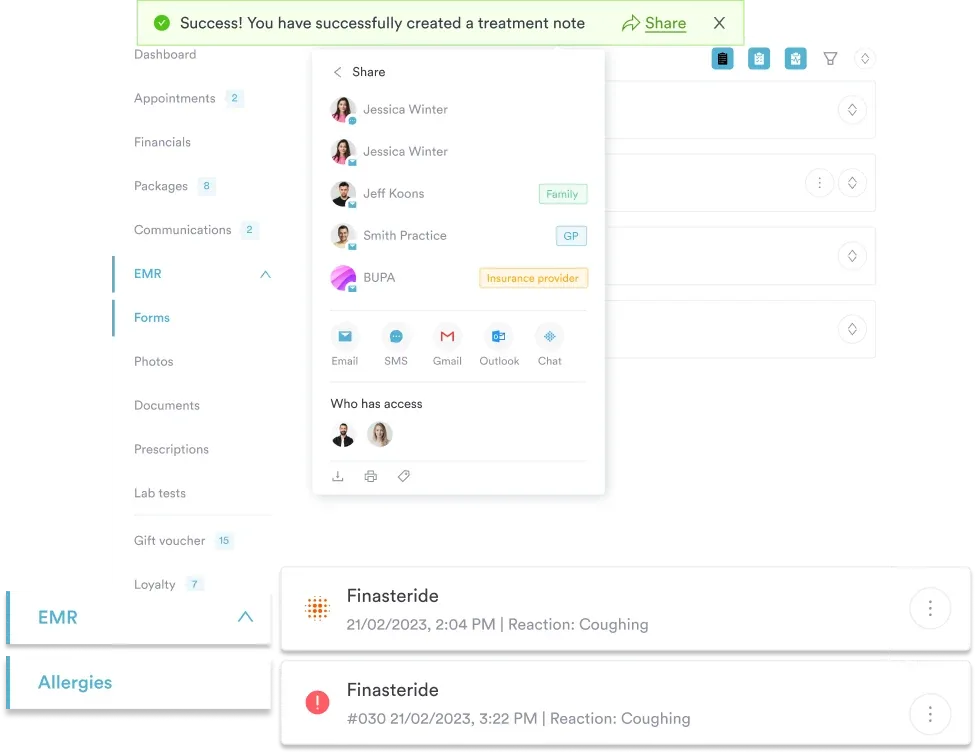
The ICD-10-CM Official Guidelines for Coding and Reporting (FY2026), maintained jointly by the NCHS and CMS, apply instructional notes at both the O66 category level and the O66.5 code level. Review both before assigning.
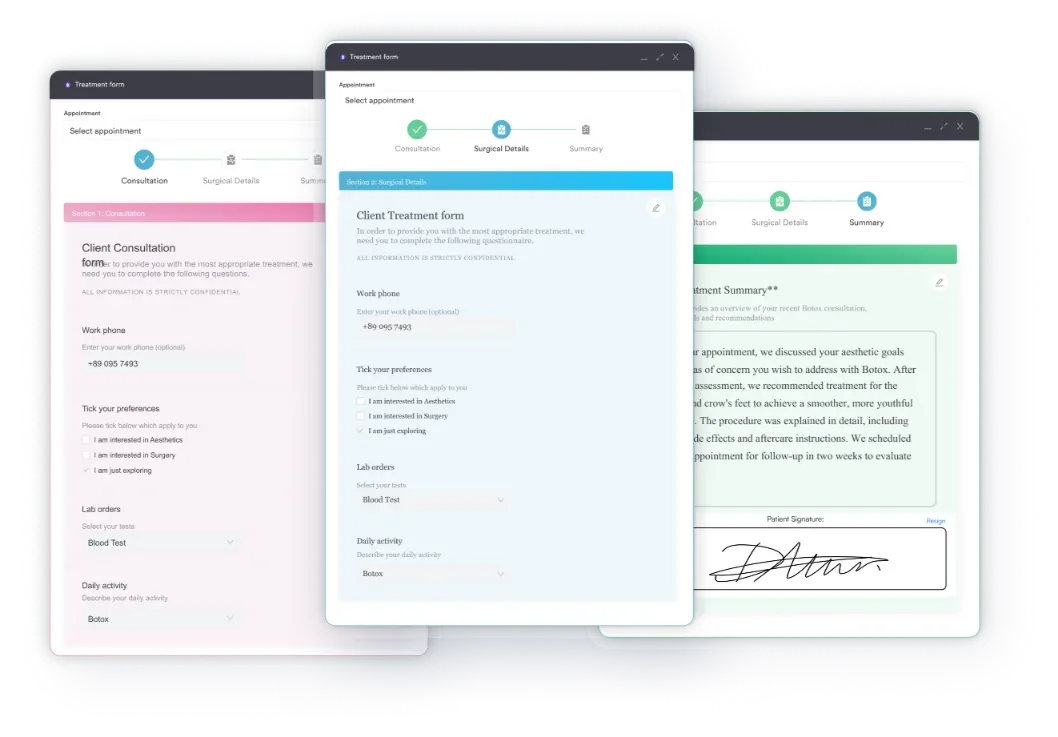
Practices using digital intake and consent forms can build structured obstetric delivery documentation templates that capture these data points at the point of care, so coding matches what was documented instead of being reconstructed later.
Flag O66.5 for dual-coder review when the delivery record shows both a vacuum and forceps attempt in sequence. The code covers combined attempts, but the physician note must document both instruments explicitly. Missing that detail creates the impression of a single-instrument attempt and may not fully represent the complexity of the encounter.
Practices still reconciling legacy billing data or running dual-coding audits need the ICD-9 equivalent. The General Equivalence Mapping (GEM) tables published by CMS map O66.5 as follows. The crosswalk is approximate: ICD-9 coding was less granular than ICD-10-CM, so the mapping should be treated as directional, not exact.
ICD-9-CM code 660.7 required a fifth digit to indicate the episode of care, such as 660.71 for delivered, with or without mention of antepartum condition. ICD-10-CM handles that context through code structure instead of a fifth digit, which matters when running retrospective audits across the transition period. The same fifth-digit-to-structure shift applies to O65.0 and its own ICD-9-CM crosswalk.
None of the reference databases that rank for O66.5 address the practical challenge facing obstetric billing teams: capturing the correct diagnosis code at the point of care, rather than reconstructing it during claim review. Documentation-first software is built to close exactly that distance.
Pabau’s claims management tools allow obstetric practices to build structured delivery documentation workflows that flag the specific clinical data points required before O66.5 can be assigned. Because the system ties clinical notes directly to billing, the coding is grounded in what the physician recorded, not in a coder’s after-the-fact interpretation.
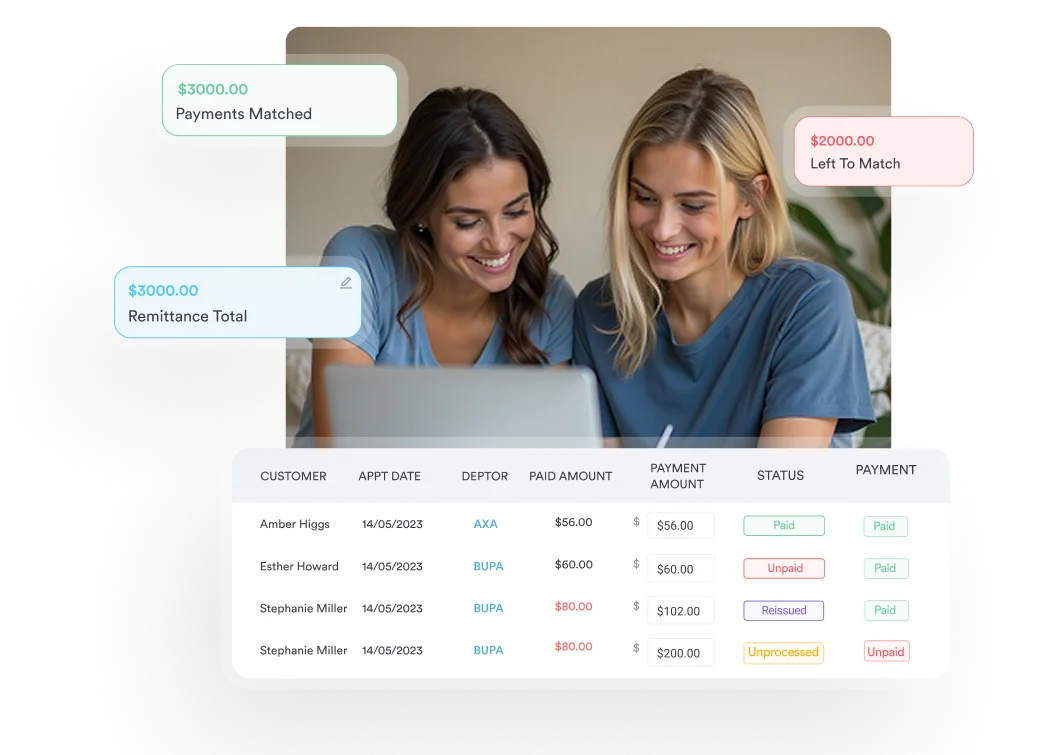
For practices running multi-provider obstetric departments. Pabau’s audit trail also satisfies the documentation standards that payers apply when reviewing obstetric claims post-adjudication.
The same digital forms engine lets teams build obstetric delivery checklists that prompt for instrument-attempt documentation at the point of care. Because forceps- and vacuum-assisted deliveries carry a well-documented risk of postpartum pelvic floor injury, practices tracking that outcome long-term may also want dedicated pelvic health software.

From structured delivery documentation to integrated claims management, Pabau helps OB/GYN practices capture the right diagnosis codes the first time.

When O66.5 appears on a claim, payers may cross-reference the final delivery code to confirm the attempt preceded a different delivery method. Code the delivery outcome on the same claim and document the timeline in the physician note. Sequencing inconsistencies are a common audit trigger on obstetric records.
ICD-10 Code O66.5 is a precise, billable code for a specific intrapartum event: an instrument was attempted and abandoned. Getting it right requires physician documentation of the attempt, the instrument used, the reason for abandonment, and the final delivery method. Miss any of those elements, and the claim becomes vulnerable at audit.
For obstetric teams who want documentation and coding working from the same source instead of two disconnected systems, Pabau’s integrated delivery documentation and claims management brings both into one workflow. Book a demo to see how it works for obstetric billing.

Coding for other specialties in the same practice? 98943 covers the documentation payers expect for extraspinal chiropractic manipulation.
Billing for durable medical equipment? A4614 explains coverage rules for a hand-held peak flow meter.
Need an anesthesia code reference? 00920 details anesthesia billing for male genitalia procedures.
ICD-10 Code O66.5 is a billable ICD-10-CM diagnosis code that describes an attempted application of a vacuum extractor or forceps during labor where the instrument-assisted delivery was not completed. It applies to maternal records and is valid for FY2026 HIPAA-covered transactions. Synonyms listed in the includes notes are failed vacuum extraction and failed forceps application.
Yes, O66.5 is a billable diagnosis code. It is valid for submission on HIPAA-covered transactions for fiscal year 2026, confirmed by the CDC/NCHS ICD-10-CM annual tabular list and CMS coding resources.
The ICD-9-CM equivalent of O66.5 is code 660.7, described as “Failed forceps or vacuum extractor, unspecified,” with the billable subcode 660.71 covering “delivered, with or without mention of antepartum condition.” The crosswalk is approximate because ICD-9 coding used fifth-digit episode-of-care conventions that ICD-10-CM structures differently. Verify against the CMS General Equivalence Mapping (GEM) tables for authoritative crosswalk data.
The physician note must document that a vacuum extractor or forceps was attempted, that the delivery was not completed by that method, and the reason the attempt was abandoned. The final delivery outcome (spontaneous vaginal, cesarean, or other method) must be coded separately on the same claim.
O66.5 specifically codes a failed attempt where the instrument was applied but delivery was not achieved. Successful operative vaginal deliveries using forceps or vacuum are coded under the O81 range instead, using the specific subcode for low, mid, or high forceps delivery, or vacuum extractor and combination delivery codes. The critical distinction is the outcome: O66.5 is for unsuccessful instrument application only.
Assign O66.5 when the intrapartum record documents a vacuum or forceps application that was abandoned before delivery was accomplished. It should appear alongside the code for the delivery mode itself and, where applicable, a code identifying any related complication or obstruction cause from the O66 sibling codes.




