ICD-10 Code S42.444P: Medial epicondyle fracture, right humerus
ICD-10 Code S42.444P: full descriptor and code validity ICD-10 Code S42.444P car...

Last Updated: Oct 13, 2026
Billable Code Specific Code
M94.0 is the billable ICD-10-CM code for chondrocostal junction syndrome [Tietze].
Most chest wall pain presentations are not cardiac. But the documentation challenge is real: coders and clinicians must rule out intercostal neuralgia and other musculoskeletal diagnoses before assigning a code, and a persistent misconception is that Tietze syndrome and costochondritis code differently. They do not - the ICD-10-CM Tabular List includes costochondritis directly under M94.0. Miscoding costs practices reimbursement and creates compliance exposure.
Let Pabau's smart automation suggest the right codes, reduce claim denials, and keep your practice compliant—effortlessly.
Automate repetitive tasks and focus on what matters most—your patients.
Reduce coding errors and ensure compliance with the latest regulations.
Clean claims, fewer denials, and faster reimbursements.
Powerful insights and reporting to help your practice thrive.
HIPAA compliant SOC 2 certified GDPR-compliant Trusted by 4,000+ clinics worldwide

ICD-10 code M94.0 is the billable diagnosis code for chondrocostal junction syndrome, also called Tietze syndrome.
The code is valid for FY2026, effective October 1, 2025, and requires no additional sub-code specificity.
Tietze syndrome and costochondritis both code to M94.0 – the ICD-10-CM Tabular List includes costochondritis under M94.0, and the Alphabetic Index confirms the same mapping. Visible or palpable swelling distinguishes the two conditions clinically, but it does not change the code.
Pabau’s integrated ICD-10 code search and claims management software help clinicians attach M94.0 at the point of documentation without leaving the patient record.
ICD-10 code M94.0 is a fully billable, valid-for-submission diagnosis code in the ICD-10-CM 2026 edition. According to the Centers for Medicare and Medicaid Services (CMS), the FY2026 edition became effective October 1, 2025. The code requires no additional sub-code specificity to submit a claim.
Chondrocostal junction syndrome, also called Tietze syndrome or Tietze disease, is a benign musculoskeletal condition involving painful swelling of one or more costal cartilages. The swelling is typically localized to the second or third costochondral junction, though it can affect adjacent junctions. Per the WHO ICD-10 browser, the defining clinical feature is acute onset of tenderness with palpable or visible swelling at the affected junction.
Onset is often sudden, and the condition most commonly affects young adults. Pain may radiate to the arm, shoulder, or neck, which is why the differential diagnosis from cardiac causes is clinically important. The condition is self-limiting in most cases, though episodes can recur.
Key clinical characteristics that support ICD-10 code M94.0:
M94.0 is not exclusive to presentations with swelling, however. As covered in the next section, the same code also applies to costochondritis.
This is one of the most persistent points of confusion in the M94 family, but it is a clinical distinction, not a coding one. Both conditions involve chest wall pain and costal cartilage tenderness, and only Tietze syndrome typically presents with visible or palpable swelling. Despite that clinical difference, the ICD-10-CM Tabular List carries an “Includes: Costochondritis” annotation directly under M94.0, and the Alphabetic Index maps “Costochondritis,” “Costal chondritis,” and “Chondritis, costal (Tietze’s)” all to the same code. Assigning M94.0 to a costochondritis diagnosis with no documented swelling is not a coding error – swelling is a useful clinical marker for telling the two conditions apart on exam, but it has no bearing on code selection. Practices handling physiotherapy clinic compliance requirements should still document the clinical presentation carefully, since it supports the diagnosis itself, even though it does not change which code applies. Documentation that arrives after the claim raises audit risk even when the coding was correct. Coders working across several specialties keep a coding reference to hand rather than searching the full manual.
The takeaway for coders: M94.0 is supported whether or not swelling is documented, because both Tietze syndrome and costochondritis are indexed to it. Query the provider only if the note is ambiguous about which chest wall diagnosis was actually made (or whether a cardiac, pulmonary, or infectious cause was ruled out) – not because swelling is absent. The presence or absence of swelling belongs in the clinical record as a diagnostic detail, but it is not a code-selection requirement.
Do not hold a claim with ICD-10 code M94.0 just because the encounter note reads ‘localized tenderness without swelling.’ Costochondritis is included under M94.0 in the ICD-10-CM Tabular List, so that phrasing still supports the code. Query the provider only if the note is unclear about which chest wall diagnosis was made.
In software built for chiropractic practices, M-code diagnoses drive care plans measured visit by visit.
Accurate ICD-10 code M94.0 assignment depends on what is documented in the encounter note. Three categories of documentation are needed: the presenting complaint, the physical exam findings, and the clinical reasoning that supports a Tietze syndrome diagnosis rather than a competing differential. Using digital intake forms that capture chest wall symptom onset, location, and duration at the point of patient intake makes this documentation easier for both clinicians and coders.

Maintaining HIPAA-compliant documentation standards is equally important when these records are shared with payers or auditors.
Required documentation elements for M94.0:

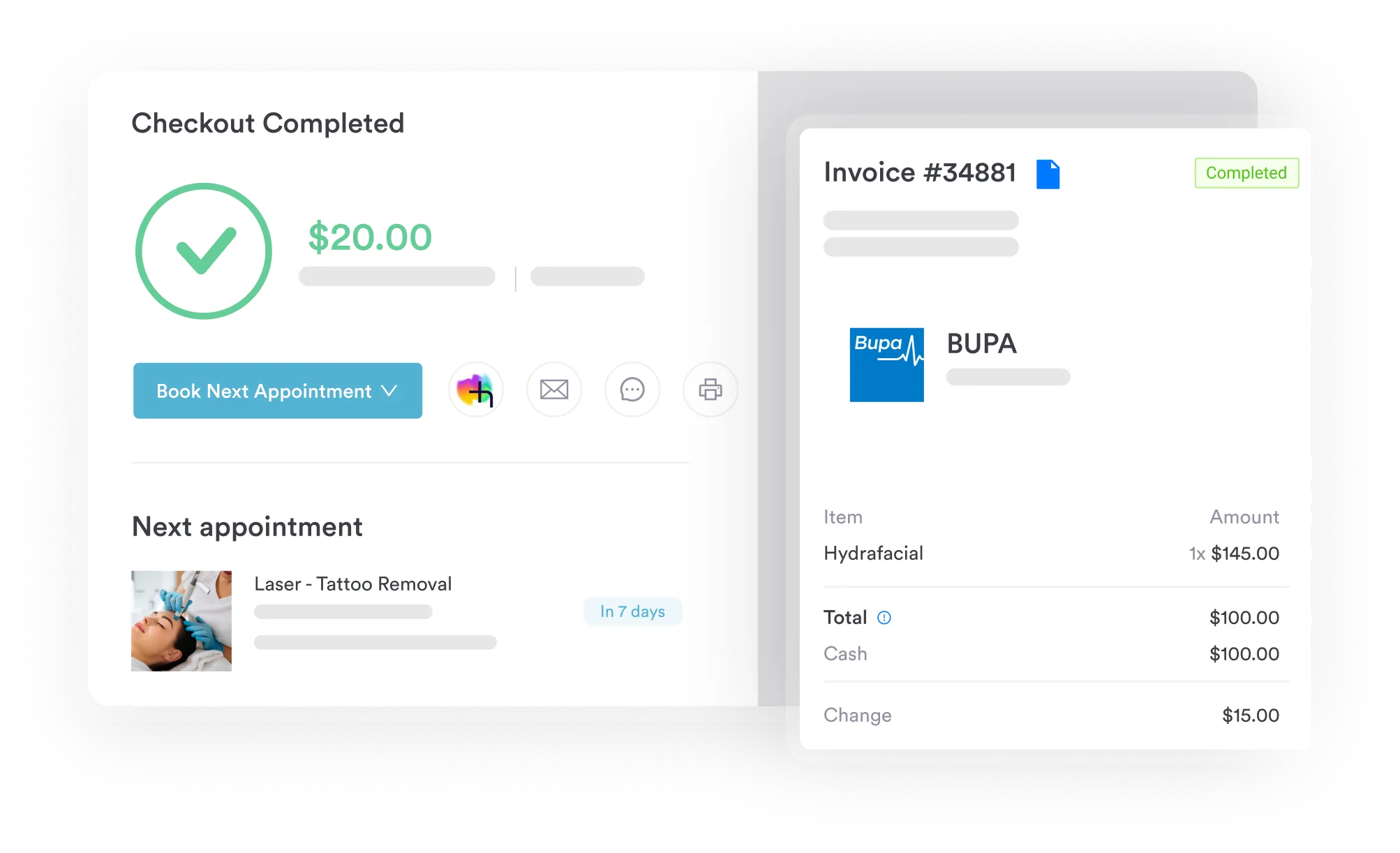
Pabau lets clinicians search and attach ICD-10 codes, including M94.0, directly within the clinical note workflow. No context-switching between systems. Documentation and code assignment happen in the same screen.

ICD-10 code M94.0 sits within the M94 category (Other disorders of cartilage), part of the M91-M94 Chondropathies block. Understanding the sibling codes helps coders select the most precise diagnosis and avoid unspecified codes when more detail is available. The CDC/NCHS ICD-10-CM web tool provides the full tabular hierarchy for cross-reference. Coders covering musculoskeletal conditions may also encounter ICD-10 coding for neurodevelopmental conditions with similarly close-neighbour code families that require careful selection.
Diagnosis codes are submitted alongside procedure codes on every claim. For ICD-10 code M94.0, the most common pairing is an evaluation and management (E/M) code, though physical therapy evaluation and injection codes also appear depending on the treatment plan. According to the AAPC Codify ICD-10-CM lookup, M94.0 is frequently paired with outpatient E/M services. Clinics offering physical therapy billing workflows should note that payer policies on PT evaluation codes paired with musculoskeletal diagnoses vary, and pre-authorization requirements should be checked by plan.
CPT code pairings listed here reflect commonly observed billing patterns and should be verified against current payer policies. Coverage for physical therapy codes and injection codes alongside M94.0 is payer-dependent and not universally guaranteed. The ResDAC ICD codes in Medicare files resource provides context on how diagnosis-procedure pairings appear in Medicare claims data. Also review ICD List for code edits that may affect pairing logic with specific payers.
Clinics that handle musculoskeletal diagnoses face a consistent workflow problem: the coder needs documentation that the clinician wrote during a time-pressured encounter. When the note is vague, the code gets queried, the claim is delayed, and the revenue cycle stalls. Pabau addresses this at the point of documentation rather than at the billing desk.
Pabau’s claims management software links diagnosis code selection directly to the clinical encounter, so M94.0 can be attached to the note as the clinician completes it, not retroactively by a biller working from a printed superbill. The structured client records system captures physical exam findings, including swelling characterization, in a consistent format that coders can quickly verify – useful for distinguishing Tietze syndrome from costochondritis clinically, even though both conditions are billed under ICD-10 code M94.0.
For practices building out their clinical workflows, Pabau’s documentation approach turns the M94.0 requirement checklist from a post-encounter audit task into a natural part of the note itself. Clinicians working in physical therapy billing practices and primary care settings alike benefit from this integration. Practices interested in building efficient documentation workflows can also explore resources on opening a physical therapy practice and how practice management software supports billing accuracy from day one.
Practices seeing ICD-10 code M94.0 alongside ICD-10 codes for mental health conditions or other comorbidities will also benefit from Pabau’s ability to attach multiple diagnosis codes per encounter, keeping the billing workflow clean across complex presentations.
ICD-10 code M94.0 is straightforward once the “Includes” note is understood: both Tietze syndrome and costochondritis are indexed to it, so swelling is a clinical detail rather than a code-selection gate. The more common error is assuming costochondritis needs a different code and defaulting to M94.8×9 or M94.9 instead. Documenting the clinical presentation clearly at the point of care still matters for the medical record – it just does not change which code applies.
Pabau’s integrated ICD-10 code search and claims management software help clinicians and coders stay aligned from the moment the note is written. To see how that works in a live clinical workflow, book a demo.

Treating the late effect of a hip foreign body? Hip foreign body sequela code It codes the late effect of a healed superficial foreign body injury to the hip.
Coding anxiety triggered by a specific event? Situational anxiety ICD-10 code It explains why no dedicated code exists and how to pick the closest accurate option.
Seeing a patient back for a hip wound check? Hip puncture wound follow-up code It applies to wound checks and suture removal after the initial hip puncture treatment ends.
ICD-10 code M94.0 is the billable diagnosis code for chondrocostal junction syndrome, also known as Tietze syndrome. It also covers costochondritis: the ICD-10-CM Tabular List carries an “Includes: Costochondritis” note directly under M94.0, and the Alphabetic Index maps costochondritis to the same code. The code applies whether or not the encounter note documents visible or palpable swelling – swelling helps distinguish the two conditions clinically, but it is not a requirement for the code.
Yes. M94.0 is a fully billable, specific ICD-10-CM code valid for reimbursement submission in FY2026 (effective October 1, 2025). It requires no additional sub-code and can be submitted as a stand-alone diagnosis code on a claim.
The key clinical difference is swelling: Tietze syndrome typically presents with visible or palpable swelling at the costal cartilage junction, while costochondritis usually presents with tenderness alone. That difference matters for the clinical picture, but not for coding – the ICD-10-CM Tabular List’s “Includes” note and Alphabetic Index both map costochondritis to M94.0, the same code used for Tietze syndrome.
The most common pairings are evaluation and management codes 99213 and 99214 for office visits. Physical therapy evaluation codes 97161 and 97162 are also used when PT is part of the treatment plan, though payer authorization requirements vary. Injection code 20605 may apply if a corticosteroid injection is performed at the costal cartilage junction.
Yes. The ICD-10-CM 2026 edition, effective October 1, 2025, retains M94.0 as a valid, billable code with no changes to its description or billability status.
Physical therapists can use M94.0 as a diagnosis code on PT claims, but coverage depends on payer policy. Medicare and many commercial payers require the referring or treating physician to have established the diagnosis. PT practices should verify authorization and coverage requirements with each payer before submitting M94.0 claims.