Tebra (formerly Kareo and PatientPop) targets US independent physician practices, but leaves aesthetic, wellness, and international clinics underserved.
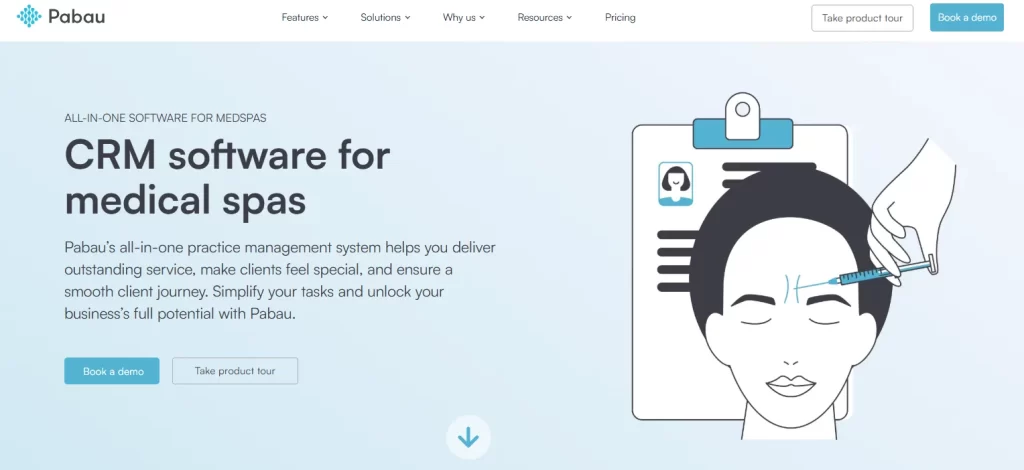
Pabau leads this list because it combines EHR, scheduling, billing, and before/after photo tools in one platform built specifically for multi-specialty and aesthetic clinics.
Tebra pricing is reported around $1,200/month for multi-provider practices; several alternatives here cost significantly less with more transparent pricing models.
SimplePractice and Jane App earn the highest user ratings in this comparison (4.6-4.8 on Capterra), both strong for allied health and behavioral health settings.
Found our content helpful?
Best Tebra Alternatives: A Quick Comparison of Top Options
Tebra was supposed to simplify life for independent practices. Instead, many clinic owners find themselves paying high monthly fees, navigating opaque pricing structures, and dealing with support delays that slow down billing and patient care. If you’re evaluating tebra alternatives, you’re not alone. Practices across aesthetics, allied health, mental health, and primary care are actively switching to platforms better suited to their workflows and budgets.
This guide covers six strong tebra alternatives across different specialties and practice sizes: Pabau, DrChrono, SimplePractice, NextGen Healthcare, Jane App, and Carepatron. Each product profile follows the same structure so you can compare apples to apples. Whether you’re running a med spa, a mental health group practice, or a multi-location specialist clinic, one of these platforms will fit better than Tebra.
iPad-native EHR with strong US billing integrations
Contact for pricing
3.9/5
SimplePractice
Solo and small mental/behavioral health practices
Telehealth + insurance billing for therapy practices
Contact for pricing
4.6/5
NextGen Healthcare
Mid-size specialty physician practices
Specialty-specific EHR templates and interoperability
Contact for pricing
3.6/5
Jane App
Allied health and wellness clinics
Outstanding scheduling UX with built-in telehealth
Contact for pricing
4.8/5
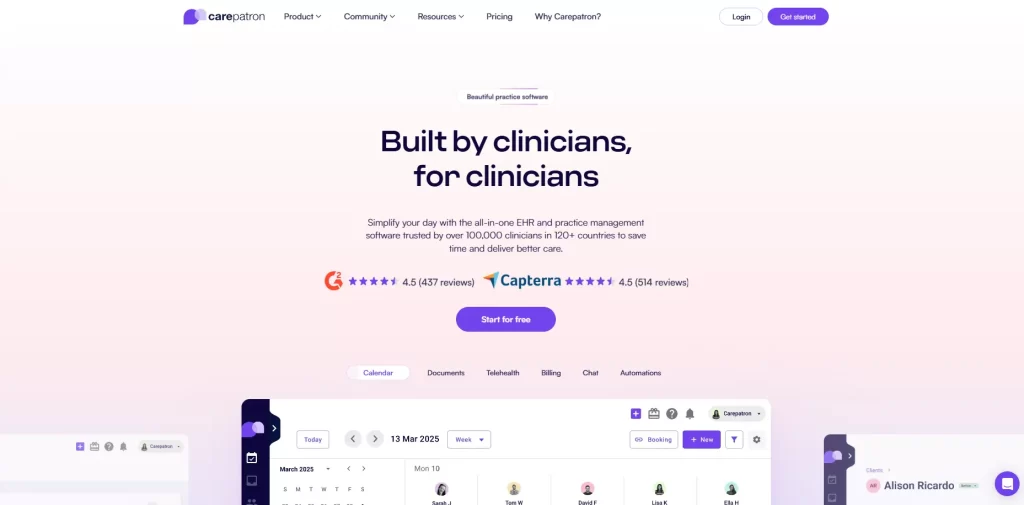
Carepatron
Solo practitioners and budget-conscious small teams
Free plan available with modern clean interface
Free plan available
4.5/5
Pabau: Best Tebra Alternative for Aesthetic and Multi-Specialty Clinics
Pabau is an all-in-one clinic management platform built for practices that need more than a generic EHR, and it ranks among the top clinic management software solutions for that reason. Medi-aesthetic clinics, GP clinics, skin clinics, cosmetic surgery practices, med spas, and pharmacies all use Pabau because it handles the operational reality of those settings in ways that physician-focused platforms simply don’t. Where Tebra is built around US insurance billing workflows, Pabau centers its design on the client journey: from online booking and digital intake through clinical charting, treatment photography, and automated follow-up. For any practice evaluating tebra alternatives with an eye toward aesthetic or private-pay workflows, Pabau belongs at the top of the list.
Key Features
Before/after photo management: Integrated photo tools with comparison views, built directly into the client record
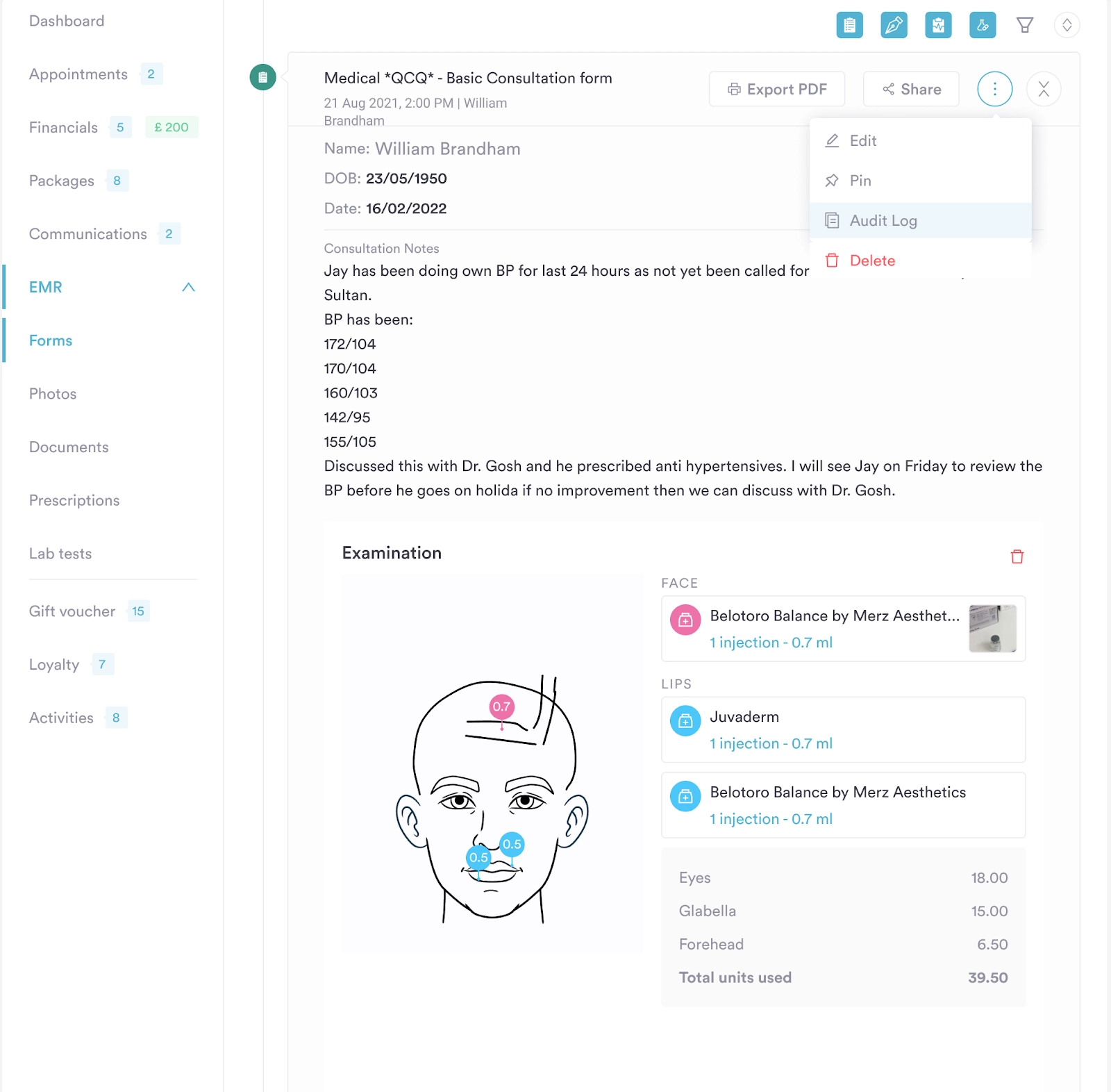
Injection plotting: Visual face-mapping tools for documenting cosmetic treatment placement
Customizable clinical forms: Build digital consent forms, intake questionnaires, and treatment notes without coding
Automated workflows: Recall reminders, post-care instructions, and follow-up messages triggered automatically by appointment type
Online booking with deposits: Branded booking portal with cancellation policy enforcement and deposit collection
Multi-location management: Centralized calendar, reporting, and staff management across multiple clinic sites
Integrated invoicing and payments: Private-pay billing with Stripe integration and point-of-sale support
Pabau Scribe: AI-powered clinical note generation and documentation assistance
Pricing
Plan
Price
Who It’s For
Key Features
Custom
Contact Pabau for pricing
Clinics of all sizes
Full platform access; per-location subscription model with no revenue-share fees
Where Pabau Shines
Aesthetic-specific clinical tools: Injection plotting, before/after photo comparison, and cosmetic consent forms are native, not bolt-ons. No other platform in this comparison offers this depth for procedure-based documentation. Aesthetic clinics outgrowing salon-booking tools like GlossGenius hit a similar clinical-depth gap; our GlossGenius alternatives guide covers platforms built for that move.
Automation breadth: From recall messages to pre-care instructions, Pabau automates the repetitive client communication that drains staff time at most practices. The automated workflows engine handles triggers based on appointment type, service, or time elapsed.
Multi-specialty flexibility: Physical therapy, women’s health, IV therapy, mental health, GP, and cosmetic surgery practices all run on the same platform. One system across departments or specialties rather than separate tools per team.
Private-pay billing built in: For clinics that operate on self-pay or package-based models, Pabau’s integrated payment processing and invoicing eliminate the need for a separate billing system.
International reach: Unlike most tebra alternatives, Pabau operates across the UK, US, Europe, UAE, South Africa, and other markets. Clinics with international locations don’t need separate regional systems.
Where Pabau Falls Short
US insurance billing depth: Pabau submits US insurance claims through its built-in Claim.MD clearinghouse integration – electronic claims to thousands of payers, real-time eligibility checks, claim status tracking, and ERA remittance. It is not, however, a dedicated RCM platform: practices that want outsourced denial management or a full revenue-cycle service should still compare DrChrono or NextGen Healthcare.
Learning curve on setup: The breadth of features means initial configuration takes time. Practices migrating from simpler tools may find the onboarding process more involved than expected.
Customer Reviews
According to Capterra reviewers, Pabau earns 4.5 out of 5 based on over 370 verified reviews. Positive feedback consistently highlights the all-in-one nature of the platform and strong onboarding support. On G2, Pabau holds a 4.3 rating. Common themes in positive reviews include before/after photo tools and client management depth. Some reviewers note a learning curve for new users and limited functionality for US insurance billing workflows.
Who Pabau Is Best For
Aesthetic clinics and med spas needing procedure-specific charting and photo documentation
Multi-specialty practices running cosmetic, GP, and allied health services under one roof
Private-pay and international clinics, plus US practices billing insurance through Pabau’s built-in Claim.MD clearinghouse integration
From aesthetic-specific clinical tools to automated patient journeys, Pabau handles the workflows Tebra can’t. Book a demo to see the platform built for your specialty.
DrChrono: Best Tebra Alternative for Mobile-First Physician Practices
DrChrono, now part of EverCommerce’s EverHealth solutions, built its name on a genuinely mobile-first EHR experience optimized for iPad. For US-based physician practices that see patients on the go or need a clean tablet-native charting experience, it remains one of the more practical tebra alternatives in the market. The platform covers EHR, practice management, medical billing, and revenue cycle management, and its customizable clinical templates work well across multiple physician specialties.
Since both platforms target US physician practices, it helps to see Tebra and DrChrono compared directly on documentation, billing, and pricing. And if DrChrono itself falls short for you, there are several strong DrChrono alternatives to consider.
Key Features
iPad-native EHR: Clinical charting designed for tablet use with offline capability
Customizable templates: Build specialty-specific note templates for any physician workflow
US billing integrations: Clearinghouse connections for Medicare, Medicaid, and commercial insurers
Revenue cycle management: Optional RCM services for practices that want to outsource billing
Patient scheduling and portal: Appointment management and patient self-service access to records
Pricing
Plan
Price
Who It’s For
Key Features
Custom
Contact DrChrono for rates
US physician practices
EHR, practice management, billing, and optional RCM services
Where DrChrono Shines
Mobile experience: The iPad-native design is genuinely good for physicians who chart at the point of care rather than at a desk
Billing depth for US practices: Strong clearinghouse and insurance billing infrastructure for Medicare and commercial payers
Template customization: Clinical note templates can be built to match any specialty without developer support
Where DrChrono Falls Short
Support wait times: Customer reviews frequently cite slow response times when billing issues or sync errors arise
Pricing transparency: Like Tebra, DrChrono does not publish pricing publicly, which complicates budget planning
Mobile sync reliability: Some users report occasional sync issues between the iPad app and the web platform
Customer Reviews
According to Capterra reviewers, DrChrono holds a 3.9 out of 5 rating. On G2, reviewers give it 3.6 out of 5. Positive themes include the mobile charting experience and billing integration quality. Negative themes center on customer support responsiveness and pricing opacity, similar concerns to those raised about Tebra itself.
Who DrChrono Is Best For
US-based physician practices that rely heavily on iPad-based point-of-care charting
Practices with complex US insurance billing needs and strong clearinghouse requirements
SimplePractice: Best Tebra Alternative for Mental and Behavioral Health
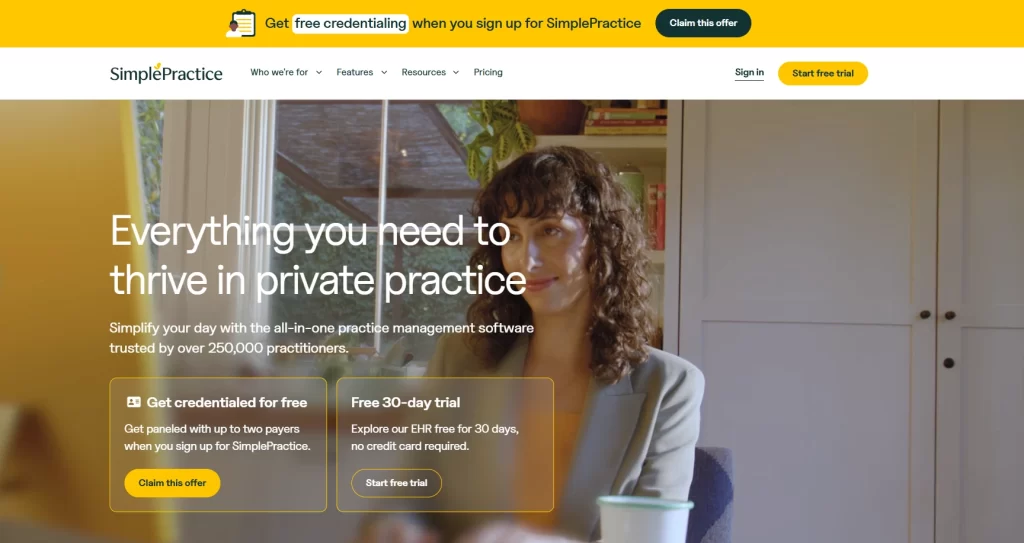
SimplePractice earns consistently high user satisfaction scores and has built a loyal following among mental health and therapy practices. It reportedly serves 250,000 or more practitioners according to the SimplePractice website, a scale that reflects genuine product-market fit in the behavioral health space. For practices running individual therapy, group therapy, or allied health services, it offers a clean and reliable platform. As a tebra alternative, it works best for solo or small practices in mental health, not multi-specialty clinics with complex billing or procedure-based documentation needs.
Key Features
Telehealth integration: Built-in HIPAA-compliant video sessions with no third-party tool required
Insurance claim filing: Streamlined claims submission for mental health billing codes
Client portal: Secure messaging, document sharing, and appointment requests in one portal
AI note-taking: AI-assisted session notes to reduce documentation time after appointments
Scheduling and reminders: Automated appointment reminders and calendar management
Pricing
Plan
Price
Who It’s For
Key Features
Custom
Contact SimplePractice for rates
Solo and group therapy practices
EHR, telehealth, insurance billing, client portal, AI notes
Where SimplePractice Shines
Ease of use: Widely cited as one of the most intuitive platforms in this comparison, especially for solo practitioners transitioning from paper records
Telehealth quality: Native video sessions with no external tool requirement is a meaningful operational advantage for therapy practices
Behavioral health billing: Insurance claim submission for mental health CPT codes is well-handled and reliable
Where SimplePractice Falls Short
Specialty limitations: SimplePractice is primarily built for behavioral health. Medical specialties, aesthetics, or procedure-based practices will find it inadequate for clinical documentation needs
Group practice cost: Pricing increases meaningfully at the group level, which limits scalability for growing practices
Customer Reviews
According to Capterra reviewers, SimplePractice earns 4.6 out of 5, one of the highest ratings in this comparison. On G2, it holds a 4.2 rating. Users consistently praise ease of use and telehealth functionality. The main friction point in reviews involves limited flexibility for non-behavioral health specialties and the cost at group practice scale.
Who SimplePractice Is Best For
Solo therapists, counselors, and psychologists looking for a clean, reliable practice management solution
Small behavioral health group practices with straightforward insurance billing needs
NextGen Healthcare: Best Tebra Alternative for Mid-Size Specialty Practices
NextGen Healthcare positions itself at the more enterprise end of tebra alternatives, targeting mid-size specialty physician practices that need deep EHR customization and robust interoperability. The platform covers practice management, clinical documentation, revenue cycle management, and HL7/FHIR interoperability standards as required by ONC guidelines, placing it among the top practice management software solutions for enterprise specialty groups. For larger specialty groups, it offers the depth that simpler platforms can’t. The trade-off is implementation complexity and support variability.
Key Features
Specialty-specific EHR templates: Pre-built note and workflow templates for dozens of physician specialties
RCM and billing: Integrated revenue cycle management with clearinghouse connections and denial management
Interoperability: HL7 and FHIR-compliant data exchange for care coordination across health systems
Patient engagement tools: Portal, appointment reminders, and online scheduling
Pricing
Plan
Price
Who It’s For
Key Features
Custom
Contact NextGen for rates
Mid-size specialty physician groups
Full EHR, RCM, interoperability, patient engagement
Where NextGen Healthcare Shines
Specialty depth: Template library and workflow configuration for specialty physician practices is broad and well-developed
Interoperability: Better-than-average data exchange capabilities for practices operating within larger health networks
Where NextGen Healthcare Falls Short
Steep learning curve: Implementation typically takes months, and staff training requirements are significant
Support inconsistency: Review data reflects mixed experiences with support quality, a recurring concern in user feedback
Customer Reviews
According to Capterra reviewers, NextGen Healthcare holds a 3.6 out of 5 rating. On G2, it scores 3.8. Positive themes include the depth of specialty templates and billing functionality. Negative themes center on implementation duration and support responsiveness, issues that parallel common criticisms of Tebra.
Who NextGen Healthcare Is Best For
Mid-size to large specialty physician practices with dedicated IT resources for implementation
Practices that need ONC-certified EHR functionality and health system interoperability
Jane App: Best Tebra Alternative for Allied Health and Wellness Clinics
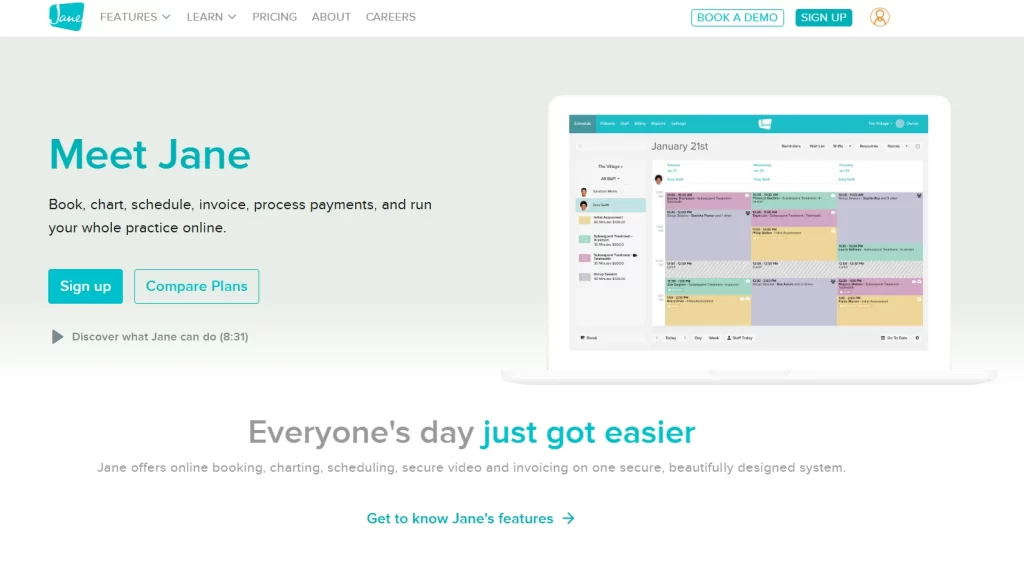
Jane App earns the highest user ratings in this comparison, with a 4.8 on Capterra. For allied health and wellness practices including physiotherapy, chiropractic, naturopathy, and massage therapy, it offers a genuinely well-designed scheduling and clinical documentation platform. Compare it directly with Pabau at Pabau vs Jane App for a feature-by-feature breakdown. Among tebra alternatives, Jane App stands out for the quality of its booking experience and its active user community, though it has limited US insurance billing support and doesn’t scale well to large multi-location medical practices.
Key Features
Scheduling UX: Highly intuitive appointment booking and calendar management praised consistently in reviews
Telehealth: Built-in video sessions integrated with the appointment workflow
Online booking: Branded booking portal with automated intake and consent forms
SOAP notes: Clinical note templates well-suited to allied health practitioners
Patient portal: Secure access to records, invoices, and appointment history
Scheduling experience: Consistently the most praised aspect in reviews; the booking flow for patients and staff is clean and reliable
Allied health focus: Note templates, billing structure, and workflow design fit physiotherapy, chiropractic, and wellness practices well
Where Jane App Falls Short
US insurance billing: Jane App has limited support for US insurance claim submission, making it less suitable for insurance-dependent practices
Scale limitations: Better suited to single or small multi-location practices; large or complex medical groups may hit feature ceiling
Customer Reviews
According to Capterra reviewers, Jane App holds an impressive 4.8 out of 5. On G2, it earns a 4.7. Ease of use and scheduling quality dominate positive reviews. Gaps in US insurance billing and limitations for larger practices appear as recurring themes in critical feedback.
Who Jane App Is Best For
Allied health clinics, physiotherapy practices, and wellness studios that prioritize scheduling and patient experience over billing complexity
Practitioners who value community, onboarding resources, and software that stays out of their way
Pro Tip
Audit your top three billing denial reasons before selecting any tebra alternative. If denials trace to coding errors or clearinghouse issues, prioritize DrChrono or NextGen. If they trace to documentation gaps or late claim submission, scheduling-focused platforms like Jane App or practice management tools like Pabau may fix the root cause more effectively.
Carepatron: Best Budget-Friendly Tebra Alternative for Solo Practitioners
Carepatron takes a different approach from most platforms in this list. It offers a free entry tier, a modern interface, and a simplified feature set that suits solo practitioners and very small practices that find Tebra’s cost and complexity unjustifiable for their scale. The Carepatron alternatives guide covers additional options if you need more depth than Carepatron provides. As a standalone tebra alternative for a solo clinician running a small caseload, it delivers genuine value, though it lacks the billing depth and integration ecosystem of more enterprise-grade options.
Key Features
Free plan: Core scheduling, notes, and client management available without a subscription fee
Modern interface: Clean, intuitive design that reduces the learning curve for new users
Client management: Basic client records, appointment scheduling, and communication tools
Document management: File storage and form sharing for client intake and consent
Pricing
Plan / Tier
Price
Details
Free
$0/month
Unlimited clients; telehealth; 1GB storage; AI scribe
Plus
$22/month per user
Save 50% for 6 months
Advanced
$27/month per user
Save 50% for 6 months
Custom/Enterprise
Contact sales
No specific price listed
Where Carepatron Shines
Zero-cost entry: The free plan is a genuine starting point for solo practitioners who want to digitize without an upfront commitment
Interface quality: One of the cleaner UX experiences in the affordable segment of practice management software
Where Carepatron Falls Short
Billing limitations: Carepatron does not offer the billing depth of dedicated practice management systems; insurance billing workflows are limited
Integration gaps: Fewer third-party integrations than most competitors, which constrains practices that rely on connected health IT tools
Customer Reviews
According to Capterra reviewers, Carepatron holds a 4.5 out of 5. On G2, reviewers give it a 4.6. Ease of use and the value of the free plan appear consistently in positive reviews. Advanced billing limitations and integration gaps are the most common concerns in critical feedback.
Who Carepatron Is Best For
Solo practitioners who want a clean, modern tool without Tebra’s complexity and cost
Practices in early stages looking to test digital workflows before committing to a full platform investment
How to Choose the Right Tebra Alternative for Your Practice
The right choice among these tebra alternatives depends on what specifically isn’t working with your current setup. Tebra’s most commonly cited problems cluster around three areas: pricing opacity, support quality, and limited fit for non-physician or non-US workflows. Use the following criteria to narrow your selection.
Specialty fit: Aesthetic and private-pay clinics should evaluate Pabau first. Mental health and therapy practices will find SimplePractice or Jane App better-suited. Physician practices needing US insurance billing should look at DrChrono or NextGen Healthcare.
Billing model: If your practice submits US insurance claims, you need a platform with clearinghouse integrations. If you operate on self-pay or private-pay, billing complexity is less critical and workflow automation matters more.
Practice size and scale: Solo practitioners can start with Carepatron at no cost. Growing multi-location practices should evaluate platforms like Pabau with built-in multi-location management from day one.
International operations: Most tebra alternatives in this list are US-centric. Pabau is the primary option for clinics operating across the UK, Europe, UAE, or other international markets.
Implementation timeline: NextGen Healthcare involves months of implementation. Pabau, Jane App, SimplePractice, and Carepatron are more accessible to configure and launch within weeks.
If you’re evaluating platforms across multiple criteria and want a single platform that handles clinical documentation, patient engagement, billing, and operations without vendor lock-in, Pabau covers the most ground for aesthetic, private-pay, and multi-specialty settings. For a full breakdown of how Pabau compares to Tebra directly, visit the Pabau vs Tebra comparison page.
Continue your research
Curious what Fresha charges each month?Fresha pricing breakdown covers Fresha’s $19.95 solo plan, per-team-member pricing, and its 20% new-client fee.
Want a deeper look at how Pabau stacks up against Tebra feature-by-feature?Pabau vs Tebra breaks down the key differences in clinical tools, billing, and patient engagement.
Evaluating Jane App as part of your shortlist?Jane App Alternatives covers additional platforms for allied health and multi-specialty clinics considering their options.
Choosing between Jane App and SimplePractice?Jane App vs SimplePractice compares which EHR suits solo mental health billing versus multidisciplinary scheduling needs.
Conclusion
Tebra works for a specific type of practice: US-based, insurance-dependent, physician-led. Outside that profile, the cost-to-value ratio becomes harder to justify. For aesthetic clinics, allied health practices, international operations, and private-pay models, the tebra alternatives in this list offer better fits at comparable or lower price points. Aesthetic teams leaving a salon booking marketplace face the same calculus, which is why we also round up the Treatwell alternatives for aesthetic clinics.
Among the options here, Pabau addresses the widest range of clinic types. Its combination of before/after photo tools, digital intake forms, automated workflows, and multi-location management is purpose-built for the kinds of practices that outgrow Tebra fastest. To see how Pabau handles your specific clinic workflows, book a demo with the team.
Frequently Asked Questions
What are the best alternatives to Tebra for small medical practices?
For small medical practices, the strongest tebra alternatives depend on specialty. Carepatron offers a free entry tier for solo practitioners. SimplePractice is excellent for mental and behavioral health solo or small group practices. Jane App suits small allied health clinics well. Pabau fits small aesthetic and private-pay practices that need more clinical depth than general-purpose tools provide.
What software replaced Kareo and PatientPop?
Tebra was formed from the merger of Kareo (EHR and billing) and PatientPop (patient acquisition and online presence tools). Tebra now operates as the unified platform. Practices that used Kareo specifically for billing workflows often find DrChrono or NextGen Healthcare to be the closest operational equivalents.
Is there a cheaper alternative to Tebra for independent practices?
Yes. Some Tebra users report costs around $1,200 per month for multi-provider practices. Carepatron offers a free tier. Jane App, SimplePractice, and Pabau all offer more predictable subscription pricing without the revenue-share billing fees that can inflate Tebra’s total cost. Exact pricing varies by practice size and feature tier; request quotes from each vendor to compare.
How does Tebra compare to SimplePractice?
Tebra targets physician-led independent practices with US insurance billing infrastructure. SimplePractice focuses on behavioral health, with stronger telehealth integration and a cleaner interface for solo therapists. SimplePractice consistently scores higher in user satisfaction. Tebra has more depth for multi-provider physician practices with complex insurance billing workflows, though at significantly higher reported cost.
Can Pabau handle US practices as a Tebra alternative?
Pabau is a strong tebra alternative for US-based aesthetic, med spa, private-pay, and multi-specialty clinics. US insurance claims run through Pabau’s built-in Claim.MD clearinghouse integration, with electronic submission to thousands of payers, real-time eligibility checks, and ERA remittance. Practices that want a fully outsourced revenue-cycle service can still compare DrChrono or NextGen Healthcare against their billing requirements.