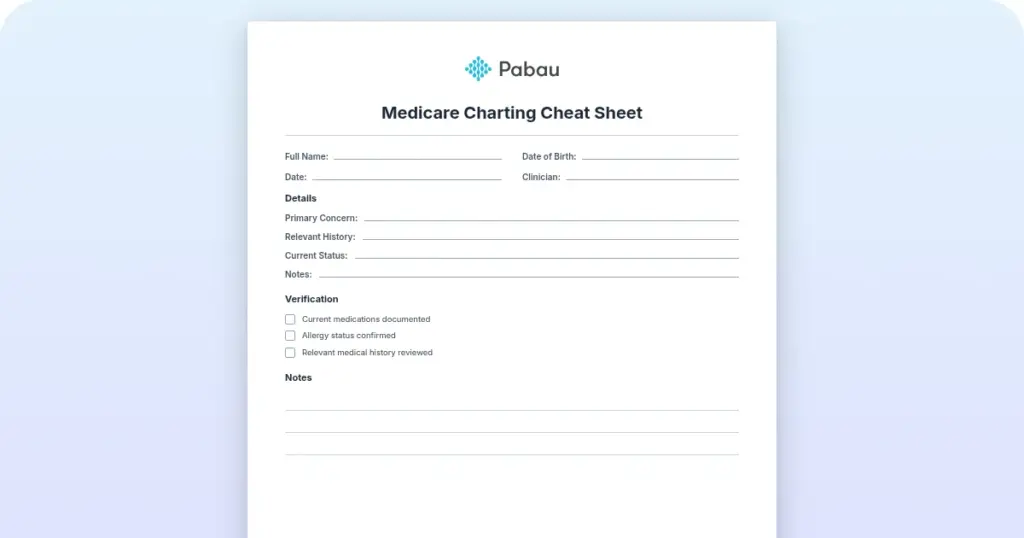
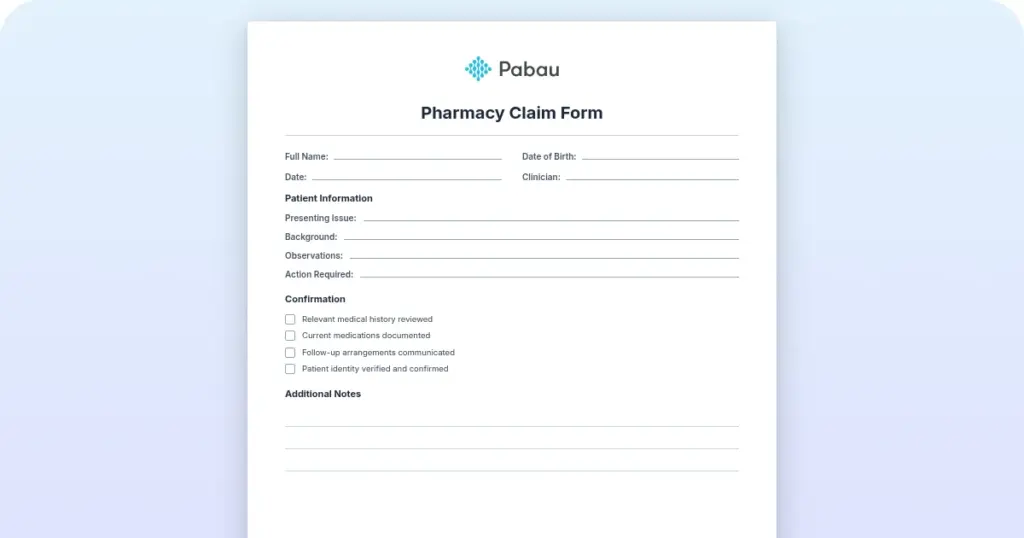
Medicare charting cheat sheet
A Medicare charting cheat sheet is a one-page reference that lists what Medicare...

2
Last Updated: Oct 21, 2026

Pabau: Best Semble alternative for medical-first practices that want clinical workflows, automation, and built-in growth tools in one platform.
Cliniko: Best for small healthcare practices that want simple scheduling and clinical notes without advanced marketing or analytics.
Jane: Best for allied health and therapy practices that prioritize ease of use over scalability.
Fresha: Best for salons and non-medical wellness businesses, but not built for regulated medical care.
Zenoti: Best for large, multi-location wellness chains that need enterprise reporting at an enterprise price.
SimplePractice: Best for mental health and therapy practices focused on telehealth and documentation.
If Semble no longer fits your practice’s operational or growth needs, it may be time to explore a more scalable practice management solution like Pabau.
While Semble is a recognized practice management system in the UK healthcare market, many practices begin searching for Semble alternatives when they need:
This guide compares the best Semble competitors in 2026, including features, pricing, strengths, weaknesses, and ideal use cases — so you can confidently choose the right clinic management software for your practice.
| Software | Best For | Stand-Out Feature | Price Starting From | Overall Rating |
|---|---|---|---|---|
| Pabau | Med spas, aesthetics, medical practices | Clinical + growth platform in one system | From $69/user/mo | ⭐ 4.6/5 |
| Cliniko | Small healthcare clinics | Simple, intuitive workflows | ~$45/month | ⭐ 4.5/5 |
| Jane | Allied health and therapy | Ease of use | ~$54/month | ⭐ 4.7/5 |
| Fresha | Salons and wellness | Marketplace bookings | Free + transaction fees | ⭐ 4.4/5 |
| Zenoti | Enterprise wellness chains | Enterprise-grade analytics | Custom | ⭐ 4.3/5 |
| SimplePractice | Mental health practices | Telehealth and documentation | ~$49/month | ⭐ 4.6/5 |
Ratings reflect aggregated sentiment from G2, Capterra, and user communities.
Pabau is practice management software built specifically for regulated healthcare environments, including medical practices, aesthetics, med spas, and multi-location groups. Practices moving off salon-first tools can see how Pabau vs GlossGenius compare on clinical records.
Unlike Semble, which primarily focuses on core scheduling and patient records, Pabau combines:
All within a single, unified platform.
For clinics that have outgrown fragmented systems or disconnected tools, Pabau acts as a “central operating system” for the entire business.
Built-in consultations, treatment protocols, automated consent forms, compliance tracking, and secure patient records support regulated care environments like med spas and primary care clinics.
Appointments, staff calendars, reminders, forms, and patient communication live in one platform—reducing admin workload and no-shows.
Marketing automation, memberships, packages, reputation management, and analytics help practices grow revenue without extra software.
Centralized reporting, permissions, and performance insights make Pabau suitable for scaling practices and enterprise teams.
Pabau pricing scales with your number of locations and users, starting from around $69 per user per month. Every subscription includes every feature, from clinical workflows and automation to marketing and reporting, so nothing is locked behind a higher tier. There’s no free trial. Instead, structured onboarding and a dedicated coordinator configure the platform around how your practice actually works.
Practices evaluating Semble pricing alongside these options can more easily compare costs and features to choose the platform that best fits their needs.
👉 See the full pricing on our pricing page.
“This all-in-one system is incredibly convenient. You don’t need to purchase countless add-ons to access the tools that everyone values, which sets it apart from other companies.”, Uliana R., G2
“Integrated systems – Leads, Online bookings, Pabau Go mobile app for iPads. Flow throughs for patient pathways. Automated systems. Customer tickets to report issues and how quickly they get resolved, The more I use the system on a daily basis the more i get from the Pabau system, just sending a marketing email on broadcast is very easy.”, Norman A., G2

Cliniko is a lightweight clinic management system popular with small healthcare practices. Its plans scale by practitioner count, and our Cliniko pricing guide breaks the tiers down.
It’s known for its clean interface and straightforward approach to scheduling and patient documentation. If booking is your main need, compare it with other patient scheduling software before committing.
“Cliniko is user-friendly, having a very smooth user interface. The customer support team is accessible and provides prompt solutions minimizing operational downtime.”, Giselle M., G2

Jane is widely used across allied health, physical therapy, counseling, and therapy practices.
It prioritizes usability and workflow simplicity over enterprise scalability. Allied health teams often shortlist wellness platforms too, which our Practice Better alternatives guide covers.
| Plan / Tier | Price | Details |
|---|---|---|
| Balance | $37.80/month | Converted from CAD $54 @0.70; single practitioner; up to 20 appts/month |
| Practice | $55.30/month | Converted from CAD $79 @0.70; includes 1 full-time practitioner |
| Thrive | $69.30/month | Converted from CAD $99 @0.70; includes 1 full-time practitioner |
| Add-on: AI Scribe | $10.50/month | Converted from CAD $15 @0.70; per opted-in practitioner |
| Add-on: Group Telehealth | $10.50/month | Converted from CAD $15 @0.70; per opted-in practitioner |
| Add-on: Insurance Billing | $14.00/month | Converted from CAD $20 @0.70; +$3.50 per extra full-time practitioner |
| Add-on: Jane Websites | $41.30/month | Converted from CAD $59 @0.70; per clinic |
“I have loved JaneApp ever since becoming a heathcare provider. It is easy to use for both patients and I. best support team! Love that they offer complimentary 45 minute consultation when you first get started!” , Zia, Capterra

Fresha is primarily a salon and wellness booking platform, not medical practice software. Independent stylists comparing that same category can scan our roundup of StyleSeat competitors.
It competes most directly with other salon-first tools, and our Fresha vs Booksy breakdown shows how it measures up against the other major booking marketplace.
While affordable and popular among service-based businesses, it lacks compliance tools required for regulated healthcare. Our breakdown of Fresha reviews and pricing digs into what salon and spa owners actually report.
| Plan / Tier | Price | Details |
|---|---|---|
| Independent | ~$10.80/month | Converted from MKD 600 @0.018; currency geolocated — verify manually |
| Team | ~$7.20 per team member/month | Converted from MKD 400 @0.018; currency geolocated — verify manually |
| Enterprise | Custom | For 20+ team members; contact sales |
“I love how straightforward it is to use for booking appointments and keeping my time organized for myself and clients. It was also very quick to sign up and worked seamlessly when I first opened my business.”, Jackie B., G2
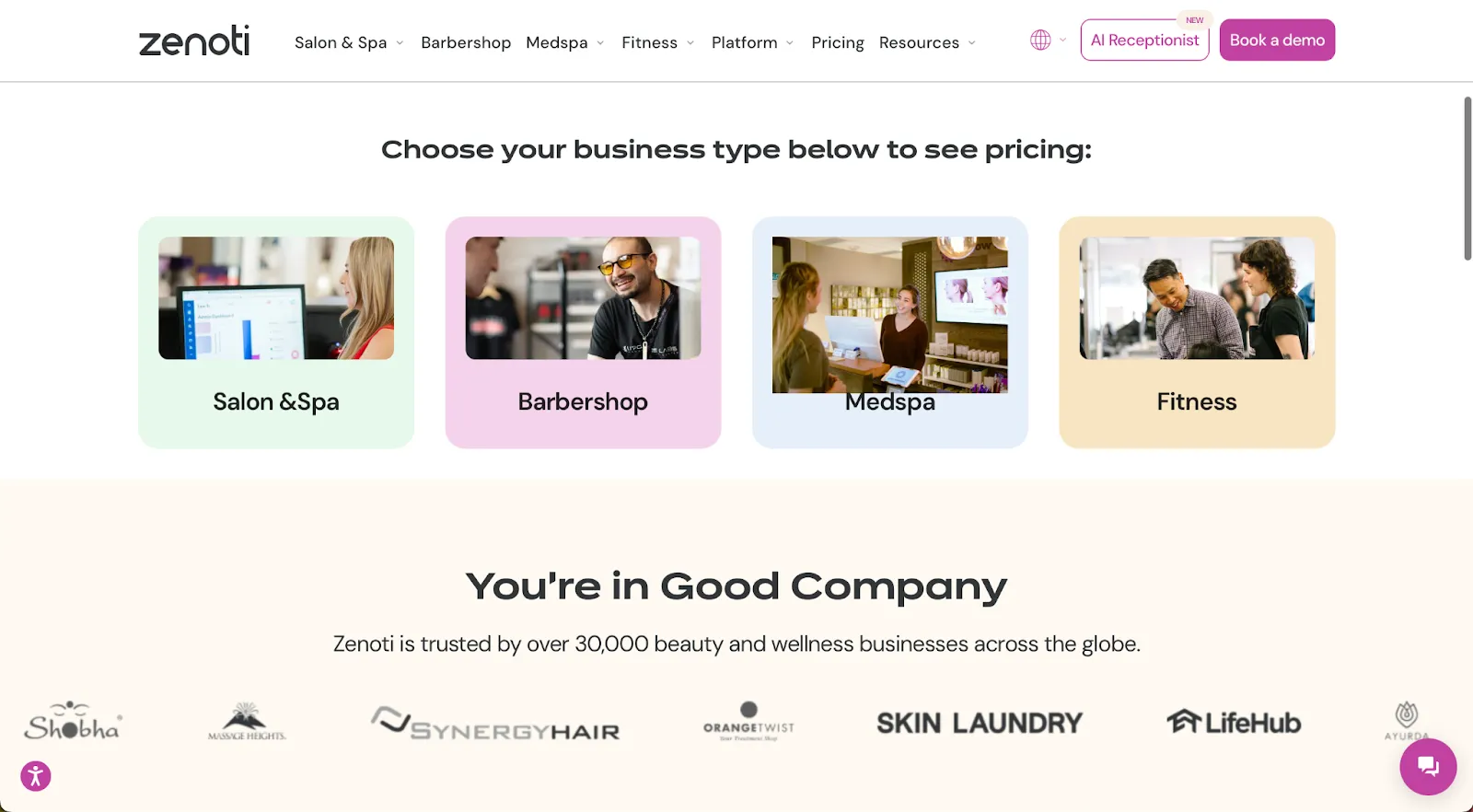
Zenoti is an enterprise-grade platform designed for large wellness chains and franchises.
It provides powerful analytics and multi-location management, but comes at a higher price point. Med spa teams that find enterprise platforms oversized can scan our Mindbody alternatives roundup.
Zenoti uses custom, quote-based pricing, typically starting around $350–$500 per location per month, depending on features and add-ons.
Costs vary by number of locations, users, and selected modules, so clinics must contact sales for a tailored quote.
“Offers more features that are useful when booking that our previous software did not offer. Strong analytics and customizable reports. Online booking is much smoother as well for the guest.”, Nickie R., G2
SimplePractice is primarily built for mental healthcare professionals. Nutrition and wellness practices weighing it against a coaching platform can read Practice Better vs SimplePractice.
| Plan / Tier | Price | Details |
|---|---|---|
| Starter | $49/month | Promo $24.50/mo first 3 months; 30-day free trial |
| Essential | $79/month | Promo $39.50/mo first 3 months |
| Plus | $99/month | Promo $49.50/mo first 3 months |
| Add-on: ePrescribe | $49/month | + $89 one-time setup fee |
“We use it for our outpatient clients. It’s very easy to use and complete therapy notes. The customer support tickets answered in a timely manner.”, Angela, Capterra
While Semble is a capable practice management system for some healthcare practices, many begin looking for alternatives as their operational and growth needs evolve, especially those running a busy private practice. Below are the most common reasons practices switch from Semble to more comprehensive platforms.
Semble focuses primarily on core clinical operations such as scheduling, patient records, and communication. However, modern clinics increasingly need built-in marketing automation, revenue tracking, and patient retention tools to stay competitive.
Many practices using Semble rely on third-party systems for:
This fragmented approach increases costs and reduces visibility into patient lifetime value and marketing ROI. Reputation tools are a common bolt-on, and our Birdeye vs Podium comparison weighs the two.
All-in-one platforms like Pabau integrate these growth tools directly into the practice management system, allowing practices to automate recalls, reduce no-shows, and drive repeat bookings and revenue without juggling multiple software subscriptions.

As practices expand into multi-location clinics or larger teams, visibility becomes critical. Owners need centralized dashboards, standardized reporting, and clear performance tracking across sites.
Many clinics report limitations in:
Practice management software designed for scale offers unified reporting, advanced permissions, and centralized operational control — helping leadership make data-driven decisions while maintaining consistency across all sites. This matters most for private GP practices managing several locations at once.
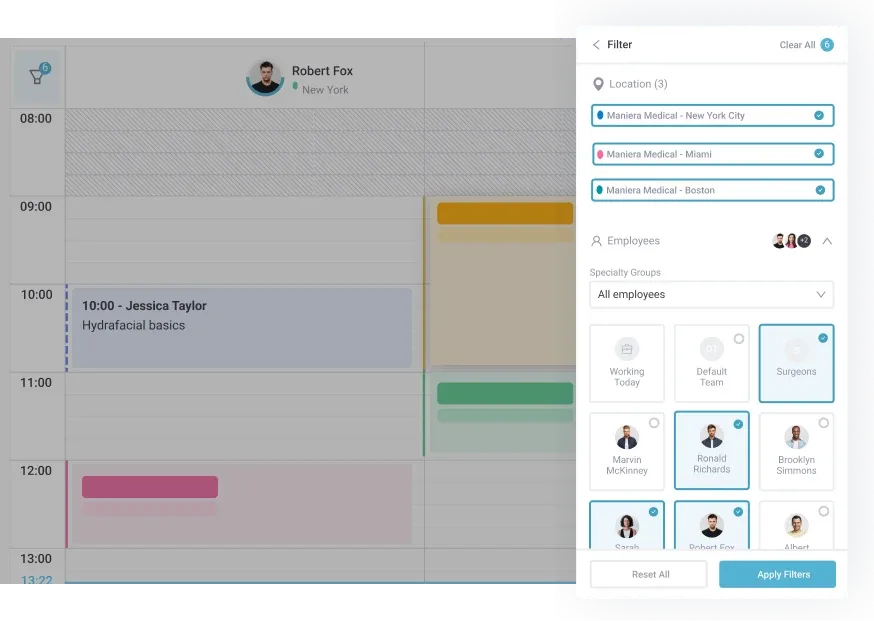
A common pain point for growing clinics is software fragmentation. Practices often combine Semble with:
This leads to:
Switching to a unified clinic management platform reduces administrative overhead and ensures clinical data, financial insights, and operational reporting all live in one secure system. Where claims and billing drive the choice, AdvancedMD vs CareCloud sets out two heavier options.
As clinics grow, leadership needs more than appointment data — they need actionable insights.
Many practices seek alternatives when they require:
Without advanced analytics and customizable dashboards, it becomes difficult to identify growth opportunities or operational inefficiencies.
Modern healthcare practice management platforms provide deeper business intelligence tools that help clinic owners move from reactive management to proactive strategy.
While Semble supports general healthcare operations, clinics offering procedural or treatment-based services — such as aesthetics, dermatology, or med spa treatments — often need more specialized functionality. Anyone opening a med spa quickly finds generalist tools fall short here.
Common gaps practices experience include:
Platforms built specifically for medical-first and treatment-focused practices, including dedicated med spa software, combine clinical documentation, compliance tracking, stock management, and patient engagement tools in one system, reducing operational friction.
Semble competitors include Pabau, Cliniko, Jane, Fresha, Zenoti, and SimplePractice. The best fit depends on whether you need medical-first clinical workflows, allied health tools, or salon-style booking.
Fresha is the closest free option, though it earns revenue through booking transaction fees and suits salons rather than regulated medical care. Most clinical platforms, including Pabau, are paid because they handle compliance and patient records.
Yes. Practices that outgrow Semble usually move to a platform like Pabau that adds automation, multi-location reporting, and built-in marketing, so scaling doesn’t mean bolting on extra tools.
Some do. Pabau includes Pabau Scribe, our AI scribe, which drafts treatment notes from a consultation so practitioners spend less time on documentation.
If you’re evaluating the best Semble alternatives in 2026, it’s important to think beyond basic scheduling. The right practice management software should support:
Instead of relying on disconnected tools, forward-thinking clinics are adopting unified platforms that centralize clinical care, patient communication, reporting, and business growth in one cloud-based system.
👉 See how Pabau brings clinical care, automation, and growth into one platform. Book a demo.