

Cervical extensor endurance test: Protocol and norms
Look up normative values for the cervical extensor endurance test and you will find hold times of two or three minutes. The published data disagrees. Healthy young adults hold the unloaded position for a median of 43 seconds. The discrepancy has a cause. Two separate protocols carry the same name, and a third research variant […]
Morley test: How to perform and interpret it for TOS
Arm tingling with a heavy, aching shoulder is one of the harder patterns to sort out. Nerve roots, the brachial plexus, and the peripheral nerves can all produce it. The Morley test takes about a minute and helps you narrow the field. Also called the brachial plexus compression test, the Morley test presses on the […]
Posterolateral drawer test: Technique, grading, and pitfalls

Some knees give way near full extension, ache along the lateral joint line, and thrust into varus during gait. That combination belongs to the posterolateral corner, or PLC, and a routine knee exam can walk straight past it. LaPrade and colleagues screened acute knee injuries presenting with a hemarthrosis by MRI. They found posterolateral corner […]
ICD-10 code S82.251E: Displaced comminuted fracture of shaft of right tibia
S82.251E code details at a glance S82.251E is a billable, specific ICD-10-CM diagnosis code accepted on UB-04 and CMS-1500 forms. The table below covers the facts coders need before submitting a claim. Field Detail ICD-10-CM code S82.251E Full description Displaced comminuted fracture of shaft of right tibia, subsequent encounter for open fracture type I or […]
CPT code 24410: Humeral osteotomy with intramedullary rod
CPT code 24410 is the American Medical Association (AMA) descriptor for “Osteotomy, multiple, with realignment on intramedullary rod, humeral shaft (eg, Sofield type procedure).” It sits in the musculoskeletal section of the CPT manual, in the 24000 series for the humerus and elbow. Two elements in that descriptor decide whether the code is billable. The […]
ICD-10 Code S33.140A: Subluxation of L4/L5 lumbar vertebra
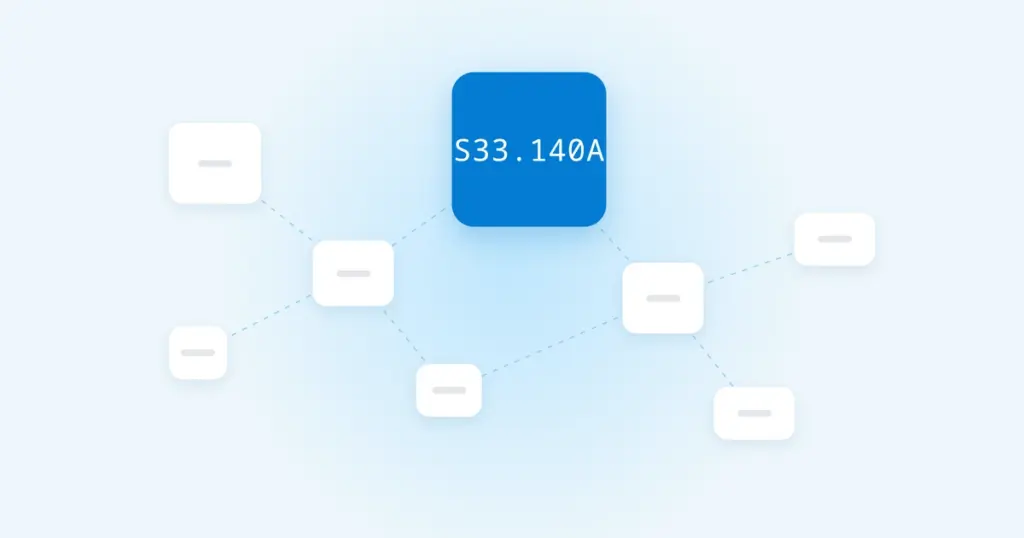
ICD-10 Code S33.140A: definition and billable status ICD-10 Code S33.140A describes a subluxation of the L4/L5 lumbar vertebra during the initial encounter. It is a billable ICD-10-CM code, so it supports reimbursement without a second code to define the condition. The FY2026 edition confirms S33.140A as valid for diagnosis and billing, effective October 1, 2025. […]
Brachial neuritis exercises: What to do in each phase

A patient sits down in your treatment room with a shoulder that’s stopped burning and a deltoid that’s visibly wasted. Three weeks ago, urgent care called it a rotator cuff strain. What you’re actually looking at is brachial neuritis, and the exercise plan depends entirely on which phase the nerve is in. Start exercises too […]
HCPCS Code J2175: Meperidine hydrochloride injection billing guide
What HCPCS Code J2175 covers HCPCS Code J2175 is a Level II J-series code maintained by the Centers for Medicare and Medicaid Services (CMS). J-codes cover drugs given by injection or infusion that a patient cannot self-administer. That makes them a staple of physician office and hospital outpatient billing. A premixed meperidine and promethazine injection […]
Rent test: Technique, accuracy, and what it can miss

Shoulder pain rarely tells you what is wrong underneath it. Weakness, night pain, and a painful arc turn up whether the cuff is torn or only irritated. The rent test narrows that decision at the bedside. You palpate through the deltoid and feel for a defect in the supraspinatus or infraspinatus tendon. If your fingertip […]
Fibular translation test: Technique, accuracy, and pitfalls

A high ankle sprain rarely announces itself. The pain sits above the lateral malleolus, and the swelling can look mild for the first day. Meanwhile, the lateral ligament tests you reach for first come back clean. So the patient goes home with ice, advice, and a review date, and recovery drags on. The fibular translation […]