Printable values cards: What they are and how to use them in therapy
Printable values cards are a reflection tool that helps a patient work out which...

14
Last Updated: Sep 30, 2026

A want vs need worksheet is a structured reflection tool that helps individuals classify expenses and life priorities, improving financial clarity and intentional decision-making.
The worksheet uses a two-column sorting format where users categorize everyday items and spending decisions as either essential needs (housing, food, healthcare) or discretionary wants (entertainment, luxury goods, upgrades).
Adults benefit most from the worksheet during major financial transitions, such as divorce recovery, career changes, debt payoff, or life planning, when intentional prioritization directly impacts outcomes.
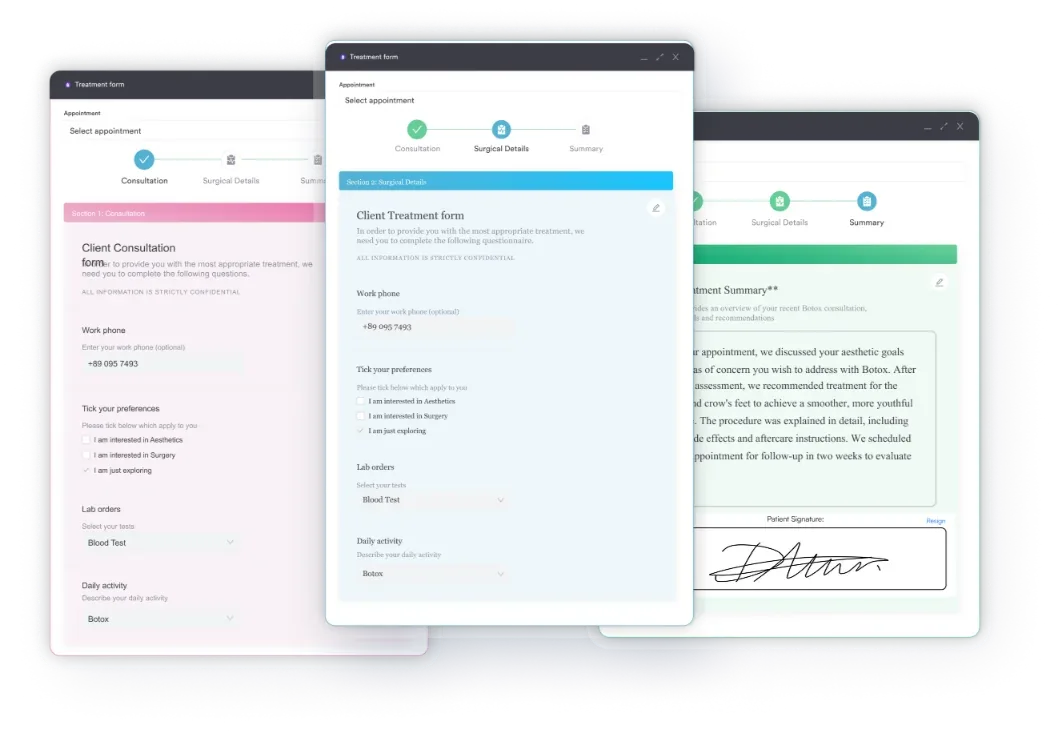
Pabau’s digital forms feature enables therapists, coaches, and financial counselors to deliver the want vs need worksheet directly to clients within their practice workflow, tracking completion and reflecting results in their clinical notes.
A want vs need worksheet is one of the most effective tools for helping people make intentional financial decisions. Whether you’re supporting a client through divorce recovery, helping someone rebuild after job loss, or guiding a team member through career transition, this worksheet clarifies what truly matters and where money should go.
A structured reflection tool that guides individuals through categorizing life priorities and spending decisions into wants and needs. Includes guided prompts, a two-column sorting activity, and space for personal financial assessment.
Download templateA want vs need worksheet is a therapeutic assessment tool.
Needs are expenses essential for survival and wellbeing, such as housing, food, healthcare, transportation to work, and basic utilities. Wants are discretionary purchases, such as entertainment subscriptions, luxury goods, dining out, hobby equipment, and premium upgrades.
The distinction matters because it shifts how people approach spending. When someone realizes 60% of their budget flows to wants while needs are squeezed, behavior change becomes possible.
The worksheet makes this visible through a simple two-column sorting activity. Clients list their regular expenses or anticipated purchases, then categorize each one. The visual result, two columns of starkly different sizes, often triggers the first moment of financial clarity.
This tool is particularly powerful for adults facing major life transitions. A therapist supporting someone through behavioral change and decision-making will find the worksheet creates immediate clarity. A financial counselor helping a client evaluate options during a career shift benefits from the sorting activity as a concrete first step.
Using the worksheet effectively takes 15-20 minutes. Follow these five steps for best results.
The reflection step matters most. This is where the insight lives. Many therapists report that clients’ tone shifts noticeably when they finish the reflection section, moving from “I can’t afford what I need” to “I’m spending in ways that don’t match my priorities.”
The adult-focused want vs need worksheet differs from classroom versions. Adults completing this tool are often in crisis or transition: divorce, job loss, retirement, career change, medical emergency, or debt payoff. That urgency makes the worksheet’s value immediate.
Divorce recovery is one of the most powerful use cases. When someone is dividing finances, losing household income, or building a new budget alone, the wants vs needs distinction becomes survival-critical. Therapists supporting divorce recovery report that the worksheet often precedes the first conversation with a financial advisor. That’s often where emotional spending patterns surface. Medication management depends on knowing what was tried, at what dose, and why it stopped.
Adults also benefit from the emotional dimension the worksheet reveals. Many discover their wants spending isn’t random. It follows patterns. Someone might impulse-spend on entertainment subscriptions when stressed, or redirect want-budget to food when lonely. The worksheet isn’t just a ledger. It’s a behavior mirror.
Running this form inside a GP practice system keeps clinical documentation in one place.
If you work with clients on financial stress, values alignment, or major life decisions, the want vs need worksheet is essential to your toolkit. Digital forms let you deliver it at the right moment in your workflow: during intake alongside a counseling informed consent form, before a decision-focused session, or as a homework assignment between appointments.
Some practices send the worksheet to clients before their first appointment, asking them to complete it in advance. Others use it in-session as a guided activity, working through the categories together.
A few practices have clients complete it quarterly, tracking how priorities and spending shift as their situation changes. Each approach works. The key is making the worksheet a regular part of your client engagement system.
When you use Pabau’s digital forms feature to deliver the worksheet, completion is tracked automatically. You see which clients have finished, and their responses sync directly into their clinical notes. This means you can reference their wants vs needs categorization in later sessions without asking them to repeat the work, maintaining continuity that deepens therapeutic impact.
The worksheet delivers measurable benefits across three dimensions: financial clarity, behavioral insight, and decision confidence. Research suggests that making financial decisions visible, moving from abstract numbers to concrete categorization, improves follow-through on plans.
For practices building practice sustainability, the worksheet also deepens client engagement. Clients who complete structured reflection tools like this tend to show higher retention and are more likely to follow through on recommendations. The worksheet becomes evidence of their own thinking, not something you told them to do.
While this article focuses on adult use, teachers and parents also use want vs need worksheets for children age 8+. Classroom versions are simpler: fewer reflection prompts, familiar items, and no complex financial language. The goal is teaching the conceptual difference, not building a personal budget.
Kids completing the worksheet learn early that choices have trade-offs. A child who sorts toys, snacks, and activities discovers that “I can’t have every want, and that’s okay.” Parents report this is often the first time their child grasps why they say no to requests. It’s foundational financial literacy.
Teachers also use the worksheet as an entry point to broader financial education: how budgets work, why people make trade-offs, and how values shape decisions. Pairing the worksheet with a positive parenting worksheet creates a more complete lesson for families teaching kids about money and values.

Therapists, coaches, and counselors use Pabau to send want vs need worksheets, track completion, and reference results in clinical notes. All in one practice workflow.

The want vs need worksheet is the first step in intentional budgeting. Once expenses are categorized, the budget-building begins.
Financial counselors and advisors often use this worksheet as a pre-appointment homework assignment. Clients arrive with their wants and needs already categorized, which accelerates the coaching session.
Instead of discussing whether something is a need, you’re discussing values, priorities, and strategy.
The want vs need worksheet is ready to download and use immediately. Print it for in-session use, email it to clients as pre-appointment homework. Whether you’re a therapist, financial counselor, life coach, or corporate wellness provider, this tool works across contexts.
The most effective practices integrate the worksheet into their intake or first-session workflow. When clients access it through their portal, completion becomes routine rather than special. This consistency means more clients complete the reflection work, and your practice builds a reliable foundation for meaningful financial conversations.
Start today. Download the template, and introduce the want vs need framework to your clients. Many will report this single worksheet was the turning point where financial stress became financial clarity.
Track how many clients complete the worksheet and ask them to rate its usefulness on a 1-10 scale. Over time, you’ll see patterns in which client groups benefit most, such as divorce recovery, career transition, or debt payoff, and you can proactively offer the worksheet earlier in their journey.
The want vs need worksheet transforms how people make financial decisions. By shifting from abstract budgeting to concrete categorization and guided reflection, the worksheet creates clarity and agency. Adults facing major transitions, such as divorce, career change, or debt payoff, report that this single tool was the turning point where financial stress became manageable.
Whether you deliver it in-session or through digital forms in your practice management system, the worksheet works best when it’s part of your regular workflow. Your clients need clarity. This tool provides it. Book a demo to see how digital forms can seamlessly deliver the want vs need worksheet to your clients and track completion automatically.

Need practical tools clients can use between sessions? Coping cards template gives therapists and clients a portable reference for managing difficult moments.
Want to help clients connect emotions to specific triggers? Body map emotions worksheet pairs well with financial reflection work for a fuller picture of client wellbeing.
Working with a client affected by bullying? bullying worksheet covers types of bullying, emotional impact, coping strategies, and safe reporting pathways for children and teens.
A need is something required for survival and basic wellbeing, such as housing, food, healthcare, utilities, transportation to work, and essential insurance. A want is something that improves quality of life but is not essential for survival, such as entertainment, dining out, luxury goods, hobbies, and premium services.
This depends on context. A basic phone for emergency communication and work connectivity is increasingly a need. An expensive smartphone with a premium data plan could be either. The device itself might be essential, but the plan tier or upgrade frequency might be discretionary.
Reframe the worksheet as non-judgmental categorization, not criticism. Wants aren’t “wrong.” They’re how people enjoy life. The point is knowing the difference so choices are intentional. Many clients feel shame around spending. The worksheet normalizes the conversation.
Yes, especially adults in transition. Divorce, job loss, career change, or major life goals all benefit from the clarity the worksheet provides. Adults are often surprised how much insight comes from sorting their own expenses.
Most benefit from completing it once during a transition period, then revisiting it quarterly or annually to track how priorities and spending patterns shift. Some practices use it as a pre-session homework assignment monthly.
The worksheet creates your baseline. Total needs spending shows your essential budget. The remainder can be allocated to wants, savings, debt repayment, or goals. This clarity enables intentional budgeting and trade-off decisions grounded in personal values.