Chronic kidney disease nursing care plan
A chronic kidney disease nursing care plan is a structured document that guides ...

3
Last Updated: Oct 14, 2026
The public health intervention wheel is a framework from the Minnesota Department of Health that sorts 17 evidence-based interventions into three concentric practice levels.
Those levels are individual-focused, community-focused, and systems-focused. Each of the 17 interventions can be delivered at any of the three. That is what makes the wheel a planning tool rather than a checklist.
Minnesota introduced the color-coded wheel in 1998, and public health nurses have used it since to design population-based programs. This guide covers what sits in each of the five wedges and how the three practice levels differ. It also shows how to work one health issue at all three levels at once. The template below maps the whole framework onto one page.
A one-page grid that maps all 17 interventions against the three practice levels. It carries short definitions, assessment prompts for auditing what your practice already delivers, and documentation fields for tracking outcomes and community feedback.
Download template
The public health intervention wheel sorts 17 evidence-based interventions across three practice levels: individual-focused, community-focused, and systems-focused.
The Minnesota Department of Health introduced the wheel in 1998 to guide population-based health promotion and disease prevention.
The 17 interventions sit in five named wedges, and any of them can be delivered at any practice level.
One health issue is best worked at all three levels at once, from patient counseling through to policy change.
Practice management software like Pabau records intervention data in configurable forms, so population reporting draws on one set of records.
The public health intervention wheel is a visual model of how population-based practice works. It names 17 intervention strategies that address the conditions behind health disparities and disease, rather than only the presenting symptoms.
The Minnesota Department of Health developed it with its Public Health Nursing Section to standardize practice across local health departments. The value of the model is that it names every option a practitioner has. A program can then be planned deliberately, instead of defaulting to the interventions the department happens to be good at.
The wheel is drawn as three concentric rings. Each ring is a practice level, meaning the scale at which an intervention acts.
The rings are not a hierarchy, and a practitioner is rarely working in only one of them. A nurse who screens patients all morning and sits on a food access committee that afternoon has worked two levels in a day. What the wheel asks is whether the third level has been covered by anyone at all.
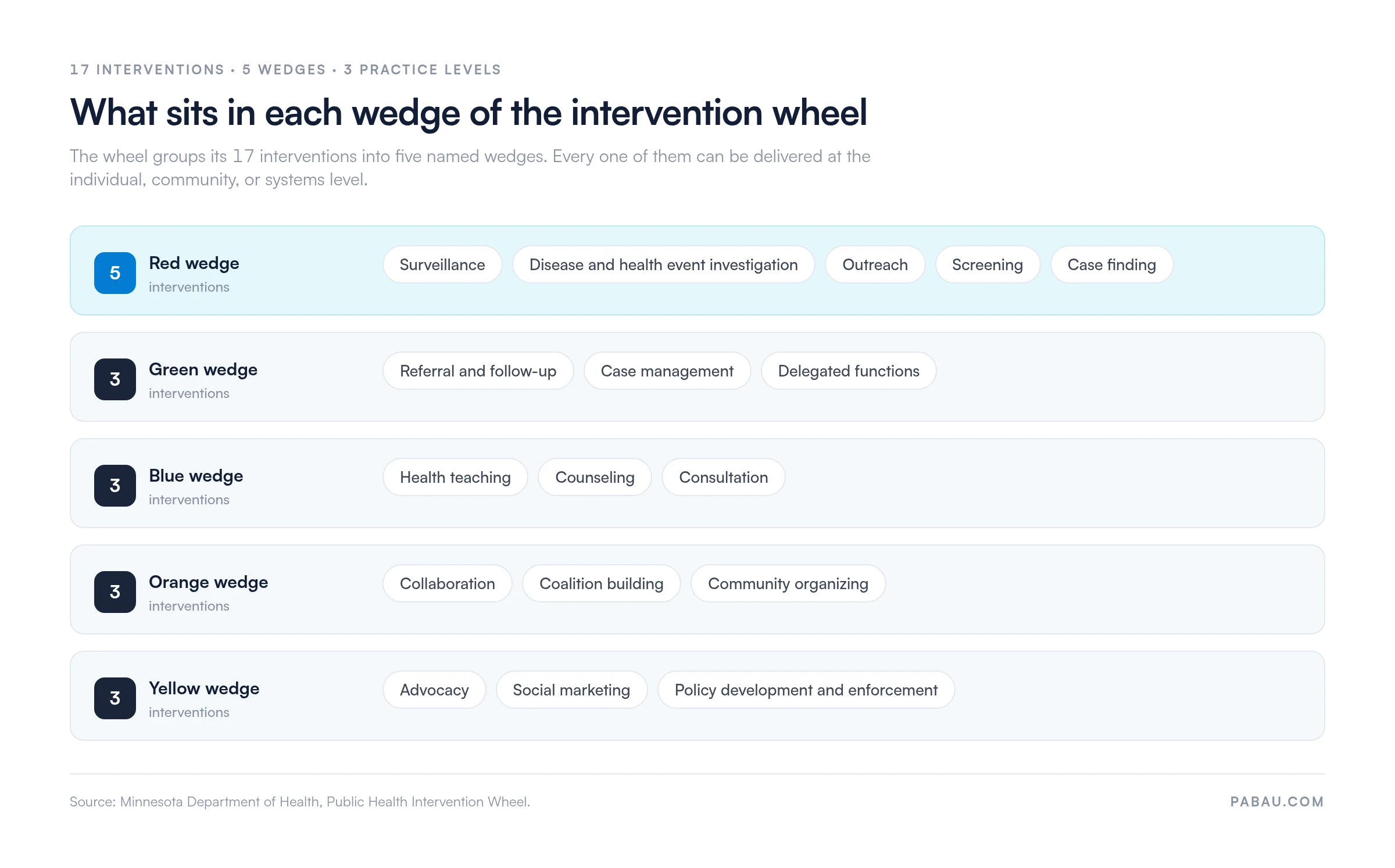
The wheel sorts its 17 interventions into five color-coded wedges. Each wedge groups interventions that do a similar kind of work. The wedge is then a useful shortcut when you are deciding what to try next.
Recording which of these a practitioner delivered is harder than it sounds. Clinical records are built around diagnoses and procedures, so coalition building or social marketing has no obvious field to sit in. A configurable form solves that. With patient intake software, the intervention type becomes a field you define yourself, next to the practice level and the population reached.
Applying the wheel takes five steps, and the first two decide the value of the rest.
Step three is where teams get stuck, because the individual-focused ring overlaps heavily with everyday bedside work. Our list of nursing interventions covers that vocabulary in more depth. It pairs well with the wheel when you write up a program plan.
Take tobacco prevention. At the individual level, a practitioner counsels a smoker on cessation and refers them to a quit program. At the community level, the same department runs a support group and a social marketing campaign aimed at teenagers.
At the systems level, the work is advocacy for smoke-free building codes and tobacco taxation. None of the three substitutes for the others. Counseling alone returns the patient to the environment that produced the habit. A tax alone does little for the person already trying to quit this month.
Social determinants of health are the conditions in which people are born, work, and live. Income, education, housing, food security, and neighborhood safety all sit in that group, and they drive health disparities upstream of any clinical encounter.
The wheel gives those determinants somewhere structural to go. Take a community with high diabetes rates. Screening and education at the individual level are necessary but will not move the rate on their own. A wheel-based plan adds community-focused work with schools and food retailers, plus systems-focused policy work on food access and economic opportunity.
The download is a working grid rather than a poster. It maps each of the 17 interventions against the three practice levels. Mark where your current programs sit, and the empty cells show you what is missing.
Print it for a planning session, then rebuild the same fields as digital capture forms once the plan is settled. Intervention counts then roll up on their own, instead of living in a spreadsheet someone has to remember to update.
Teams working the wheel often end up with the plan in one document and the delivery records in a clinical system. The counts live in a third place, usually a spreadsheet. Nobody can answer how many community-focused interventions ran last quarter without rebuilding the number by hand.
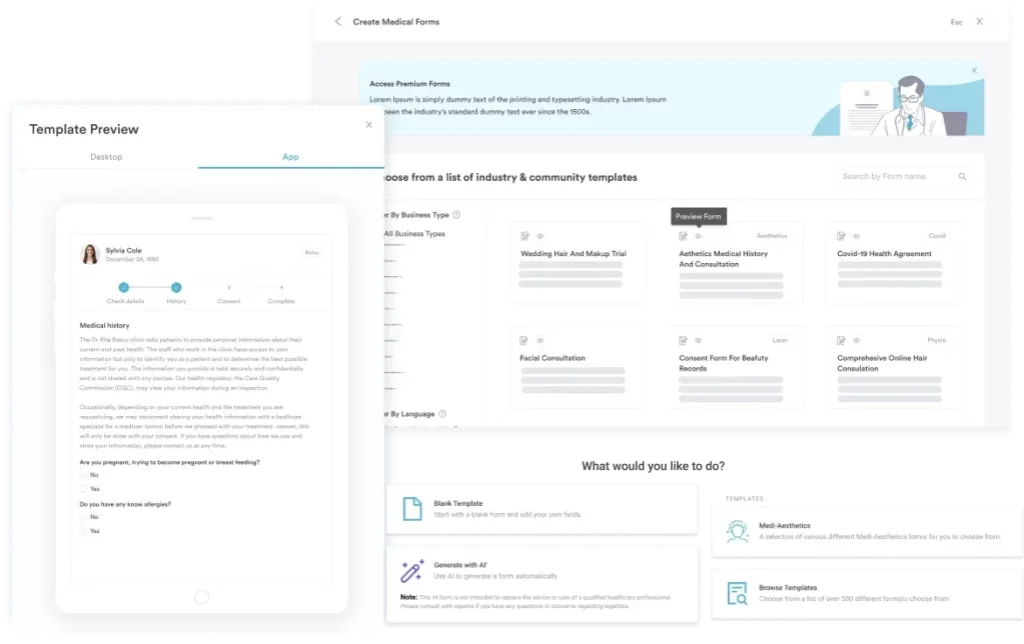
Practice management software like Pabau keeps the plan and the record in the same place. You build the intervention fields once, and every session logged against them feeds the same report. Four parts of the platform do the work:
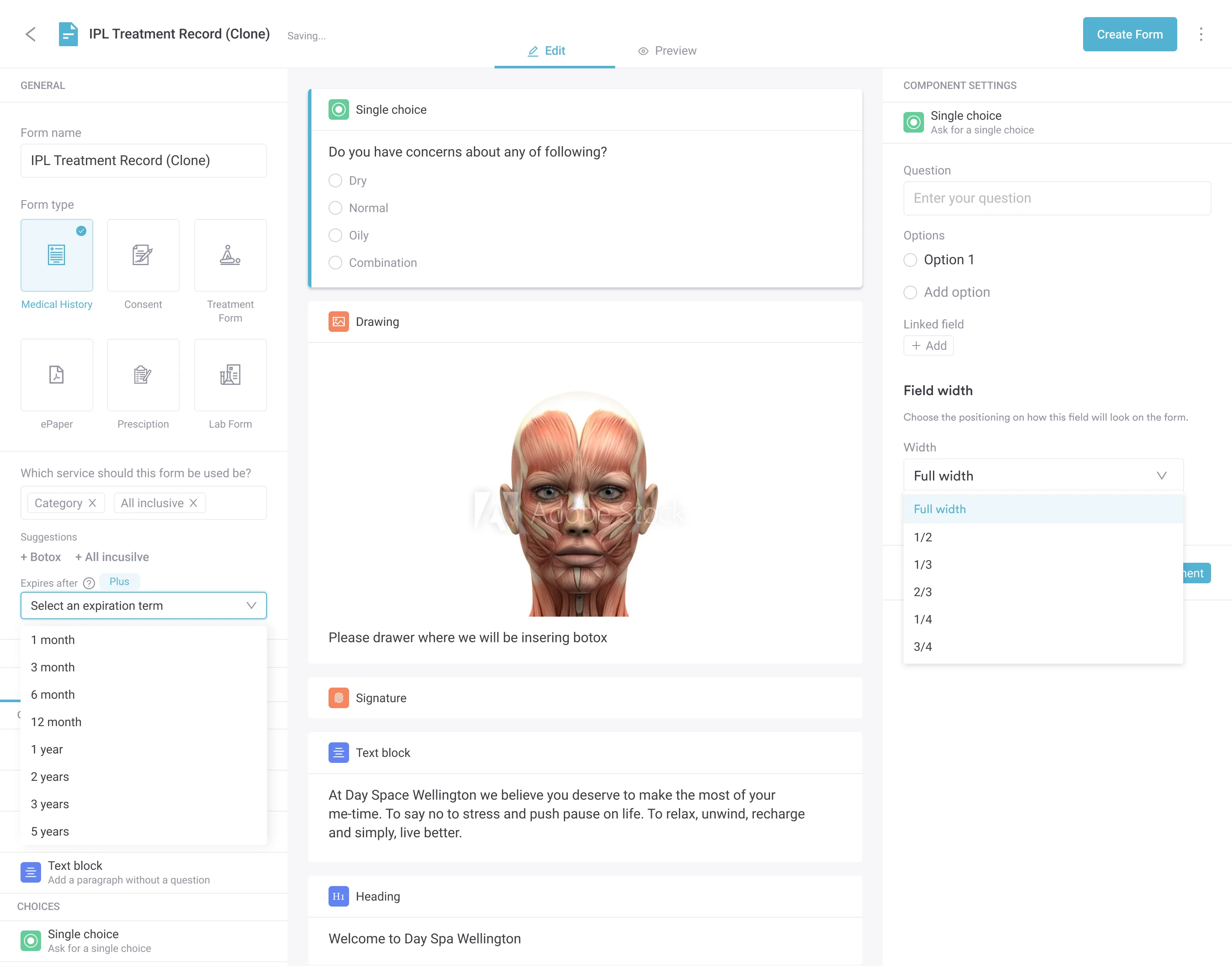

Pabau’s configurable forms and reporting let you log interventions by wedge and practice level, then count them without rebuilding the figure by hand.

The wheel earns its place by making omissions visible. Fill in the grid for a health issue you already work on. The empty cells usually sit in the systems column. Policy work is the slowest of the three to show a result.
That is the trade-off worth remembering. Individual-focused interventions produce numbers this quarter, while community and systems work produces them years later. A department judged only on the first will drift toward the inner ring, and the determinants driving its caseload stay untouched.
Download the template, map one issue across all three levels, and decide what you will count before the program starts. Book a demo to see how Pabau records interventions and reports on them without a separate spreadsheet.

Need the vocabulary for individual-level interventions? List of nursing interventions covers the bedside equivalents of the wheel’s inner ring.
Building the assessment step of your plan? Nursing assessments gives you the structured formats that community health assessments borrow from.
Writing up what happens after the assessment? Plan of care explains how to turn assessment findings into goals someone can actually measure.
The Minnesota Intervention Wheel is the official name of the public health intervention wheel. The Minnesota Department of Health introduced it in 1998. It organizes 17 evidence-based interventions across three practice levels, and it is also called the PHN intervention wheel.
The three levels are individual-focused, community-focused, and systems-focused. Individual-focused work acts on one person or family, community-focused work on a group or organization, and systems-focused work on policy or infrastructure. All 17 interventions can be applied at any level.
Nursing practice with the wheel starts with a community health assessment that identifies priority health needs. Practitioners then select interventions that reach the underlying conditions and apply them at all three levels. That means screening and teaching individually, outreach and coalition building locally, and advocacy at the systems level.
The 17 interventions sit in five color-coded wedges. The red wedge holds surveillance, disease and health event investigation, outreach, screening, and case finding. Green holds referral and follow-up, case management, and delegated functions. Blue holds health teaching, counseling, and consultation. Orange holds collaboration, coalition building, and community organizing. Yellow holds advocacy, social marketing, and policy development and enforcement.
The template is a free PDF, linked from the download box near the top of this page. It includes the 17 interventions mapped across the three practice levels, plus assessment prompts and documentation fields you can adapt to your own setting.
Individual-focused practice targets one person through counseling, screening, or direct care. Community-focused practice targets groups and neighborhoods through outreach, coalition building, and health fairs. Systems-focused practice targets policy and organizational infrastructure through advocacy, regulation, and strategic planning.