Mental health self-care checklist
A mental health self-care checklist is a structured daily tool for tracking the ...

5
Last Updated: Oct 20, 2026

A positive behavior support plan is a written, individualized document that addresses one challenging behavior by identifying its function and teaching a replacement behavior.
Every plan rests on a functional behavior assessment (FBA) that records the antecedent, the target behavior, and the consequence that maintains it.
Seven core sections make up a complete plan, starting with the FBA summary and ending with data collection and progress monitoring. The other five cover the hypothesis statement, antecedent changes, replacement behaviors, reinforcement, and crisis procedures.
Pabau’s digital forms, automated reminders, and client records hold the plan, the behavior data, and the review schedule in one place.
A ready-to-use template covering functional behavior assessment summary, hypothesis statement, antecedent strategies, replacement behavior instruction, reinforcement procedures, crisis safety planning, and data monitoring methods.
Download templateA positive behavior support plan (PBSP) records what triggers a challenging behavior, what the person gets from it, and what to teach instead. It is written for one person, not for a diagnosis or a classroom.
The download above gives you the blank form. The sections below explain what belongs in each field, with a worked example from a student who struggles with transitions.
A plan only works when everyone implementing it can see the current version. Many practices keep theirs in therapy practice management software beside session notes.
A positive behavior support plan is a written, individualized document for reducing one challenging behavior and building a positive alternative. Unlike reactive discipline, it targets the function the behavior serves rather than the incident itself.
The plan is developed with the individual, their family, educators, and behavior specialists. It’s grounded in data from a functional behavior assessment (FBA). Plans are required or strongly recommended in individualized education programs (IEPs), applied behavior analysis, mental health practice, occupational therapy, and adult disability services.
Positive Behavioral Interventions and Supports (PBIS) is the school-wide framework behind these plans, and it works in tiers. A student gets an individual plan when their behavior persists through the universal and secondary tiers.
A complete plan has seven sections that work as a chain. The assessment feeds the hypothesis, and the hypothesis decides the interventions.
The FBA is what fills them in. The map below shows which assessment finding writes which section.
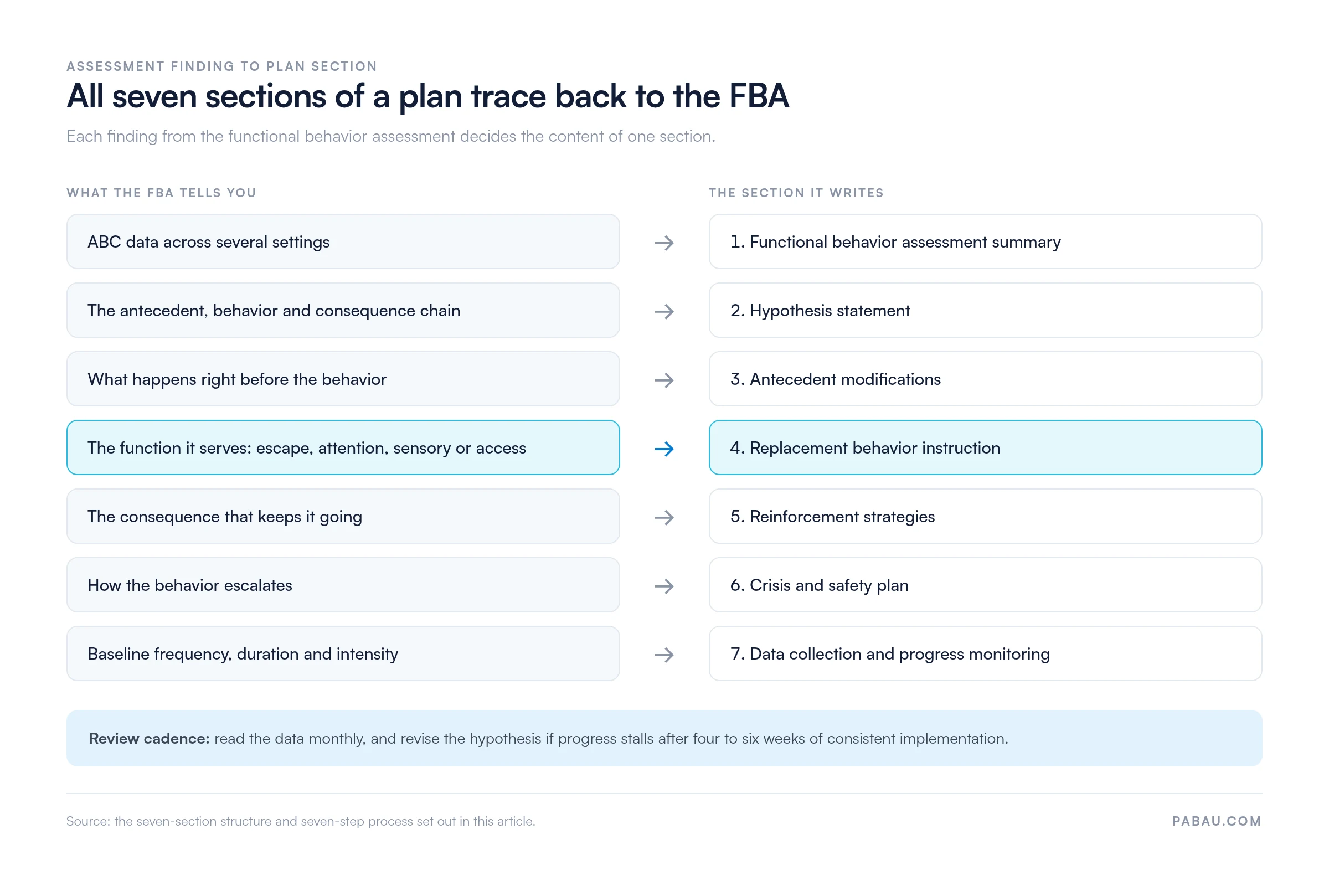
Developing an effective plan follows a set sequence, grounded in assessment data and team agreement.
The FBA is the foundation of any valid plan. Collect data on the target behavior using ABC (antecedent-behavior-consequence) recording, frequency and duration counts, or direct observation across several settings.
The FBA answers four questions. When does the behavior happen? What happens right before it? What keeps it going afterward, and does it serve escape, attention, sensory input, or access to something the person wants?
An ABC behavior chart keeps those records consistent when several staff log incidents in different settings.
Write a hypothesis statement that links the target behavior to its function, using the FBA data. For example, “When task demands increase in unstructured settings (antecedent), Marco makes loud noises (behavior) to escape the task and get teacher attention.” That statement guides every intervention that follows.
Proactive strategies stop the behavior from starting by changing the environment or the demand. Common ones include:
Choose replacement behaviors that are functionally equivalent, so they get the person the same outcome. If the behavior serves escape, teach them to ask for a break. If it serves attention, teach them how to ask for it.
Replacement behaviors have to be taught, practiced, and reinforced until they become the person’s first response. Record each teaching session so the team can see whether the skill is holding.
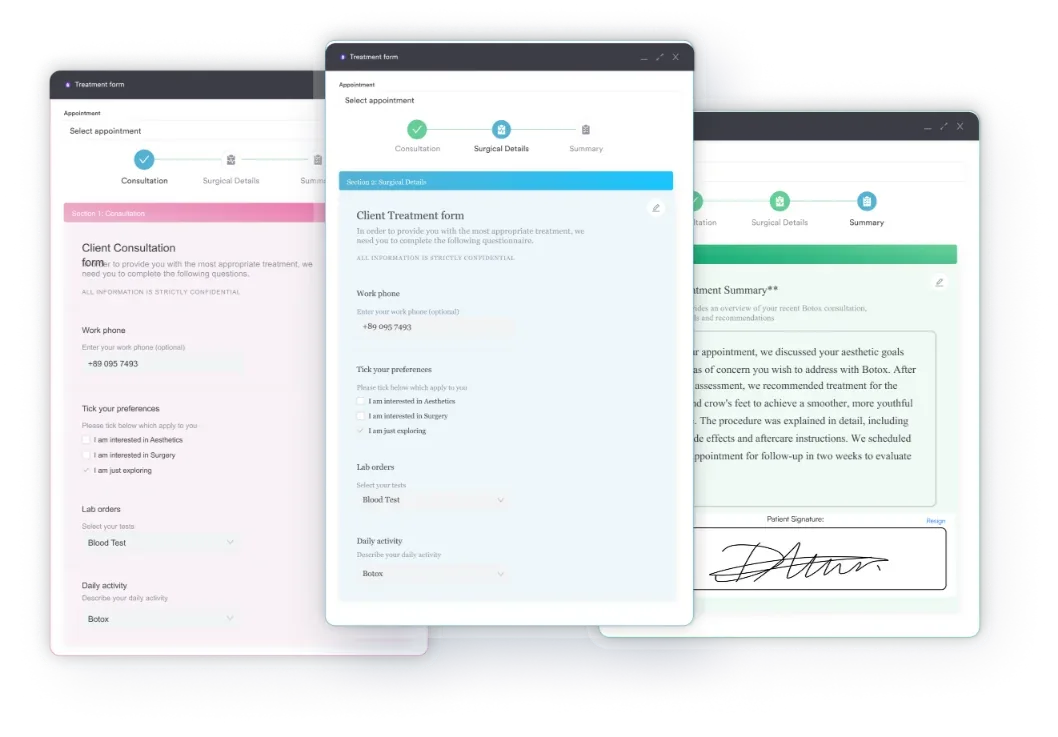
Define what happens when the person uses the replacement behavior, and what happens if the target behavior occurs. Reinforcement should be immediate and frequent at first. It also has to be individualized, because motivators differ from one person to the next.
Include de-escalation steps, safe physical management where it applies, emergency contacts, and who to call during a crisis. Document when staff may consider restraint or seclusion, if your jurisdiction allows it, and which trained personnel may do so.
Write the steps in the order staff will use them. Wider crisis intervention strategies are worth reading alongside this section, since the plan should match how your team already responds.
Define how the behavior will be measured, who collects the data, and how often. Frequency, duration, intensity, and latency are the usual measures. Set a review schedule, usually monthly. If there is little progress after four to six weeks of consistent implementation, revise the hypothesis and the interventions.
Printable behavior tracking sheets work for the daily tally. A digital record then turns those tallies into a trend the team can read at the review.
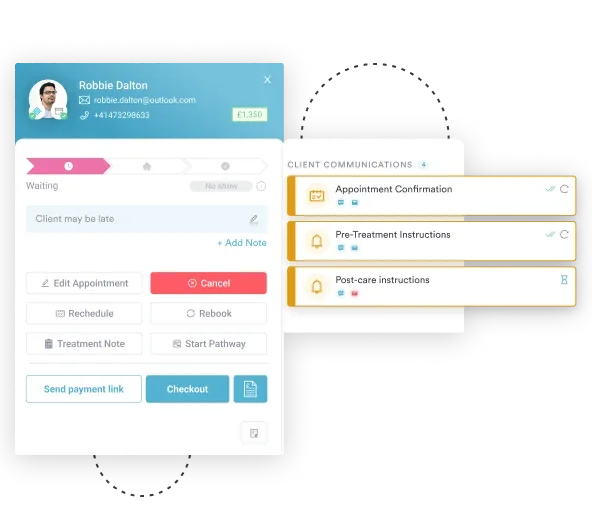
Here’s how the template reads once it is filled in for one student.
Plans like this get written across education, therapy, and adult services.
Documentation decides whether everyone implements the plan the same way. Write it so a new staff member could follow it on their first shift.
Keep the working version where every person implementing it can reach it. Structured client records with care plans hold the plan, the FBA summary, and the progress data in one place.
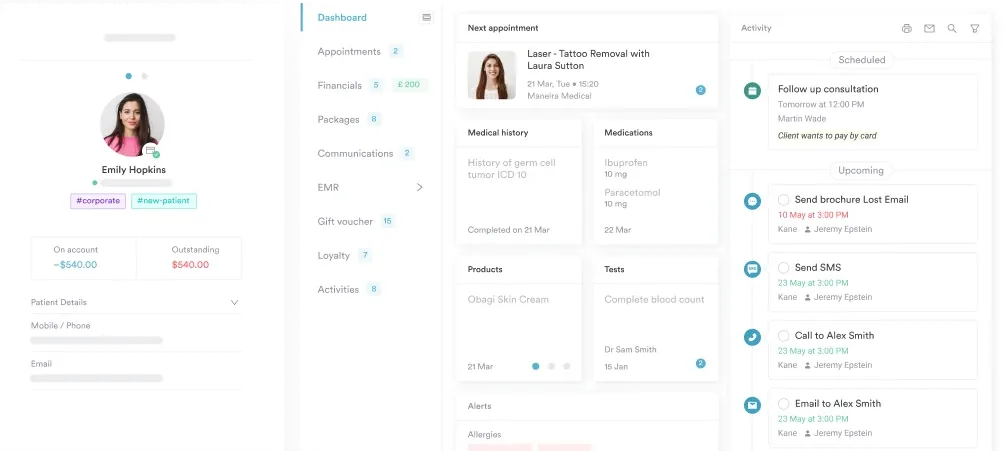
Log every incident in the same format. Consistent entries are what make the trend readable when you decide whether to keep the plan or revise it.
The strongest plans are written with the family in the room. Parents know the triggers and the rewards that work at home, which often differ from school or the practice. Educators and behavior specialists bring the assessment and intervention side.
Schedule one planning meeting with the individual where appropriate, parents or guardians, educators, and any specialists involved. Record who attended, what data was reviewed, and what the group agreed to do.
Name one person to coordinate the plan, collect the data, and schedule reviews. Without that owner, implementation drifts between settings and nobody notices until the next meeting.
Most teams keep the plan in a shared drive, the daily tally on paper, and the review date in someone’s head. The plan then drifts, and the review happens late.
Practice management software like Pabau holds all three in one client record. Digital forms capture the FBA summary and each teaching session. Behavior data sits on the same timeline as appointments and notes, so a review starts with the record rather than a search.
Automated reminders tell the team when a review is due, and reports pull the trend for a parent conference or an IEP meeting. Every Pabau subscription includes these features, so the whole team works from the same version of the plan.

Streamline PBSP documentation, track behavior data, and coordinate your team.

A plan that names the function of the behavior will outperform one that only names consequences. That difference comes out of the assessment you do before you write the plan.
Fill in the template while the FBA data is still in front of you, and set the review date before the meeting ends. A plan with no review date rarely gets revised, however well it is written.
Book a demo to see how Pabau keeps the plan, the behavior data, and the review reminders in one client record.

Wondering how a BIP differs? Behavioral intervention plan covers the same ground under the term most school districts use.
Need a structured way to log observations? Behavioral observation checklist gives you a consistent record for the assessment stage.
Is the reinforcement not landing? Behavior rewards chart tracks the points and rewards behind a replacement behavior.
Working with a risk of crisis? Mental health safety plan sets out the steps to take when a client escalates.
A positive behavior support plan is a written, individualized document that addresses one challenging behavior. It identifies the function of the behavior through a functional behavior assessment, then teaches a replacement behavior. Plans are required or recommended in special education, applied behavior analysis, mental health practice, and disability services.
These terms are often used interchangeably. A PBSP emphasizes positive, proactive strategies drawn from Association for Positive Behavior Support principles. A BIP is the broader term for any written behavior intervention plan. In practice, a PBSP is usually the more detailed of the two.
Results vary depending on the complexity of the behavior and consistency of implementation. Many individuals show meaningful improvement within 4-6 weeks when the plan is applied consistently in every setting. Data collection and regular review (typically monthly) help determine whether the plan is working or needs adjustment.
Yes. PBSPs are used for adolescents and adults in mental health settings, disability services, residential facilities, and healthcare. The person-centered planning approach and functional assessment process remain the same regardless of age.
Implementation has to be coordinated across every setting where the individual spends time, including school, home, and work. One named coordinator makes sure every staff member understands the plan and records data the same way. Get informed consent from parents or guardians, or from the individual, before implementation starts.