Sulcus Test: Shoulder Instability Assessment
The sulcus test is an orthopedic special test that checks for inferior glenohume...

1
Last Updated: Oct 22, 2026

The Nursing Outcomes Classification (NOC) is a standardized taxonomy of 612 patient outcomes organized under seven domains and 34 classes.
NOC outcomes are measured on a 1-5 Likert scale to track patient progress and evaluate the effects of nursing interventions.
NOC integrates with NANDA-I diagnoses and NIC interventions within the NNN Alliance framework for complete care planning.
Pabau’s structured clinical documentation features support NOC outcome recording and care plan tracking across multi-location practices.
A printable reference to all seven NOC domains, with outcome indicators and the 1-5 Likert rating levels. Each row has space to link an outcome to its NANDA-I diagnosis and NIC interventions.
Download templateThe nursing outcomes classification list is the reference clinicians use to measure whether nursing care moved the patient.
Developed at the University of Iowa College of Nursing, NOC gives every outcome a name, a set of indicators, and a rating scale.
This guide covers all seven NOC domains and how to score an outcome on the 1-5 Likert scale. It also places NOC alongside NANDA-I diagnoses and NIC interventions. Practice management software like Pabau then keeps those ratings consistent across a team, through structured medical records management.
The Nursing Outcomes Classification is a standardized taxonomy for measuring what happens to a patient after nursing care is delivered. It is published by the University of Iowa’s Center for Nursing Classification and Clinical Effectiveness. The taxonomy covers patient, caregiver, family, and community outcomes.
The 7th edition contains 612 distinct outcomes, organized under seven domains and 34 classes. Each outcome carries a definition, a set of outcome indicators, and a measurement scale. That scale is almost always the 1-5 Likert rating used to track a patient from baseline to target.
Our guide to nursing documentation covers how NOC ratings sit alongside assessments, progress notes, and flow sheets in the record.
All 612 outcomes fall into seven domains, each covering a different dimension of health status. The domain tells you what kind of change is being measured, from physiological stability to health behaviors.
Each domain breaks down into classes, then into named outcomes. The Functional Health domain, for example, holds outcomes for ambulation, self-care independence, and nutritional status. Each one is rated on its own.
Each NOC outcome carries several outcome indicators. These are the observable signs a clinician documents when judging whether the patient has moved.
NOC rates every outcome indicator on a 1-5 Likert scale. The wording of the labels shifts with the outcome type, but the pattern holds.
Clinicians score baseline status at admission, then re-score at set intervals. The distance between baseline and target is the measured effect of the nursing intervention.
Examples make the list concrete. Each domain holds dozens of outcomes, so here are three from each.
Set the outcome before you pick the intervention. Choosing “Anxiety Level” first tells you which indicators to watch. It also narrows the NIC interventions worth trying.
NOC works best inside the full NNN framework. Care planning links a NANDA-I diagnosis (the problem), NIC interventions (the action), and a NOC outcome (the result). Here is the sequence.
The chain below tracks that sequence through one care plan, from the diagnosis to the score that closes it.
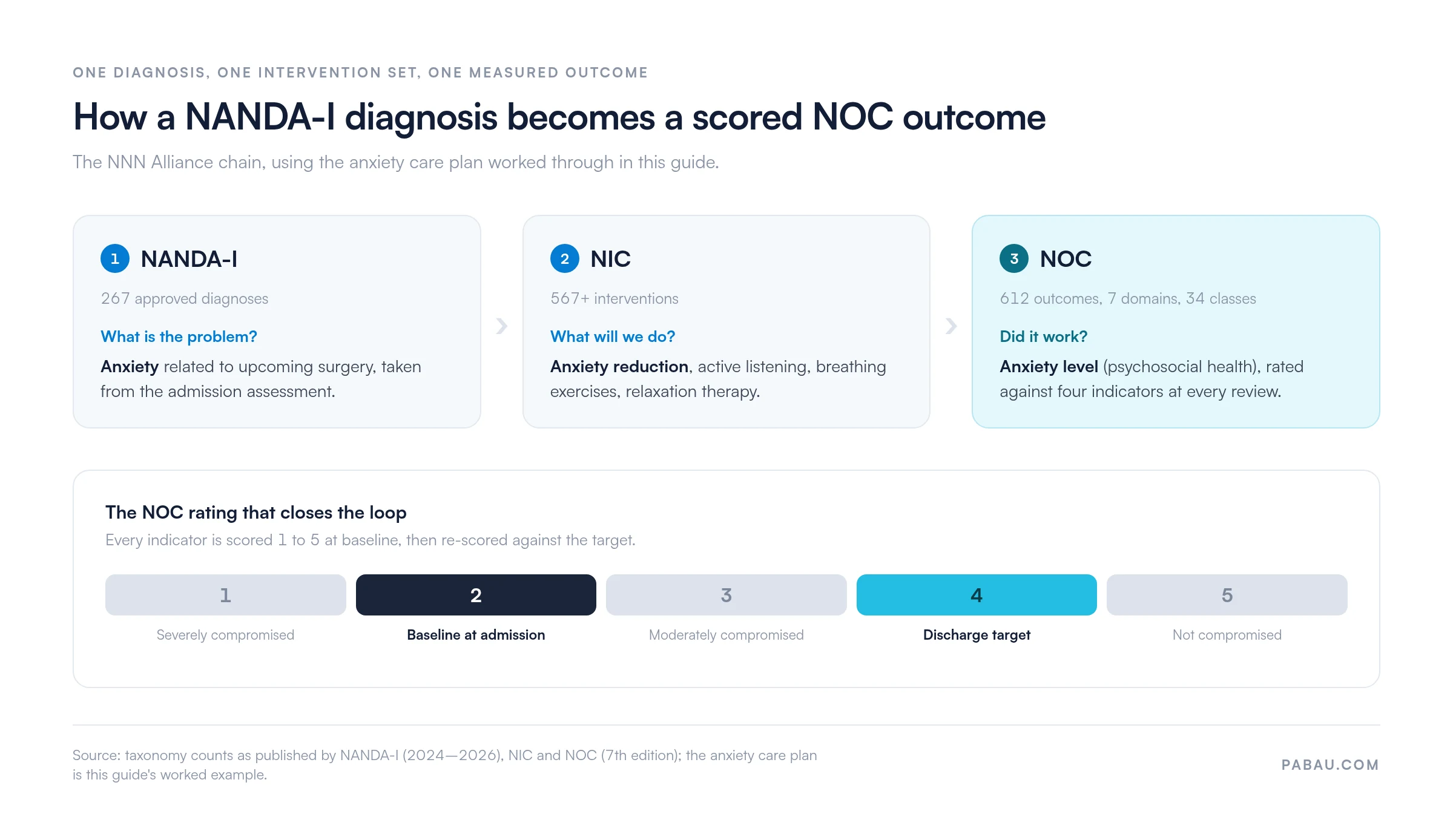
Re-scoring is the step that turns a care plan into evidence, so schedule it with the visit rather than the shift handover. Our nursing care plan evaluation template sets out what to record at each review.
The NNN Alliance is the working relationship between three nursing taxonomies. NANDA-I names the problem, NIC names the action, and NOC measures the result.
The linkage is what makes the record defensible. You have a root cause, an evidence-based action, and a measured result, all on the same care plan. Our list of nursing interventions covers the NIC side of that chain in the same format.
EHR systems use NOC as the standard language for recording patient outcomes. That moves nursing documentation off free text and onto measurable fields.
A well-built EHR does five specific jobs with NOC.
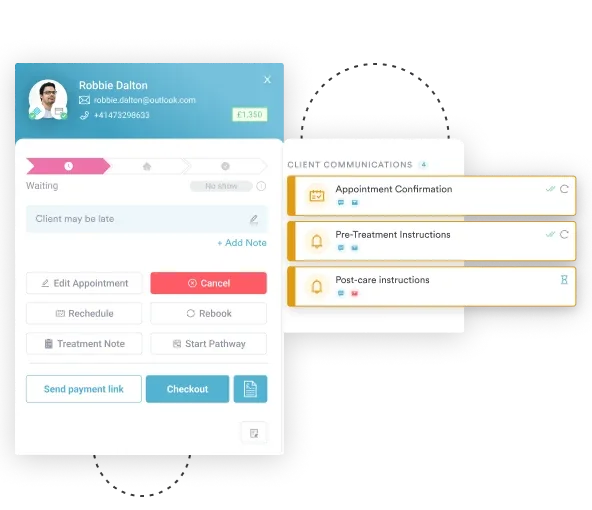
Structured outcome fields also make the record easier to audit. Every rating carries a date, a scorer, and the scale it was measured on, which is what a reviewer asks for.
Most teams keep NOC ratings wherever the care plan already lives. On paper that means a scale copied by hand onto each new sheet. In an unstructured EHR it means a free-text box that no report can read later.
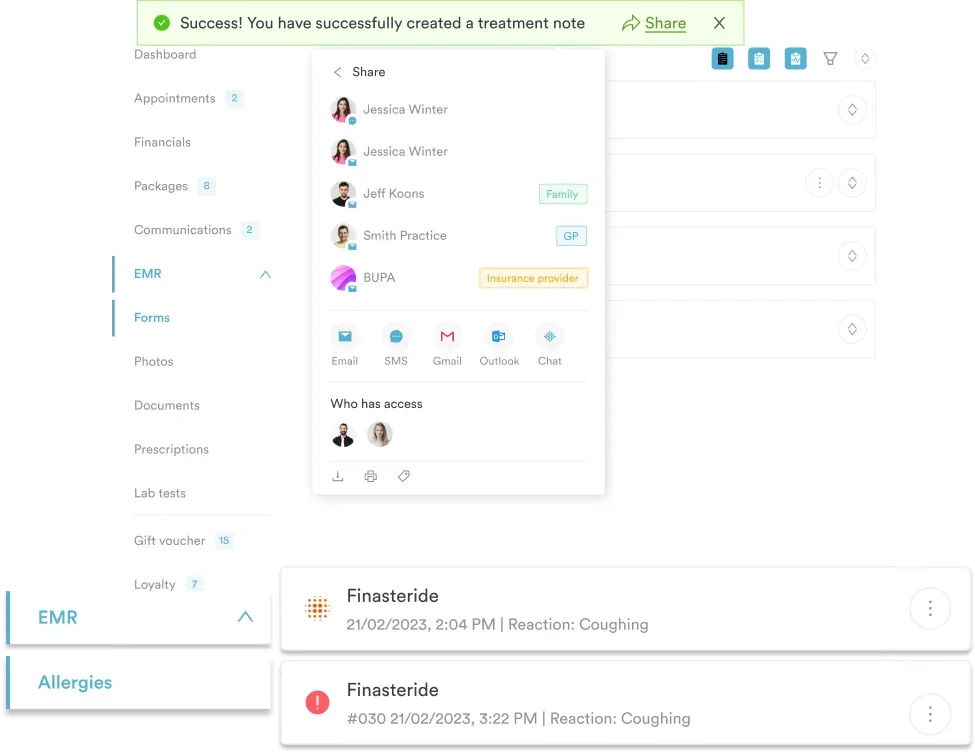
Practice management software like Pabau builds the taxonomy into the form itself. The same patient intake software that captures the admission assessment can carry the NOC outcome list. Clinicians pick from a dropdown instead of typing.
That changes four parts of the workflow.
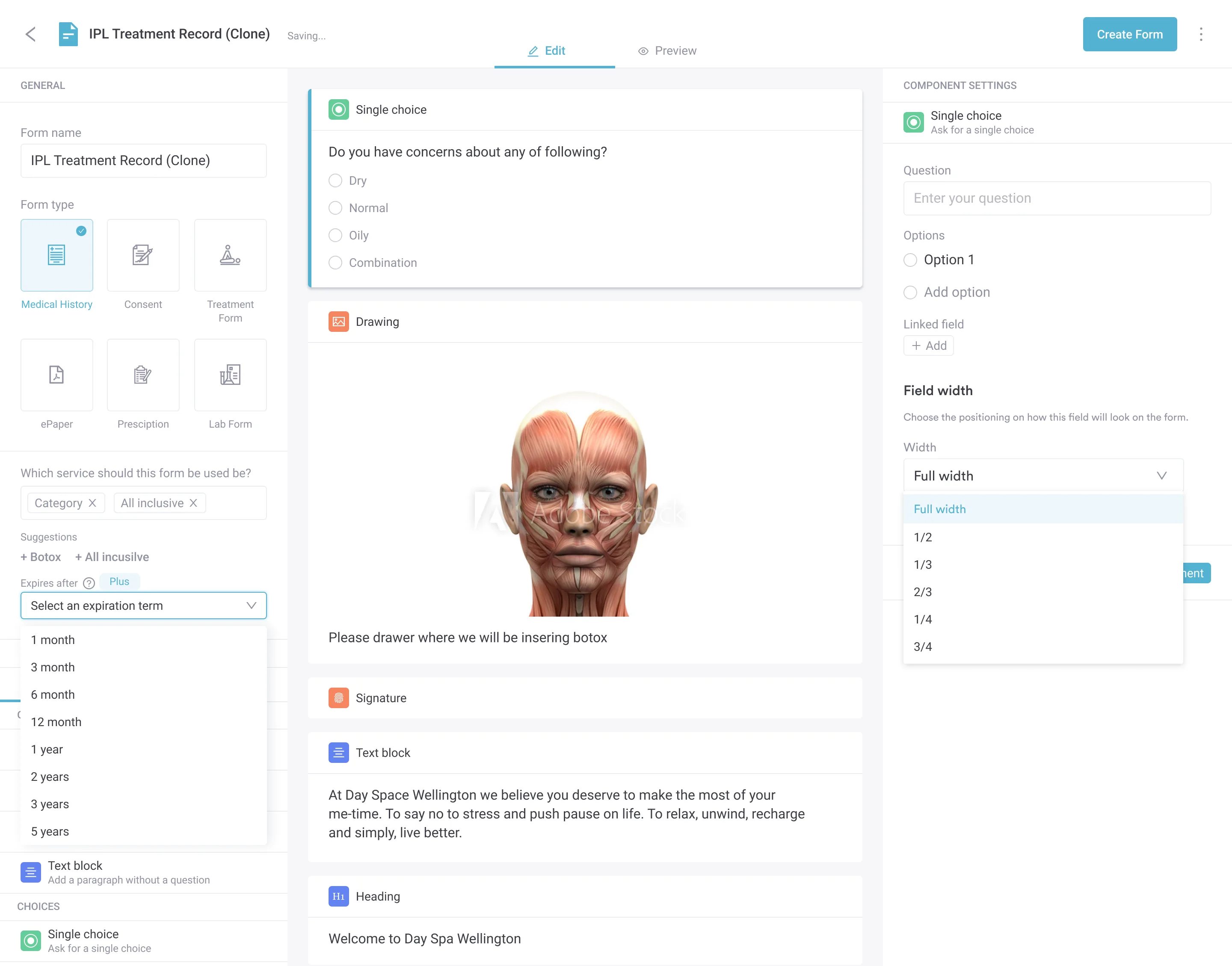
The result is that outcome measurement happens during the encounter rather than after it. That is what turns a care plan into evidence a reviewer will accept.

Pabau embeds NOC outcome measurement in your care plan templates and prompts Likert ratings at every visit. It also builds the outcome reports an accreditation review asks for.

NOC earns its place when the rating gets re-scored. A baseline captured once and never revisited proves little, so what makes NOC work is a review schedule the team keeps.
Start with one domain per care plan and one outcome the team can observe at the bedside. Add domains as staff get fluent in the scale. Scoring all seven at once is how NOC gets abandoned by month two.
Download the template above to see the structure in a form you can hand to a nurse today. Book a demo to see how Pabau keeps NOC ratings prompted, dated, and reportable without extra admin.

Need the intervention side of the chain? List of nursing interventions covers NIC in the same format as this outcome list.
Documenting outcomes across a whole team? Nursing documentation shows where ratings sit alongside assessments and progress notes.
Choosing a system to hold the ratings? Clinical documentation software sets out what to look for before you commit.
Need the evaluation step written down? Evaluation nursing care plan gives you a structure for each review.
Mapping diagnoses to outcomes visually? Concept map nursing template links problem, intervention, and outcome on one page.
The Nursing Outcomes Classification is a standardized taxonomy of 612 patient outcomes organized into seven domains and 34 classes. Developed at the University of Iowa, NOC provides measurable language for documenting and evaluating the effects of nursing interventions on patient health status.
The 7th edition of the Nursing Outcomes Classification contains 612 distinct outcomes. Each outcome includes a definition, measurable outcome indicators, and guidance on using the 1-5 Likert scale for rating patient progress.
NANDA-I diagnoses describe the patient problem or response, such as anxiety. NOC outcomes measure the result of nursing care in response to that problem. Together they answer two questions: what is the problem, and did it resolve?
NOC uses a 1-5 Likert scale to rate each outcome indicator at baseline and at regular intervals. Scores run from 1 (most problematic) to 5 (fully achieved), so clinicians can track measurable progress toward outcome targets over time.
The NNN Alliance integrates three standardized nursing taxonomies: NANDA-I diagnoses (the problem), NIC interventions (the nursing action), and NOC outcomes (the measurable result). Together they support complete, evidence-based care planning and documentation.
The template is available at the top of this guide. It provides a structured format for all seven NOC domains, outcome indicators, and Likert scale ratings. Use it in care plans and clinical documentation systems.