Stroke impact scale: Free PDF, scoring and MCID by domain
The stroke impact scale (SIS) is a 59-item questionnaire in which stroke survivo...

2
Last Updated: Oct 13, 2026

A life skills worksheet records how well an adult handles the practical demands of daily life, from budgeting to difficult conversations.
Occupational therapists, counselors, school staff, and social workers use it to turn a vague sense of struggle into named, workable goals.
This template covers six sections: decision-making, communication, emergency and safety, money management, social life, and health.
Each section pairs two short activities with three reflection questions, so patients can complete it in session or as homework.
Practice management software like Pabau stores each completed worksheet against the patient record, so progress stays in one place.
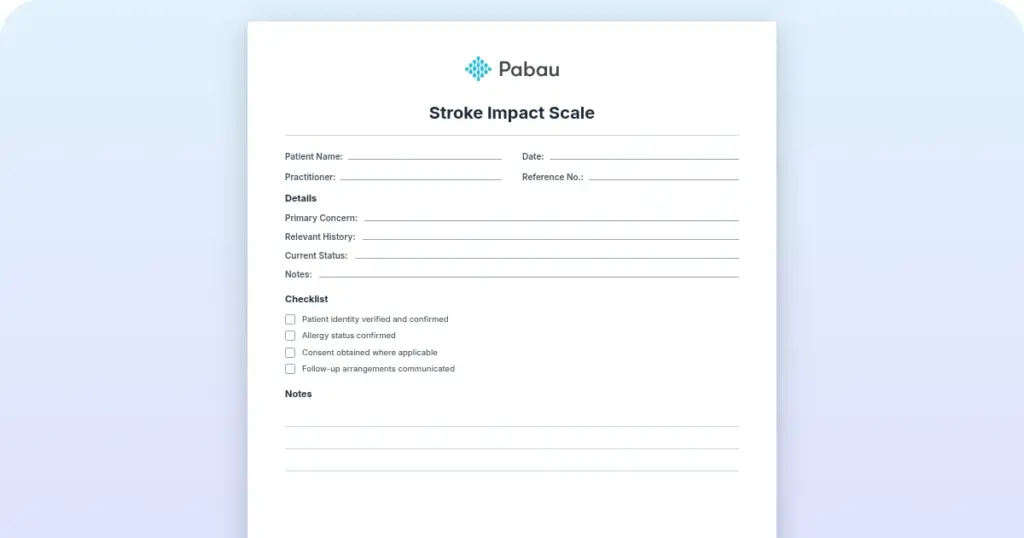
A printable PDF with six sections: decision-making, communication, emergency and safety, money management, social life, and health. Each section pairs two short activities with three reflection questions, ready to print or complete on screen.
Download templateA patient can describe their symptoms clearly and still not manage a bank balance, a bus timetable, or a disagreement with a housemate. That mismatch rarely shows up in a clinical interview. It shows up weeks later, when a discharge plan quietly falls apart.
Functional skill is hard to assess by conversation alone. Ask an adult whether they manage money well and most will say yes. Hand them a page to log last week’s spending and the picture usually changes.
That’s what this worksheet is for. It turns a general impression into a written record of how someone handles six areas of daily life, in their own words. From there, the goals write themselves.
A life skills worksheet is a structured form that records how a person manages the practical demands of independent living. It gives you standardized prompts instead of an open question, so two clinicians assessing the same patient collect comparable information. The patient writes the answers, which makes it a self-report tool rather than a rating scale you complete about them. Recording measurements the same way each visit is what makes progress visible, and physical therapy EMR software enforces it.
The term comes from public health. The World Health Organization’s life skills framework centers on psychosocial abilities such as decision-making, problem solving, communication, self-awareness, and coping with stress and emotions.
Occupational therapy works from a separate model, grouping function into activities of daily living, instrumental activities, and social participation. Both are useful here, and this worksheet borrows from each without pretending they are one framework.
The distinction matters when the document has to stand up in a record. A printable list of tips is a handout. A worksheet with dated responses, a named administrator, and repeatable sections is clinical documentation you can compare against later.
Anyone responsible for a patient’s day-to-day functioning can use it. In practice, six groups reach for it most often.
The common thread is a patient whose independence is at stake. Acquired brain injury, developmental disability, serious mental illness, and long institutional stays all show up here. So do adults who simply never had the chance to learn these skills in the first place.
Where you file the result depends on your setup. An occupational therapy practice usually keeps it with the functional assessment. A counseling or therapy practice tends to attach it to the treatment plan instead. Physiotherapy practices tracking the same independence goals can pair the worksheet with dedicated physiotherapy management software for rehab notes.
Either way, the act of writing things down does work of its own.
The worksheet opens with name, age, and date, then runs through six sections in a fixed order. Each one pairs two short activities with three reflection questions, so the patient records what they do now and where they want to change.
The order is deliberate. Decision-making and communication come first because they hold up everything below them. If a patient cannot weigh two options or ask for help, budgeting advice will not stick. Where the health section dominates, a health triangle worksheet goes deeper on that one area.
Two related forms are worth keeping nearby. A life balance wheel plots the same territory visually in a few minutes, which suits a first appointment. A life plan worksheet then picks up where this assessment stops, once you know what to work on.
Introduce it as a shared self-assessment, read the answers against a baseline, then convert the weakest section into two or three goals. Here is the five-step version most practices settle on.
One caution on timing. Run it in the very first session, before rapport is built, and you will collect polite answers rather than honest ones. A mental status examination is the better opener while you are still forming a clinical picture.
Five mistakes come up often enough to be worth naming before you hand the form to anyone.
Avoid those five and the worksheet earns its place in the file. Which leaves one fair question: why use a form at all, instead of simply asking?
Because the answers end up written, dated, and comparable. A conversation gives you an impression. A completed section gives you a sentence you can quote back six weeks later.
It keeps every patient on the same footing. The same prompts in the same order mean two practitioners produce records that line up. Handover stops depending on who ran the assessment.
It names the problem precisely. “Struggles with independence” directs treatment nowhere. “Cannot plan meals for the week and relies on convenience food” tells you exactly what to work on next.
It surfaces strengths you would have missed. A patient with severe depression often turns out to communicate clearly or decide sensibly under pressure. That is a resilience factor worth saying out loud.
It gives outcome data you can defend. Dated baselines and reassessments meet documentation standards and support the case for continued treatment.
Run the worksheet at treatment start, then every four to six weeks. Keep every completed copy, not only the most recent one. A dated sequence showing skill growth is far stronger evidence of effect than a single snapshot at discharge.
Most practices still handle this on paper. The worksheet gets printed, completed, scanned, and dropped into a folder only one person knows the name of. Six weeks later, nobody can find the first copy to compare against.
Pabau, an all-in-one practice management system, keeps the whole sequence inside the patient file. Each completed worksheet sits next to the session notes and the treatment plan.
Pabau’s patient records keep every version dated and open to the colleagues you have authorized. A covering clinician then picks up the thread without calling you.
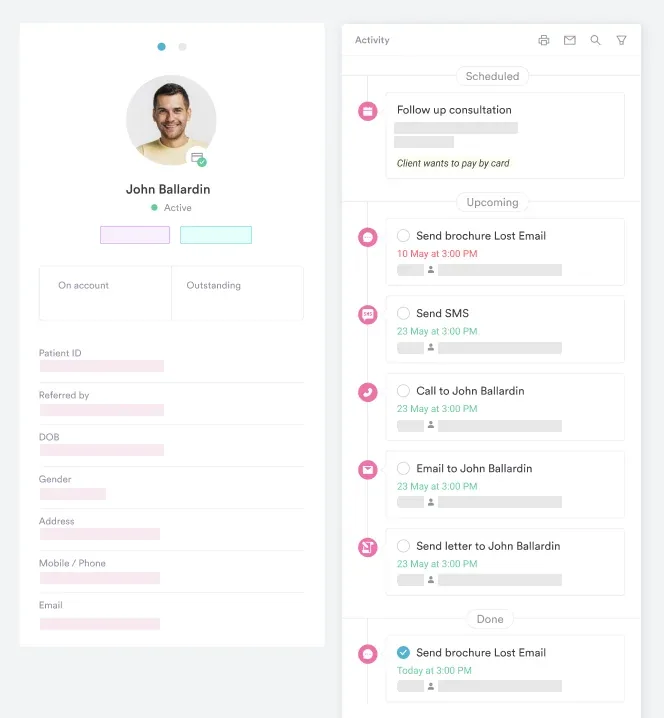
Reassessment is the step that slips first in a busy week. The four to six week rhythm then holds without anyone tracking it by hand.
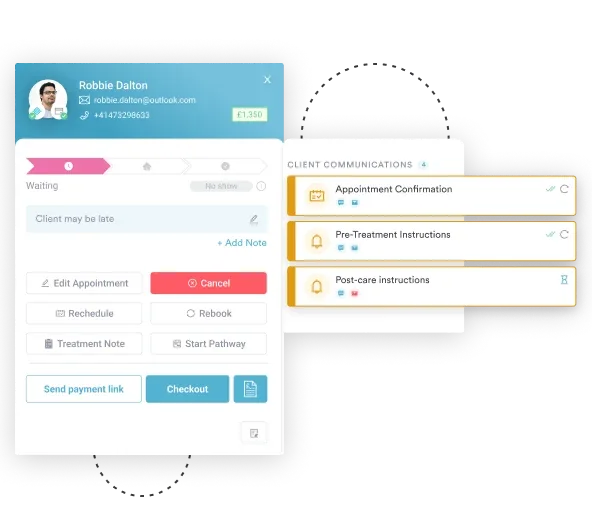
You can share the progress itself, too. Reporting then rolls the same data across your caseload, so you can show a funder what the work produced.

Pabau stores each completed worksheet against the patient file and schedules the next reassessment for you. Your team sees a patient’s full progress history without hunting through folders.

The worksheet is only worth the time if you use the second copy. One completed form tells you where a patient stood on a Tuesday in August. Two of them, eight weeks apart, tell you whether anything you did worked.
So set the reassessment date the day you hand out the first one. That single habit is what separates a form in a folder from a functional outcome you can point to.
Book a demo to see how Pabau keeps completed worksheets, reassessment reminders, and progress notes in the same patient record.

Assessing an ankle for ligament laxity? eversion stress test covers the technique, Grade I-III findings, and what to document.
Assessing development in a child under six? Hawaii Early Learning Profile rates six developmental domains as pass, emerging, not yet, or atypical.
Working up a patient’s hip pain? hip examination guide helps you tell intra-articular, periarticular, and referred pain sources apart.
Need a refresher on pelvic anatomy? male pelvis anatomy guide explains the bones, muscles, and organs, including the levator ani’s role in continence.
Cleared an ankle sprain but worried about reinjury? proprioception test separates structural healing from sensorimotor readiness with validated methods and scoring.
Yes. Adults in therapy, particularly those with depression, anxiety, trauma, or personality disorders, often struggle with functional independence. The worksheet gives you a collaborative, non-pathologizing way to name concrete areas for growth. It is especially useful during discharge planning or a move to community living.
No. An ADL assessment measures observable tasks such as dressing, bathing, and preparing a meal, usually rated by the clinician. This worksheet is self-reported and covers judgment, communication, and money as well. Many teams run both, because one records what a patient can do and the other records how they decide.
There are 12 activities and 18 reflection questions in total, so plan for a full session rather than the last 10 minutes of one. Splitting it across two appointments works well for patients with limited concentration. Nothing is lost by finishing section six the following week.
Every four to six weeks during active treatment. Reassess more often, roughly every two weeks, in short intensive programs. Stretch it to eight or 12 weeks for maintenance or long-term supportive care. Always keep the first copy as your baseline.
Yes. The template linked at the top of this page is a free PDF, built for clinical use. It covers all six sections and prints on standard paper. You can also complete it on screen and store the file against the patient record.