GLP-1 usage by state: Who’s taking, searching and paying in 2026
GLP-1 usage by state peaks in West Virginia, America’s GLP-1 capital, with...

Last Updated: Oct 16, 2026

In October 2021, the FDA issued a safety communication advising against using hyaluron pens to inject dermal filler at all, because the device cannot control injection depth or placement.
Documented complications include vascular occlusion, infection, necrosis, nodules, asymmetry, and vision loss – all must be disclosed in consent forms.
Hyaluron pen treatments are offered by both licensed and unlicensed practitioners, and practices can face liability exposure managing complications regardless of who performed the original treatment.
Practice management software like Pabau can help practices operationalize compliant documentation and aftercare messaging, whether they manage hyaluron pen complications or offer safer needle-based alternatives.
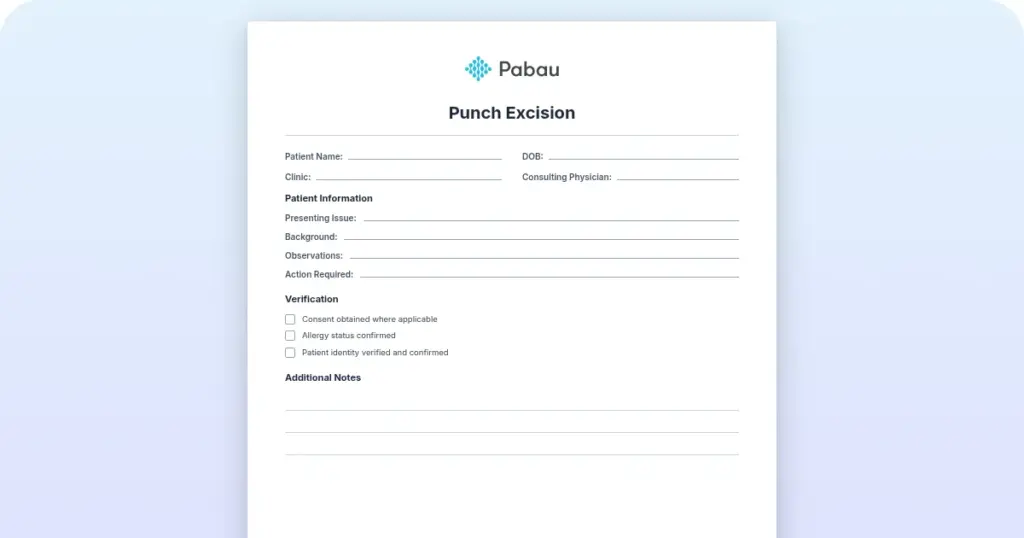
A hyaluron pen filler consent and screening form covering patient details, contraindication screening, risk disclosures (vascular occlusion, infection, necrosis). It also includes consent declarations and signature blocks. The FDA advises against using hyaluron pens to inject filler at all. Add that disclosure to the form yourself before use, since it is not included by default.
Download templateSome patients have undergone hyaluron pen filler treatment; others just ask about it. Either way, your practice needs a consent and screening template to protect your patients and your practice.
The hyaluron pen is a needle-free device that uses high-pressure air to deliver hyaluronic acid filler. Still, the FDA advises against using it for filler injection at all. The device cannot control injection depth or placement.
This guide covers the documentation your practice needs. That applies whether you are managing complications from treatment performed elsewhere or evaluating safer, needle-based alternatives.
A hyaluron pen filler is a device that delivers hyaluronic acid-a naturally occurring skin moisturizer-into the dermis using high-pressure air instead of a traditional needle. The device injects filler material without a visible entry point. This appeals to patients who are needle-phobic or attracted to the “needle-free” marketing claim. Treatment areas typically include lips, nasolabial folds, under-eye zones, and cheeks.
In October 2021, the FDA issued a safety communication. It warned the public and healthcare professionals not to use needle-free devices such as hyaluron pens to inject dermal filler. That warning applies regardless of who operates the device.
The FDA’s concern is the device itself. It forces filler into tissue using high pressure and cannot control injection depth or placement. This raises the risk of vascular occlusion, blindness, allergic reaction, infection, and disease transmission. No hyaluron pen device is FDA-approved for filler injection.
Despite the warning, the devices are still sold online and marketed as a safer, needle-free alternative to traditional filler injections.
The hyaluron pen filler template is a consent and screening form. It supports your practice’s documentation workflow across three steps:
The consent form integrates into your practice’s digital workflow via digital consent forms. This approach reduces the liability exposure that paper-based documentation creates.

This template is useful for practices that manage hyaluron pen filler complications. It also helps those weighing whether to offer the treatment despite the FDA’s warning against it. Specifically:
Most medspas store completed forms like this in a medical spa EMR, beside photos and consents.
A structured hyaluron pen filler template protects your practice and your patients in five ways:
Regulatory compliance: This form does not, by default, disclose the FDA’s non-approval status. It also omits the 2021 safety communication advising against hyaluron pen use. Add that disclosure yourself before using the form with patients.
Documented disclosure matters for medical board inquiries and, for UK practices, CQC inspections. If a patient develops a complication and claims they were not informed of the risks. A signed consent form that includes this disclosure is your first line of defense.
Risk disclosure and informed consent: The template names specific documented complications (vascular occlusion with risk of vision loss, necrosis, infection). It avoids generic “side effects” language. Courts and regulators view specific risk disclosure as evidence of informed consent. Broad disclaimers without named risks do not meet the standard of care.
Clinical audit trail: Keep treatment records that log patient ID, product lot numbers, volumes, and anatomical sites. Keep them separate from this consent form. If a complication develops and a patient claims they received a different treatment or dose, those records establish what the practitioner actually delivered. This is critical for defending against malpractice claims and regulatory investigations.
Complication escalation and patient safety: Written aftercare instructions, kept separately from this consent form, that define warning signs (vision changes, severe pain, skin blanching) and escalation pathways (immediate practice call vs. emergency department) help patients know when to seek urgent care. This reduces the risk of delays in managing vascular occlusion or infection.
GDPR and HIPAA compliance: When implemented via medical spa management software, the platform encrypts consent forms and records, controls access to them, and retains them automatically according to your jurisdiction’s data protection requirements (GDPR in the UK, HIPAA in the US). Manual paper records lack this audit control.
Hyaluronidase (the enzyme that dissolves hyaluronic acid) is your emergency reversal tool for vascular occlusion. Keep a written protocol, separate from your consent form, outlining when hyaluronidase should be considered (signs of vascular compromise, blanching, vision changes), dosing guidance, and when to escalate to ophthalmology or emergency medicine. Having this documented before a complication occurs speeds your response.
Your practice may see patients who had hyaluron pen treatment elsewhere and now present with complications. Document your assessment and management protocols in your treatment record.
Initial assessment: Document the timeline of treatment (date and location), filler product claimed (hyaluronic acid vs. other materials), volume injected, and zones treated.
Ask when symptoms began: immediate swelling and asymmetry suggest operator over-fill or off-target injection; delayed nodules (weeks to months) suggest a granulomatous response or biofilm formation; blanching and severe pain (hours after treatment) indicate vascular compromise, a medical emergency.
Vascular occlusion and vision loss: If a patient reports vision changes, orbital pain, or skin blanching in the periocular or nasolabial zones within 24-48 hours of treatment, this is vascular occlusion until proven otherwise. Call emergency medicine or ophthalmology immediately.
Hyaluronidase reversal (typically 300-600 IU) may apply, but only a physician or advanced practice provider with ophthalmology backup should administer it. Document your referral pathway and escalation decision point in your practice’s own protocol.
Infection and necrosis: Signs of infection (fever, purulent drainage, spreading erythema, warmth) warrant culture, antibiotic therapy, and specialist referral (dermatology or infectious disease). Necrosis (eschar, blackened or gangrenous-appearing tissue) requires urgent surgical consultation and possible debridement. Document all signs, treatments offered, and whether the patient accepted or declined referral.
Nodules and asymmetry: If sterile nodules or palpable lumps develop weeks after treatment, consider whether the patient will accept observation, steroid injection, or massage. If the patient requests reversal, you can inject hyaluronidase (150-300 IU per nodule) directly. A discharge planning checklist can help you capture the patient’s preference and the rationale for your chosen management approach.
Use your practice’s compliance management tools to log all complication cases. Over time, this data reveals patterns (certain practitioners, certain products, certain anatomical zones) that warrant protocol adjustments or practitioner retraining.

If your practice offers filler services, needle-based hyaluronic acid injection by a licensed practitioner (physician, nurse practitioner, or physician assistant, depending on your jurisdiction) is the only approach consistent with the FDA’s 2021 safety communication advising against hyaluron pens. Here’s why:
When you operationalize needle-based filler treatment within your practice using digital consent forms and treatment records via aesthetic EMR software, you create an auditable, compliant clinical workflow. This reduces the time burden on your clinicians while ensuring nothing is omitted.
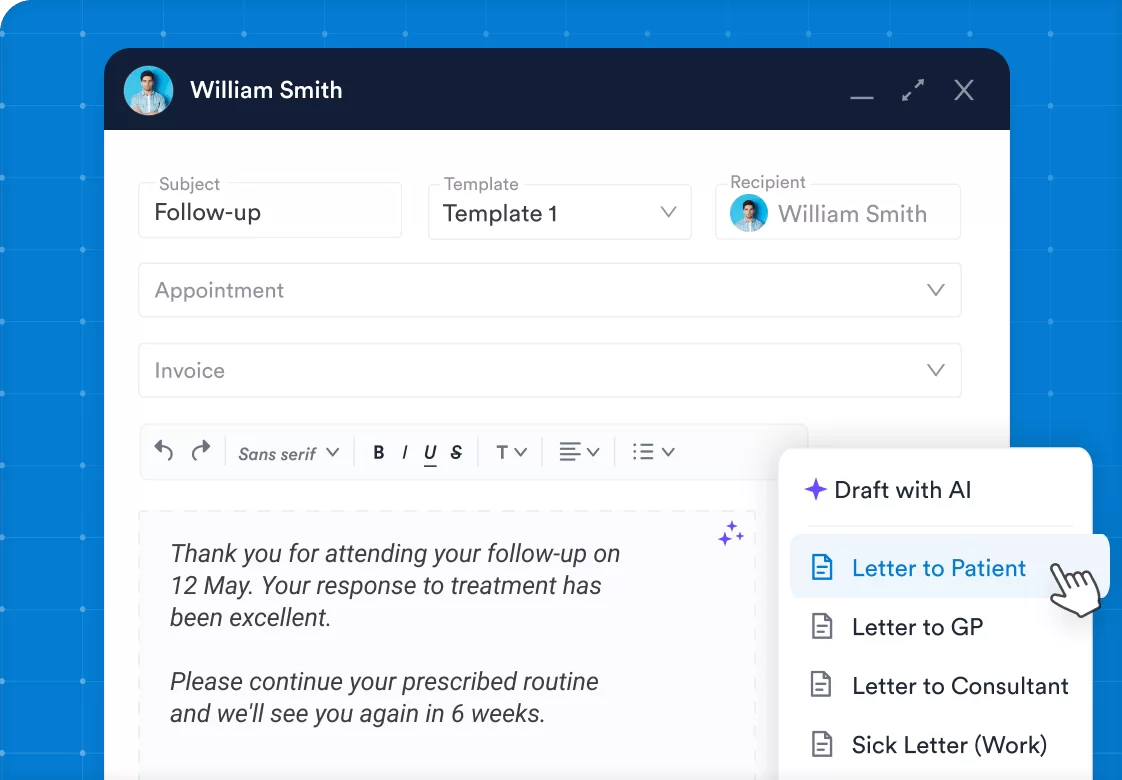
Pabau’s skin clinic management platform integrates digital consent forms, anatomical injection plotting (showing exactly where you placed the filler), and automated aftercare messaging. This combination reduces liability exposure and improves patient safety monitoring compared to paper-based workflows or standalone consent tools.

Digital consent forms, treatment records, and aftercare automation built for aesthetic practitioners. GDPR and HIPAA compliant.

The hyaluron pen carries risk regardless of who operates it: the needle-free pitch and lower cost draw patients in, but the FDA advises against the device for filler injection, and complications can range from minor asymmetry to vision loss.
Your hyaluron pen filler consent and screening template supports the documentation your practice needs. That applies whether you are managing complications from treatment performed elsewhere or evaluating whether to offer needle-based filler instead. Download the template above. Customize it for your jurisdiction (UK practices should note CQC oversight; US practices should confirm state scope-of-practice rules).
Add it to your digital workflow via HIPAA-compliant practice software or structured clinical documentation platforms.

Offering Venus Freeze treatments to patients? Venus Freeze consent form template pairs consent and medical history with a note on FDA clearance limits.
Looking for a consent form for other aesthetic procedures? Dermal Filler Consent Form covers broad-spectrum filler treatments and can be adapted for your practice’s scope.
Want to learn from top aesthetics experts? Leading aesthetics experts list profiles experts shaping standards and education across the aesthetics industry.
No. In October 2021, the FDA issued a safety communication advising against using hyaluron pens to inject dermal filler at all, regardless of who operates the device. The FDA’s concern is the device itself, not operator skill: it uses high pressure and cannot control injection depth or placement, which can cause vascular occlusion, blindness, allergic reaction, infection, and disease transmission. Training in hyaluronidase reversal and emergency response can help a licensed practitioner manage a complication once it happens, but it does not make the device itself safe to use, and no hyaluron pen device is FDA-approved for filler injection.
No. The FDA has never approved a hyaluron pen device for injecting filler. In October 2021, the FDA went further and issued a safety communication advising the public and healthcare professionals not to use needle-free devices such as hyaluron pens to inject filler at all, because the device cannot control injection depth or placement. Sellers still market and sell the devices online without disclosing this warning to buyers.
Standard aftercare includes: avoid strenuous exercise and pressure on treated areas for 24-48 hours, watch for signs of vascular compromise (blanching, severe pain, vision changes) and seek emergency care immediately if they occur, monitor for delayed infection (fever, purulent drainage) over 7-10 days, and schedule a follow-up appointment at 2 weeks to assess for nodules, asymmetry, or other complications.
Yes, in many cases. Hyaluronidase is an enzyme that dissolves hyaluronic acid filler. Practitioners can use it to reverse vascular occlusion (an emergency), dissolve nodules, or correct asymmetry. However, reversal requires a physician or advanced practice provider trained in the procedure and requires ophthalmology backup if vision is at risk. It is not a do-it-yourself intervention.